Number Recognition Worksheets for 6-Year-Olds - Page 3
314 filtered results
-
From - To

Find 9 Worksheet
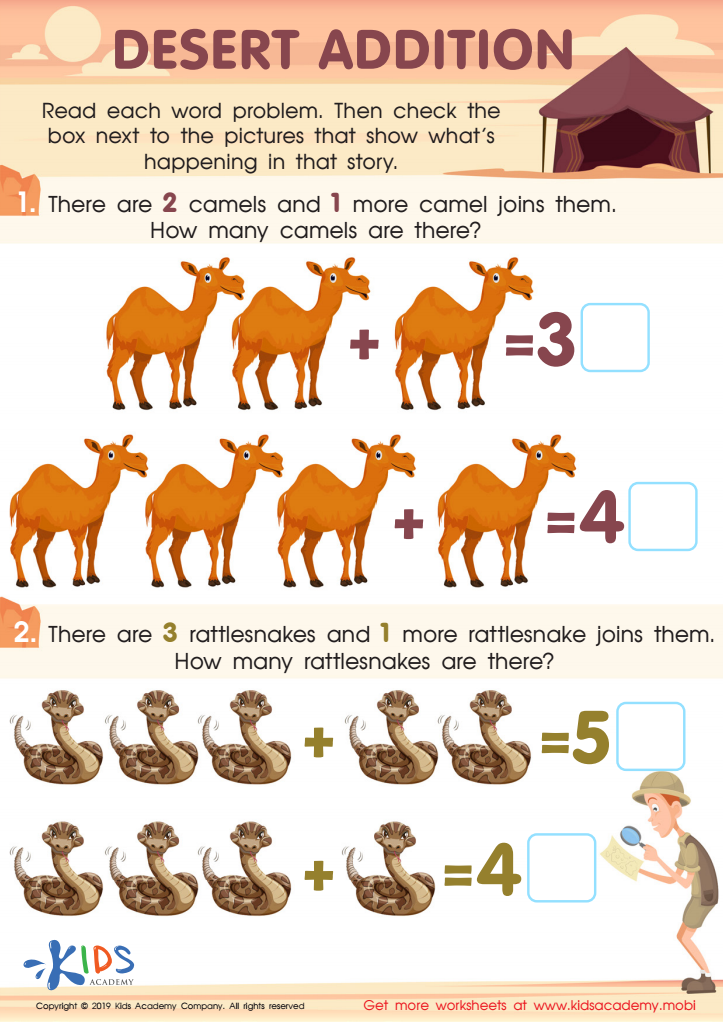
Desert Addition Worksheet
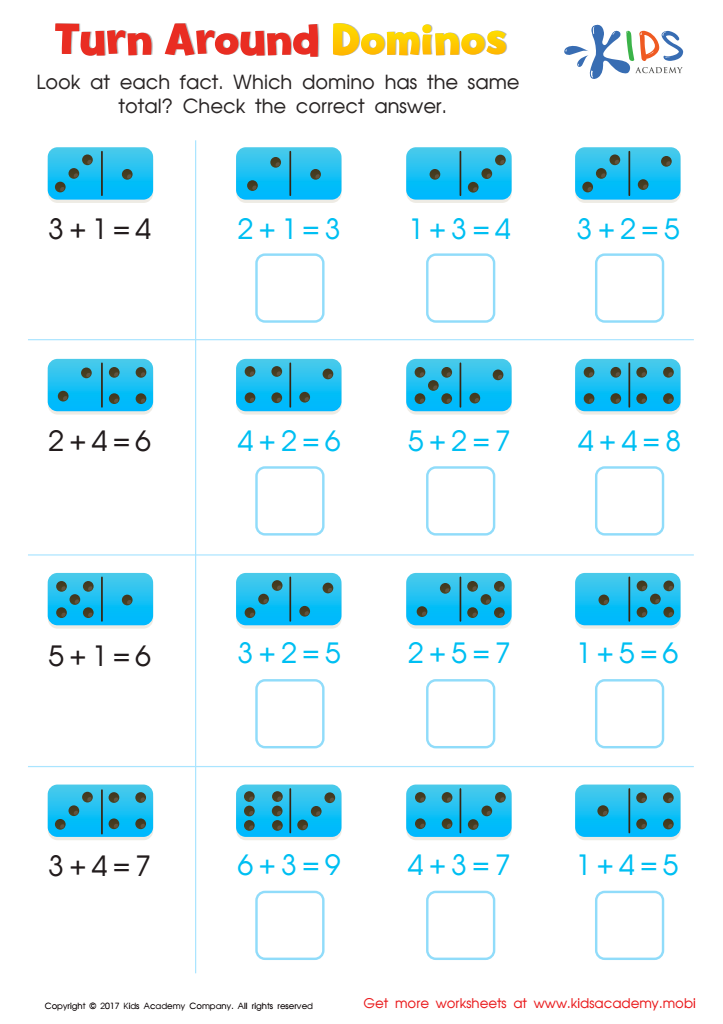
Turn Around Dominos Worksheet
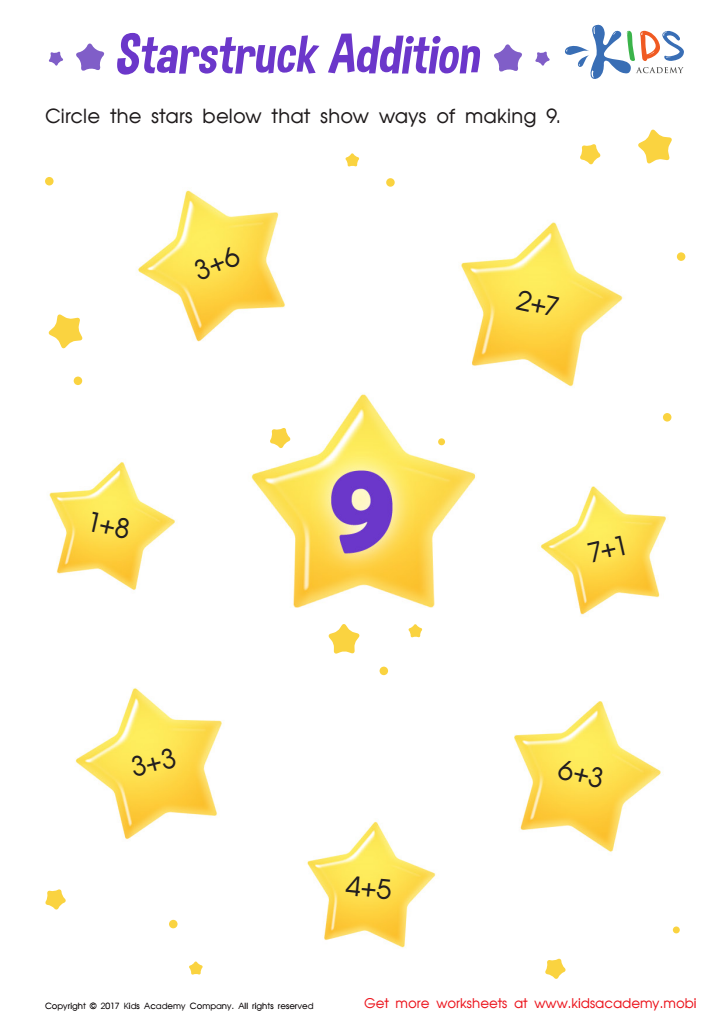
Starstruck Addition Printable
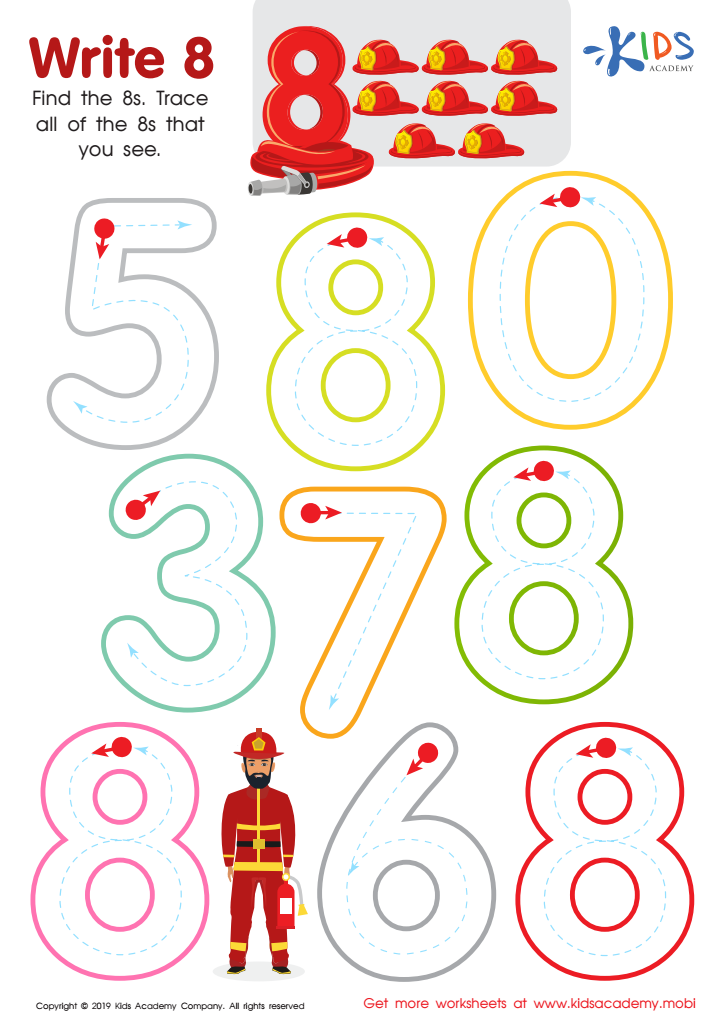
Write 8 Worksheet
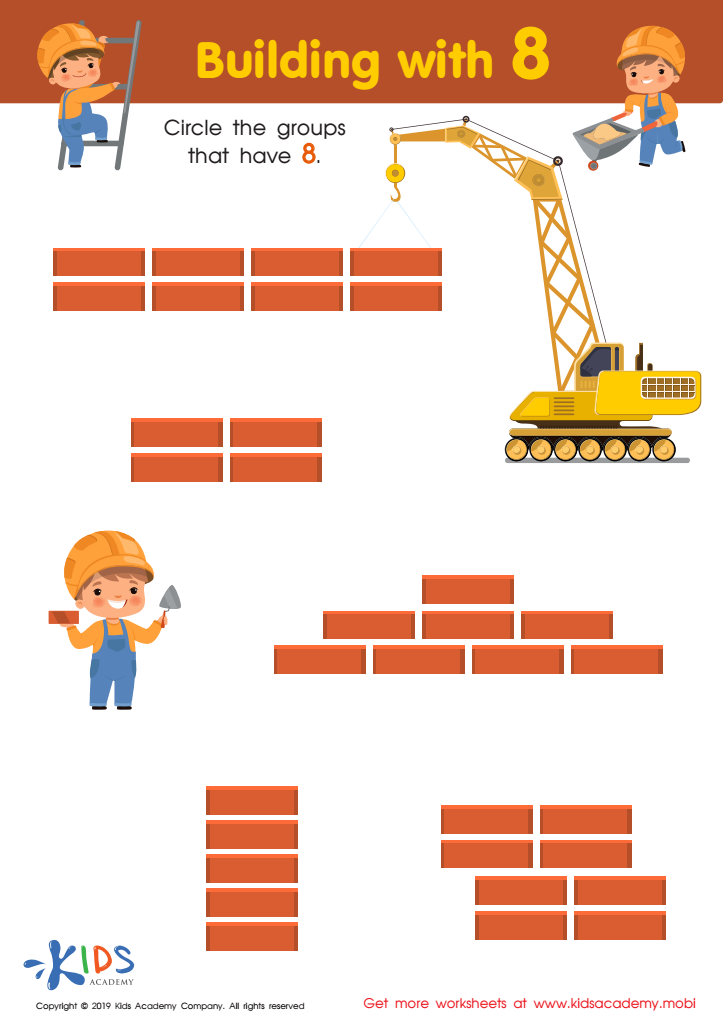
Building with 8 Worksheet
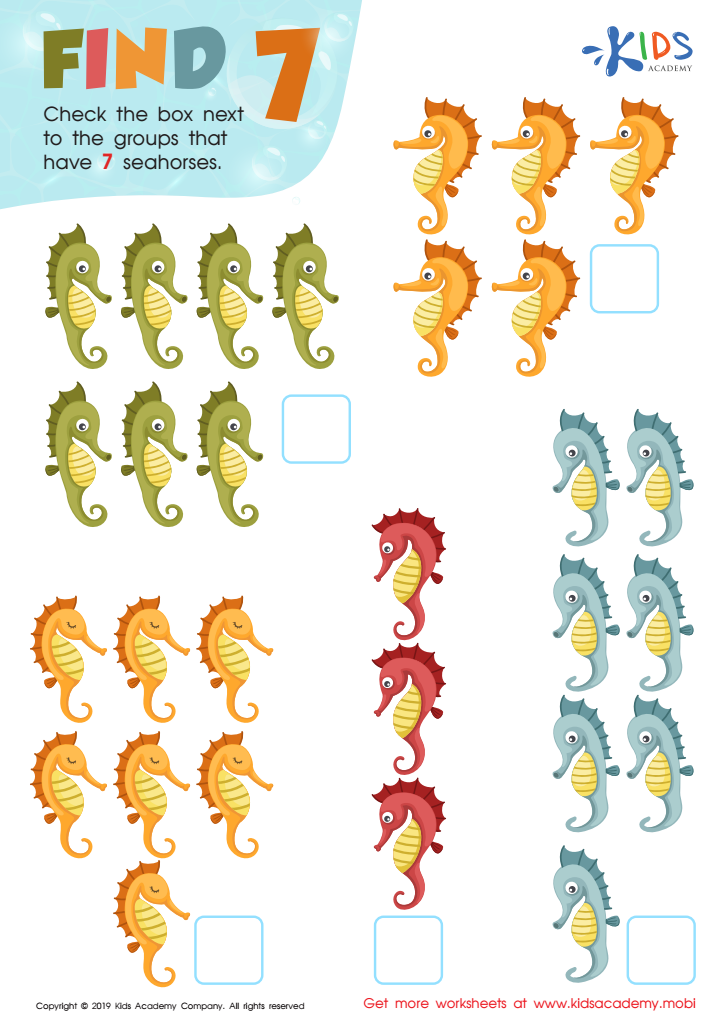
Find 7 Worksheet
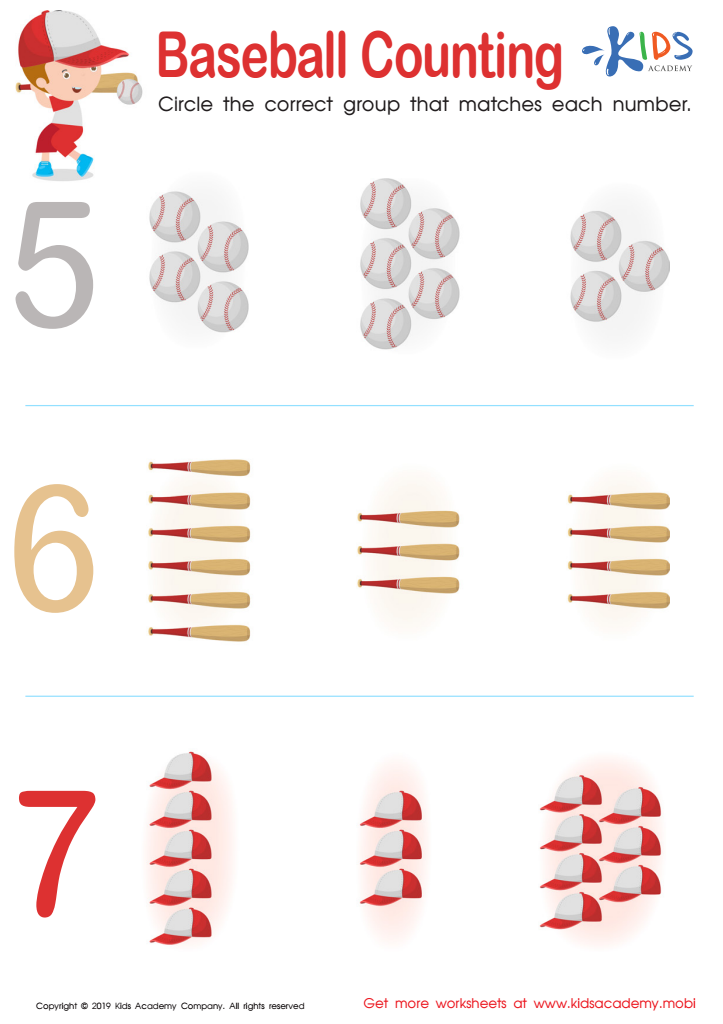
Baseball Counting Worksheet
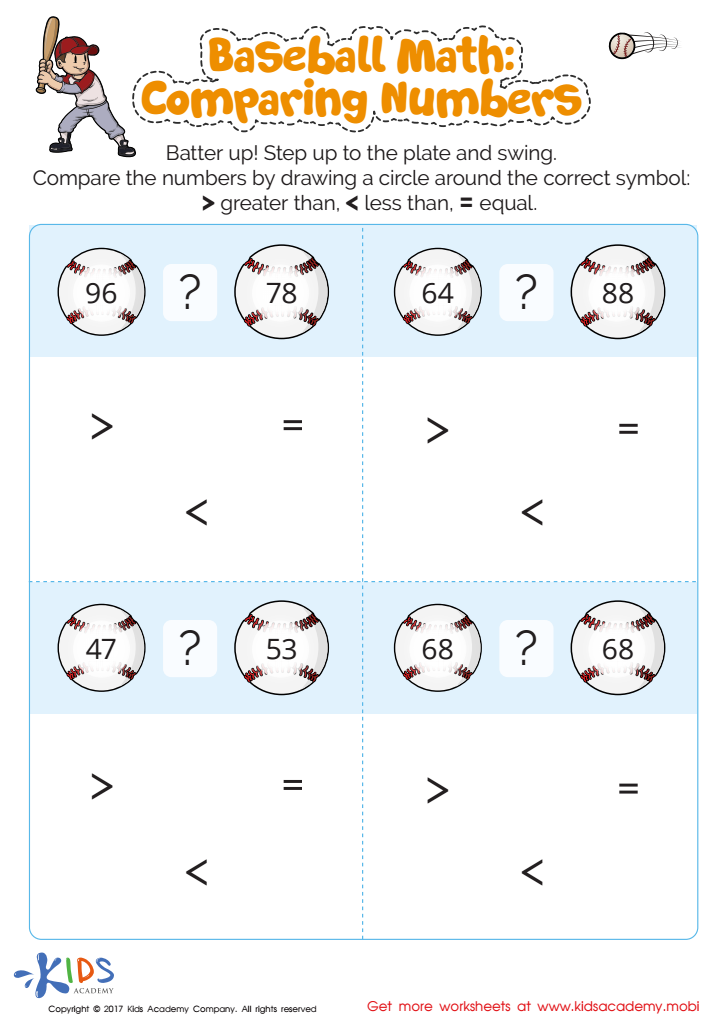
Compare Numbers Printable
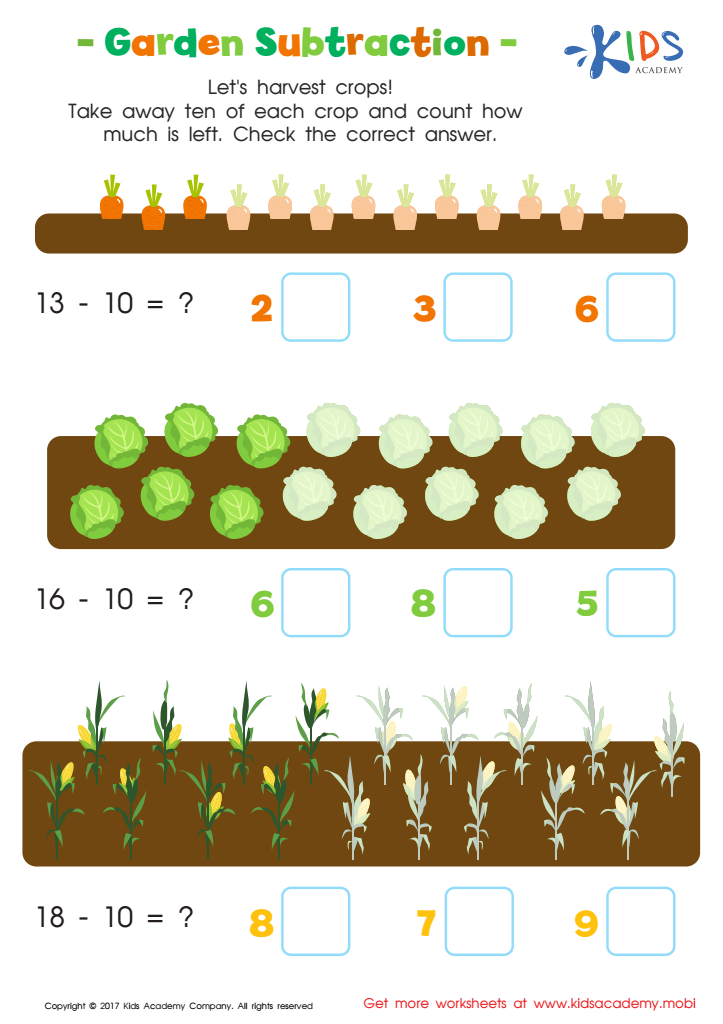
Garden Subtraction Worksheet
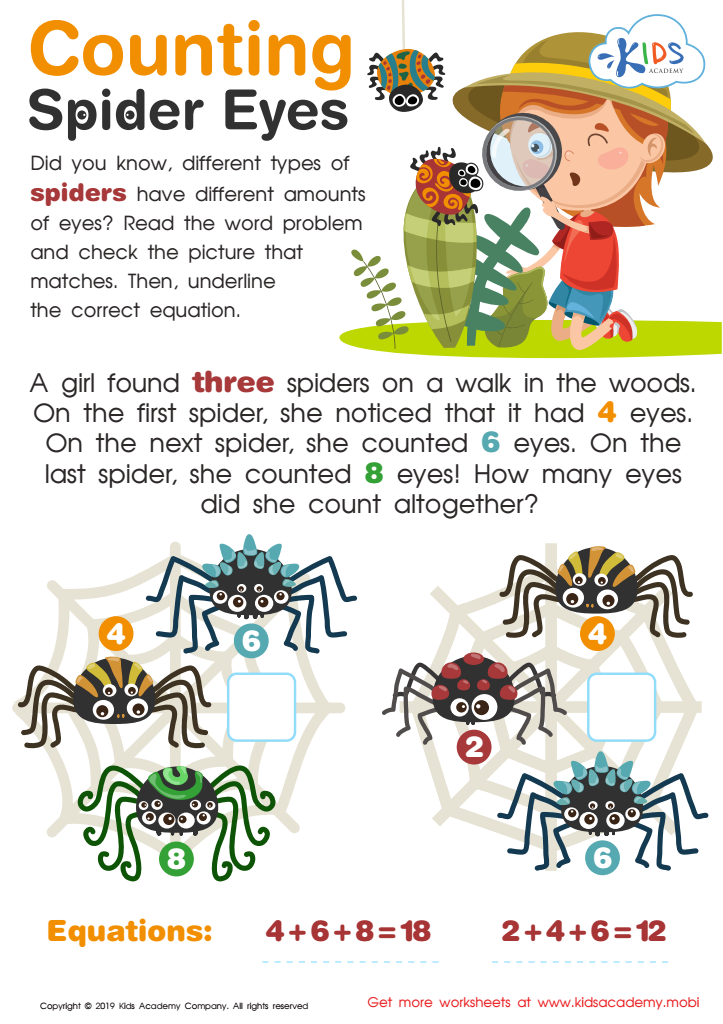
Counting Spider Eyes Worksheet
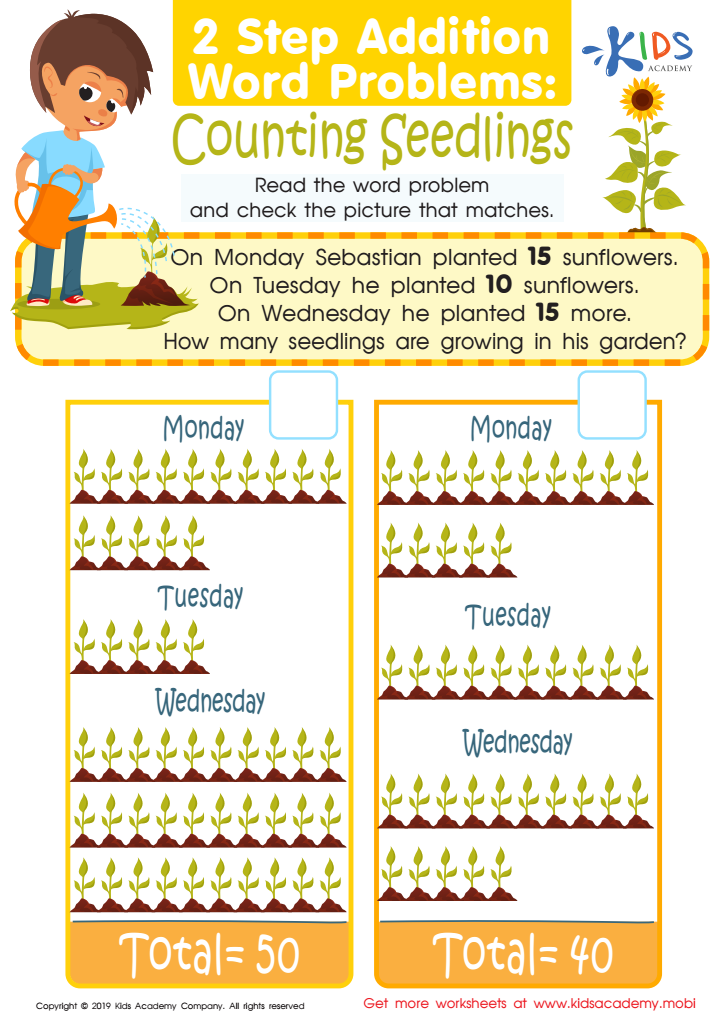
Counting Seedlings Worksheet
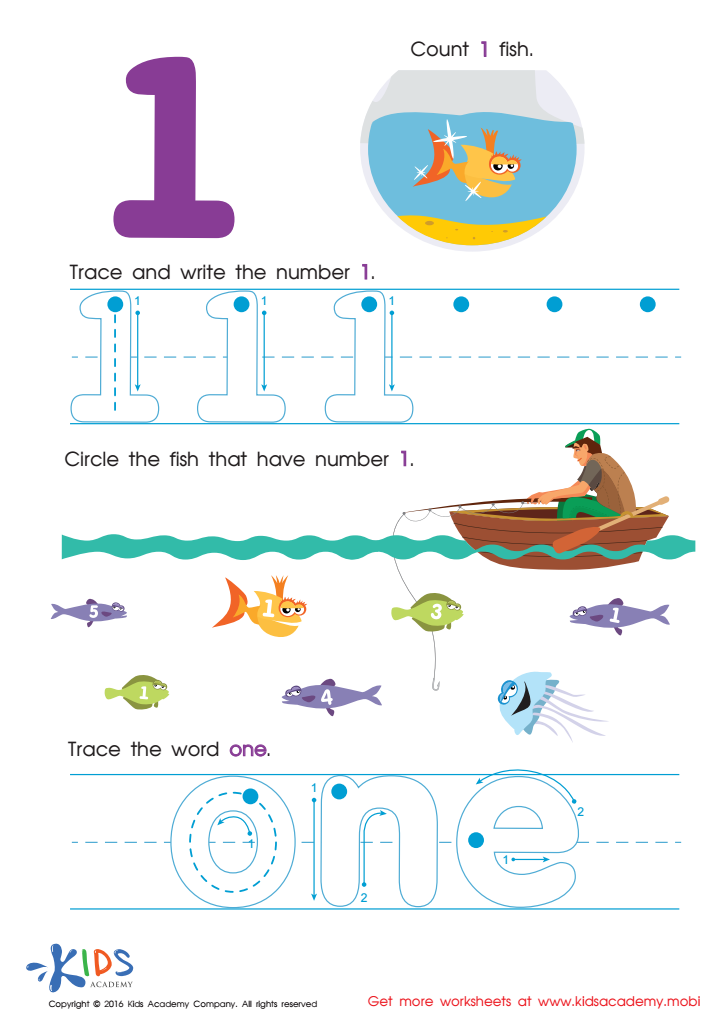
Learning to Write 1 Worksheet
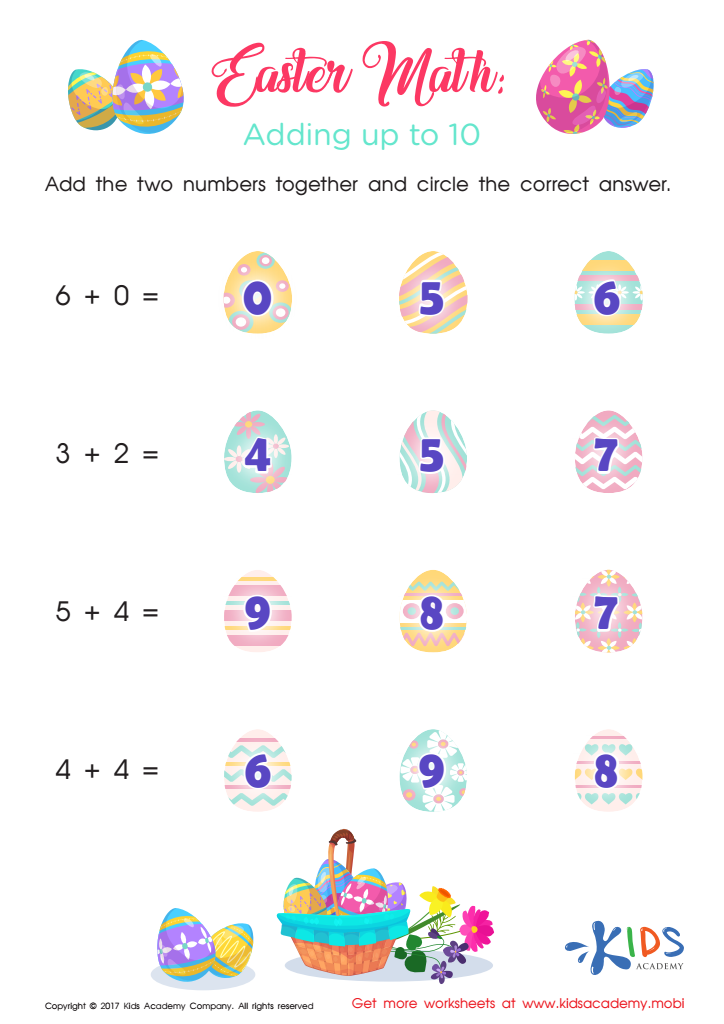
Addition Up To 10 Worksheet
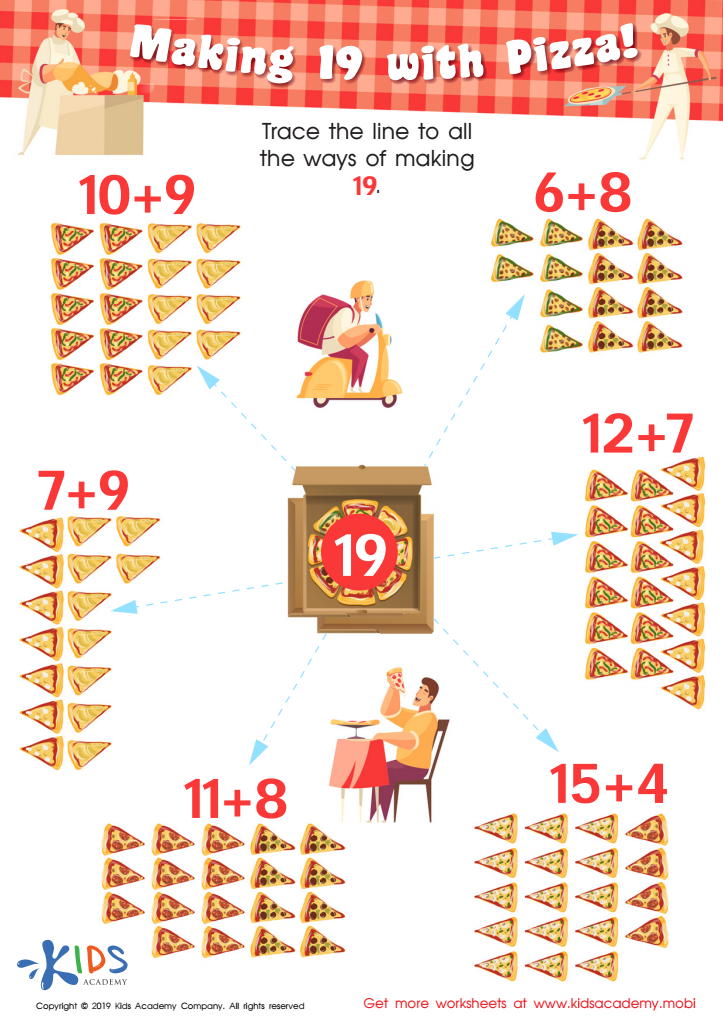
Making 19 with Pizza! Worksheet
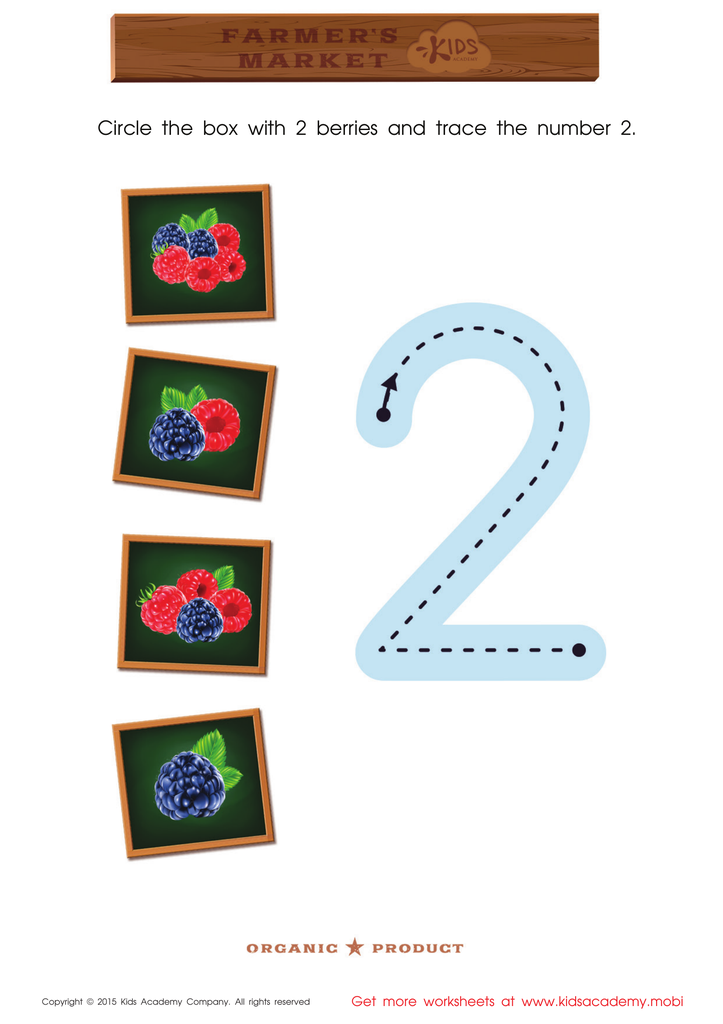
Count the Berries and Trace the Number 2 Printable
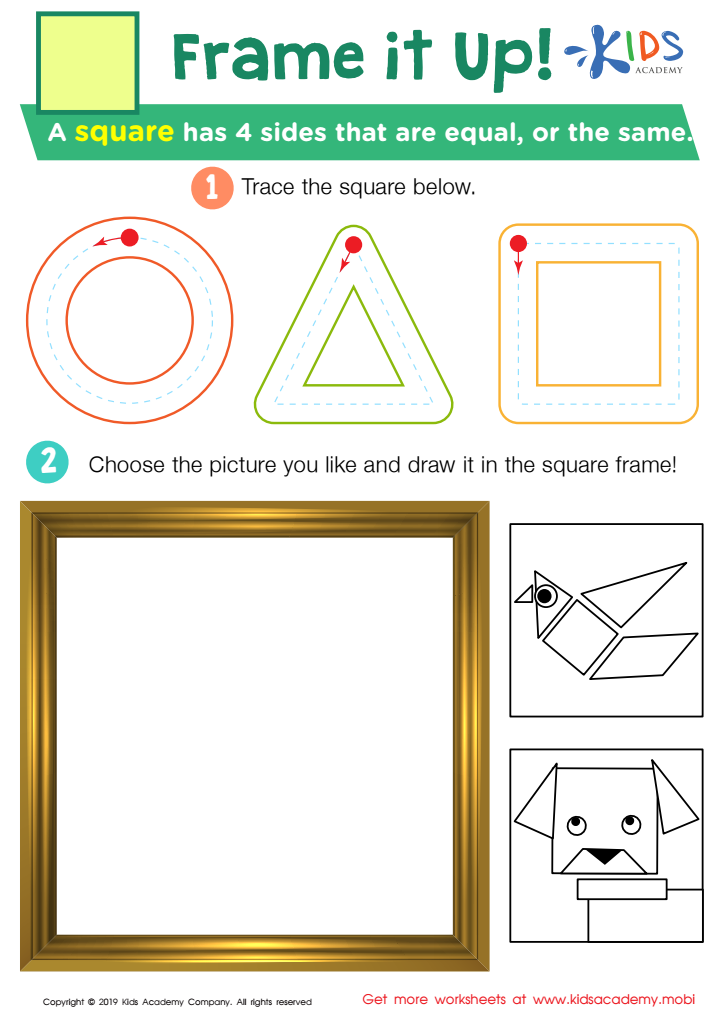
Frame it Up Worksheet
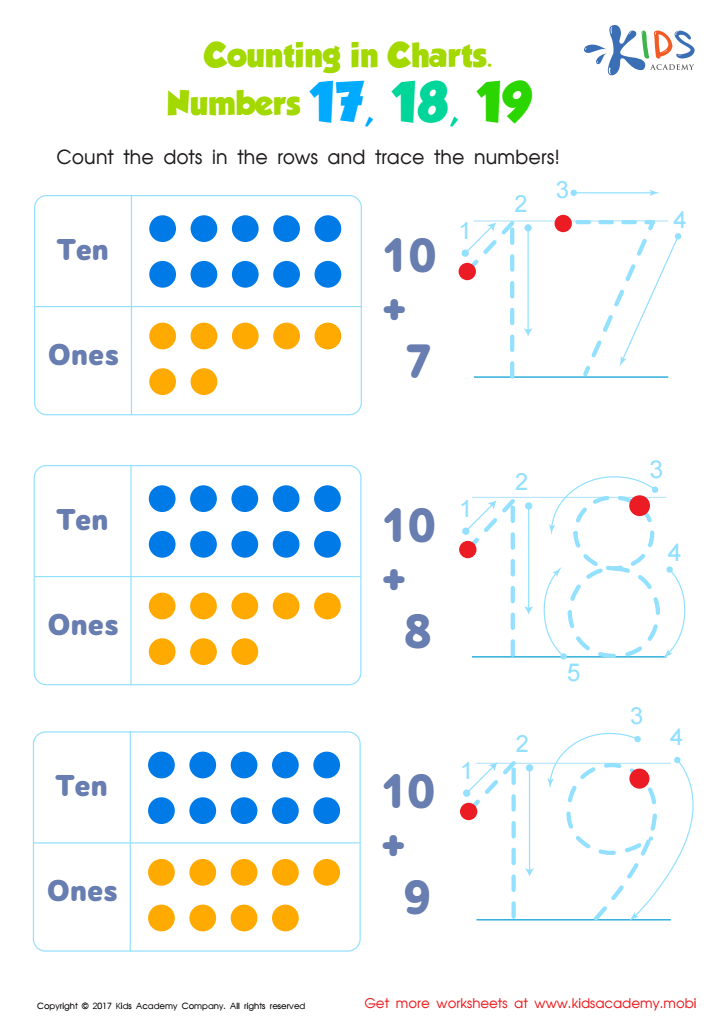
Kindergarten Number Tracing: Counting in Charts Worksheet
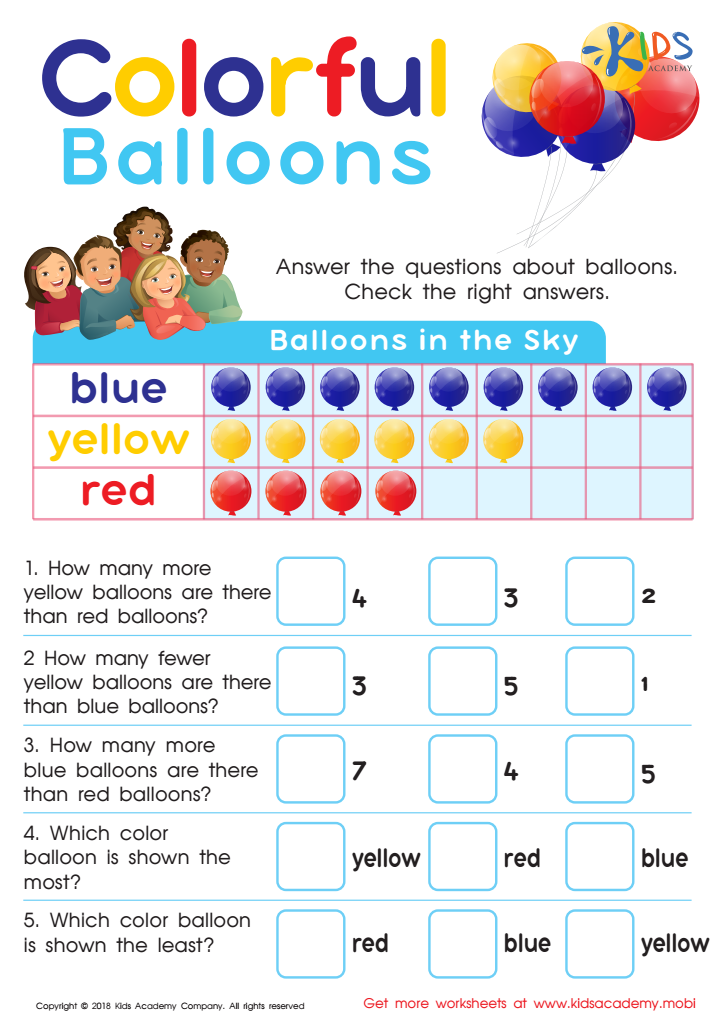
Picture Graphs: Colorful Balloons Worksheet
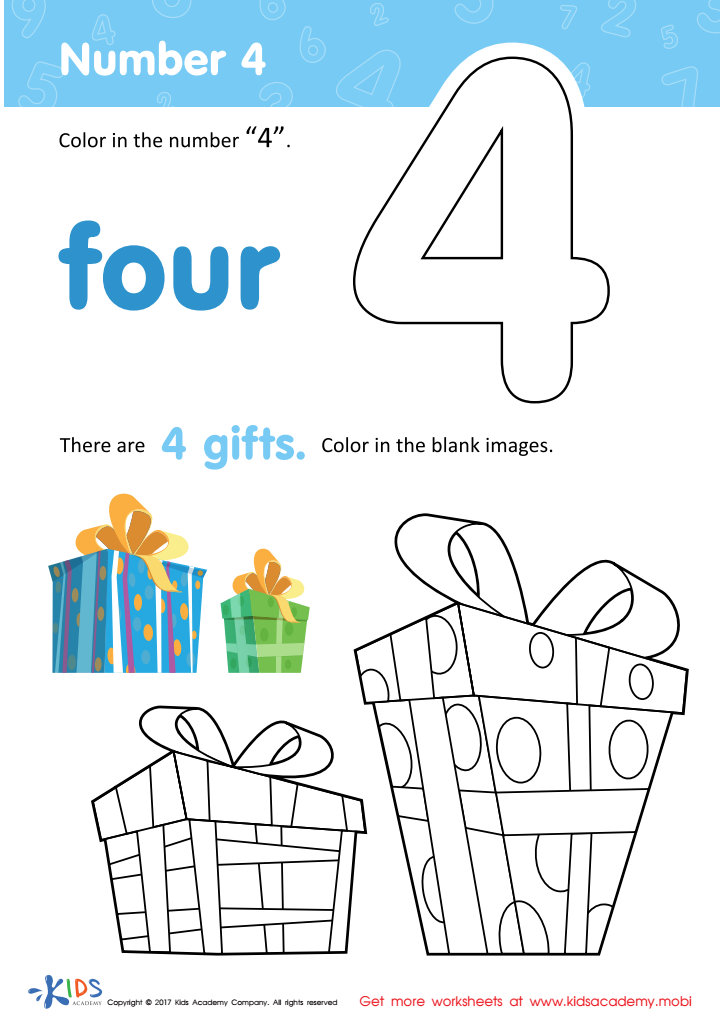
Number 4 Printable
 Assign to My Students








Number recognition is essential for 6-year-olds as it lays the foundation for future mathematical learning and everyday functionality. At this age, children's brains are highly receptive to new information, and building a strong understanding of numbers can set them on a path to academic success.
Firstly, number recognition is crucial for developing basic arithmetic skills. Understanding numbers enables children to perform fundamental operations such as addition and subtraction, which are cornerstones of math education. This comprehension promotes confidence and reduces anxiety related to math, fostering a positive attitude towards the subject.
Secondly, number recognition enhances cognitive and problem-solving skills. Early math experiences stimulate logical thinking and pattern recognition, skills that are transferable to other areas of learning and daily activities.
Furthermore, proficiency in number recognition supports practical life skills. From reading a clock to handling money, numerical understanding is integral to navigating the world. Without this skill, children may struggle with tasks that adults often take for granted.
Lastly, early parental or teacher involvement in teaching number recognition can strengthen the child’s engagement and interest in learning. Interactive activities, games, and constructive feedback from caregivers deeply enrich the educational experience, making learning both fun and effective.
In summary, number recognition is a pivotal aspect of early childhood education, supporting academic achievement, cognitive development, practical skills, and fostering a lifelong interest in learning.








