Number Sequencing Worksheets for 6-Year-Olds - Page 2
28 filtered results
-
From - To
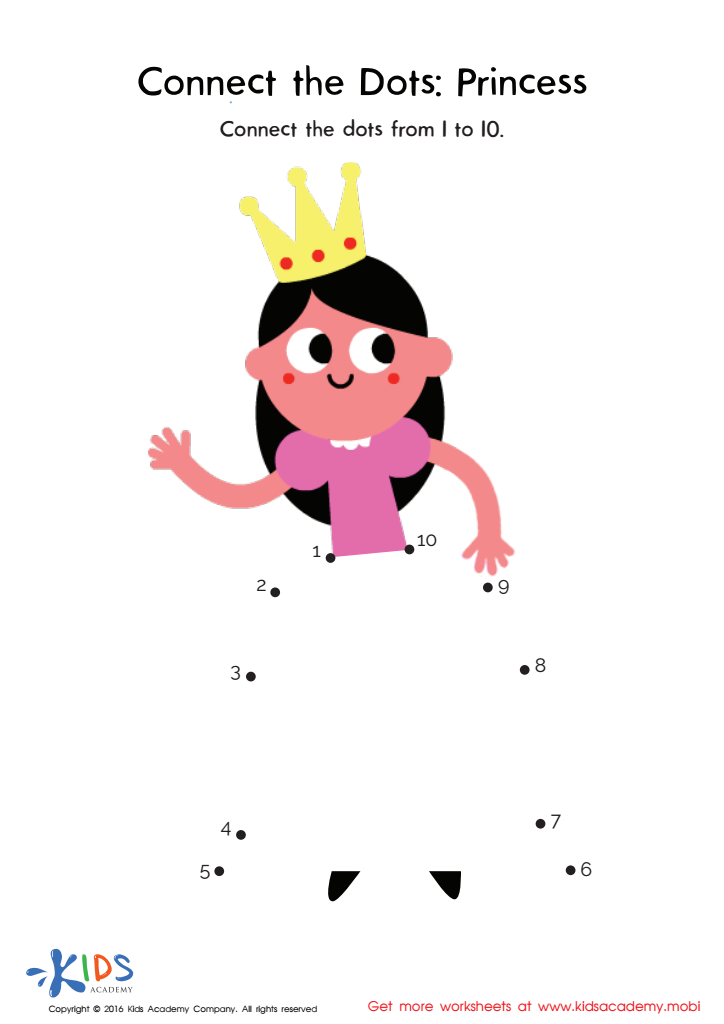
Princess Connect Dots Worksheet
 Assign to My Students
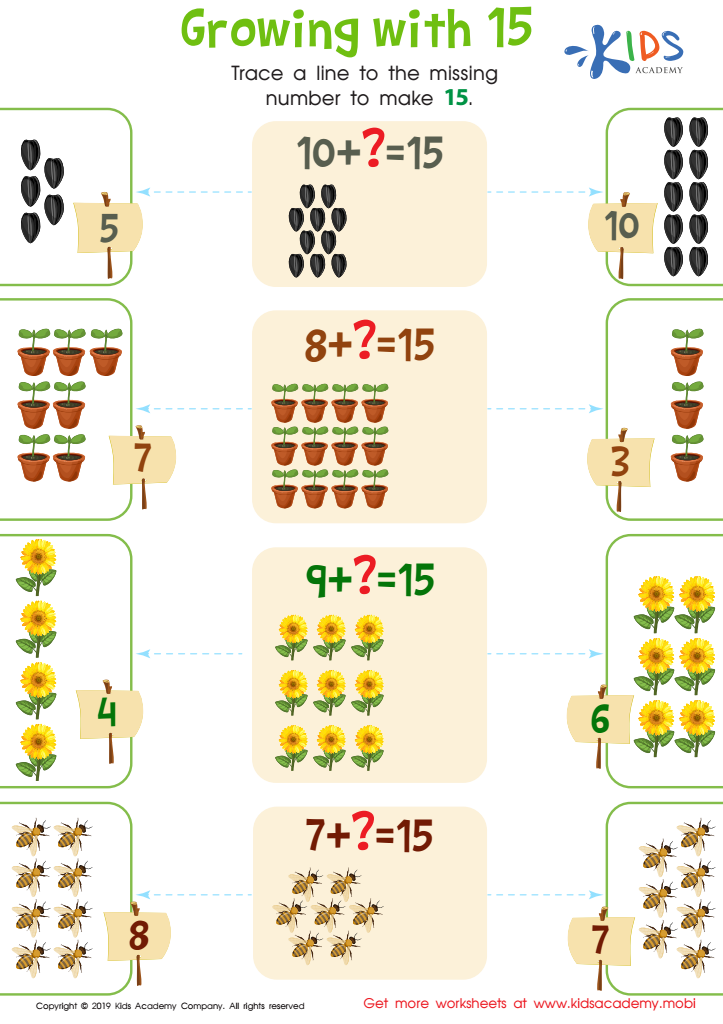
Growing with 15 Worksheet
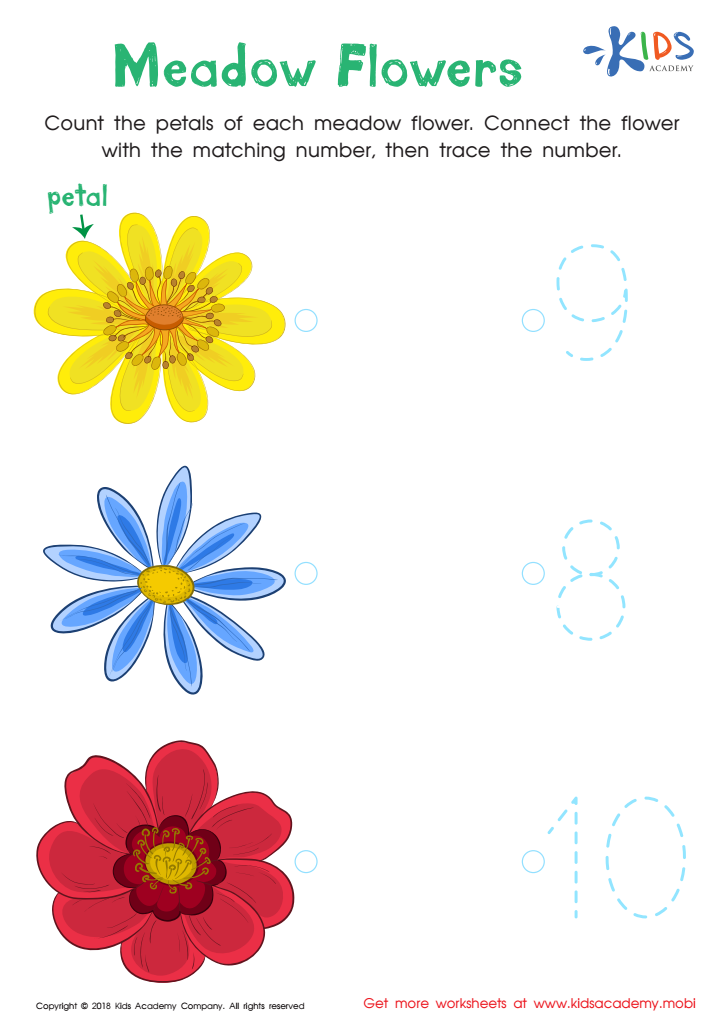
Kindergarten Number Tracing: Medow Flowers Worksheet







Number sequencing is a vital skill for six-year-olds that lays the foundation for their mathematical understanding. At this developmental stage, children are beginning to grasp numerical concepts, and mastering number sequencing enhances their cognitive abilities. When parents and teachers prioritize number sequencing, they help children develop a sense of order and patterns, essential for everyday problem-solving.
Incorporating number sequences into play encourages critical thinking and reasoning. Activities like counting in order, using number lines, or sequencing objects by size can make learning enjoyable while reinforcing these skills. Proficiency in sequencing also prepares children for more complex math concepts, such as addition, subtraction, and place value, which are integral to their future academic success.
Moreover, number sequencing promotes fine motor skills through hands-on activities, like arranging numbered cards or using beads. This multi-faceted approach fosters a love for learning and a positive attitude toward math.
Ultimately, helping children with number sequencing empowers them with confidence and competence, reducing math anxiety later in life. For parents and educators, nurturing these foundational skills is crucial for laying a strong educational base, nurturing curious minds, and cultivating lifelong learners.








