Numerical problem solving Worksheets for 6-Year-Olds
3 filtered results
-
From - To
Discover our engaging Numerical Problem Solving Worksheets designed specifically for 6-year-olds. These vibrant, kid-friendly worksheets encourage young learners to enhance their math skills through fun, interactive activities. Featuring a variety of problem types, each worksheet helps students develop critical thinking and reasoning abilities while mastering basic math concepts like addition, subtraction, and simple word problems. Perfect for classroom use or at-home practice, our worksheets provide a comprehensive approach to numerical challenges, fostering independence and confidence in young mathematicians. Fuel your child's love for math and problem solving with our entertaining and educational resources today!
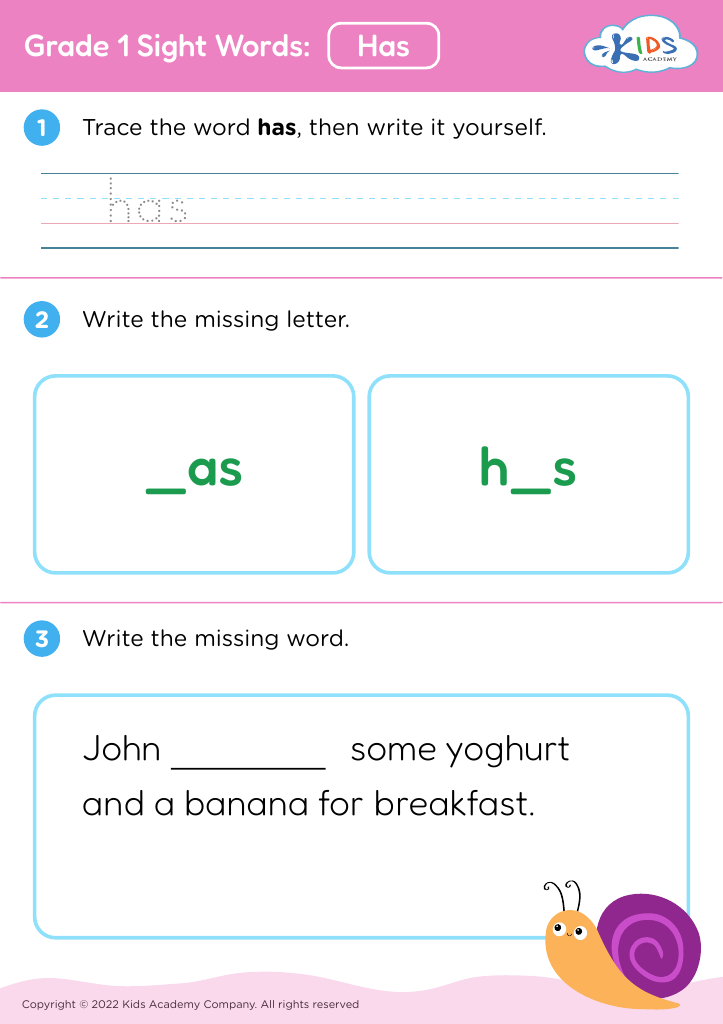
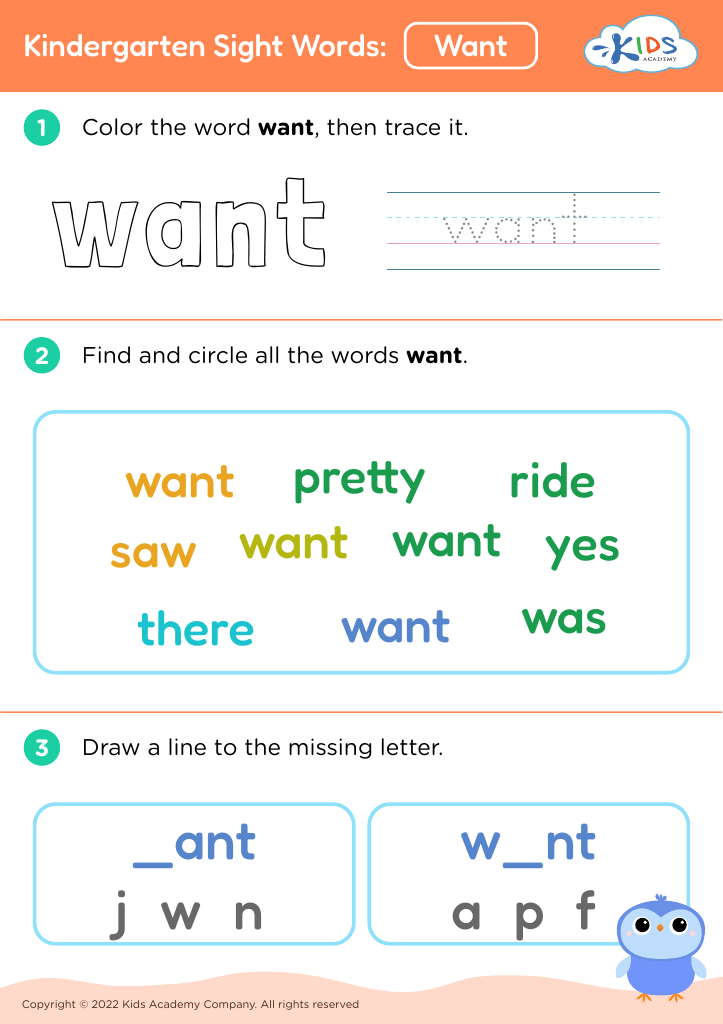
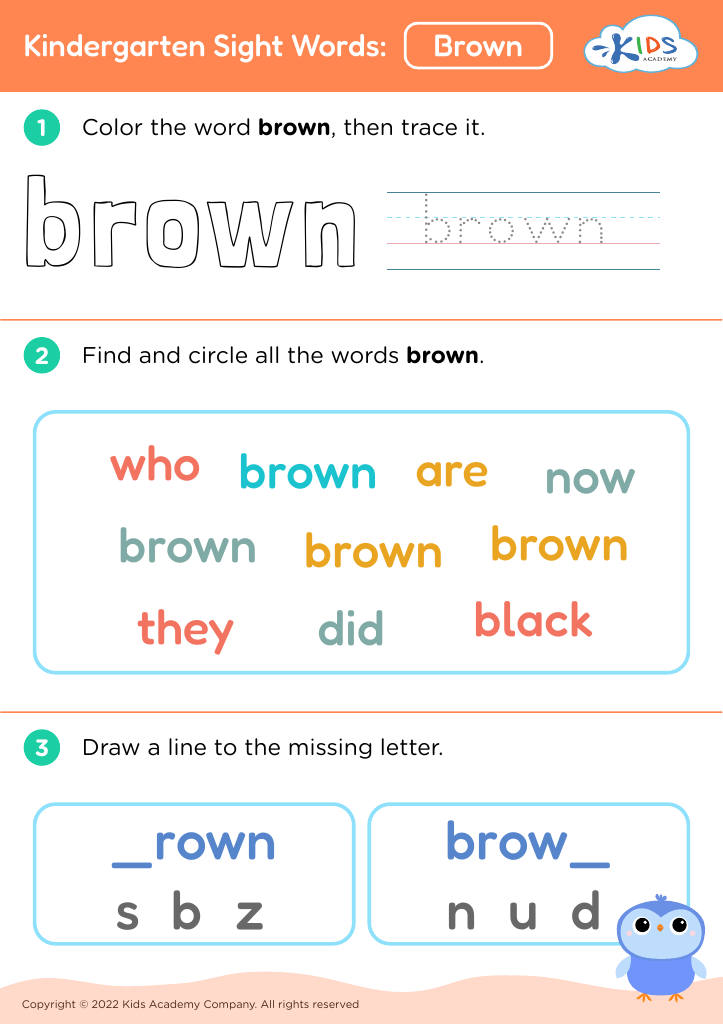







Numerical problem solving is a foundational skill that significantly impacts a child's academic journey and daily life. For 6-year-olds, engaging in problem solving with numbers fosters critical thinking and cognitive development. It helps children understand the relationships between numbers, practice logical reasoning, and develop perseverance when faced with challenges.
Parents and teachers should care about this aspect of learning because early experiences with math can shape a child's confidence and attitudes towards the subject. Positive interactions with numbers can lead to a strong mathematical mindset, encouraging lifelong skills such as analytical thinking and creativity in problem-solving. Significant importance is placed on a child’s early experiences as they can influence their willingness to tackle complex topics later on.
Additionally, numerical problem solving nurtures essential life skills. Children learn to approach problems methodically, break them down into manageable steps, and explore various solutions. This skill set is not only advantageous in math but can be applied in real-world situations, such as budgeting, planning, and decision-making.
In conclusion, promoting numerical problem-solving is pivotal for academic success and personal growth. It equips children with the tools they need to succeed both inside and outside the classroom.








