Practice addition Worksheets for 6-Year-Olds
3 filtered results
-
From - To
Our "Practice Addition Worksheets for 6-Year-Olds" are designed to make learning fun and engaging for young children. These worksheets help kids master the fundamentals of addition through carefully structured exercises. Each worksheet provides a mix of visual aids and practical problems to enhance understanding and retention. Perfect for at-home practice or classroom activities, these addition worksheets will build confidence and help create a strong mathematical foundation. With colorful designs and age-appropriate challenges, our worksheets keep kids motivated as they progress from simple to more complex addition tasks. Start your child's journey in math with our comprehensive practice sheets today!
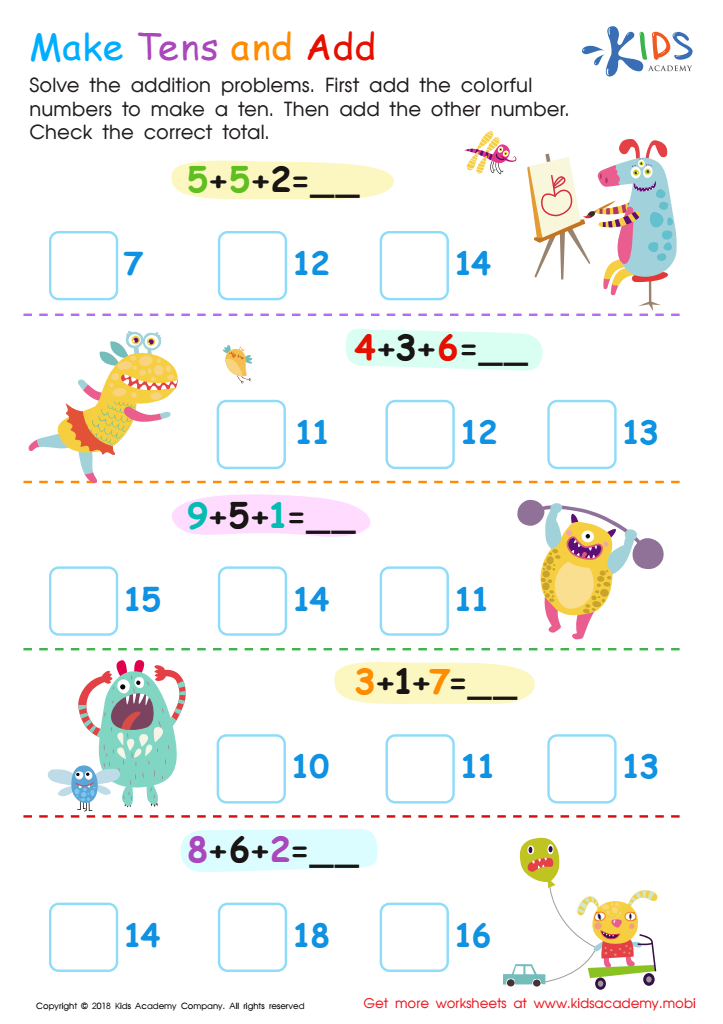
Make Tens and Add Worksheet
 Assign to My Students
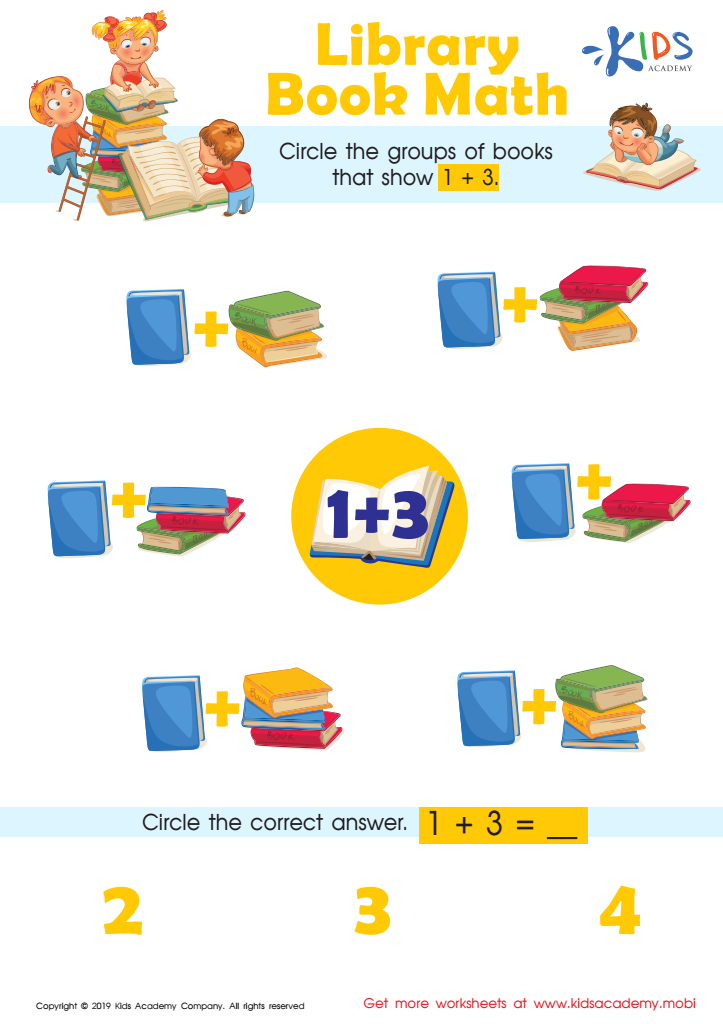
Library Book Math Worksheet
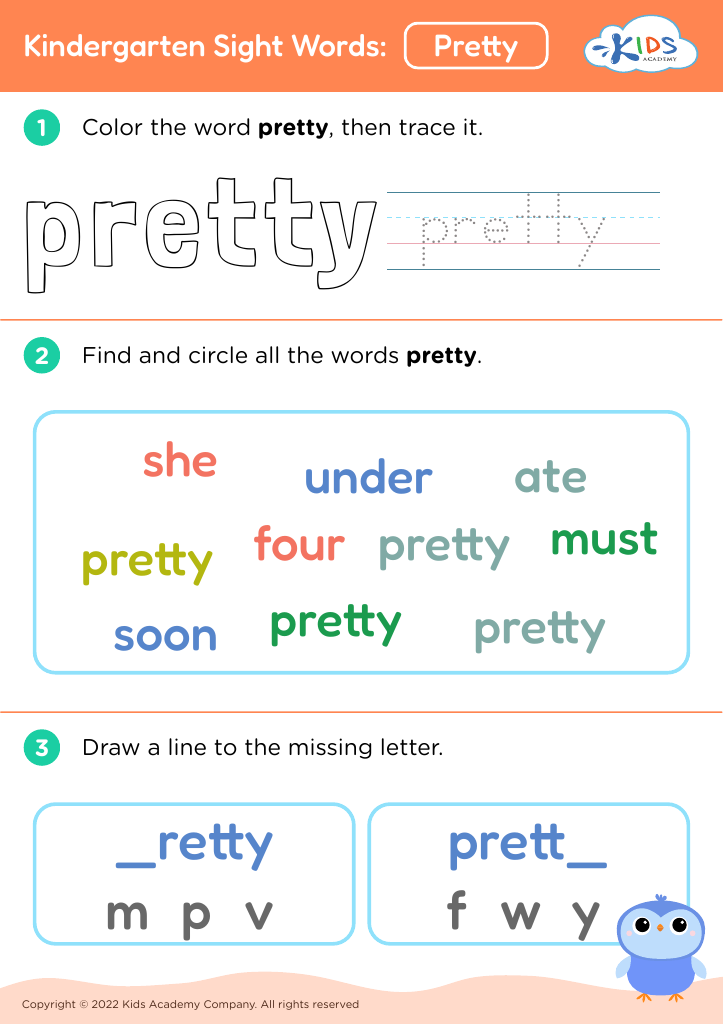







Practicing addition for 6-year-olds is a crucial educational milestone that sets the foundation for their future mathematical understanding. At this age, children's brains are highly receptive to new information, and mastering basic addition builds critical thinking skills, fostering a deeper comprehension of more complex mathematic concepts later. For parents and teachers, emphasizing addition isn't merely about learning numbers but developing cognitive abilities, such as logical reasoning and problem-solving, which are applicable across various aspects of life and different subjects.
Moreover, addition helps enhance a child's confidence in their academic abilities. Early success in math can engender a positive attitude toward learning and cut down on "math anxiety," which can hinder children's progress in later years. Interactive and engaging addition activities can also promote fine motor skills, such as writing numbers correctly, and strengthen memory through repetition and practice.
Importantly, a foundational grasp of addition encourages independent learning and fosters perseverance, as children experience the satisfaction of solving problems through determination and effort. This blend of tangible skills boosts their overall academic achievement and helps children appreciate the value of hard work and practice, which are critical life lessons. Thus, prioritizing addition practice ensures that children have the tools they need to succeed academically and beyond.








