Recognize shapes Worksheets for 6-Year-Olds
3 filtered results
-
From - To
Welcome to our engaging "Recognize Shapes Worksheets for 6-Year-Olds!" Designed to enhance your child's understanding of geometric shapes, these printable worksheets provide both fun and educational experiences. Through colorful activities, kids will identify, match, and draw shapes like circles, squares, and triangles, fostering essential skills in visualization and spatial awareness. Each worksheet is tailored to accommodate young learners, encouraging their creativity while strengthening critical thinking. Perfect for school or home practice, our resources aim to make learning shapes enjoyable and interactive. Explore our collection today and watch your child master shape recognition in no time!
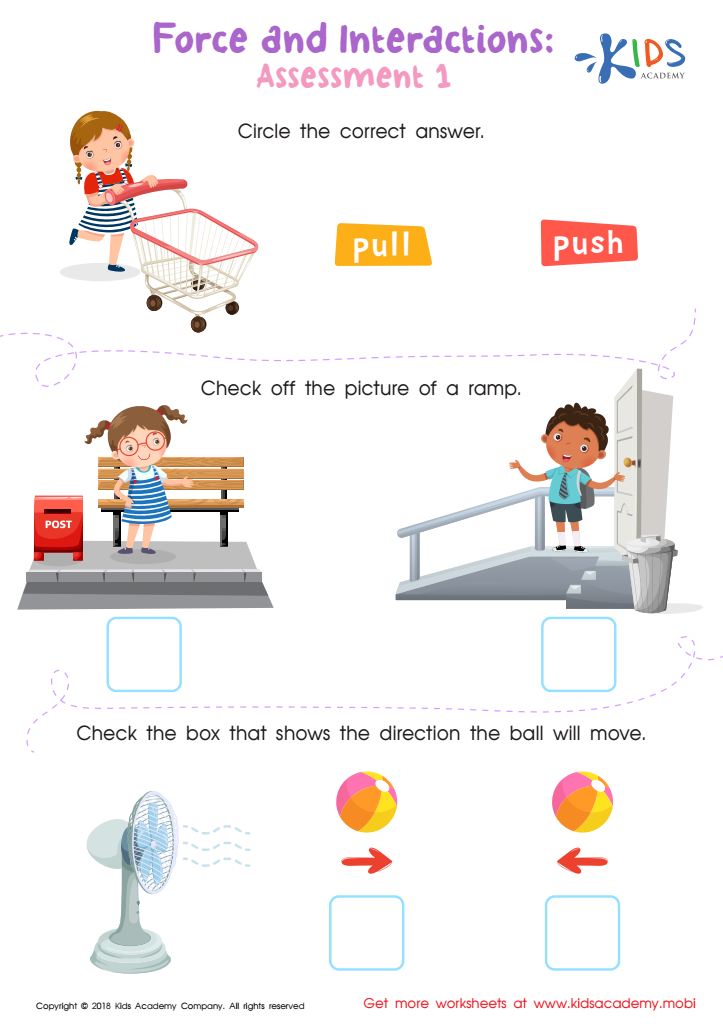
Force and Interactions: Assessment 1 Worksheet
 Assign to My Students
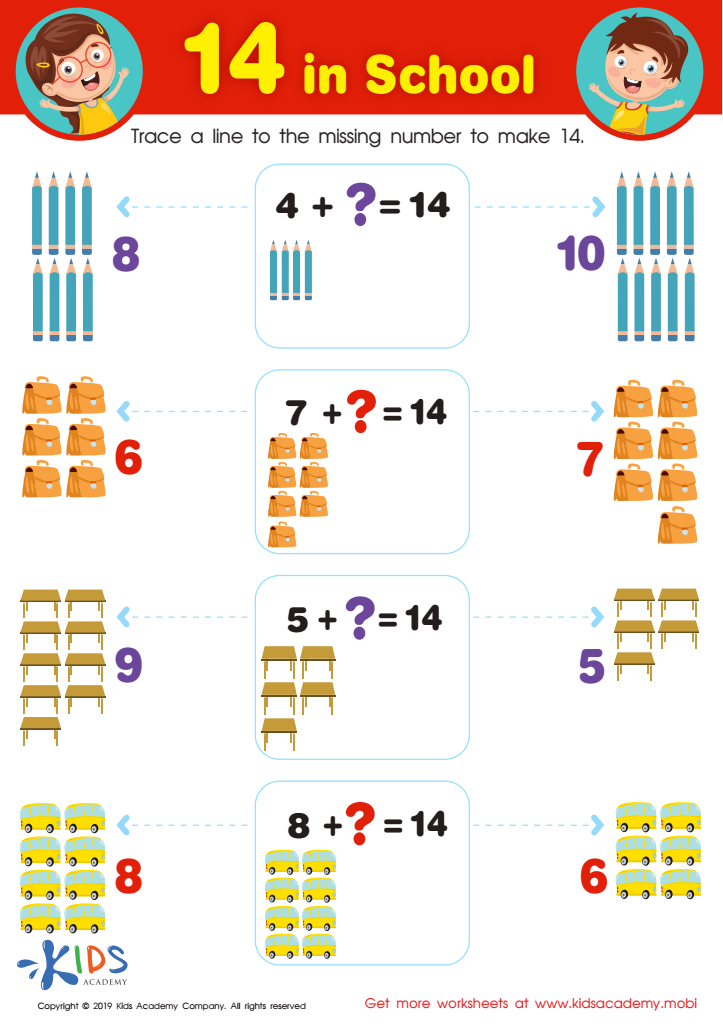
14 in School Worksheet
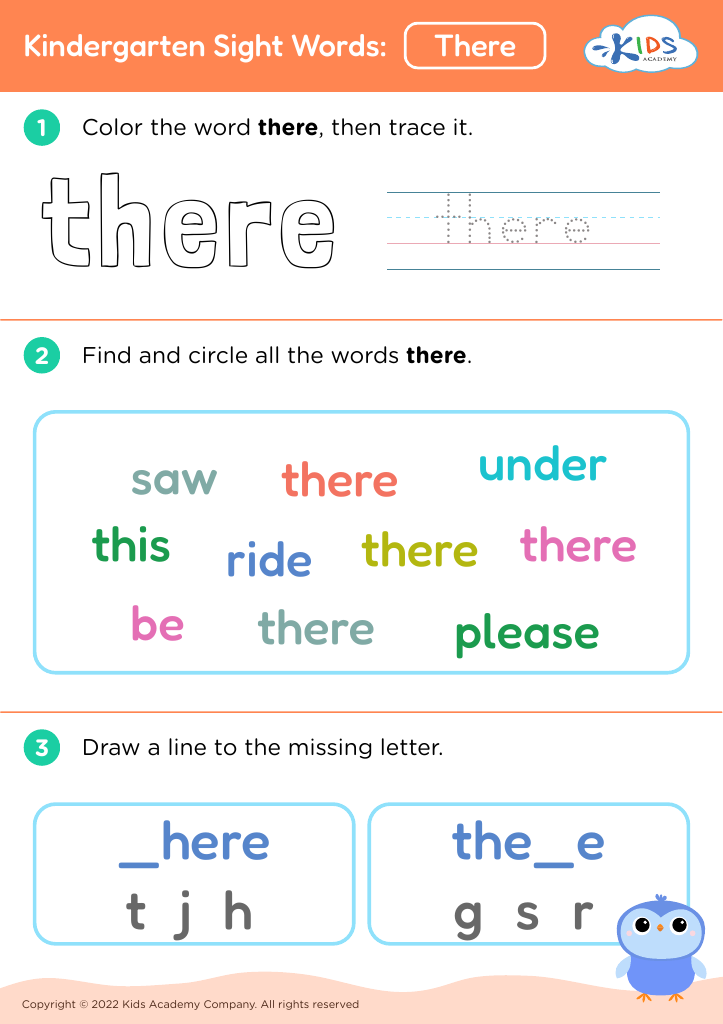






Recognizing shapes is a crucial foundational skill for 6-year-olds, impacting their cognitive development and everyday experiences. Understanding shapes helps young learners build spatial awareness, which is essential for navigating their environment and performing tasks like drawing or playing. This skill fosters critical thinking, as children learn to identify and categorize objects based on their properties, laying the groundwork for more advanced mathematical concepts such as geometry.
Additionally, shape recognition enhances fine motor skills when children engage in activities like cutting out shapes, drawing, or constructing with blocks. These activities promote hand-eye coordination and dexterity, all vital for their overall development.
Moreover, recognizing shapes is essential in developing language and vocabulary. Children expand their communication skills as they learn to describe shapes and their characteristics. This understanding supports literacy by connecting their verbal skills with visual representation.
For parents and teachers, fostering shape recognition is vital not only for academic readiness but also for enhancing a child's confidence and problem-solving abilities. Engaging children in hands-on activities—such as sorting objects or creating art projects—can make learning fun and interactive, ensuring that these foundational skills are ingrained in their early education.








