Sound Association Worksheets for 6-Year-Olds
22 filtered results
-
From - To
Discover our engaging Sound Association Worksheets designed specifically for 6-year-olds! These fun and interactive resources help young learners develop essential phonetic skills by connecting sounds with corresponding images and words. Perfect for reinforcing early reading and vocabulary comprehension, our worksheets make learning enjoyable through colorful illustrations and playful activities. Each page encourages children to identify, match, and associate sounds with their visual representations, fostering auditory discrimination and cognitive development. Ideal for both classroom settings and at-home learning, these worksheets empower children to build a strong foundation in literacy. Start your child’s journey to confident reading today with our captivating sound association activities!
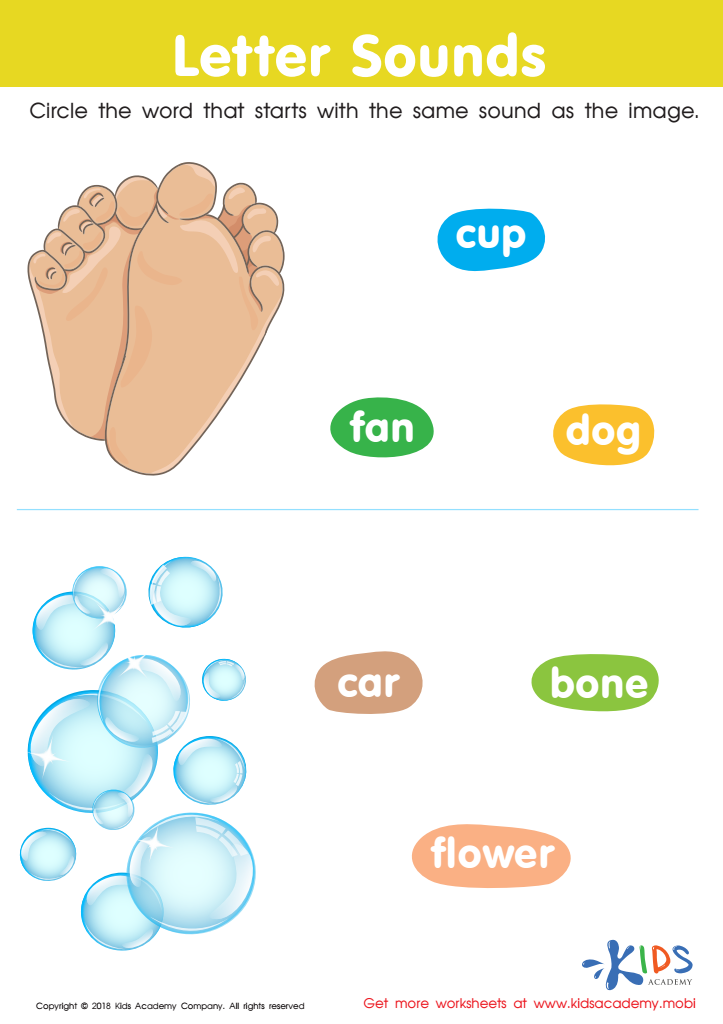
letter sounds Worksheet
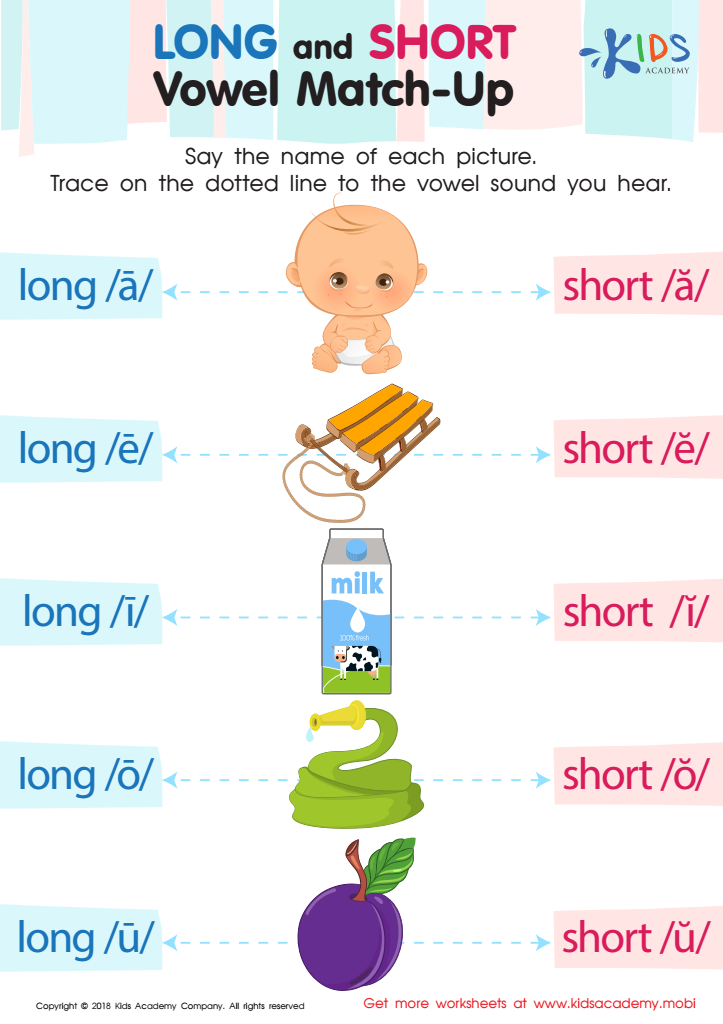
Long and Short Vowel Match up Reading Worksheet
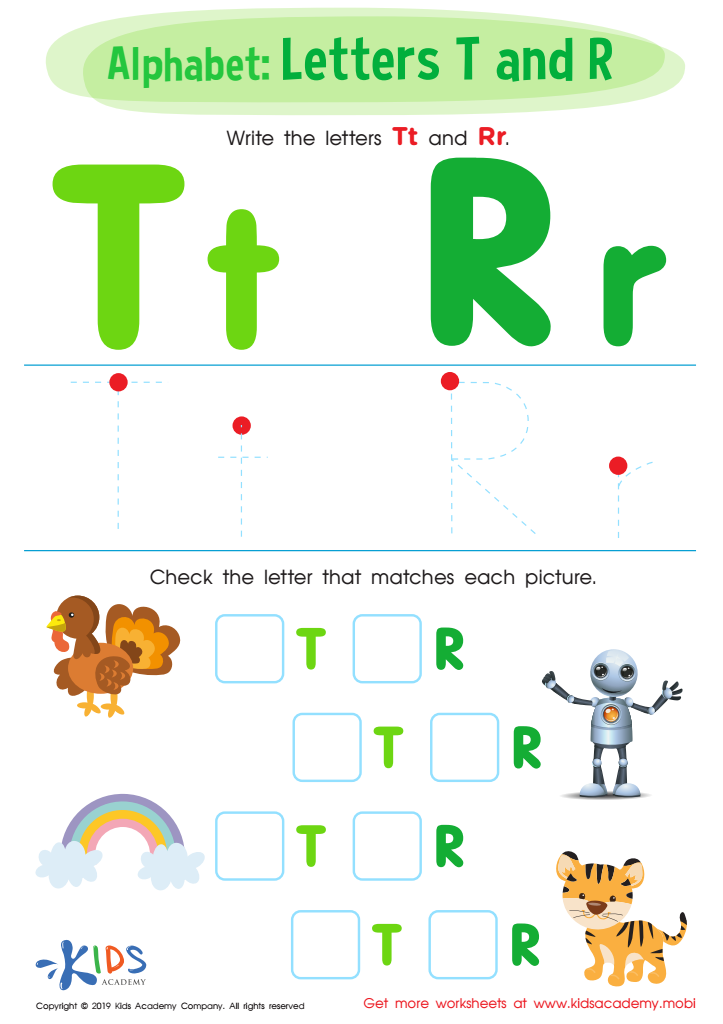
Letters T and R Worksheet
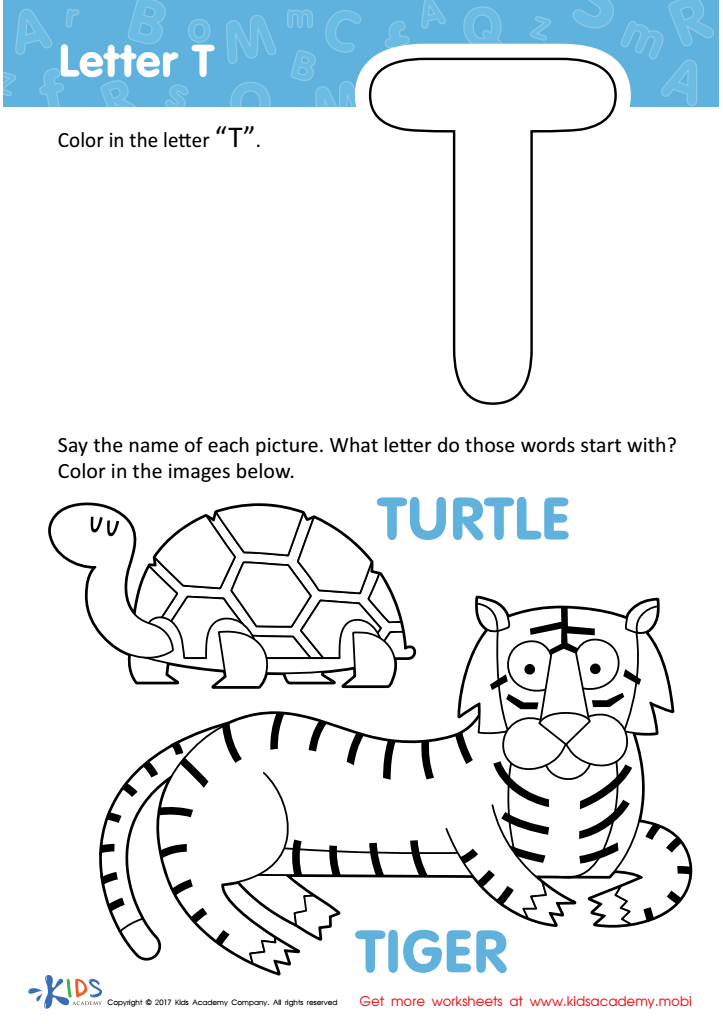
Letter T Coloring Sheet
 Assign to My Students
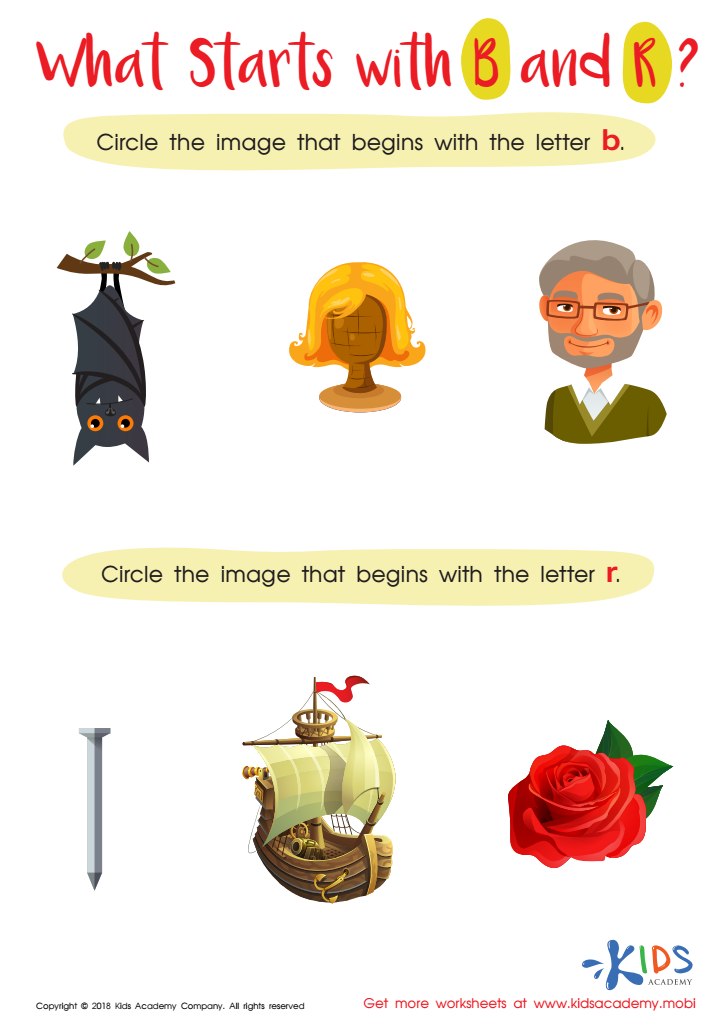
What Starts with B and R? Worksheet
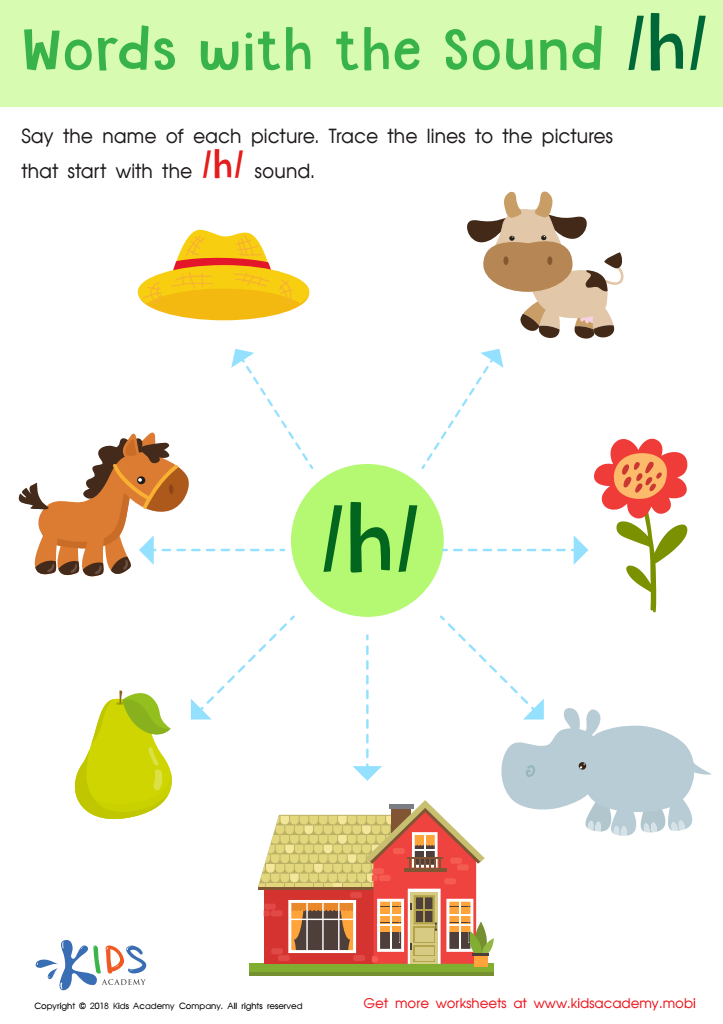
Words with sound h Reading Worksheet
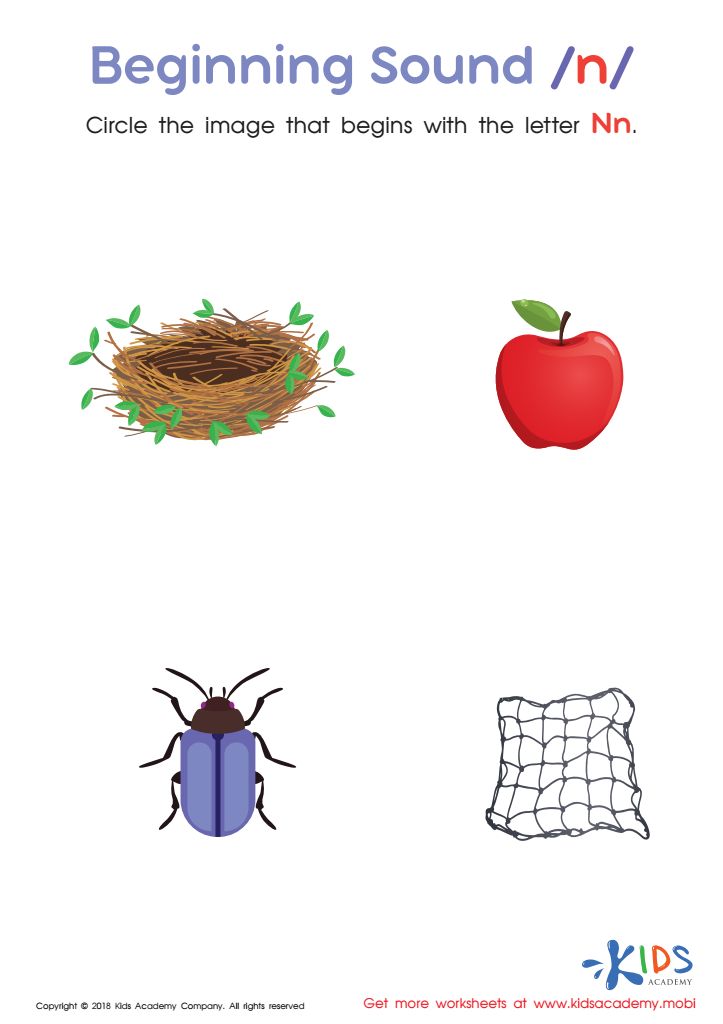
Beginning Sound «n» Worksheet
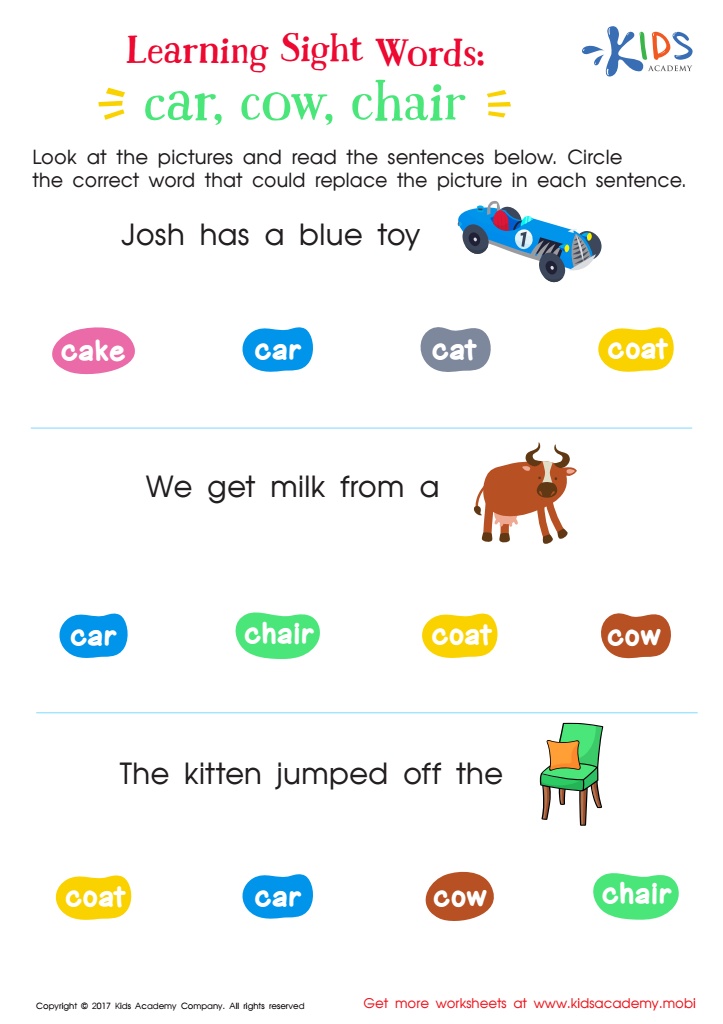
Car, Cow, Chair Worksheet Sight Words Worksheet
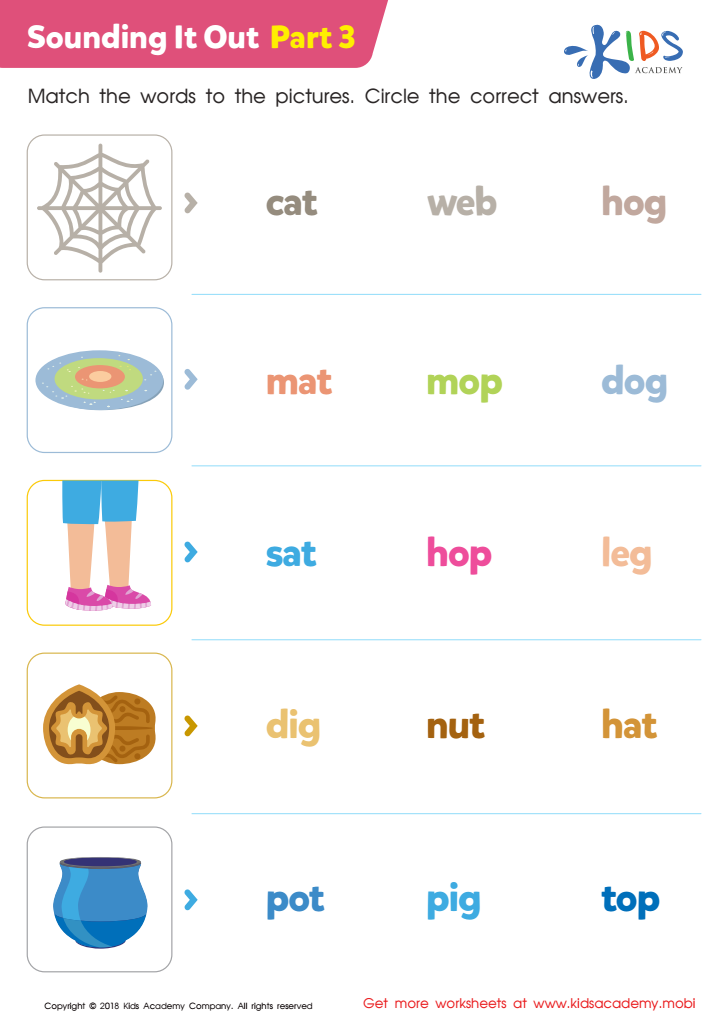
Sounding it Out: Part 3 Worksheet
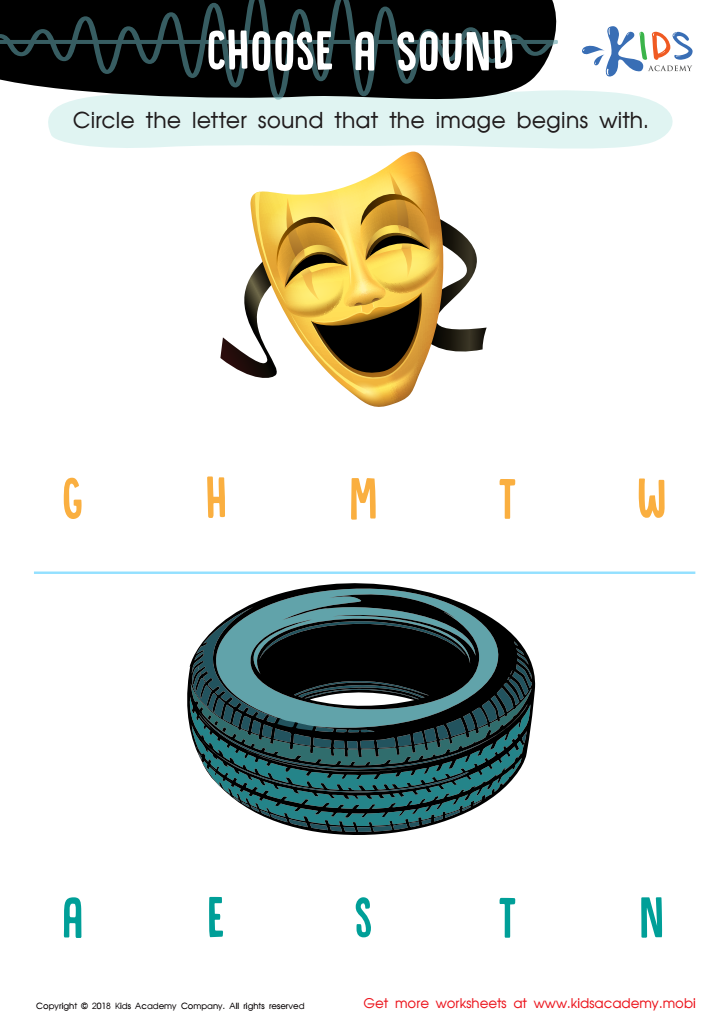
Choose a Sound Worksheet
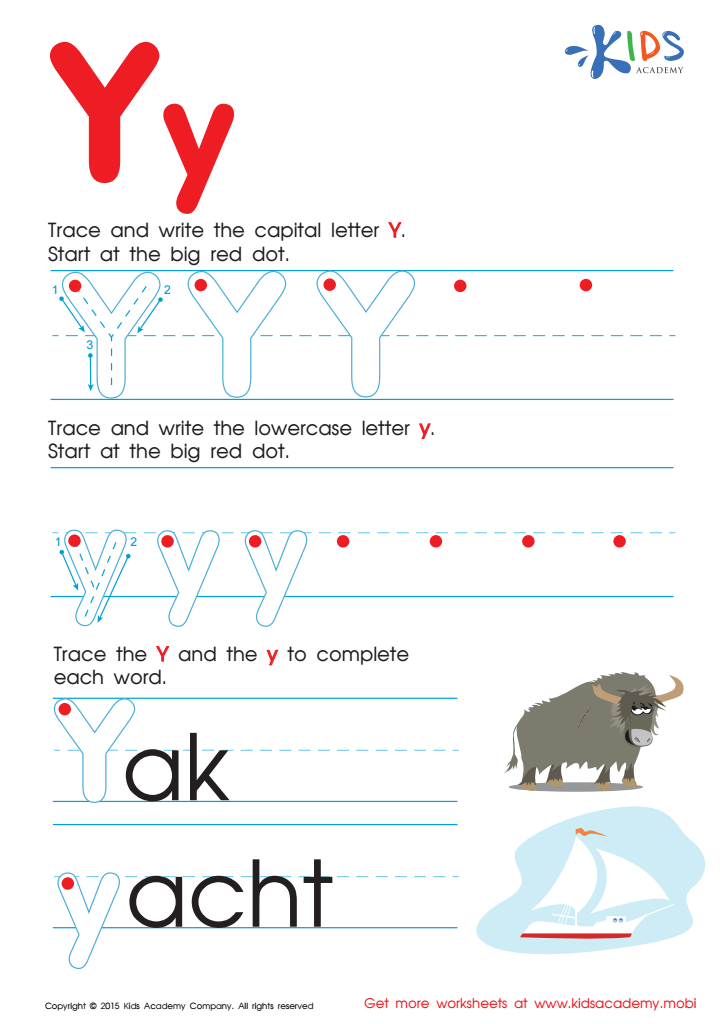
Letter Y Tracing Page
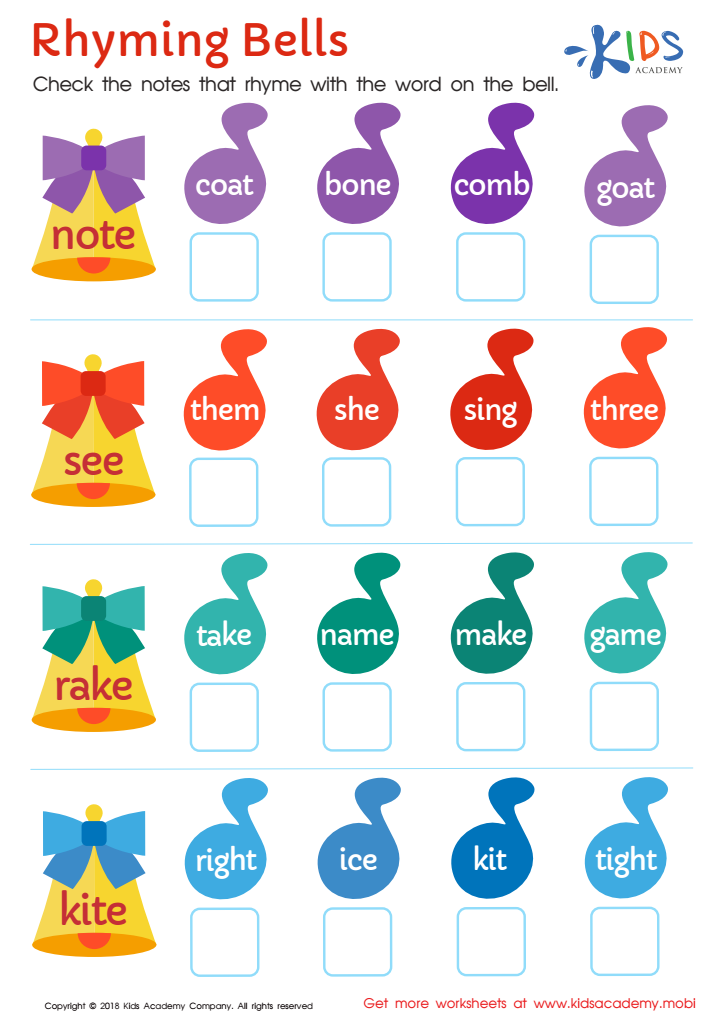
Rhyming Bells Worksheet
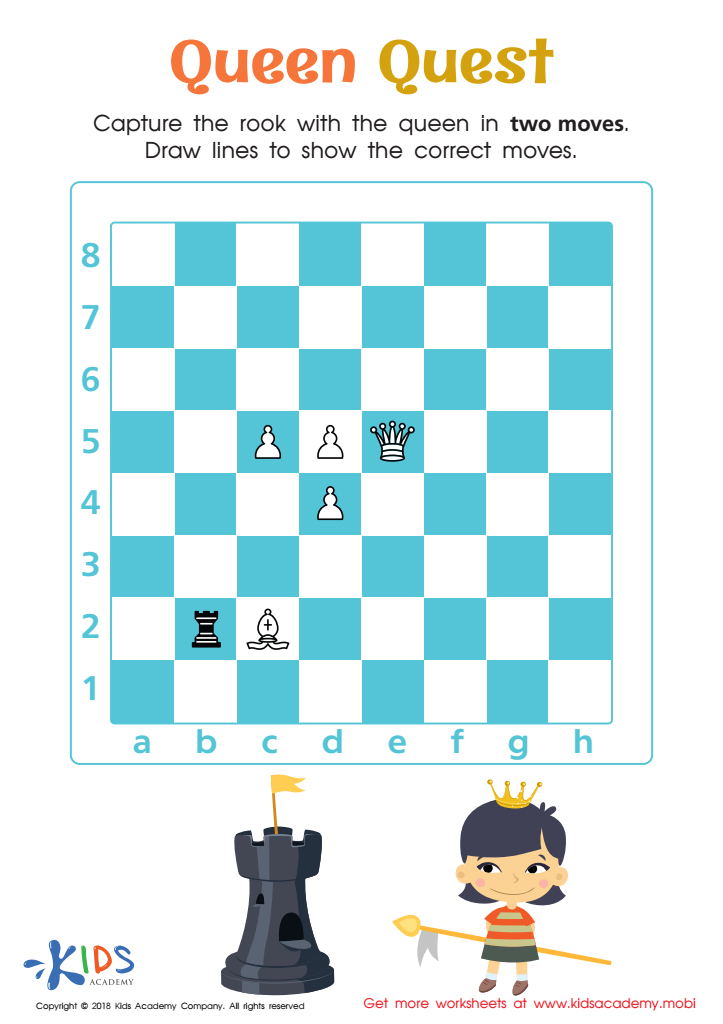
Queen Quest Worksheet
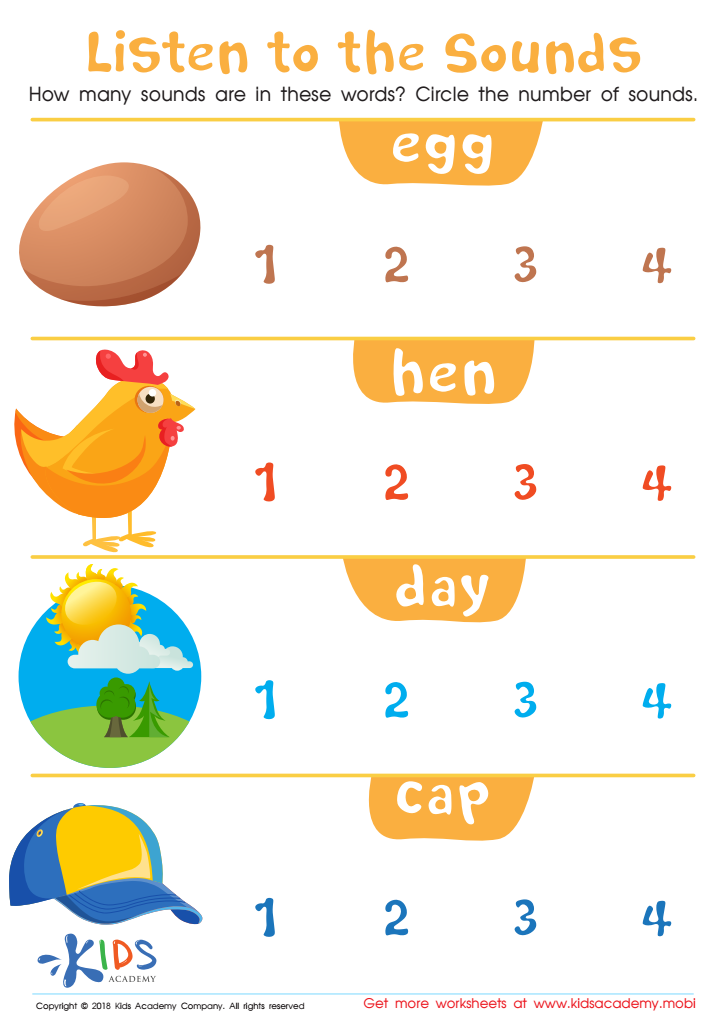
Listen to the Sounds Worksheet
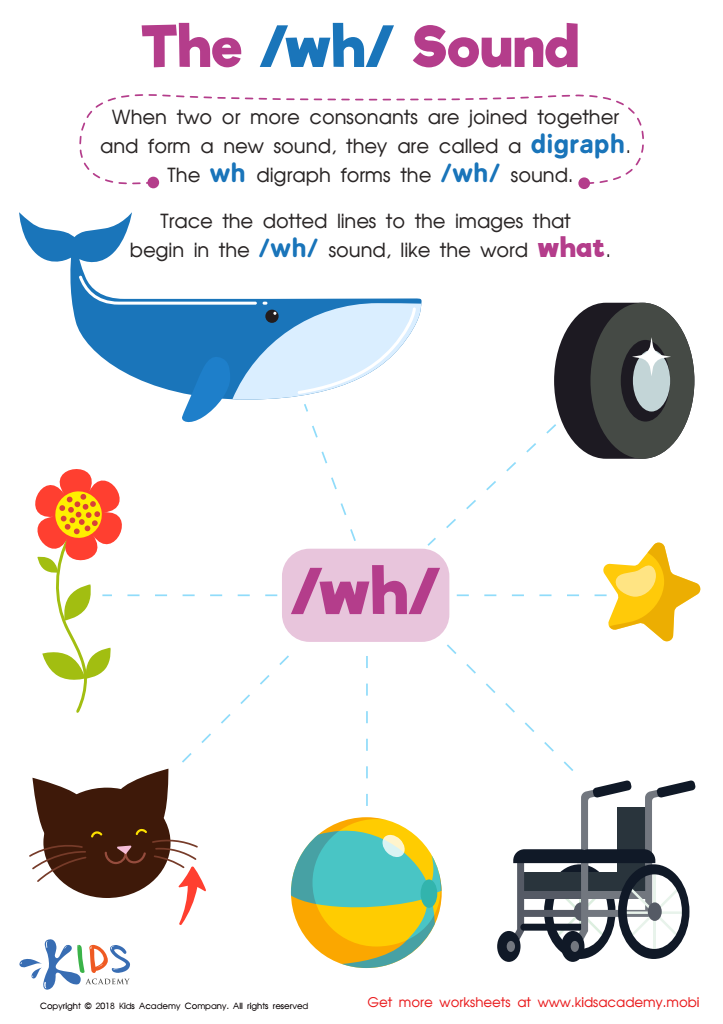
The /wh/ Sound Worksheet
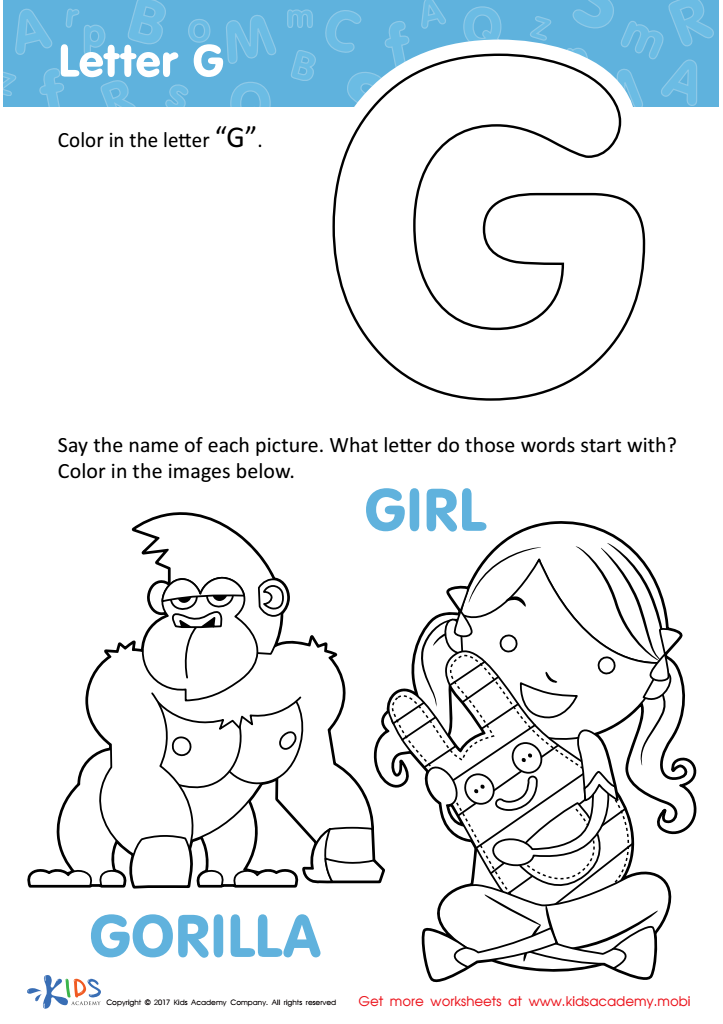
Letter G Coloring Sheet
Assign to My Students
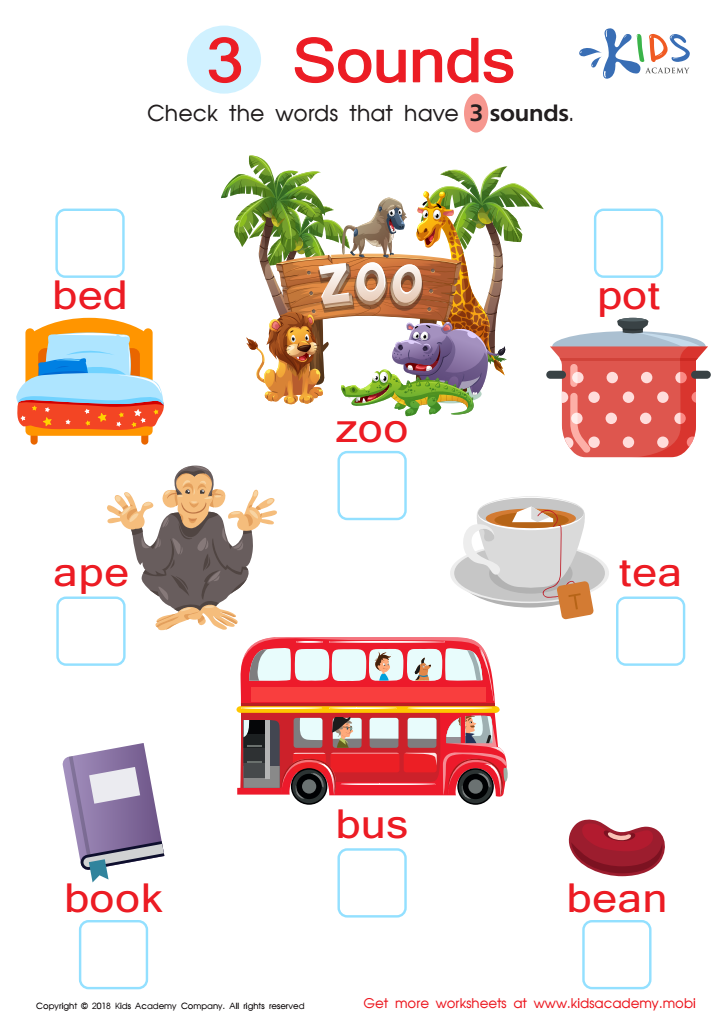
3 Sounds Worksheet
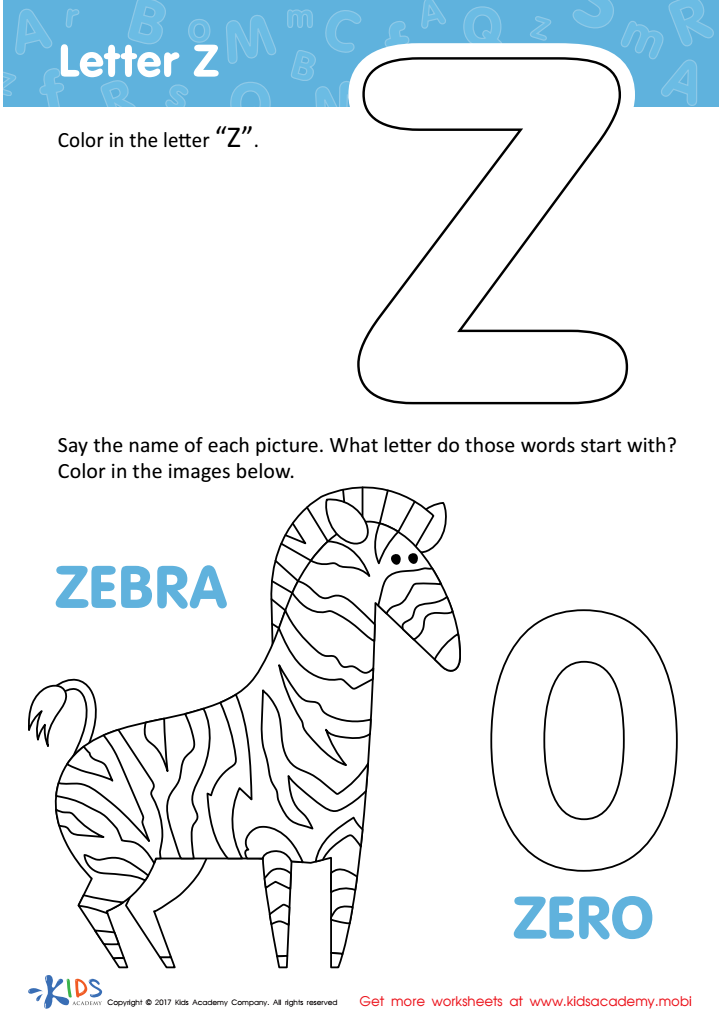
Letter Z Coloring Sheet
Assign to My Students
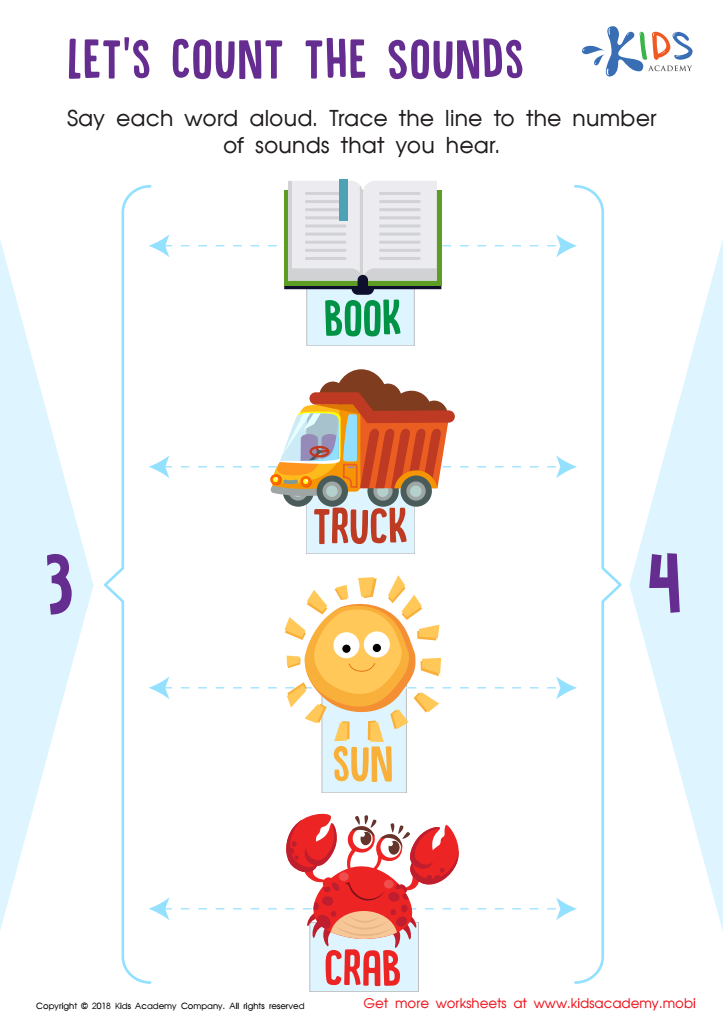
Let's Count the Sounds Worksheet
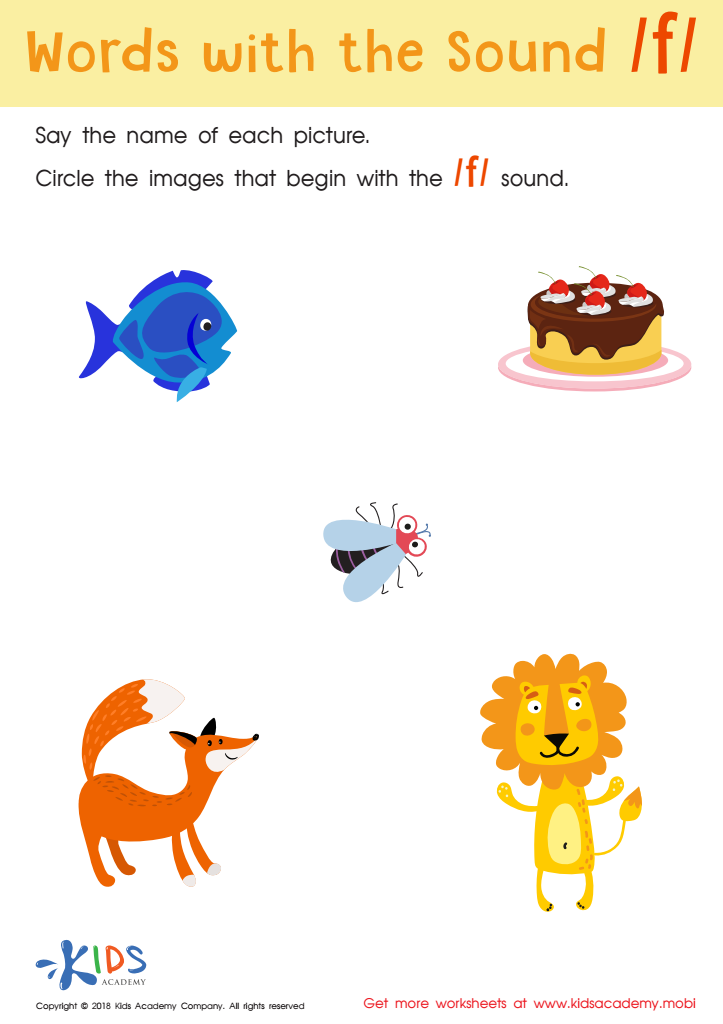
Words with sound f Reading Worksheet
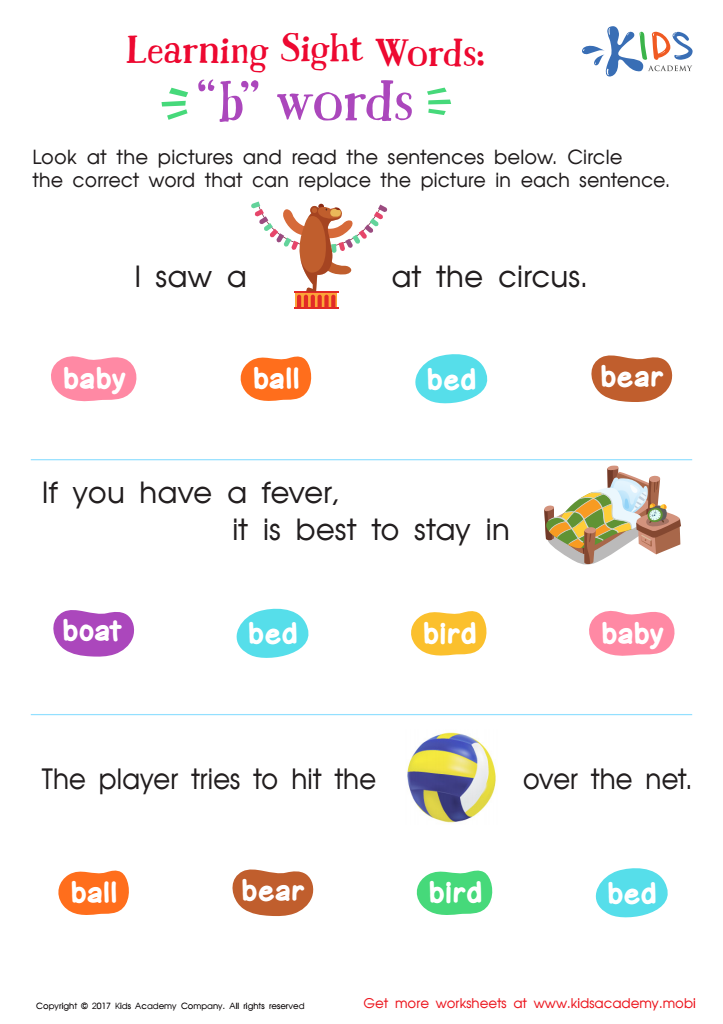
"B" Words Printable Sight Words Worksheet
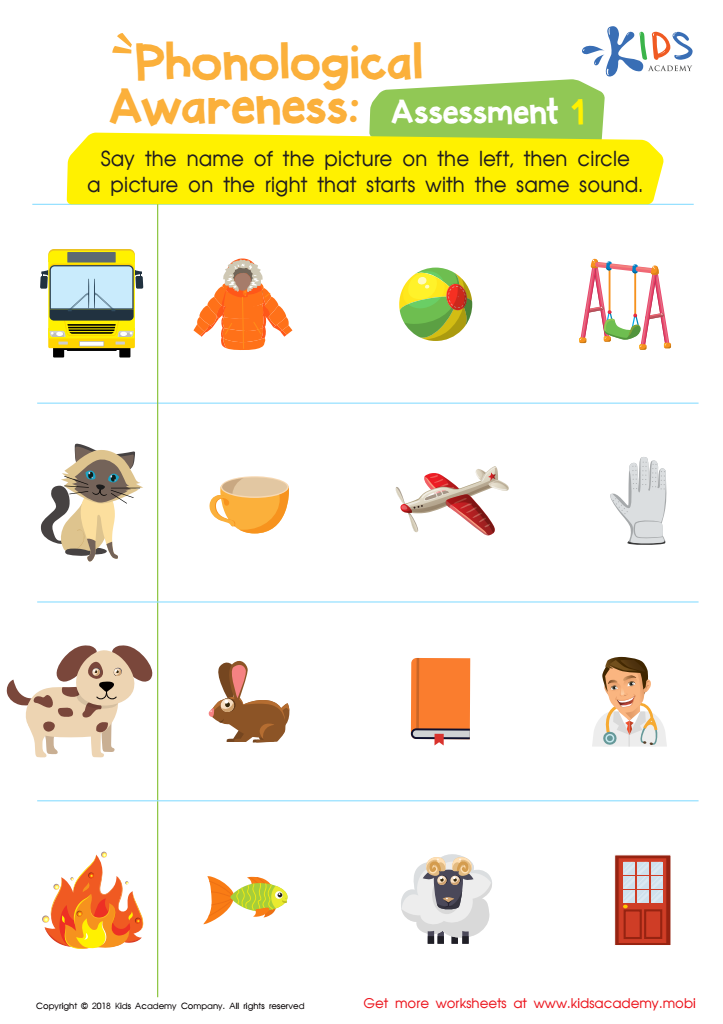
Phonological Awareness: Assessment 1 Worksheet







Sound association is a vital component of early literacy development, especially for 6-year-olds who are beginning to read independently. At this age, children are developing the ability to link sounds to letters and words, an essential skill for fluent reading and spelling. Parents and teachers should care about sound association because it lays the foundation for reading comprehension and language development.
When children can associate sounds with letters, they become more confident readers. This skill also enhances their ability to decode unfamiliar words, fostering a love for reading and exploration of various texts. Additionally, strong sound association skills support better spelling, as children can phonetically break down words.
Fostering sound association also aids in listening skills, critical for following directions and engaging in conversations. Activities that focus on this skill, like rhyming games or phonics exercises, can be fun and reinforce learning through play.
Moreover, these early efforts can prevent future reading difficulties and promote academic success. When parents and teachers prioritize sound association, they empower children with the tools they need for literacy, setting them on a path to lifelong learning and a greater appreciation for language. Ultimately, nurturing this skill boosts overall confidence and academic performance.








