Visual perception Worksheets for 6-Year-Olds - Page 2
41 filtered results
-
From - To
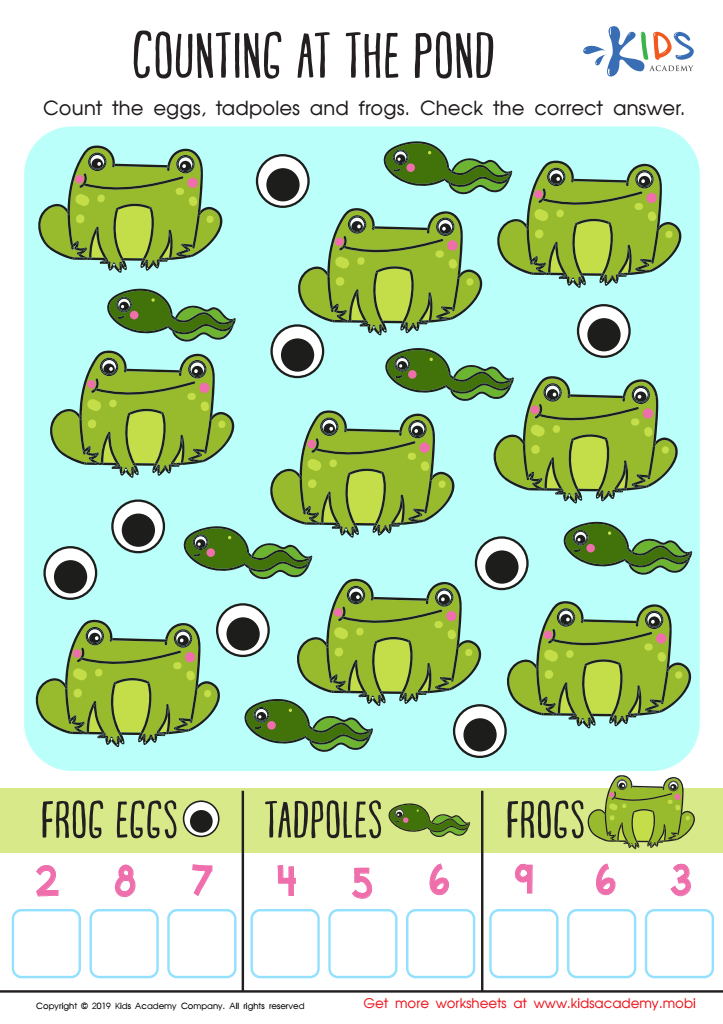
Counting at the Pond Worksheet
 Assign to My Students
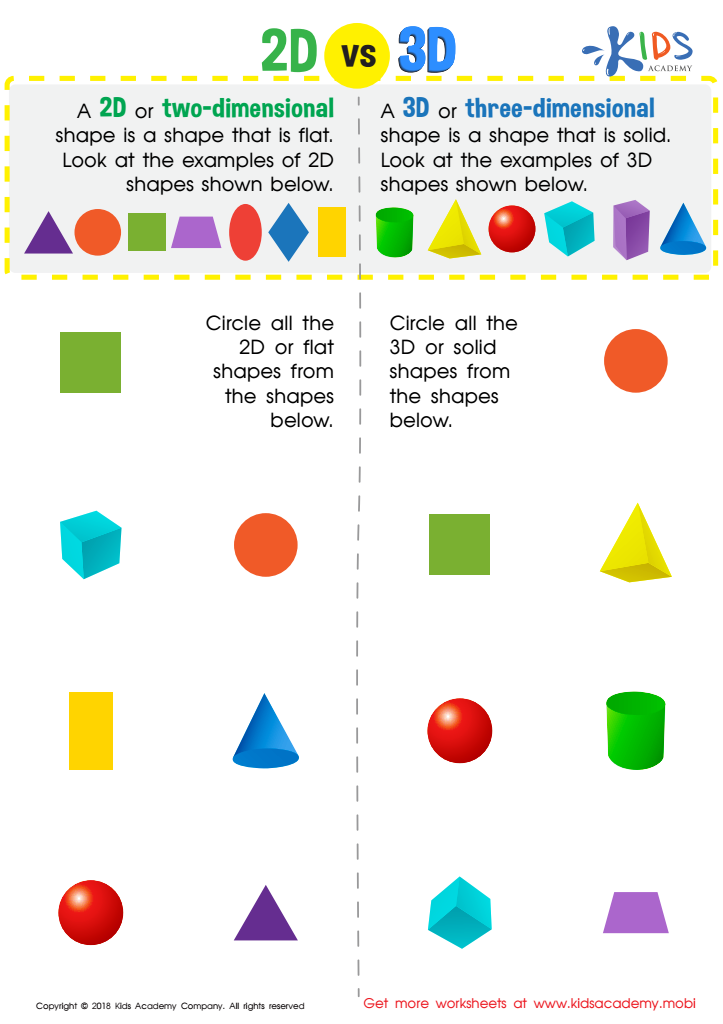
2D vs 3D Shapes Worksheet
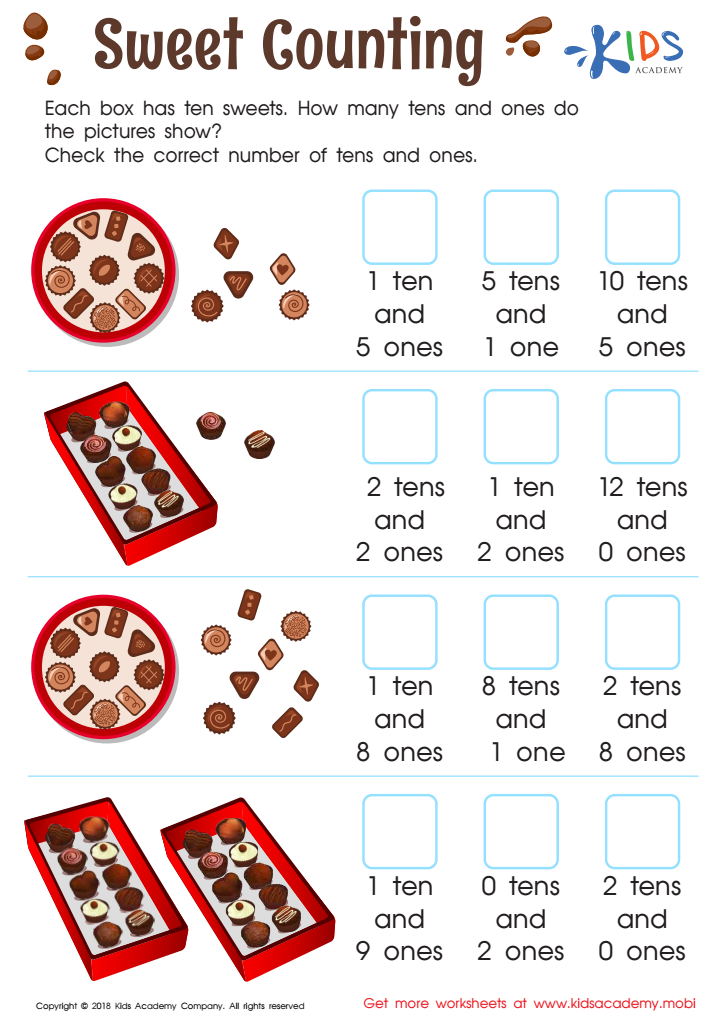
Sweet Counting - Part 2 Worksheet
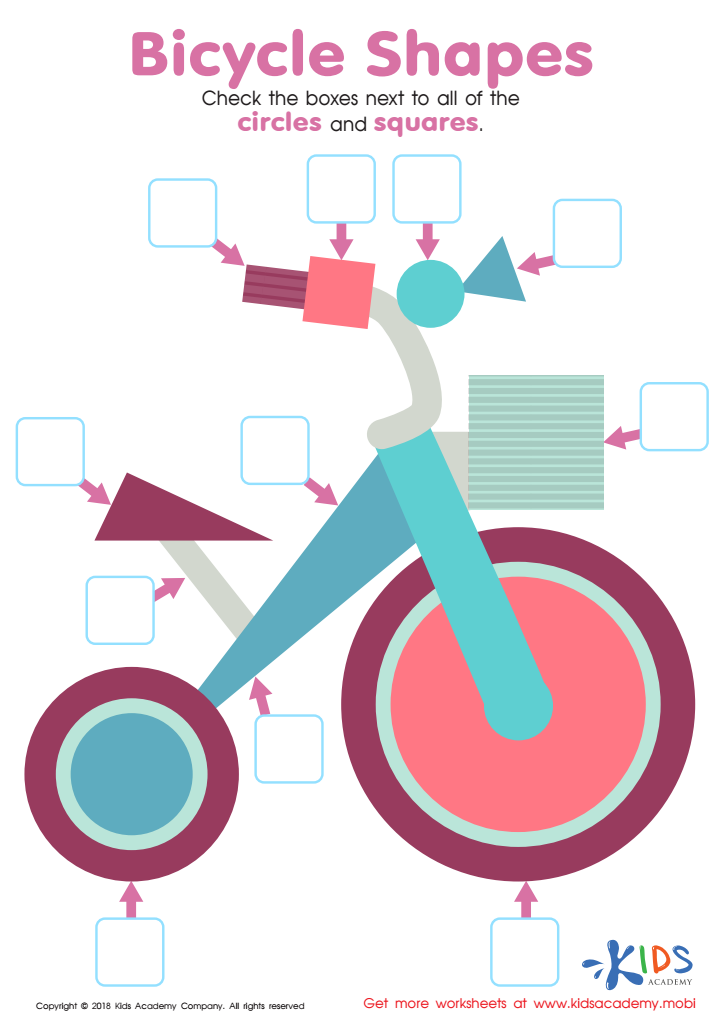
Bicycle Shapes Worksheet
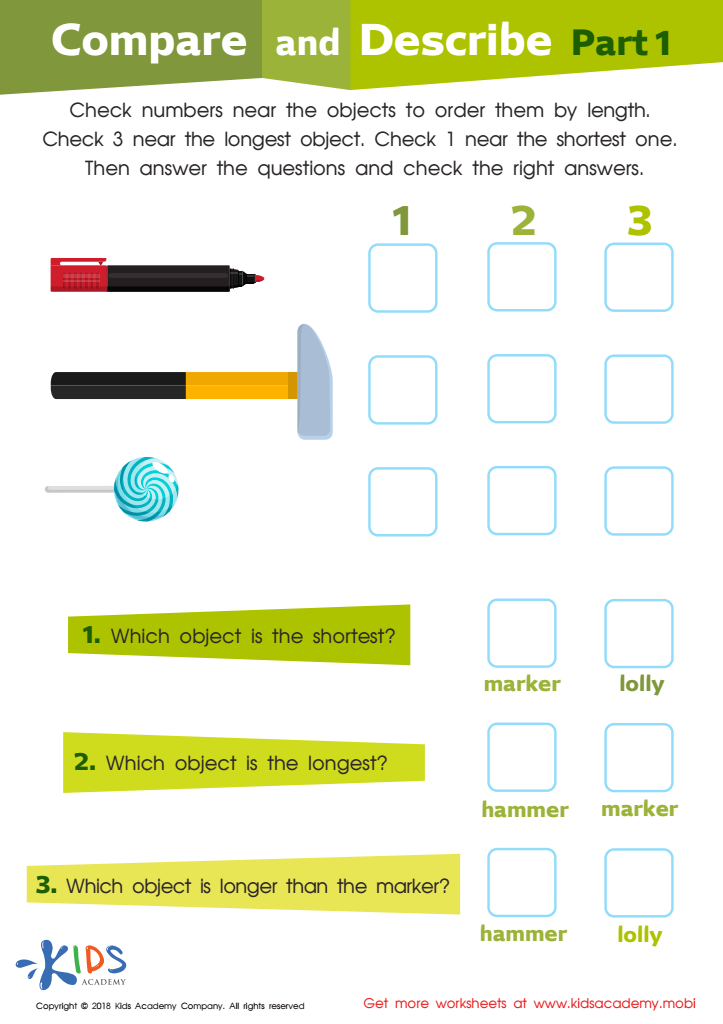
Compare and Describe: Part 1 Worksheet
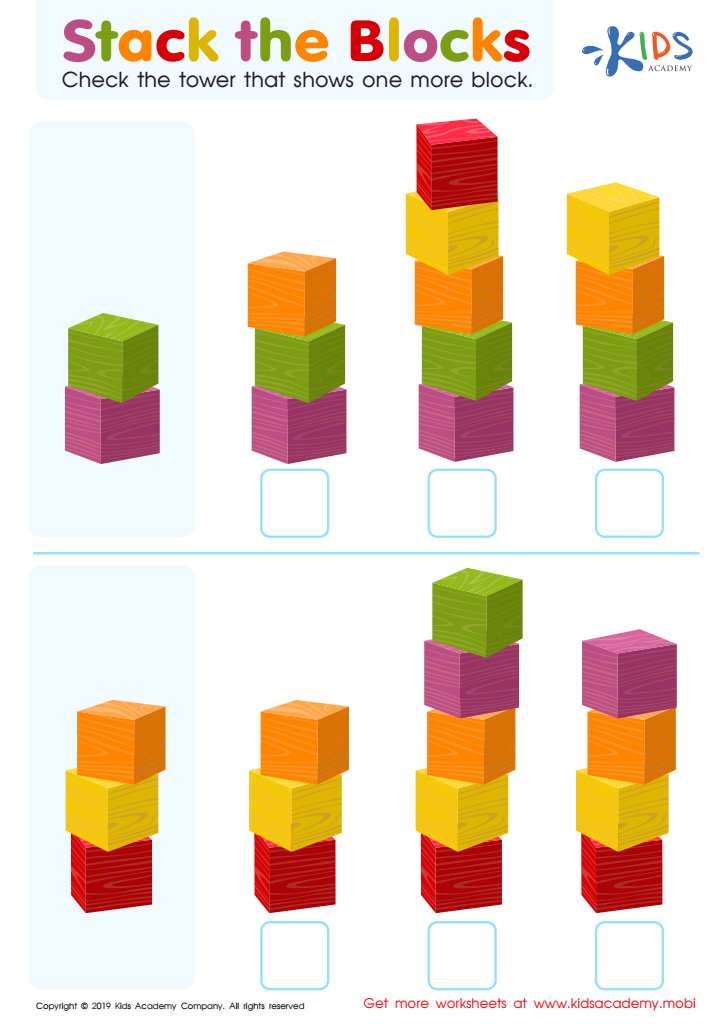
Stack the Blocks Worksheet
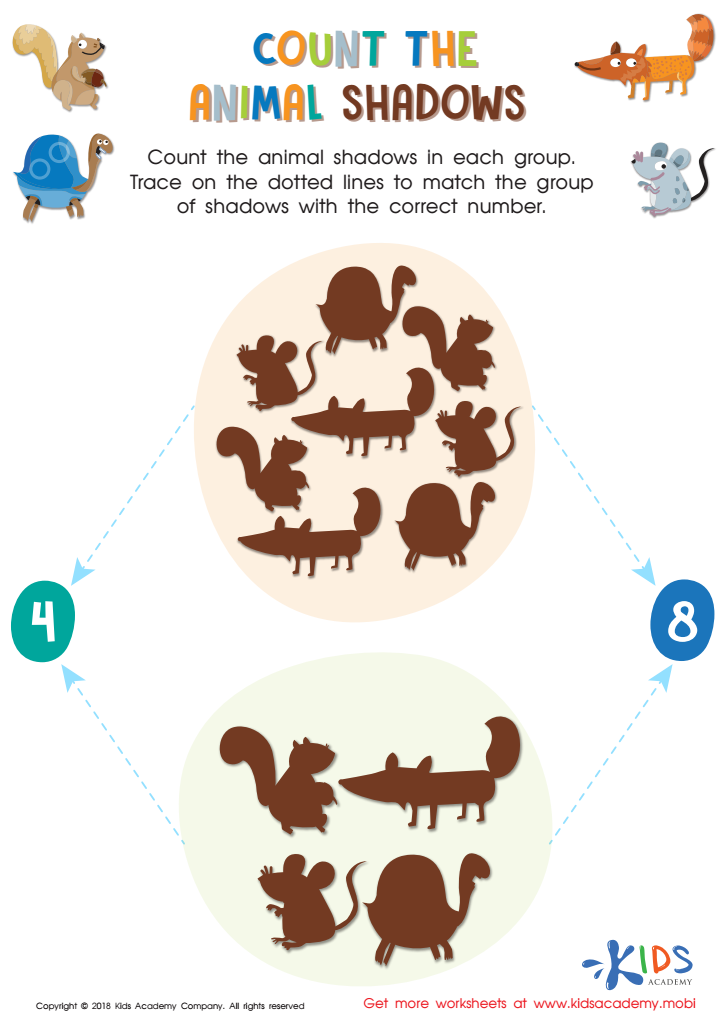
Count the Animal Shadows Worksheet
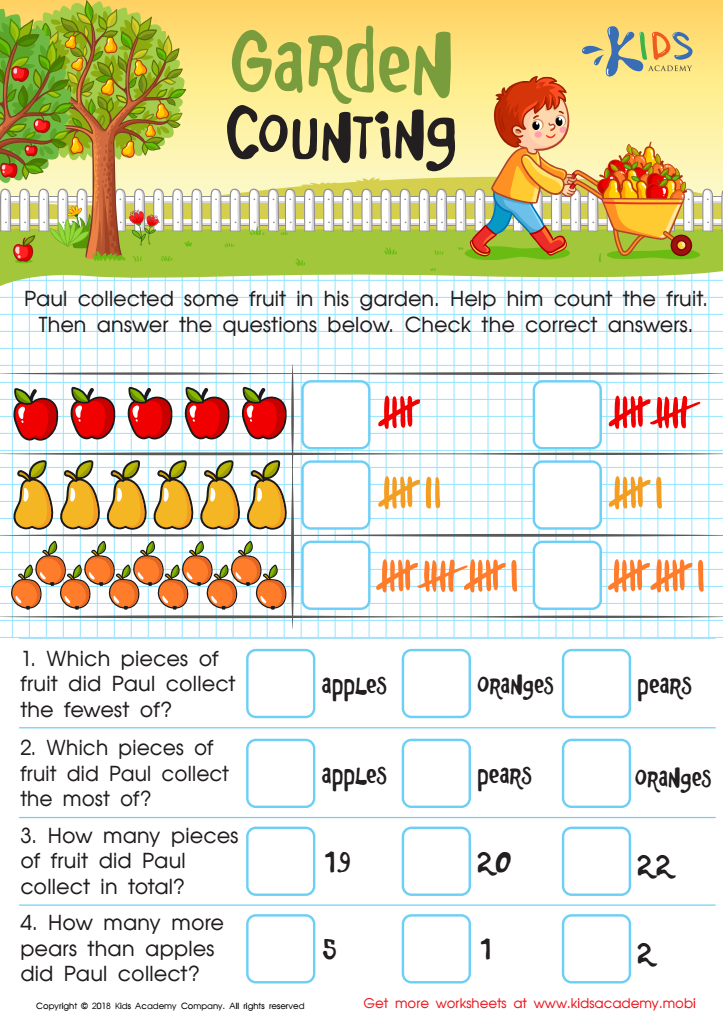
Garden Counting Worksheet
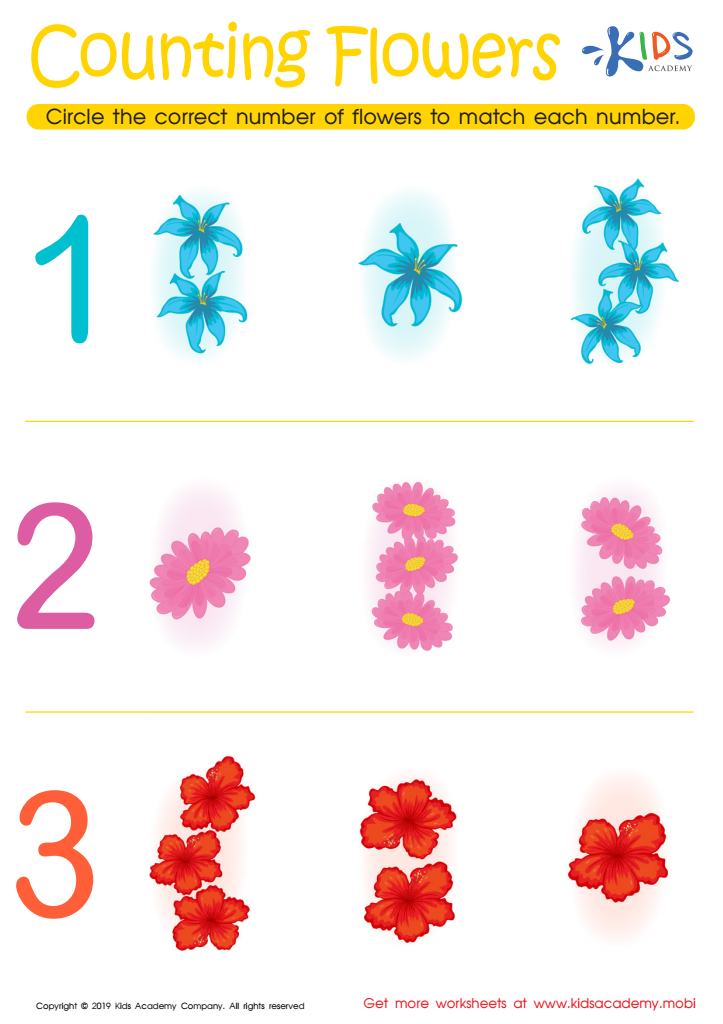
Counting Flowers Worksheet
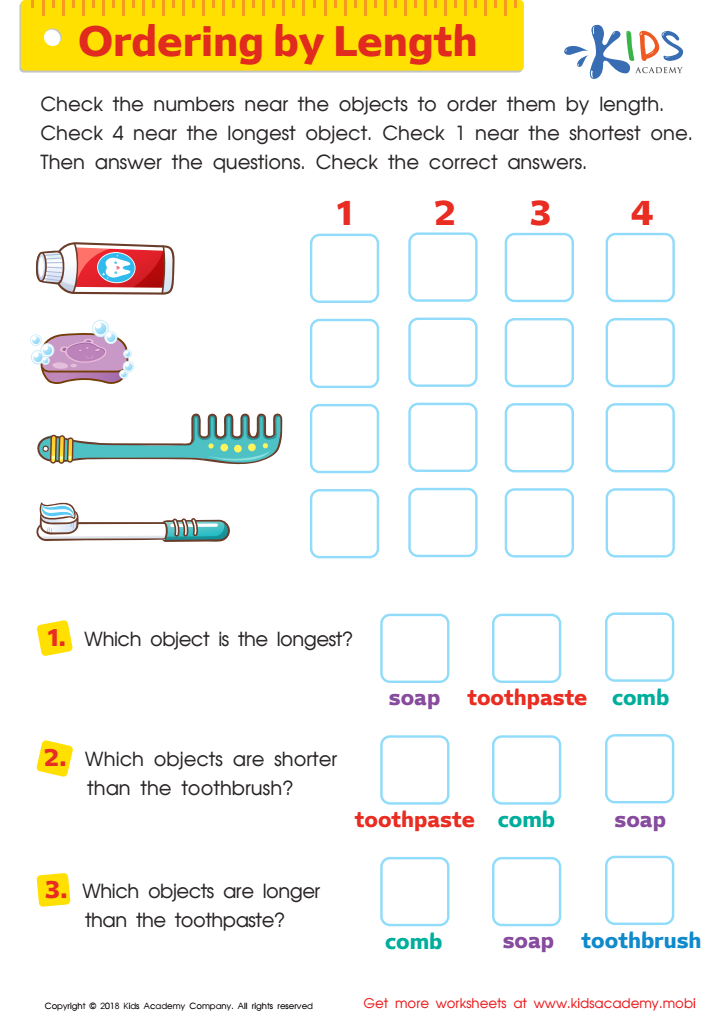
Ordering by Length Worksheet
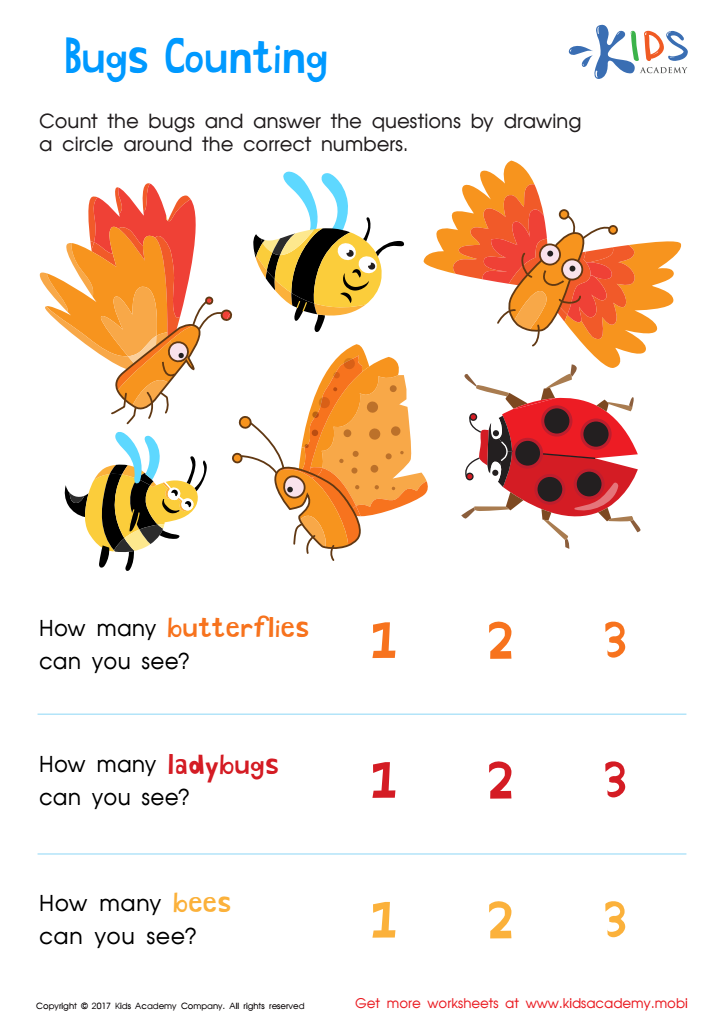
Bugs Counting Worksheet
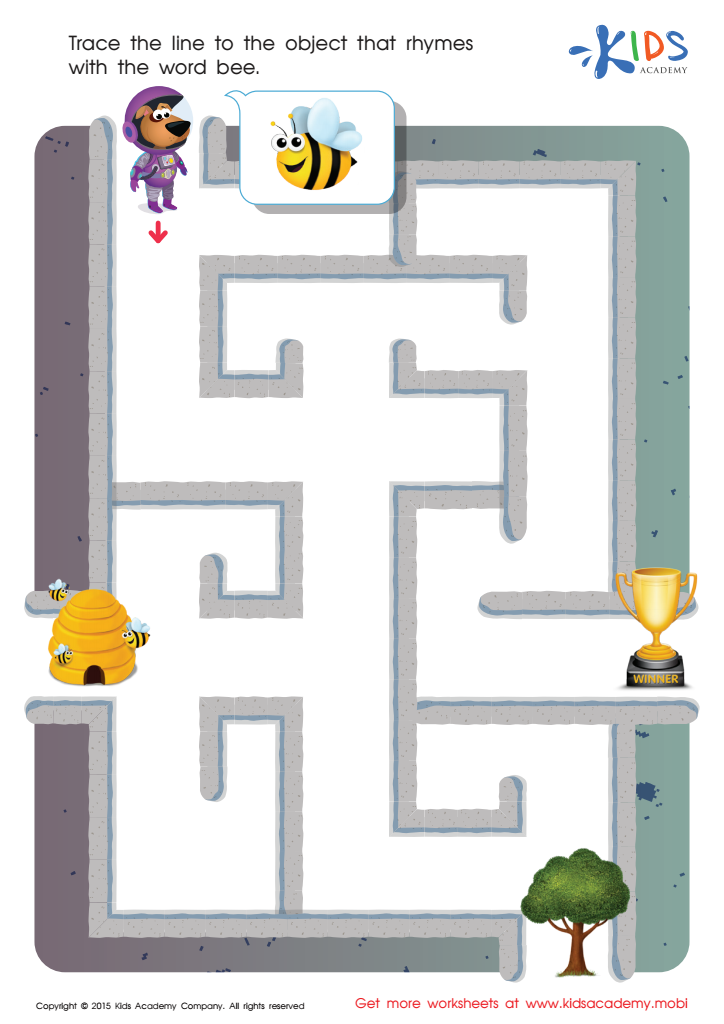
Bee Rhyming Words Worksheet
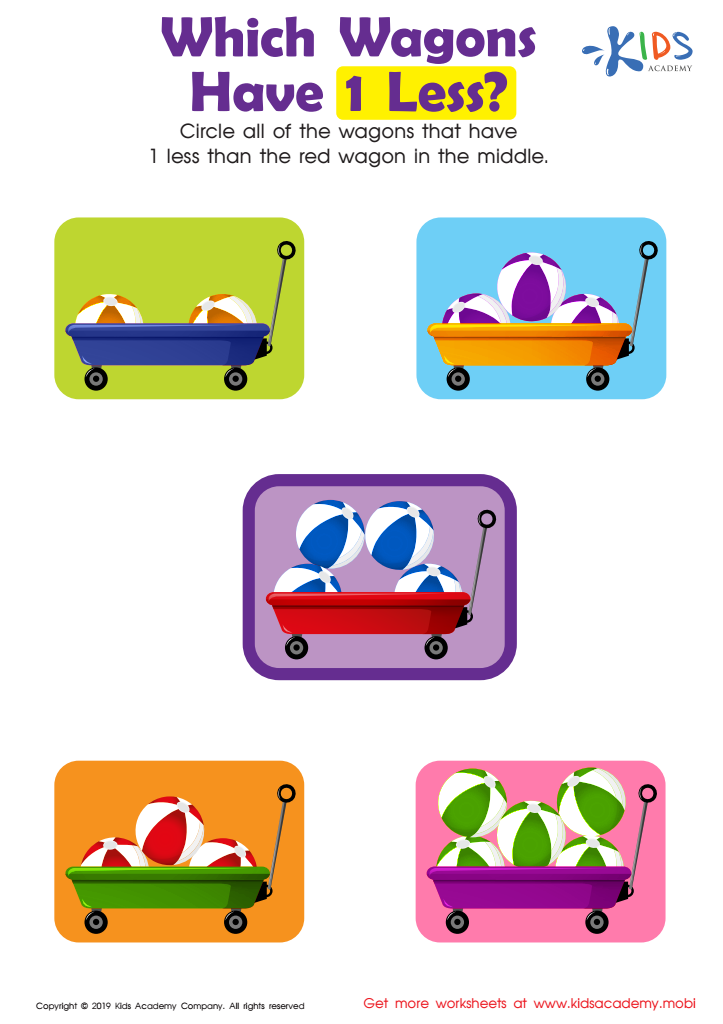
Which Wagons Have 1 Less? Worksheet
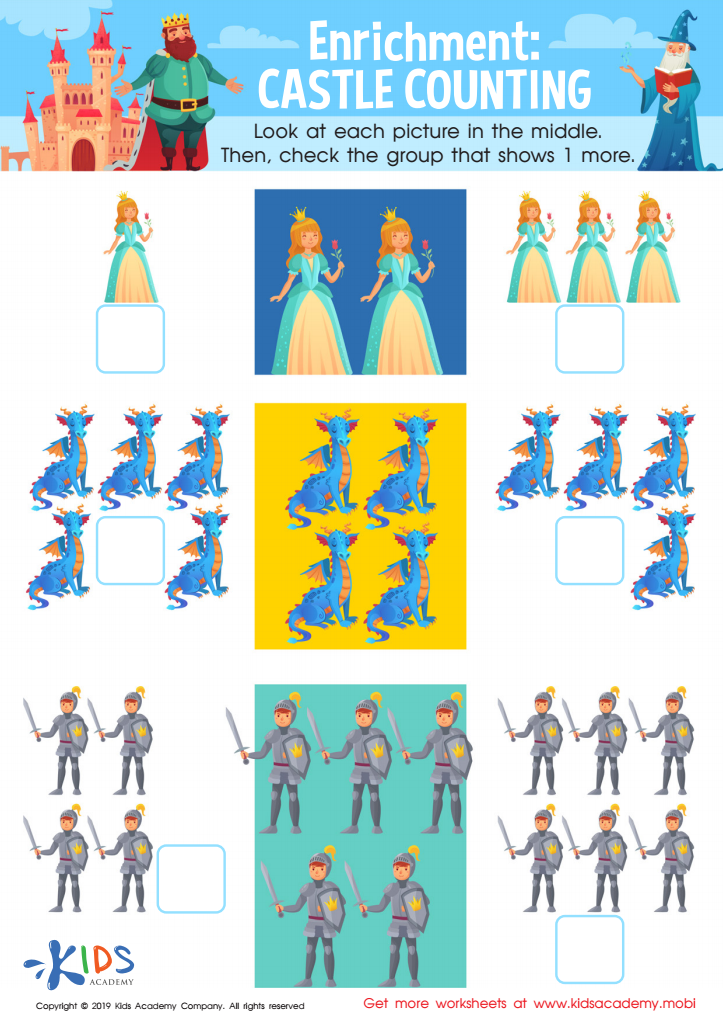
Enrichment: Castle Counting Worksheet
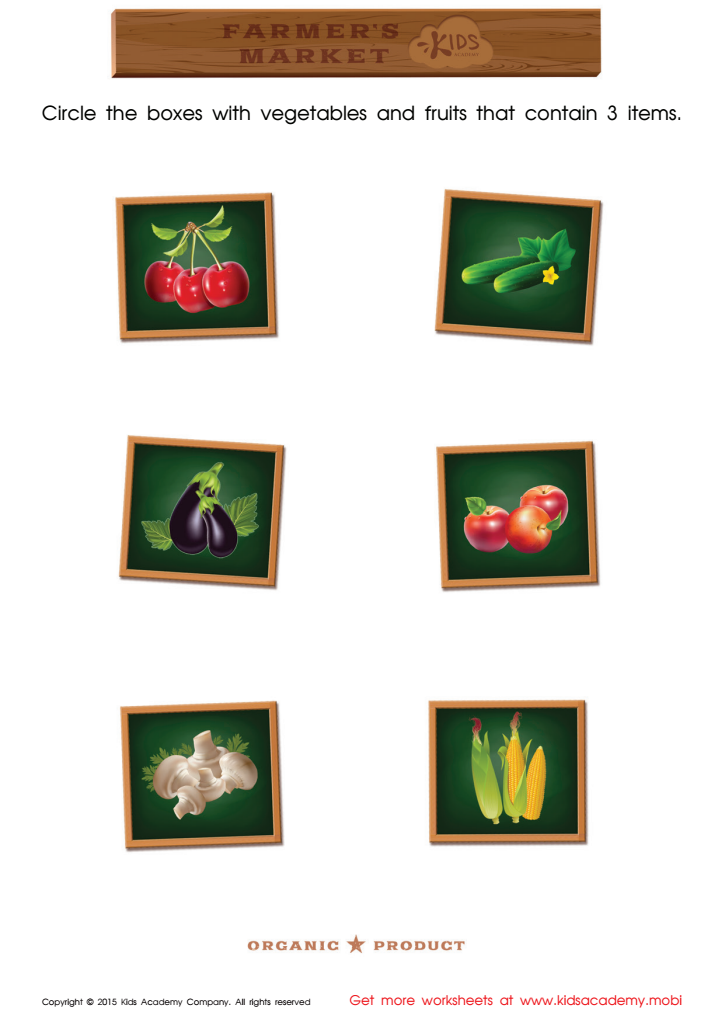
Count and Match Vegetables 1 – 5 Math Worksheet
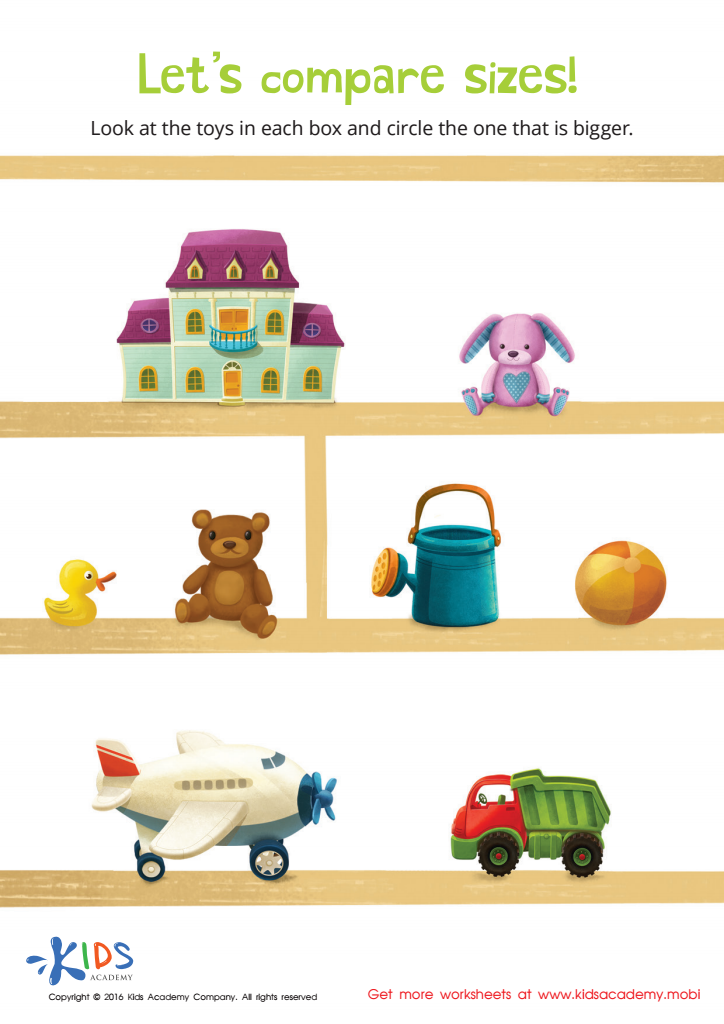
Classifying by Size Sorting Worksheet
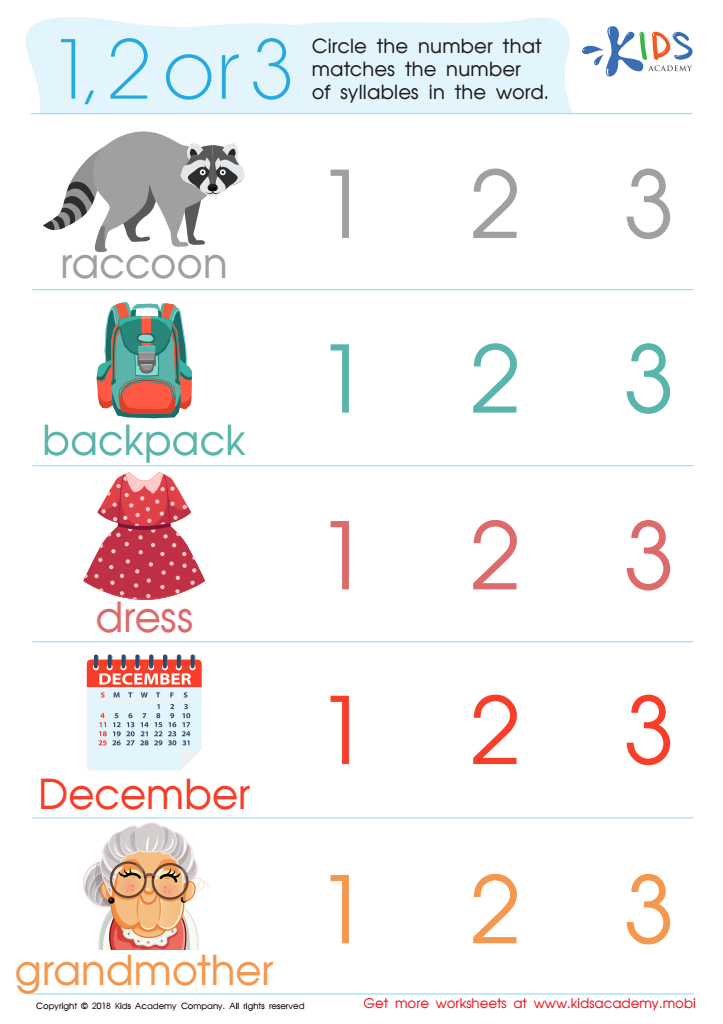
1, 2 or 3? Worksheet


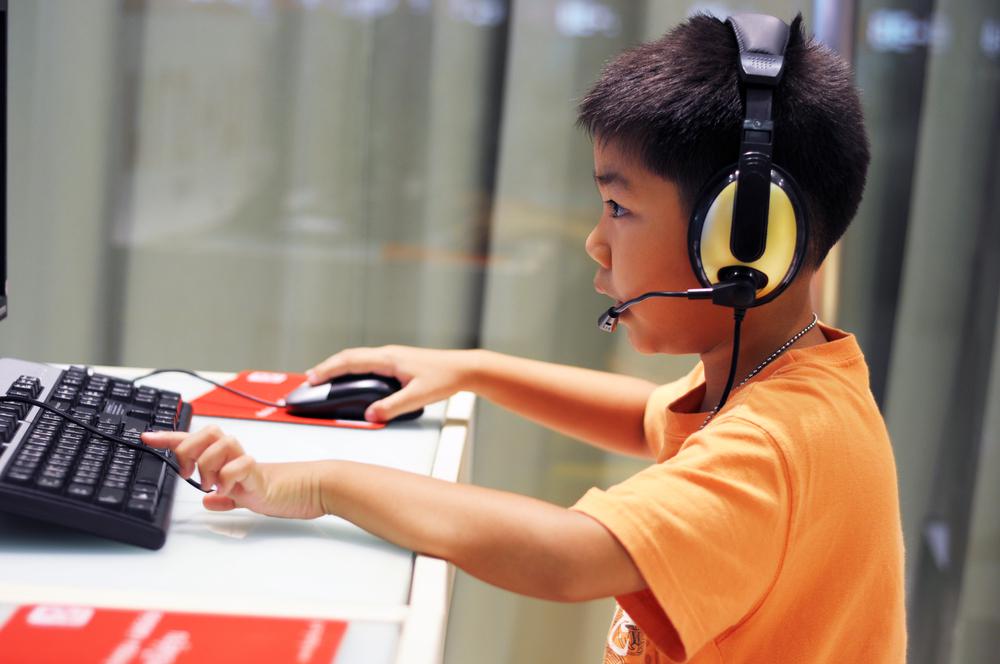




Visual perception refers to the brain's ability to make sense of what the eyes see, and it plays a critical role in a child's development, especially for 6-year-olds who are in a crucial stage of learning. As children enter first grade, their ability to process visual information directly affects how they interpret and interact with the world around them. This skill is instrumental in reading, writing, and mathematics—activities that are fundamental in their early education.
When a child has strong visual perception skills, they can better recognize letters and numbers, differentiate between similar shapes, or skills necessary for decoding texts and solving math problems. Additionally, visual perception aids in motor skills development such as hand-eye coordination, which influences handwriting and physical activities.
Parents and teachers should be attuned to the development of these skills because early struggles with visual perception can lead to difficulties in education and daily life tasks. For instance, a child who perceives letters backward or has trouble copying from the board might be mistakenly labeled as inattentive or slow-learning, when in fact, they may simply need support in enhancing their visual skills. Addressing these issues early on can set a strong foundation for future learning, boost a child's confidence, and positively influence their overall academic performance and social interactions.








