Visual Perception Skills 2D Shapes Worksheets for 6-Year-Olds
3 filtered results
-
From - To
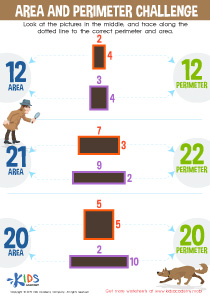
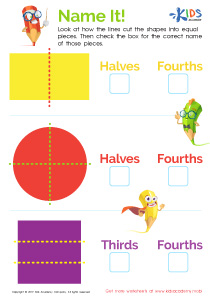
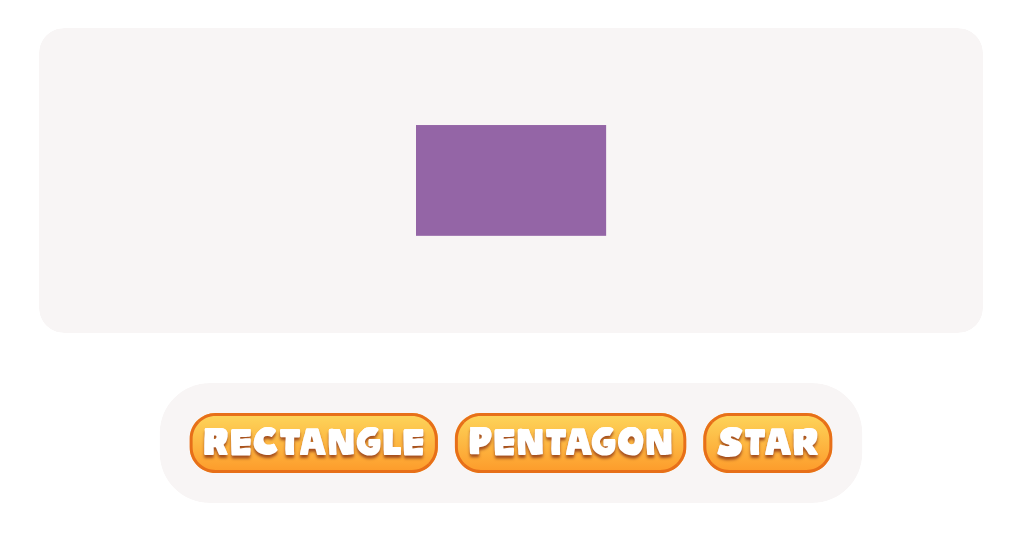
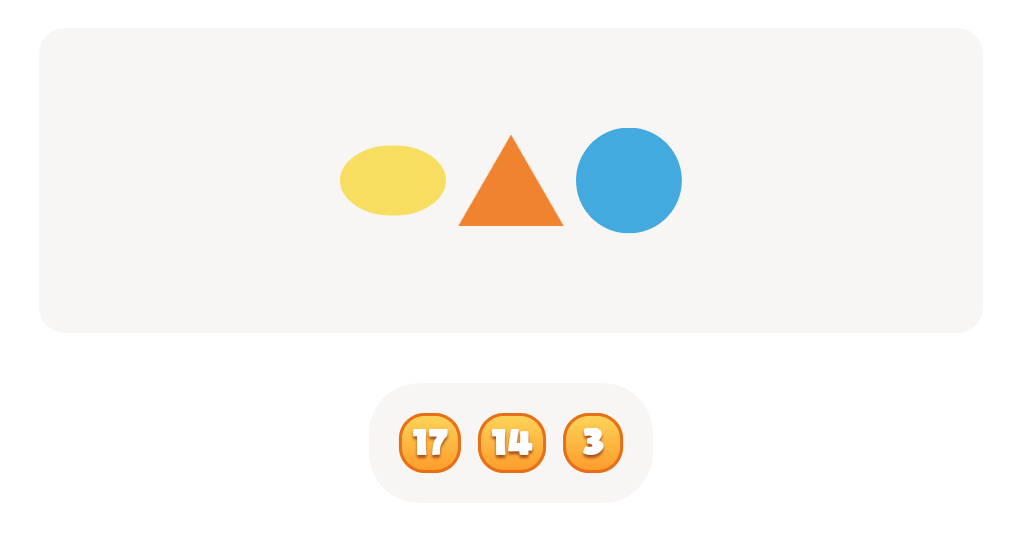
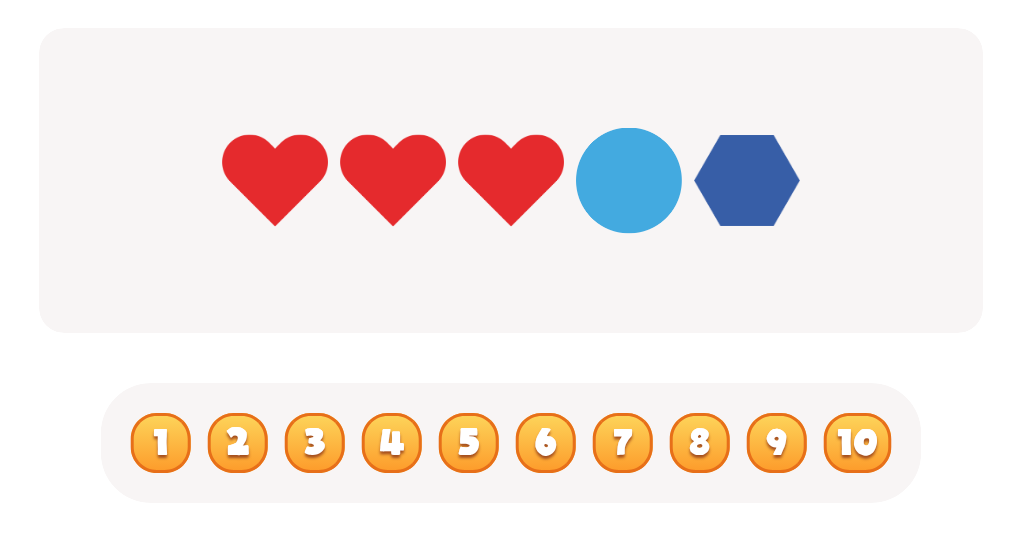
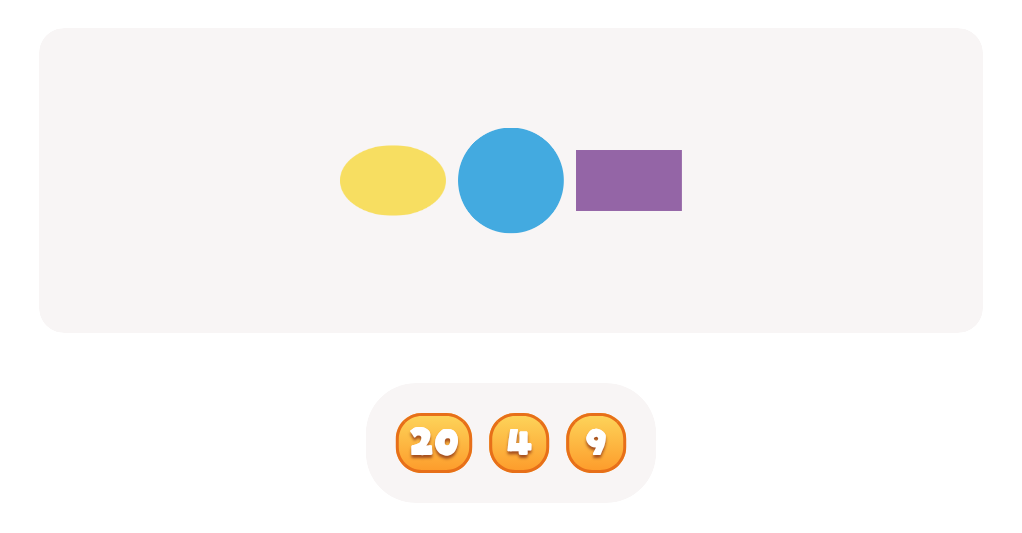
Enhance your child’s visual perception skills with our engaging 2D Shapes Worksheets, specifically designed for 6-year-olds! These fun and educational worksheets help young learners recognize, differentiate, and categorize various 2D shapes, boosting their cognitive and visual processing abilities. Perfect for at-home learning or classroom activities, our worksheets offer a variety of exercises that cater to your child's developmental needs. Through interactive tasks, children can improve their attention to detail and spatial awareness, building a strong foundation for future math success. Download now and watch your child's skills flourish! Explore more at Kids Academy.
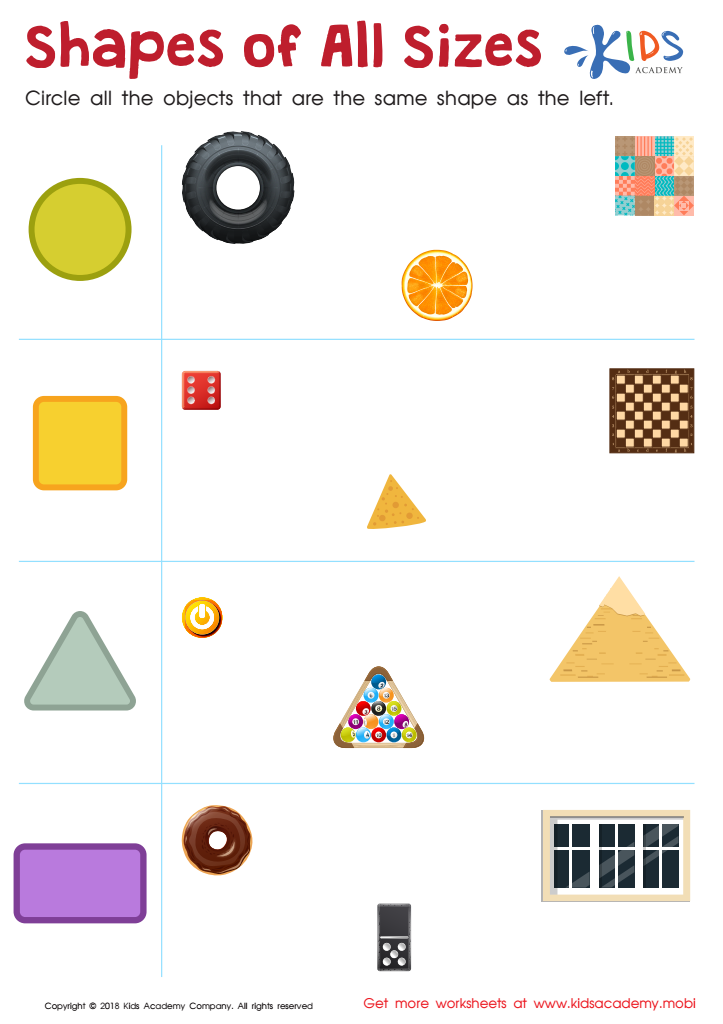
Shapes of All Sizes Worksheet
 Assign to My Students

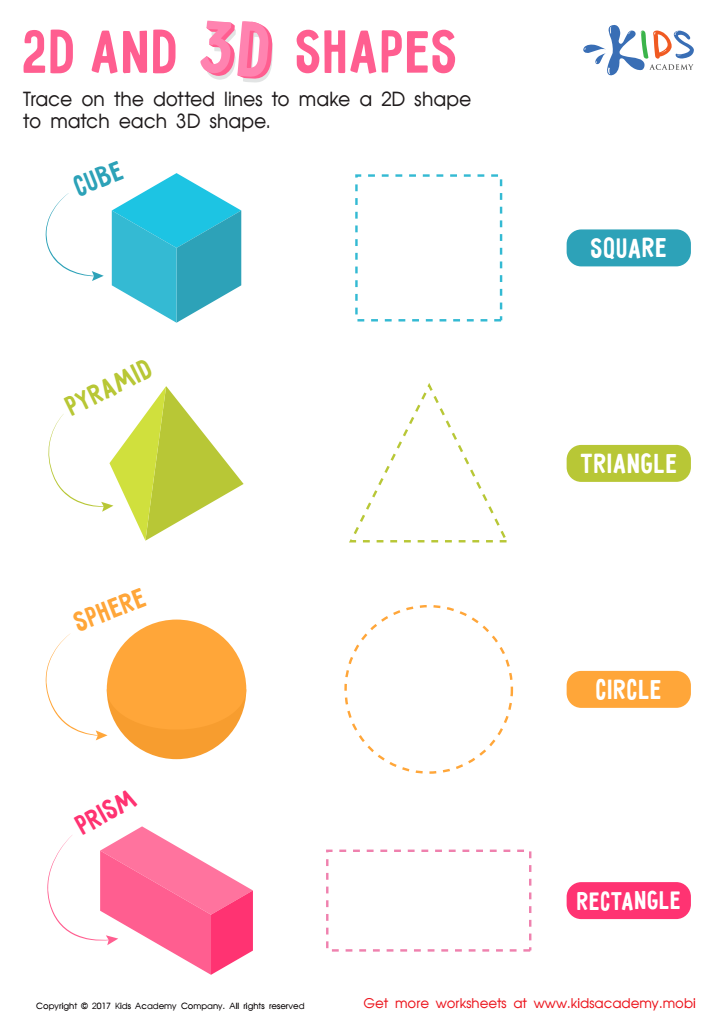
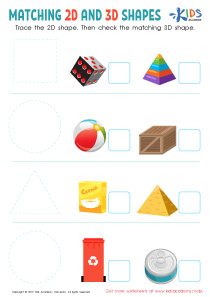
2D and 3D Shapes Worksheet
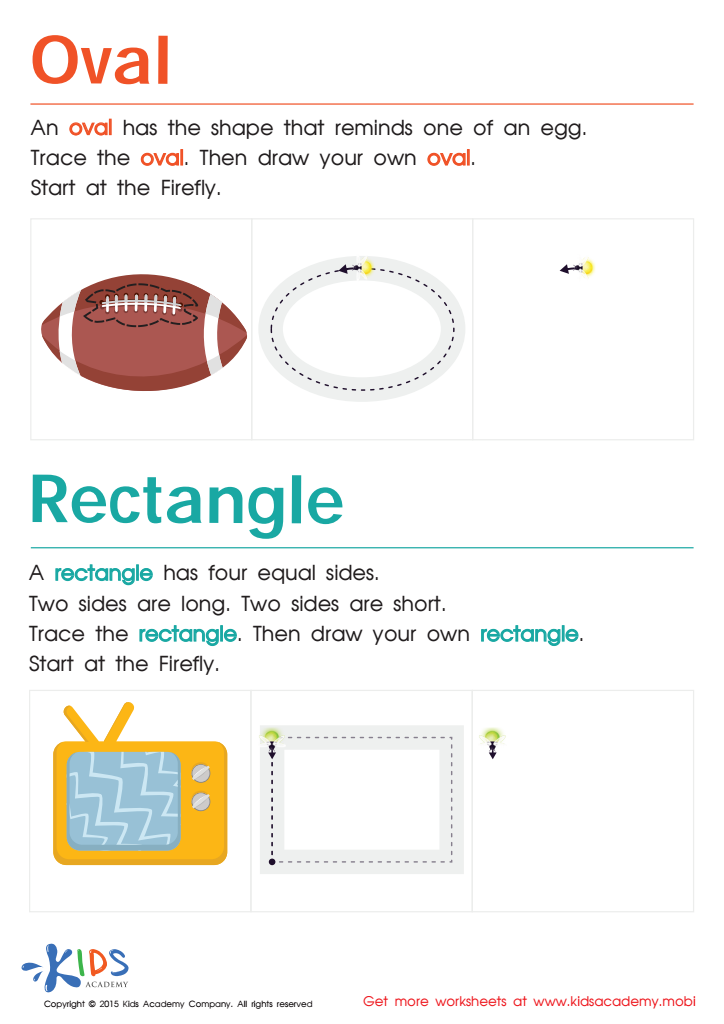
Easy Drawing of Ovals And Rectangles Worksheet








Visual perception skills are crucial for 6-year-olds as they form the foundation for reading, writing, math, and everyday tasks. For parents and teachers, these skills help children understand and interact with their environment more effectively. Visual perception involves recognizing shapes, sizes, patterns, and spatial relationships, essential for academic success.
Understanding 2D shapes is especially vital at this age. It enhances their ability to differentiate between letters and numbers, a fundamental skill for reading fluency and numerical comprehension. Additionally, it aids in the development of fine motor skills. As children recognize and draw shapes accurately, they improve their hand-eye coordination, essential for writing neatly and efficiently.
Different shapes also stimulate cognitive abilities such as memory, observation, and problem-solving. For example, sorting activities with 2D shapes help children categorize and analyze similarities and differences, boosting critical thinking skills. Furthermore, these foundational skills in early childhood education foster self-confidence, ensuring children are well-prepared for future learning challenges.
In essence, visual perception skills through 2D shapes are not merely academic exercises; they are building blocks for broader cognitive development, practical daily functioning, and long-term academic success. Prioritizing these skills can provide children with a robust foundation for their future educational and personal growth.