Understanding skip-counting Counting Worksheets for 6-Year-Olds
3 filtered results
-
From - To
Enhance your child’s math skills with our engaging skip-counting worksheets designed specifically for 6-year-olds! These interactive resources promote a foundational understanding of counting by encouraging children to skip numbers in sequences, such as twos, threes, and fives. As kids practice, they develop critical thinking and pattern recognition abilities that are essential for future math success. Our worksheets feature colorful illustrations and fun exercises tailored to capture young learners' attention. Perfect for home or classroom use, these skip-counting activities make learning enjoyable while ensuring your child builds confidence in their math proficiency. Start their exciting math journey today!
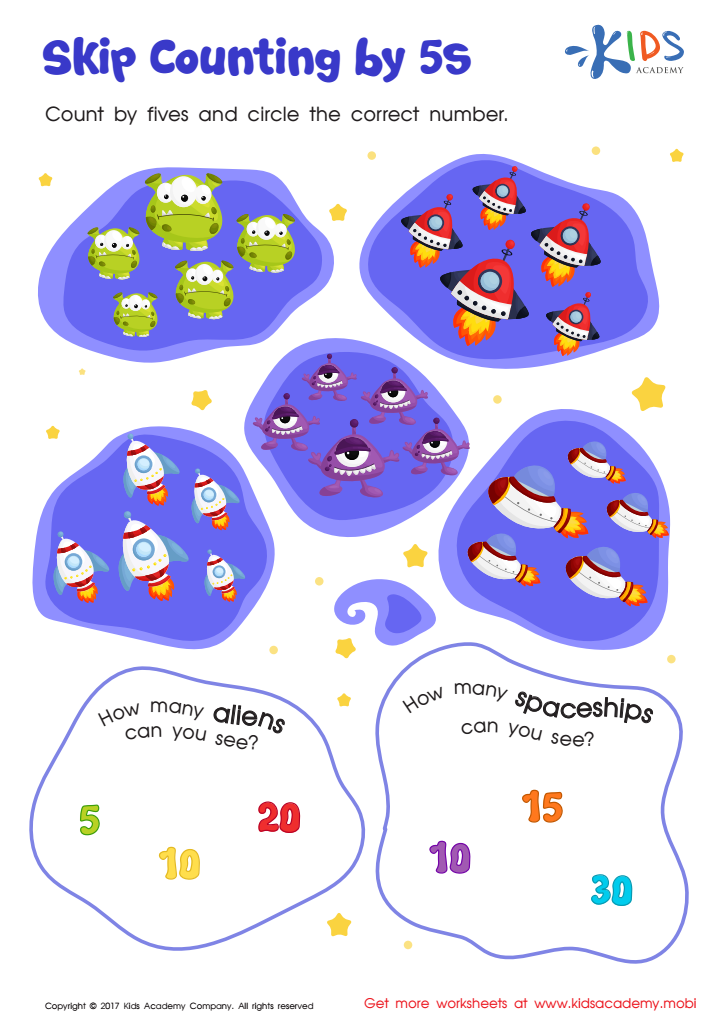
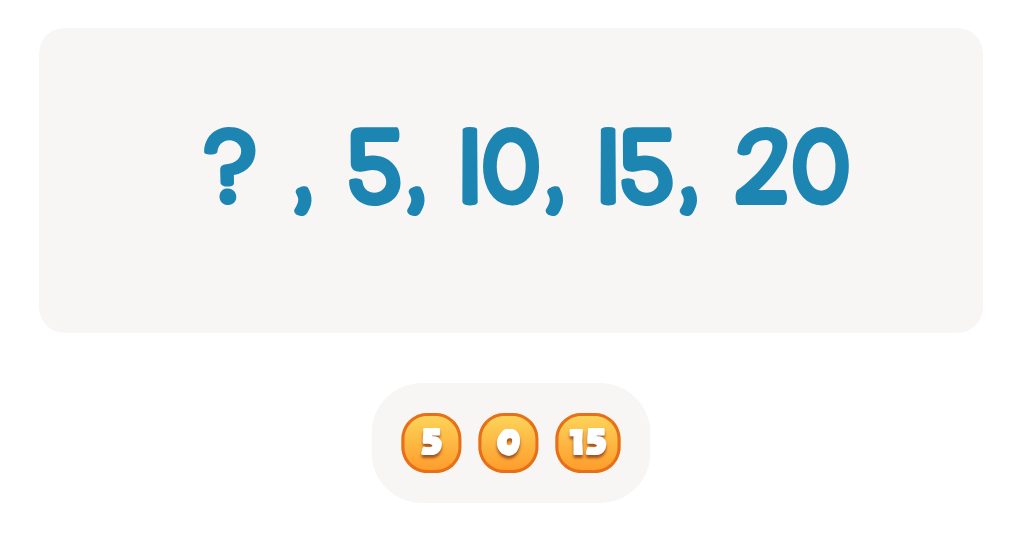
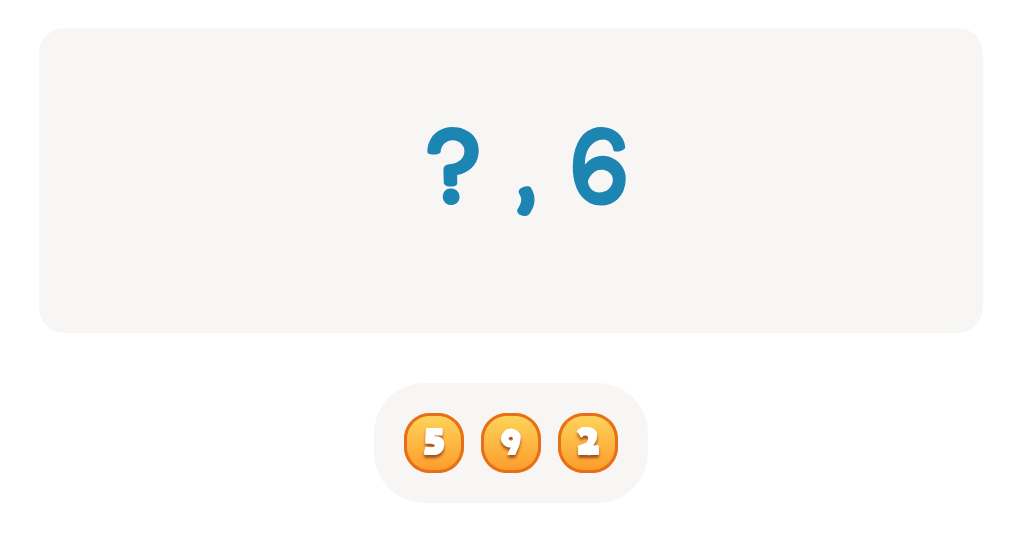
Skip Counting by 5s: Aliens and Spaceships Printable
 Assign to My Students


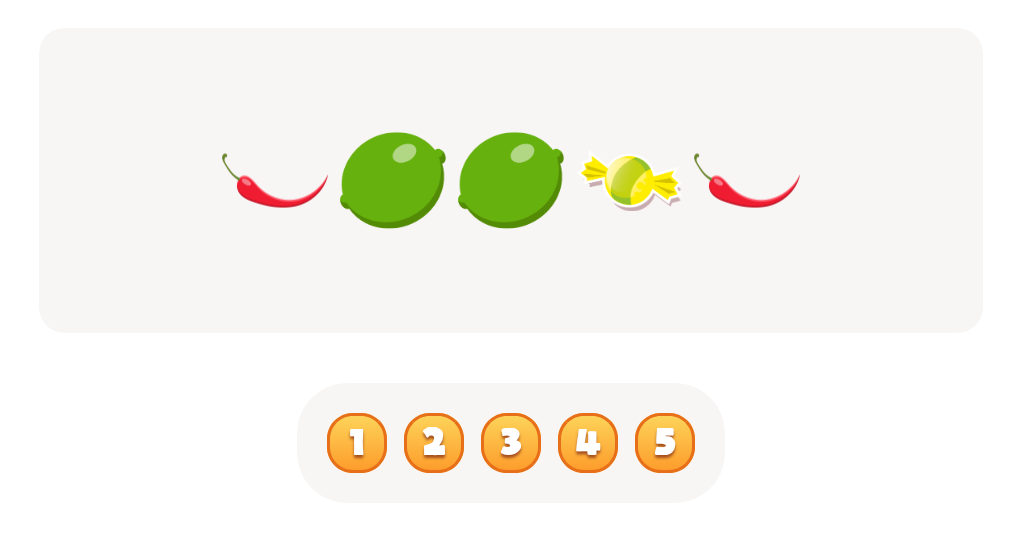
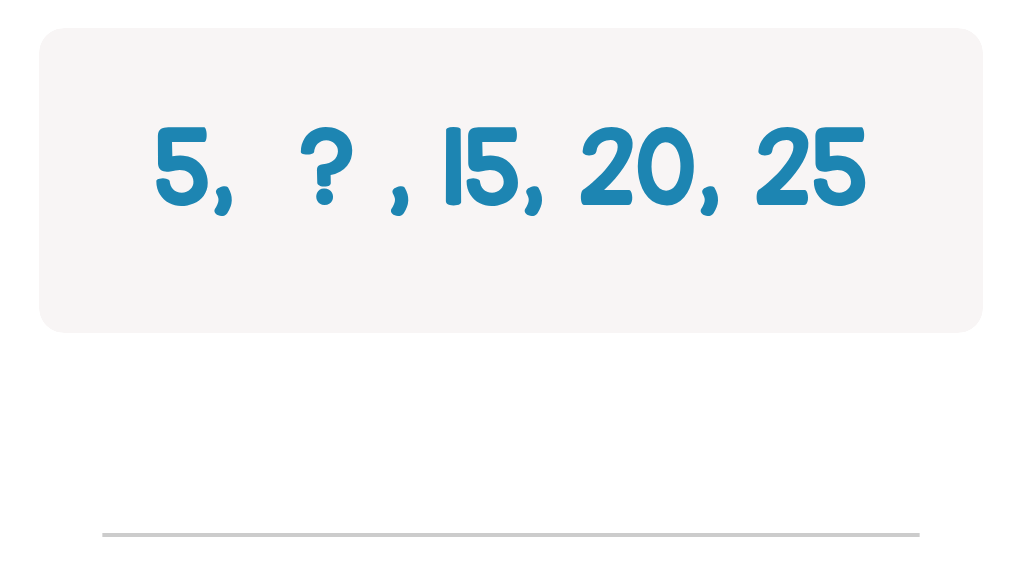
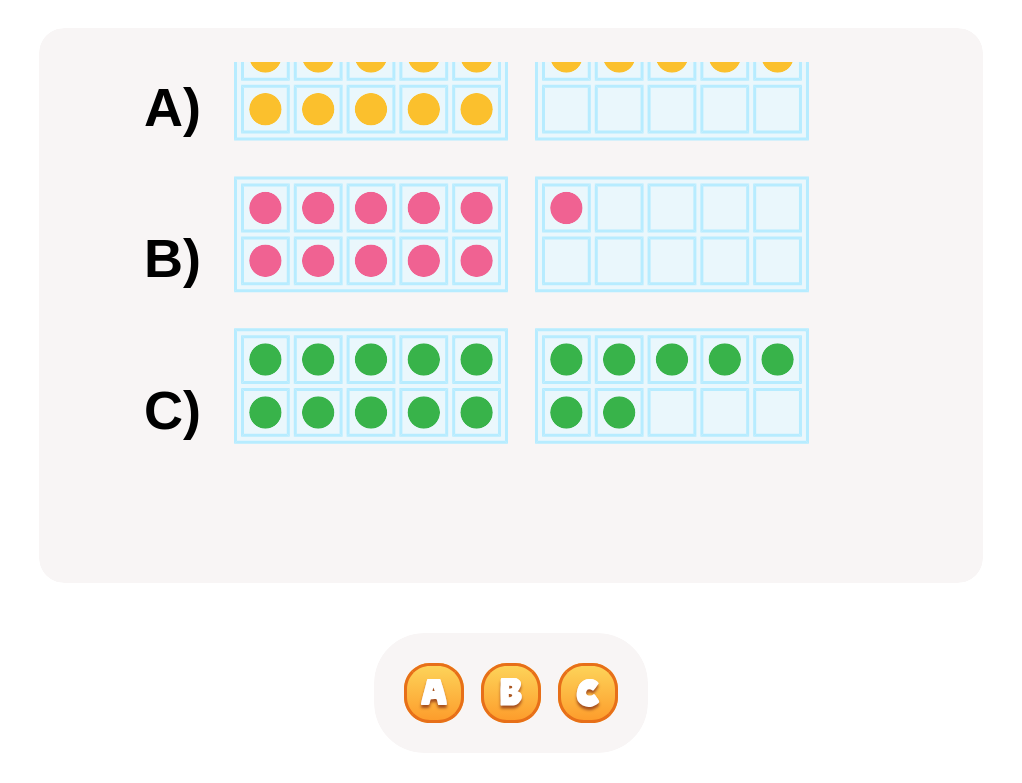
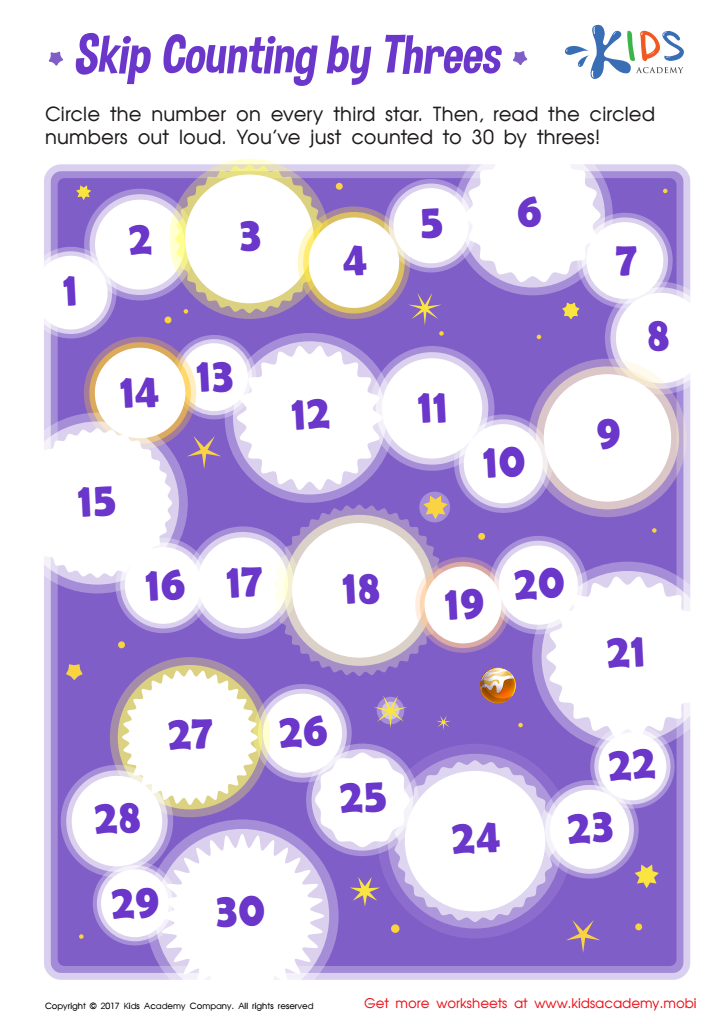
Skip Counting By Three Printable
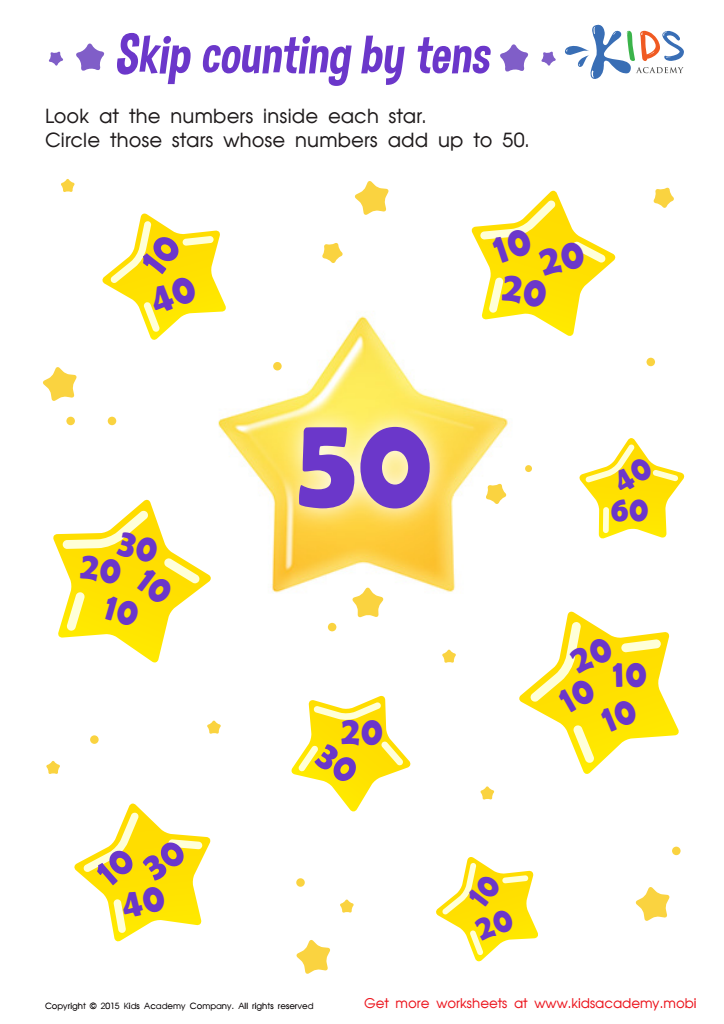
Learn Dozens: Skip Counting by Tens Printable








Skip-counting is an essential skill for 6-year-olds, forming a foundational concept in mathematics that extends beyond simple counting. For parents and teachers, understanding the importance of skip-counting can significantly enhance a child's overall numerical comprehension and problem-solving abilities.
Firstly, skip-counting helps children recognize number patterns, which is crucial for grasping more complex mathematics later on, such as addition, multiplication, and division. When children skip-count by twos, fives, or tens, they develop a greater sense of number relationships and enhance their ability to perform mental math, enabling quicker calculations in everyday scenarios.
Moreover, skip-counting lays the groundwork for understanding multiplication. It allows students to visualize how numbers relate to each other and prepares them for the multiplicative reasoning required in upper-grade math. Additionally, skip-counting assists in estimating quantities and understanding sets, which are key skills for foundational math literacy.
For parents and teachers, fostering skip-counting can be a playful and engaging activity, making learning enjoyable. By integrating it into games or songs, children can practice this skill without the pressure of standardized learning environments, promoting a positive attitude toward mathematics and encouraging lifelong learning. Engaging with skip-counting ultimately leads to greater confidence and success in math for young learners.








