Understanding patterns Numbers Worksheets for 6-Year-Olds
6 filtered results
-
From - To
Unlock your child's mathematical potential with our "Understanding Patterns Numbers Worksheets for 6-Year-Olds." These engaging activities are designed to introduce young learners to the concept of number patterns, paving the way for more advanced math skills. Through colorful and fun exercises, your child will practice identifying, reading, and completing patterns, enhancing their problem-solving abilities and critical thinking. Perfect for both classroom and at-home learning, these worksheets provide a foundation for future mathematical success while making learning enjoyable. Help your child master the basics and build confidence with our expertly crafted number patterns worksheets.
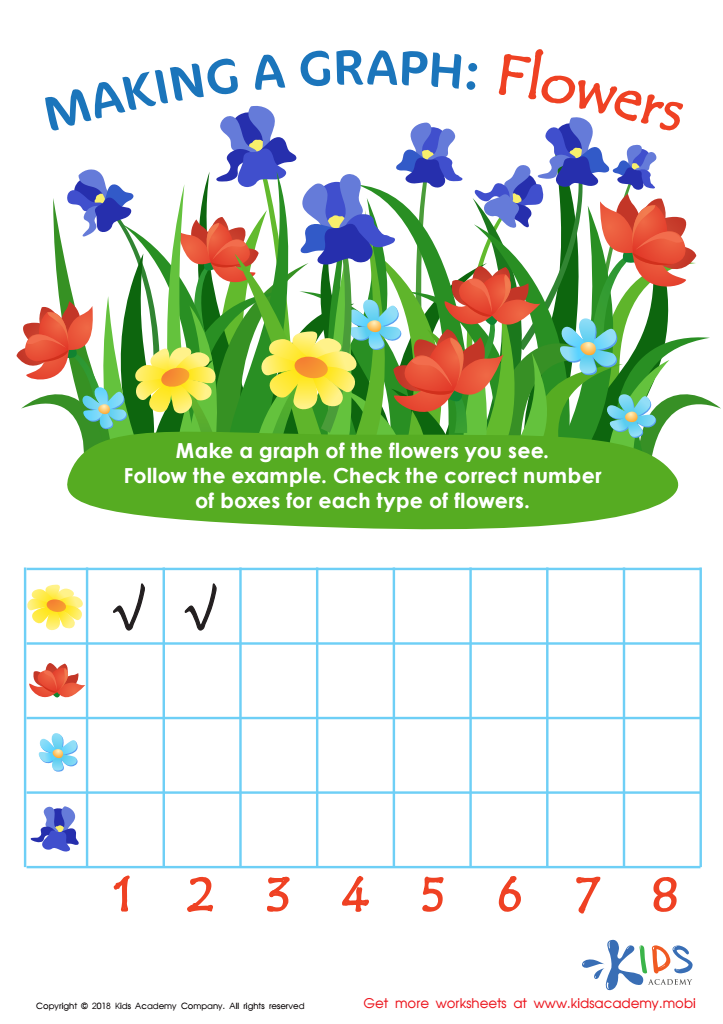
Making a Graph: Flowers Worksheet
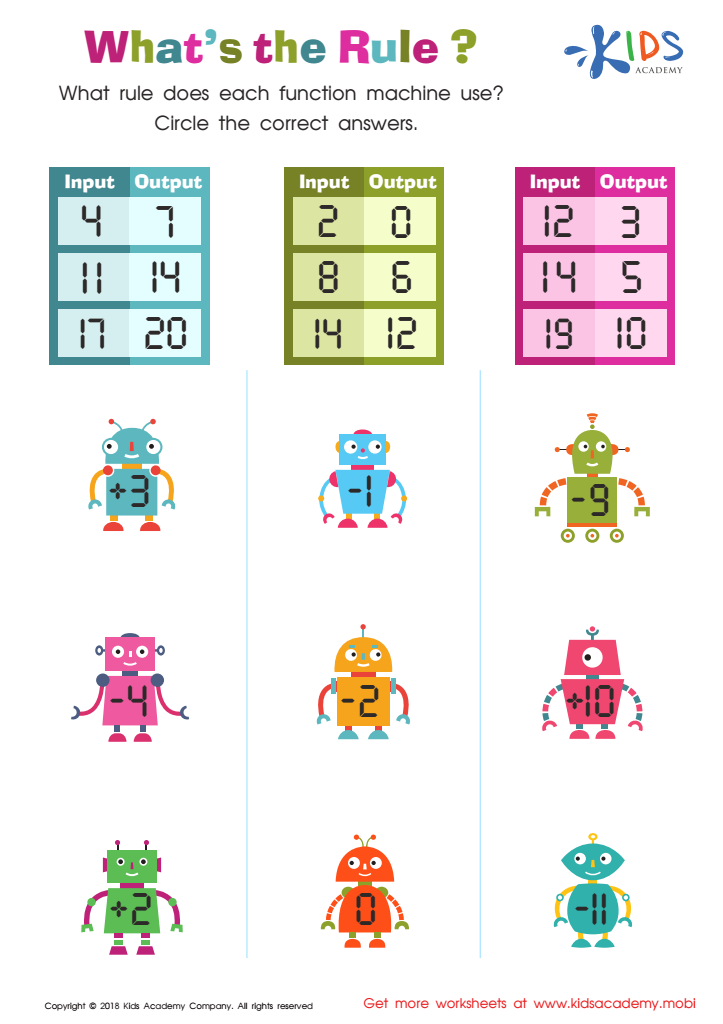
What's the Rule Worksheet
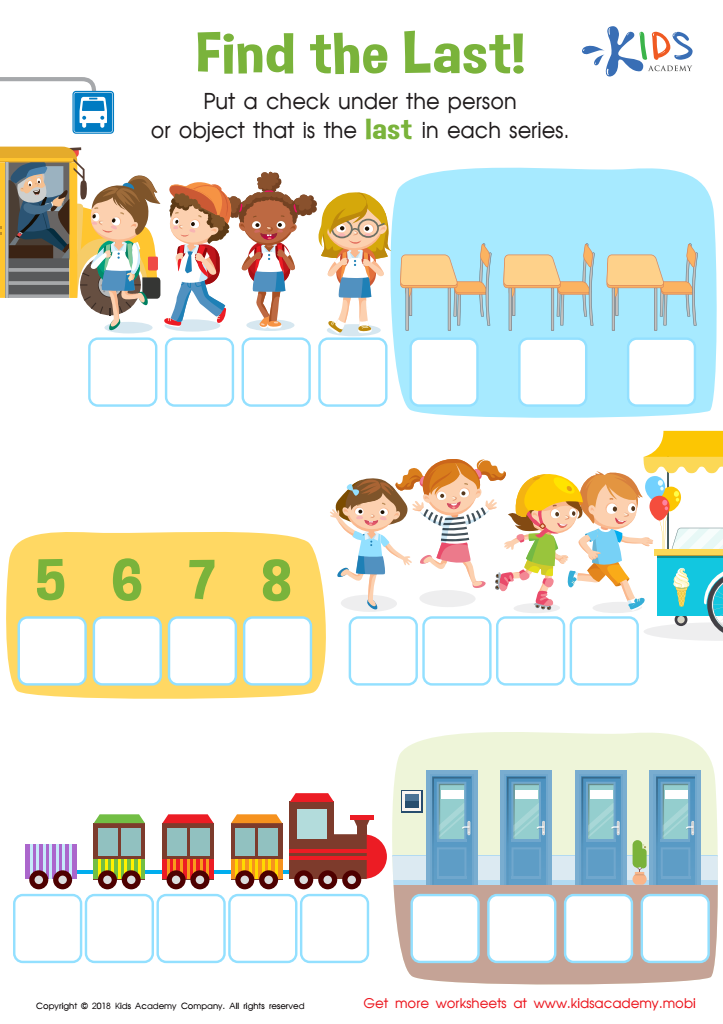
Find the Last! Worksheet
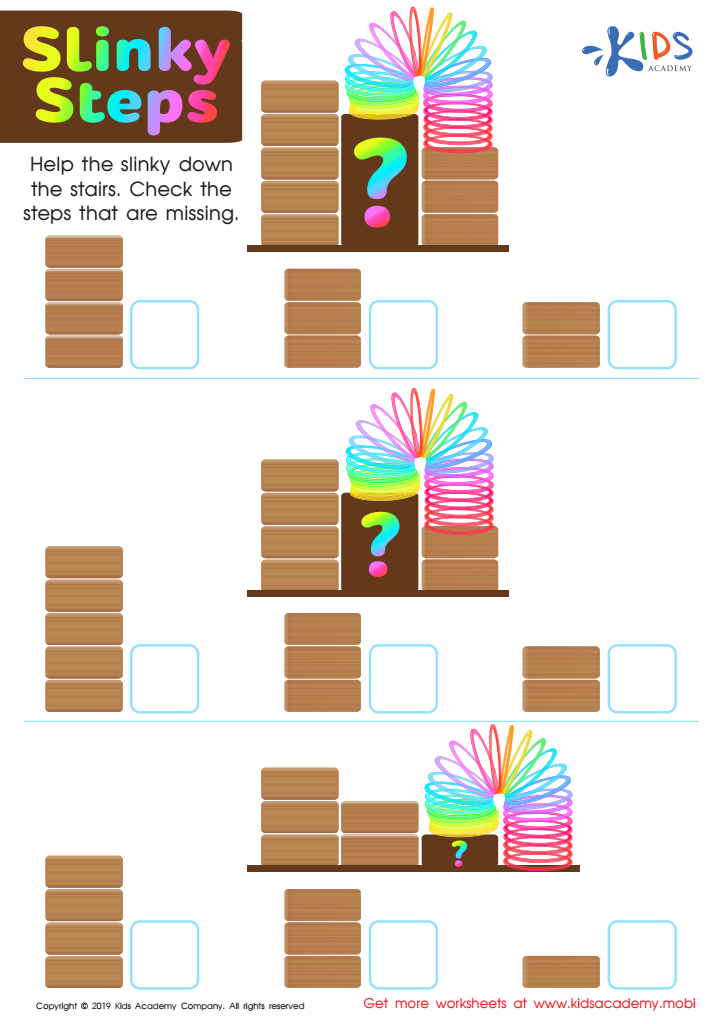
Slinky Steps Worksheet
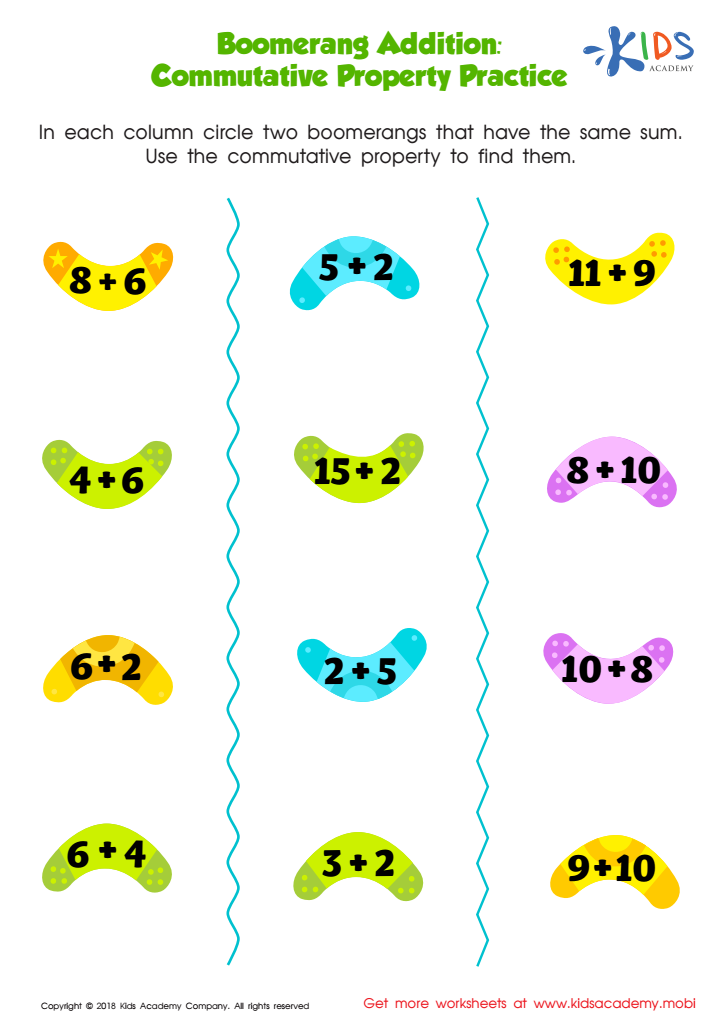
Boomerang Addition Worksheet
Magic Numbers Worksheet
 Assign to My Students








Understanding number patterns is crucial for 6-year-olds, as it lays the foundation for more complex mathematical skills and cognitive development. Recognizing patterns helps children to cultivate logical thinking, an essential skill for problem-solving across various subject areas. When children identify sequences or groupings, such as even and odd numbers, they start understanding the concept of order and predictability. This skill extends beyond mathematics, aiding in literacy as they begin to recognize letter patterns in reading and writing.
Moreover, grasping number patterns significantly enhances a child’s ability to perform basic arithmetic operations like addition, subtraction, and later, multiplication and division. By understanding the structure and relationships between numbers, children can approach these operations with greater ease and confidence. For instance, knowing that numbers alternate in a predictable way helps simplify addition and subtraction tasks.
Teachers and parents play a pivotal role in reinforcing these skills through playful activities and guided practice. Games, songs, and hands-on activities, like arranging objects in a specific order, make learning patterns fun and engaging. Support from adults in the early years can foster a positive attitude towards math, build a strong numerical foundation, and enhance overall academic growth, benefitting children in their future educational journeys.








