Understanding Quantities Numbers Worksheets for 6-Year-Olds
5 filtered results
-
From - To
Welcome to our "Understanding Quantities Numbers Worksheets for 6-Year-Olds" page! These engaging and interactive worksheets are designed to help young learners grasp the concept of quantities and how they relate to numbers. Perfect for early math skill development, our resources encourage children to visualize and compare amounts through fun activities, such as counting objects, matching quantities with numbers, and solving simple problems. By using these worksheets, kids will enhance their numerical understanding, boost their confidence, and receive essential foundation skills for future mathematical learning. Join us in making math enjoyable and effective for your little learners today!
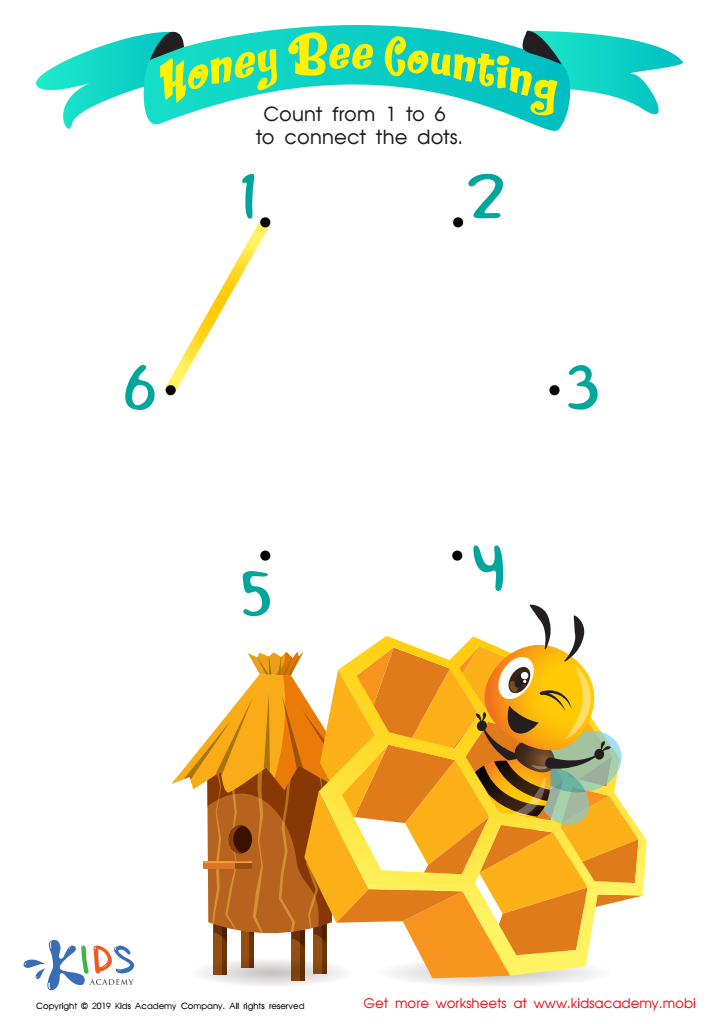
Honey Bee Counting Worksheet
 Assign to My Students
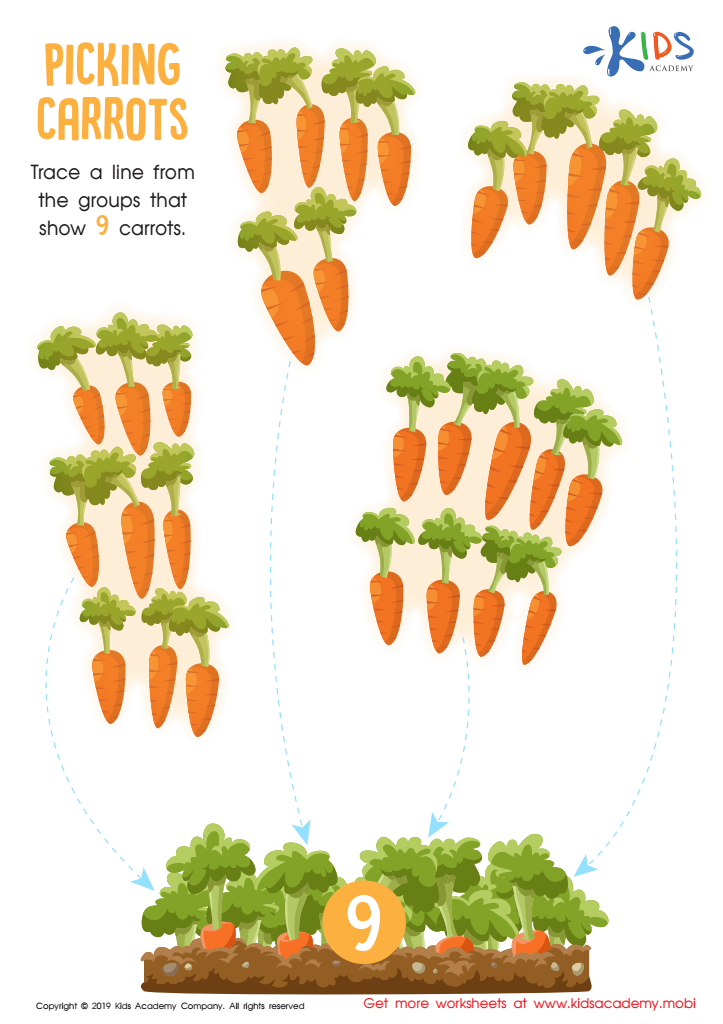
Picking Carrots Worksheet
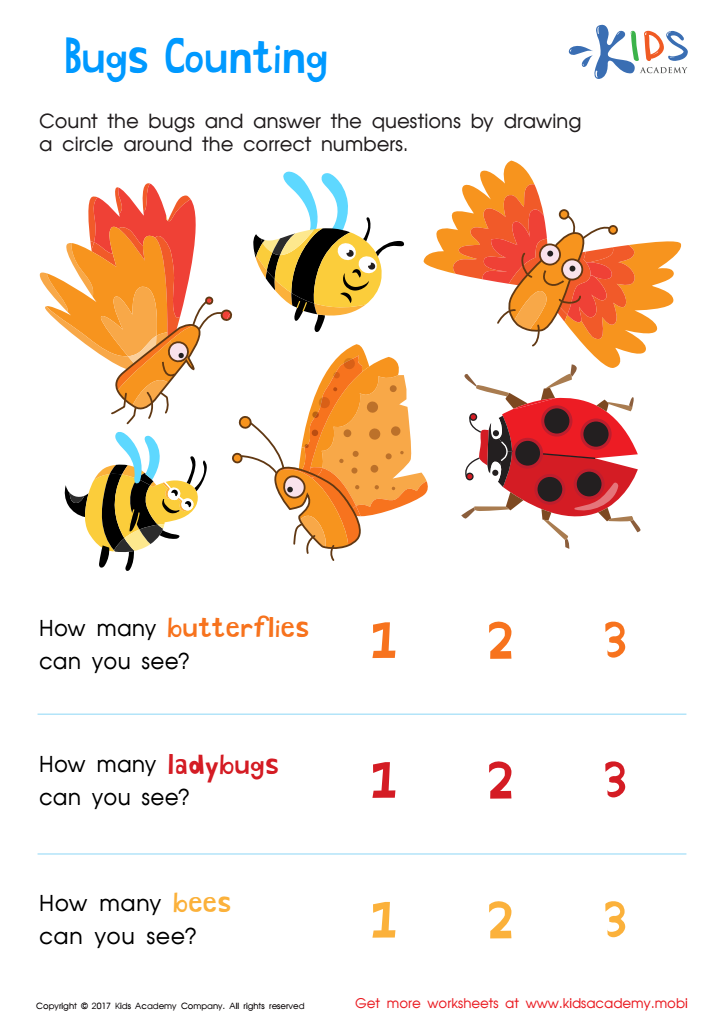
Bugs Counting Worksheet
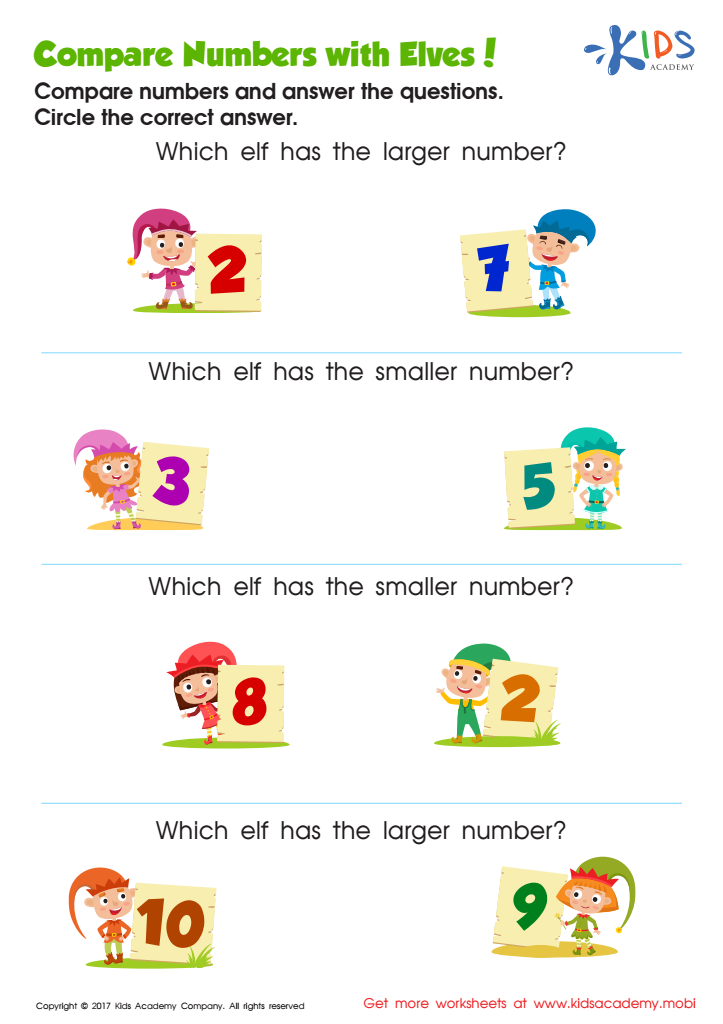
Comparing Numbers Worksheet for Kindergarten
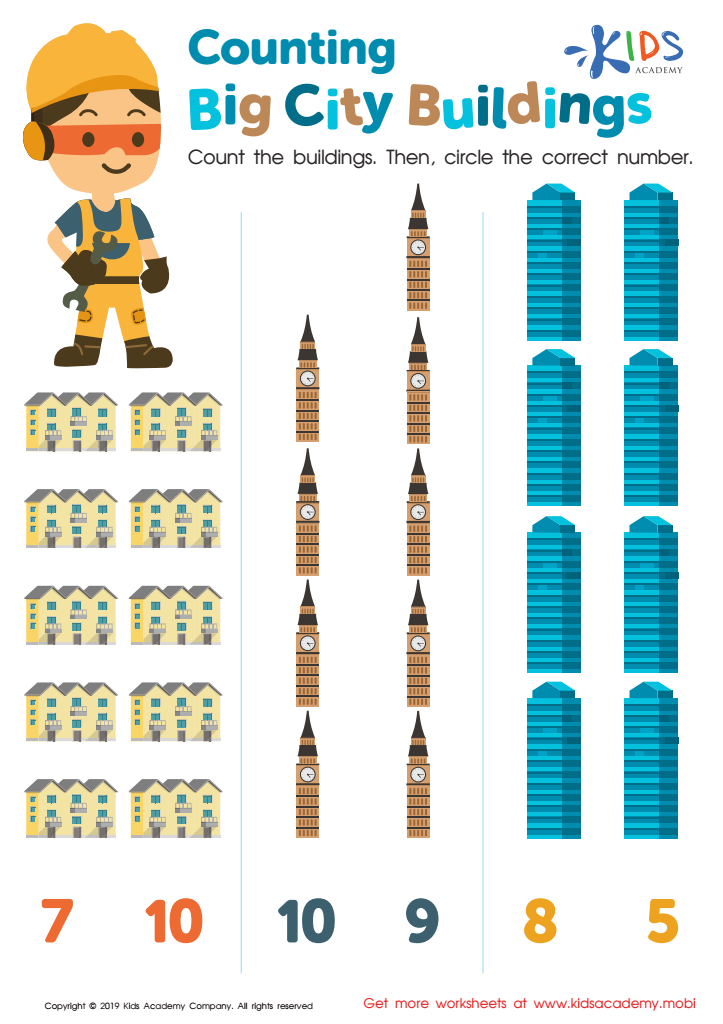
Counting Big City Buildings Worksheet








Understanding quantities and numbers is crucial for 6-year-olds as it lays the foundation for essential math skills and overall cognitive development. At this age, children are not only learning to count but are also beginning to grasp the concepts of number representation, value, and basic arithmetic. These skills are vital, as they influence later academic performance, particularly in math-related subjects.
Parents and teachers should care about this developmental stage because it fosters critical thinking and problem-solving abilities. A better understanding of quantities helps children overcome academic challenges, bolstering their confidence and instilling a positive attitude toward learning. Additionally, engaging with numbers and quantities enhances children's ability to make connections in everyday life, from sharing snacks to measuring ingredients in cooking, which makes learning relevant and fun.
Moreover, cultivating numeracy skills at an early age can promote a love for math, encouraging children to explore and experiment with numbers. This foundational understanding not only supports academic success but also prepares them for real-world applications as they grow. Thus, prioritizing the comprehension of quantities and numbers is essential for nurturing well-rounded, mathematically proficient individuals. Educators and parents play an influential role in this crucial developmental aspect.








