Analytical thinking Math Worksheets for 6-Year-Olds
5 filtered results
-
From - To
Unlock the power of analytical thinking in your child with our Math Worksheets for 6-Year-Olds. Designed to challenge and engage young minds, these activities help develop essential problem-solving skills through fun, interactive exercises. From patterns and sequencing to basic arithmetic, each worksheet is crafted to inspire curiosity and build confidence. Perfect for parents and educators, these tools support learning at home or in the classroom, setting a strong foundation for future academic success. Explore our collection to give your child the analytical edge they need to excel in math and beyond.

The 5 Sense Scientist Worksheet
 Assign to My Students
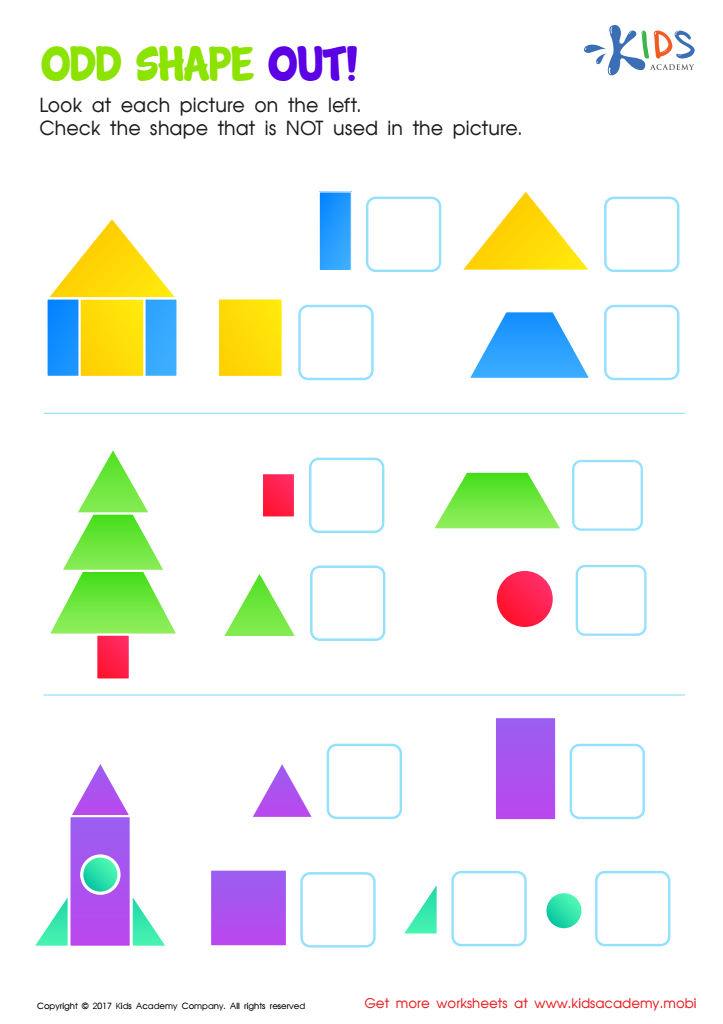
Odd Shape Out Worksheet for Grade 1
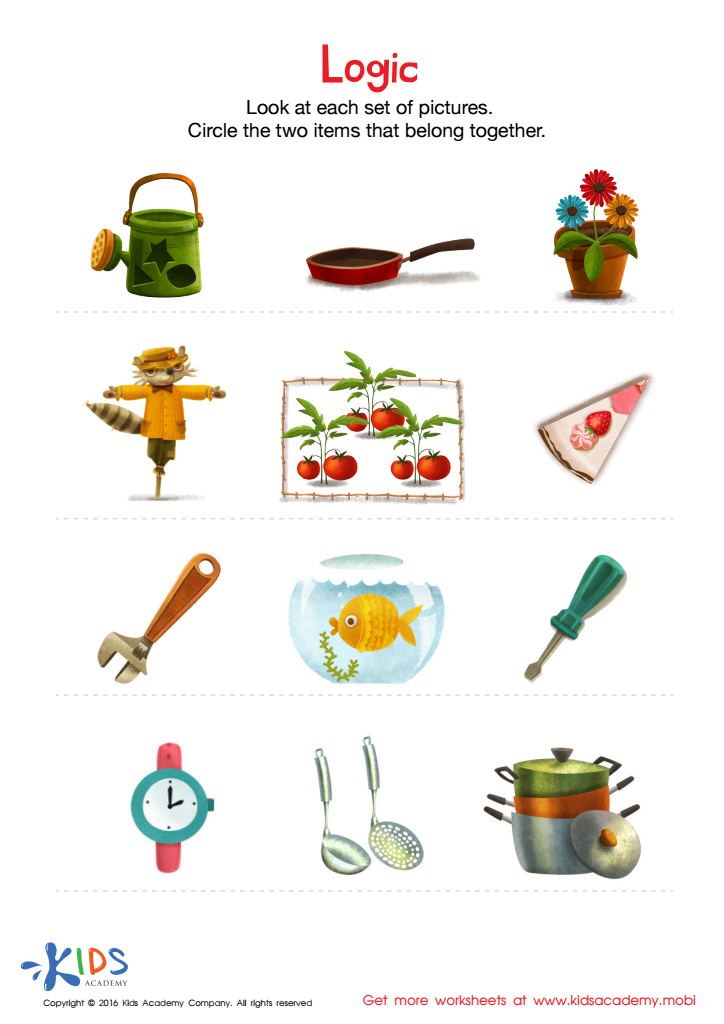
Logic Game Sorting Worksheet

After School Time Printable
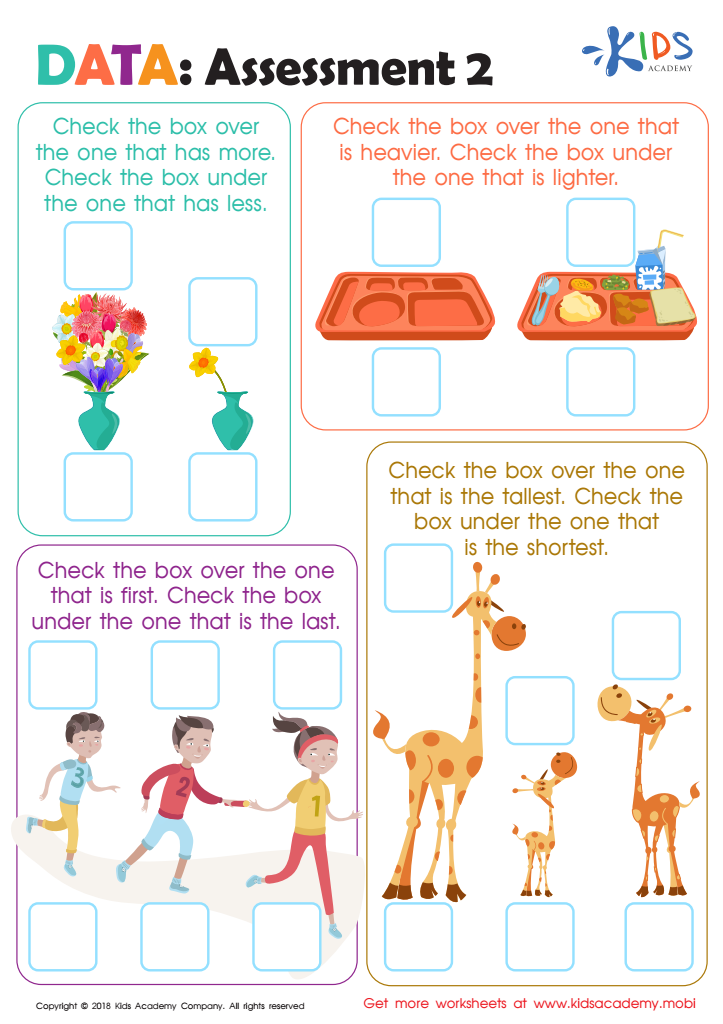
Data: Assessment 2 Worksheet








Analytical thinking in math is crucial for 6-year-olds as it lays the foundation for future problem-solving skills and logical reasoning. At this pivotal age, children are naturally curious and eager to explore the world around them. Introducing them to analytical thinking helps harness this curiosity in constructive ways. By engaging in activities that promote analytical thinking, kids learn how to break down complex problems into smaller, manageable parts and recognize patterns, fostering a deeper understanding of mathematical concepts.
Parents and teachers play a vital role in nurturing these skills early on, ensuring that children build strong cognitive and reasoning abilities. Analytical thinking in math encourages a systematic approach to both academic and real-world problems, promoting resilience and adaptability. It helps children become independent thinkers and effective communicators, as they learn to explain their reasoning and thought processes clearly.
Incorporating analytical thinking in early math education also boosts confidence, making children more likely to enjoy and excel in mathematics as they progress through their educational journey. Ultimately, fostering analytical thinking in math at a young age sets the stage for long-term academic success and equips children with essential life skills, nurturing well-rounded, capable individuals.








