Basic Addition Math Worksheets for 6-Year-Olds - Page 2
44 filtered results
-
From - To
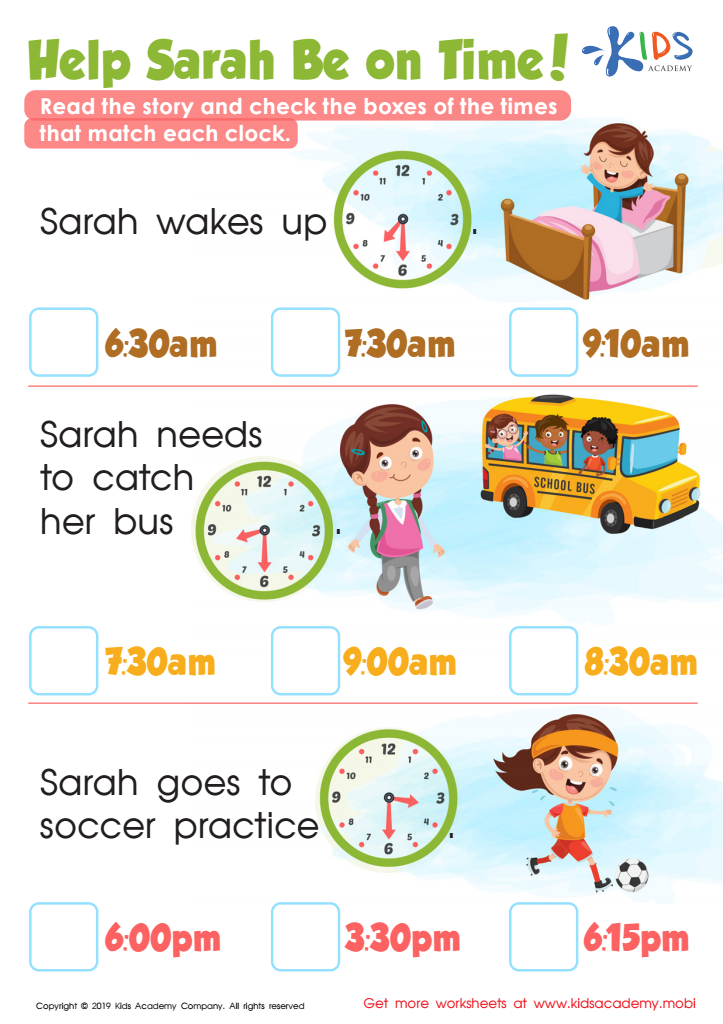
Help Sarah Be on Time! Worksheet
 Assign to My Students
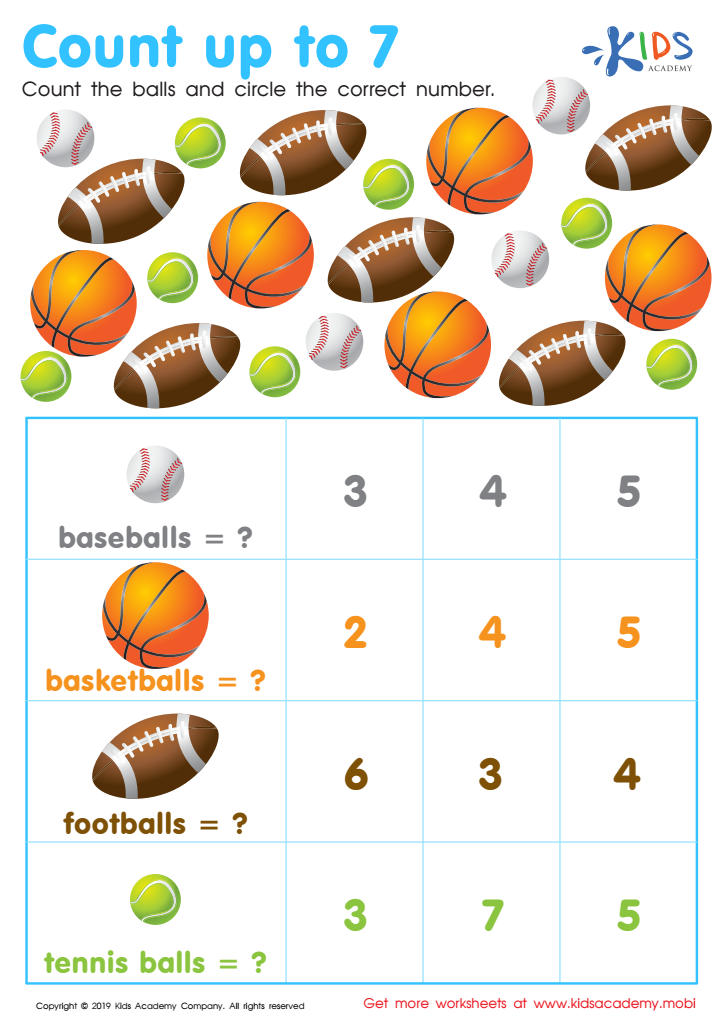
Count up to 7 Worksheet
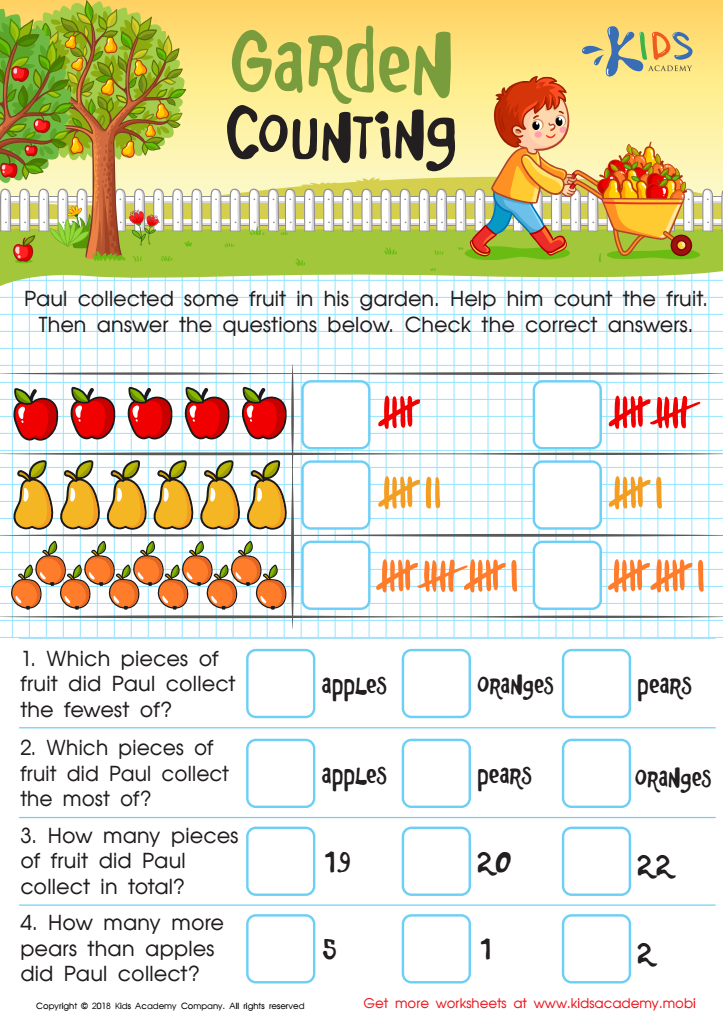
Garden Counting Worksheet
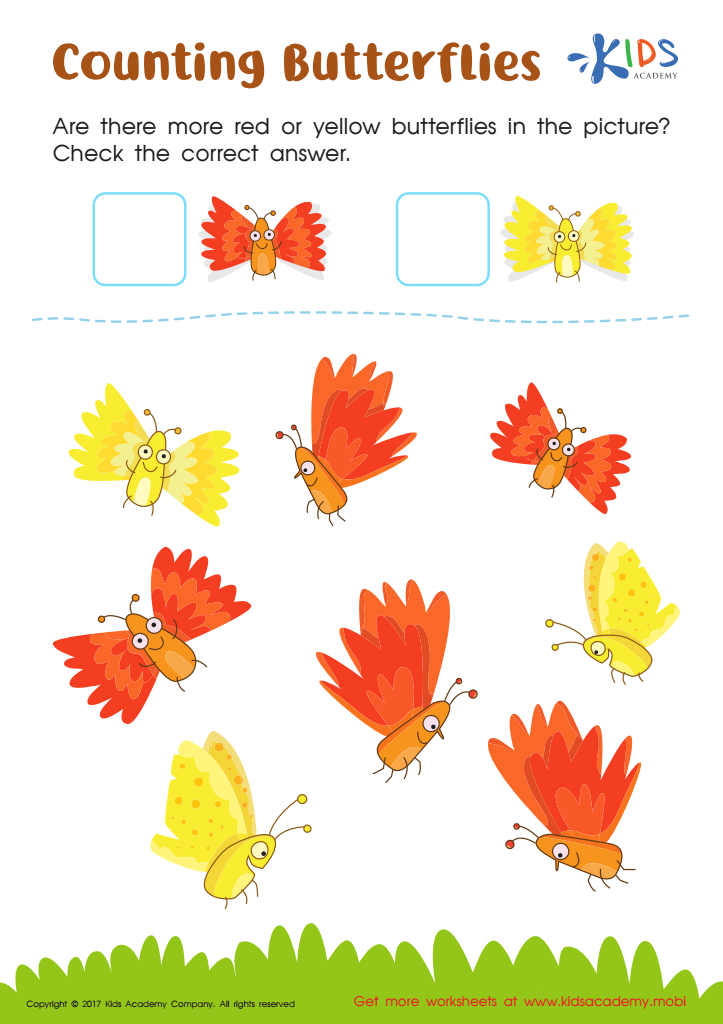
Counting Butterflies Worksheet
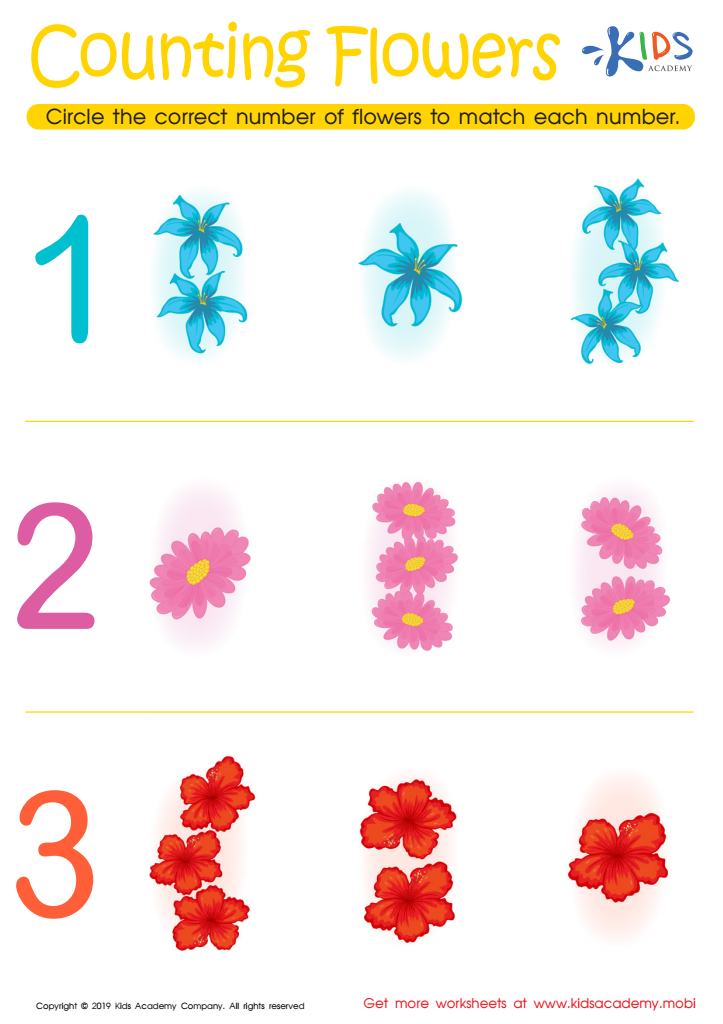
Counting Flowers Worksheet
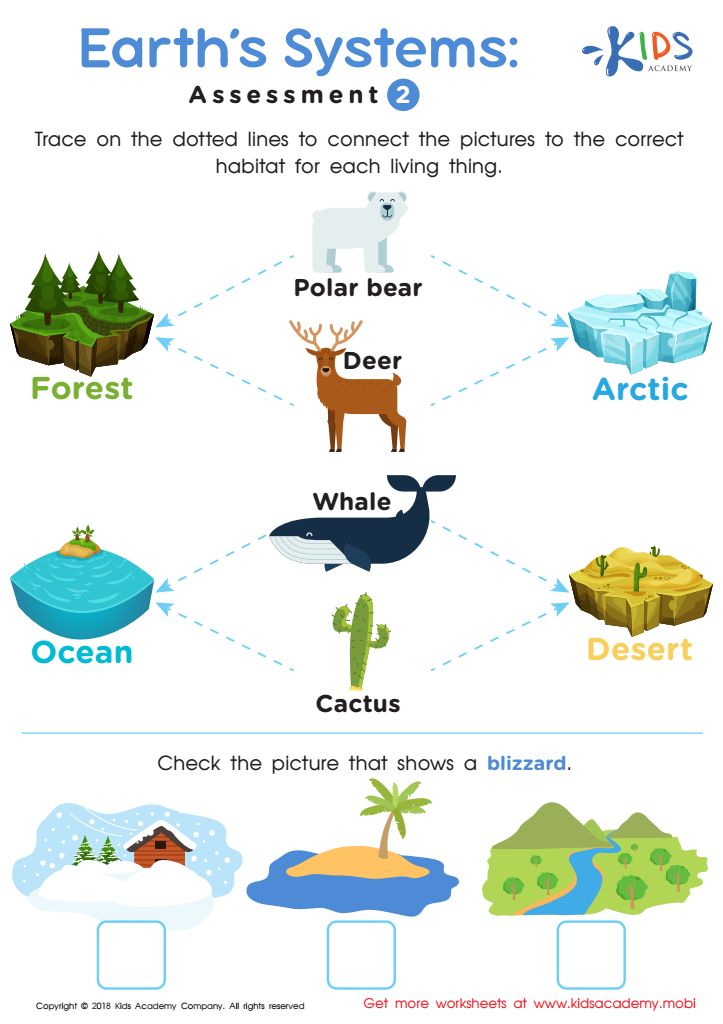
Earth's Systems: Assessment 2
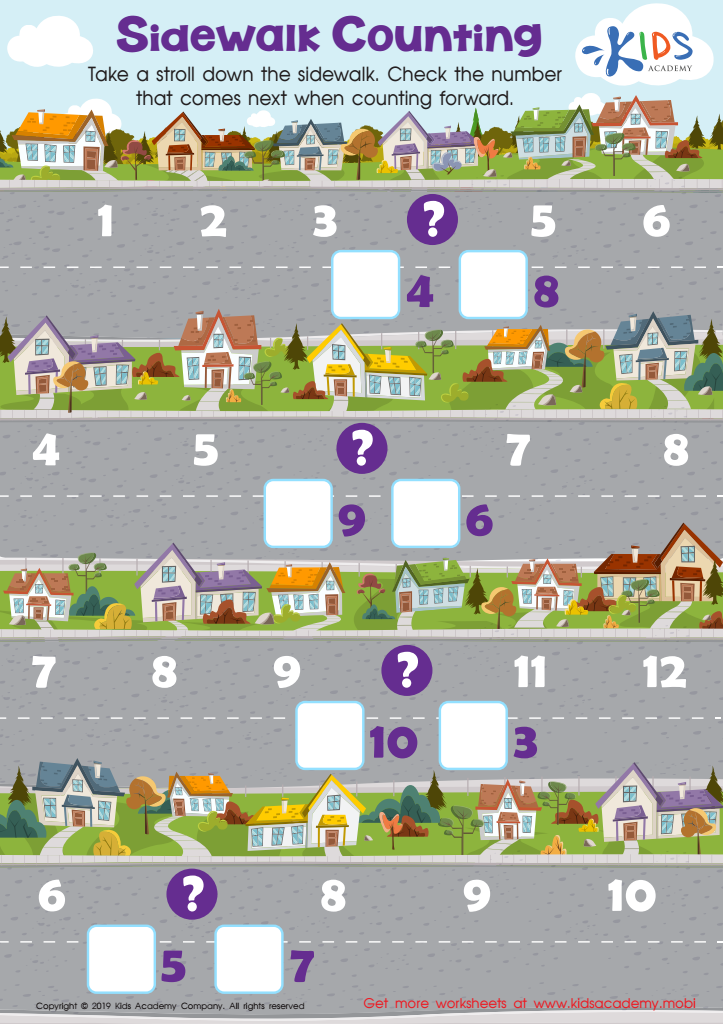
Sidewalk Counting Worksheet
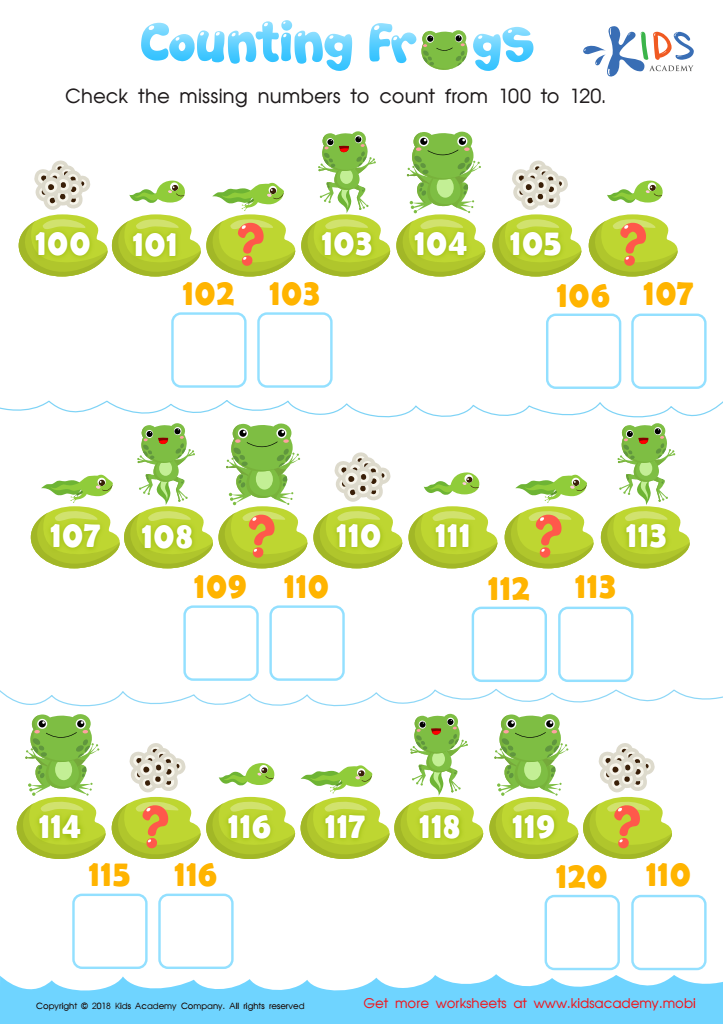
Counting Frogs Worksheet
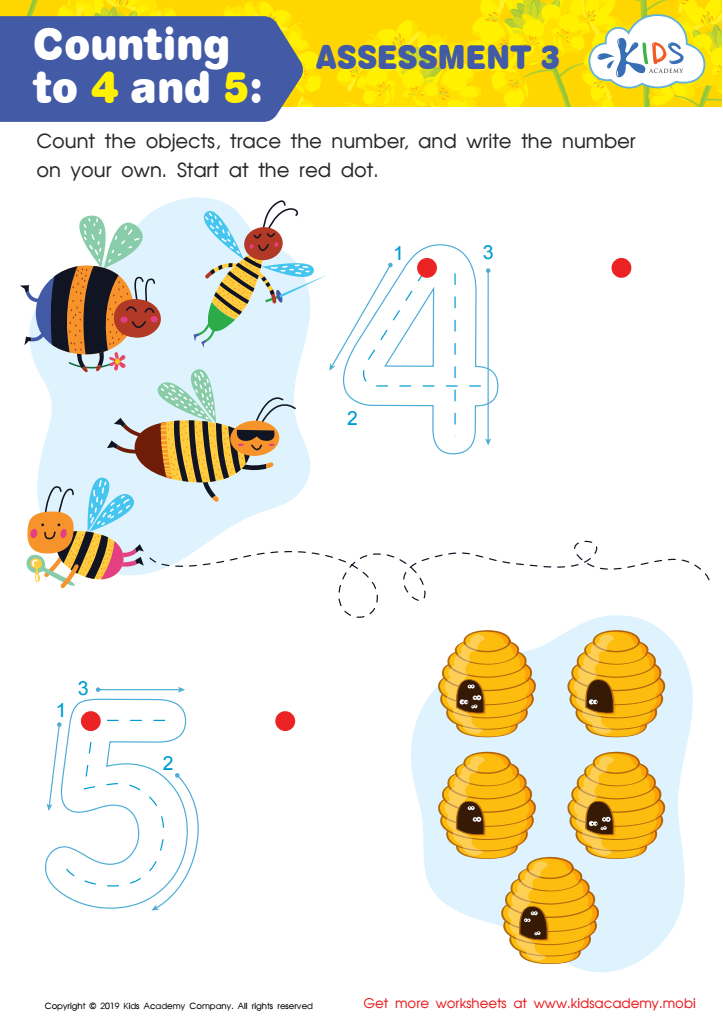
Counting to 4 and 5: Assessment 3 Worksheet
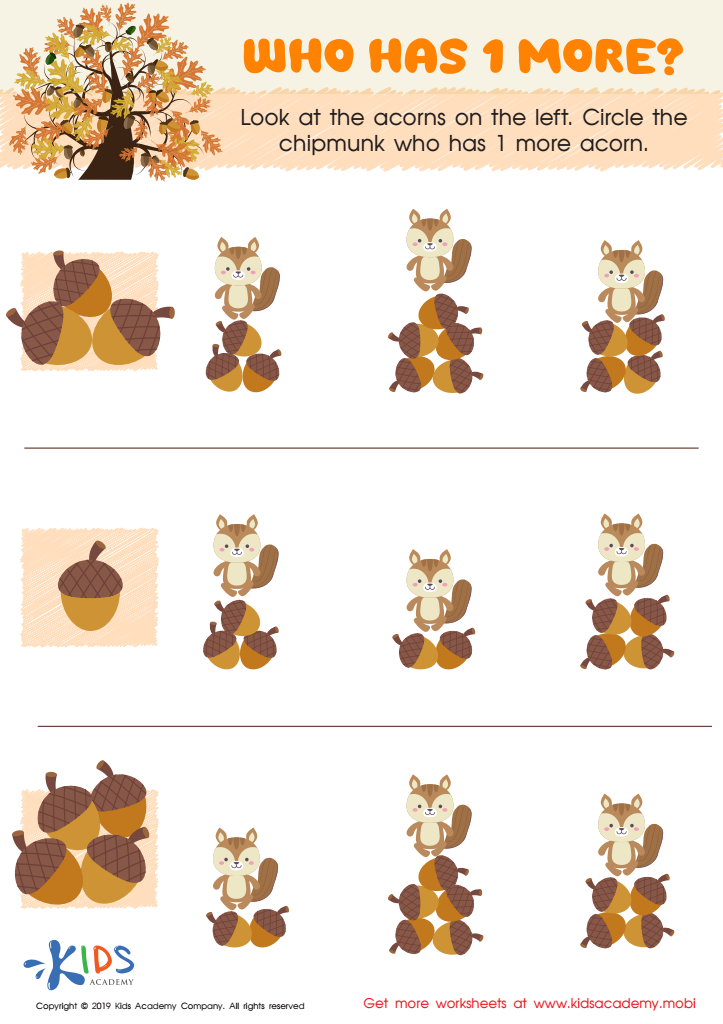
Who Has 1 More? Worksheet
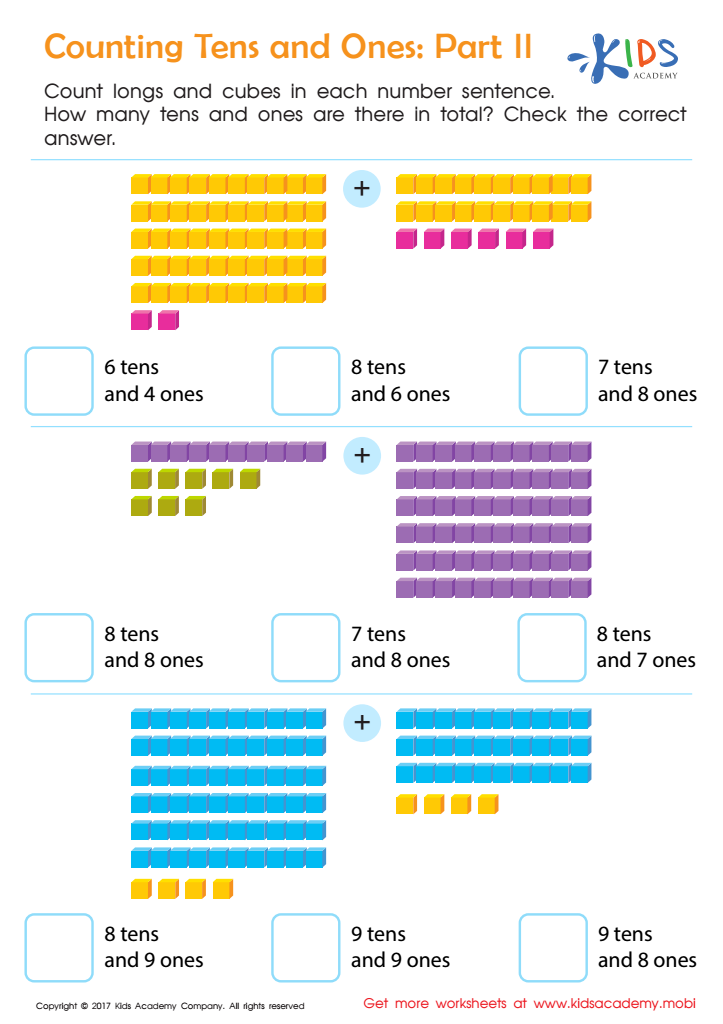
Counting Tens and Ones: Part 2 Worksheet
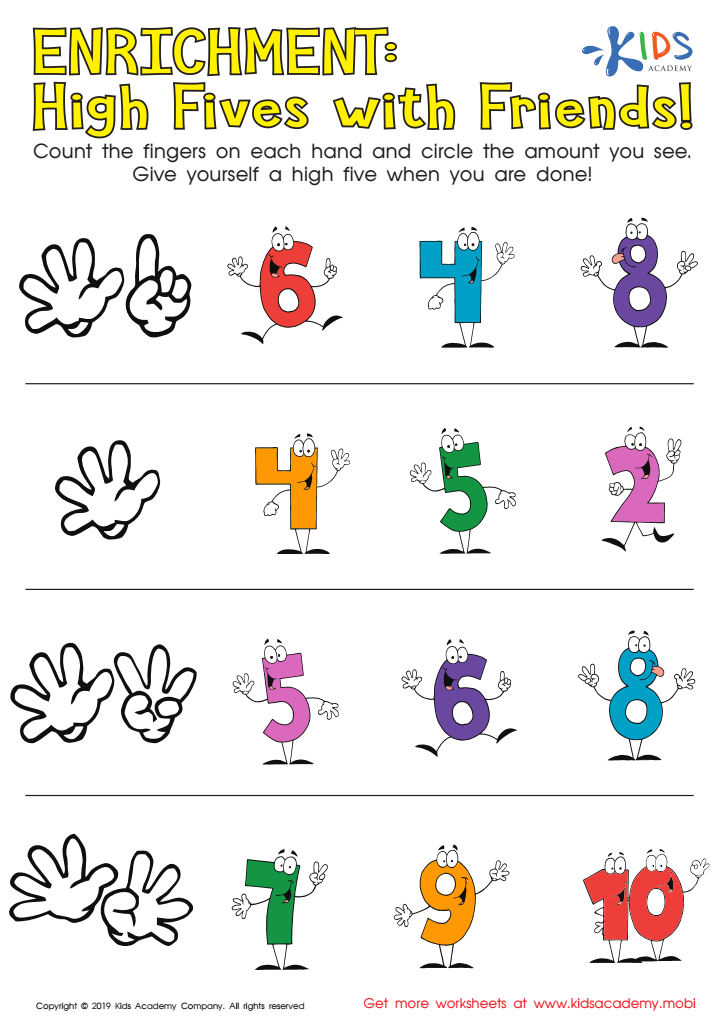
Enrichment: High Fives with Friends! Worksheet
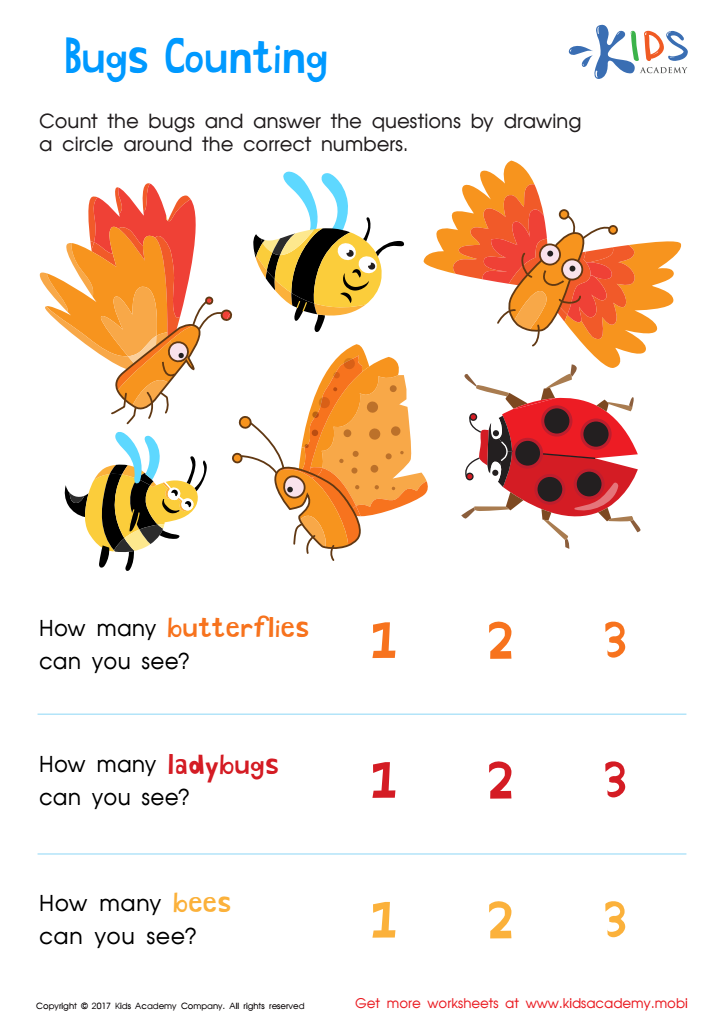
Bugs Counting Worksheet
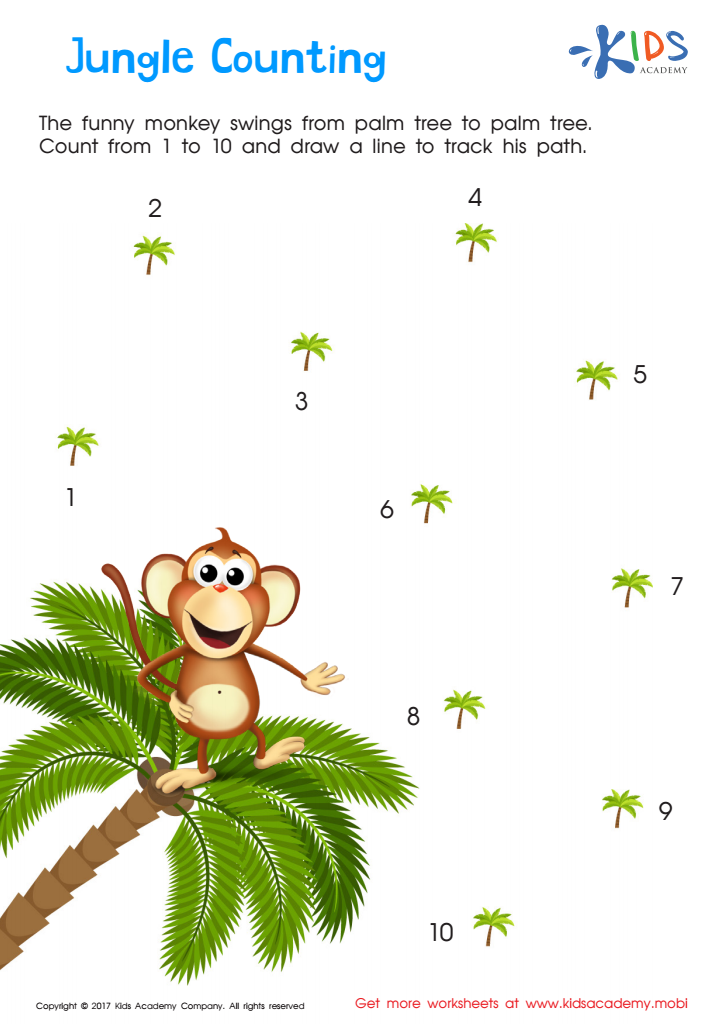
Jungle Counting Connect Dots Worksheet
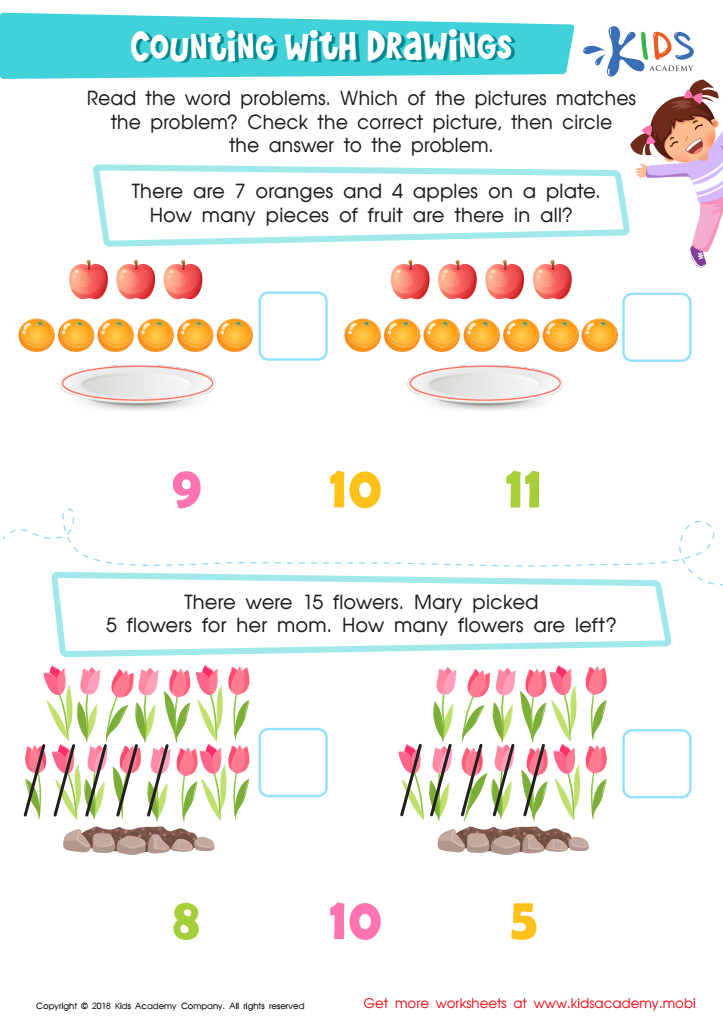
Counting with Drawings:Fruits & Flowers Worksheet
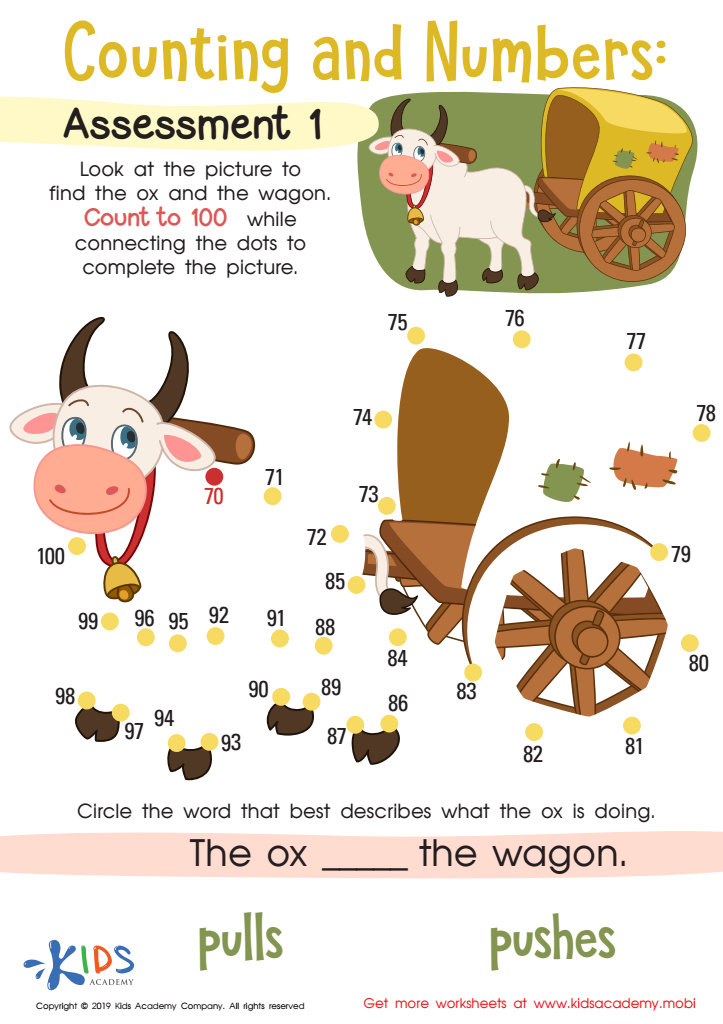
Counting and Numbers: Assessment 1 Worksheet
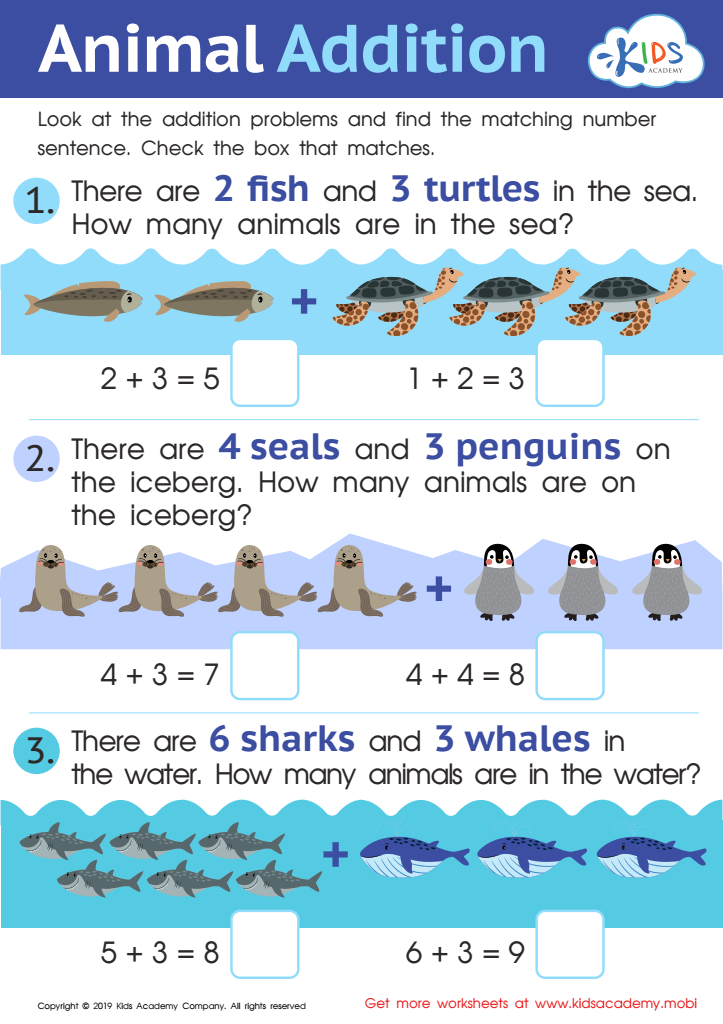
Animal Addition Worksheet
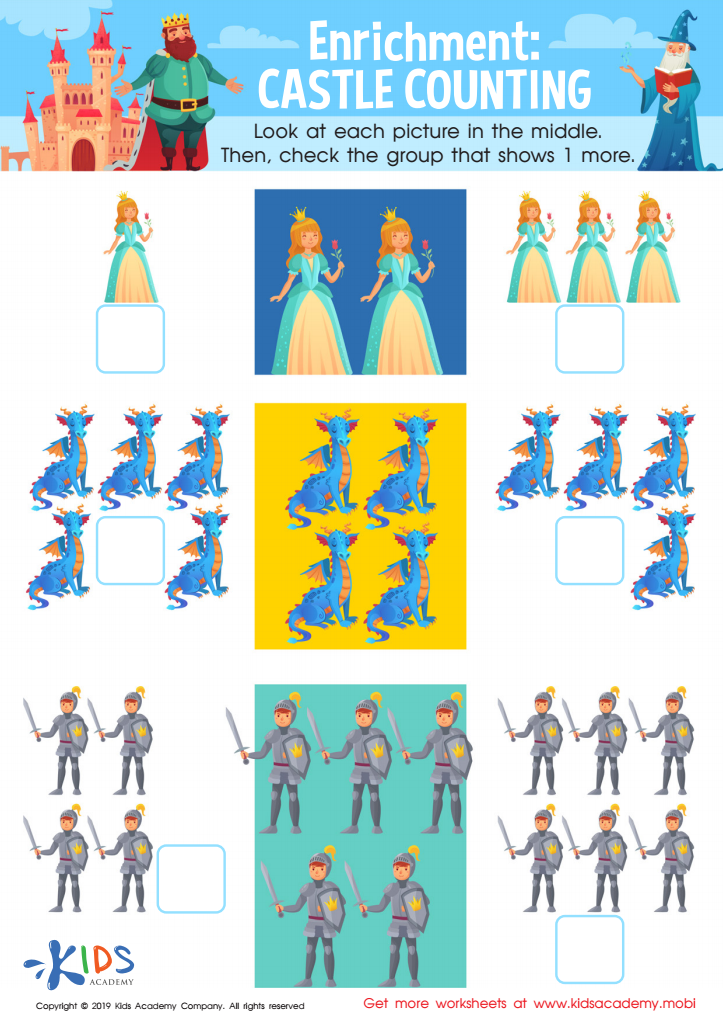
Enrichment: Castle Counting Worksheet
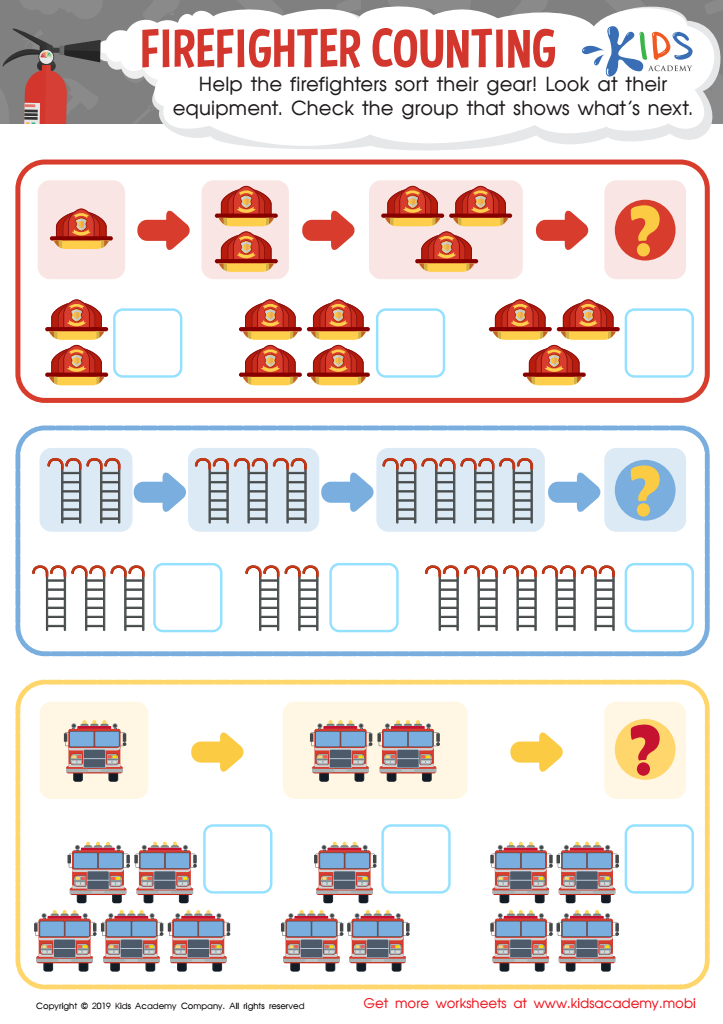
Firefighter Counting Worksheet
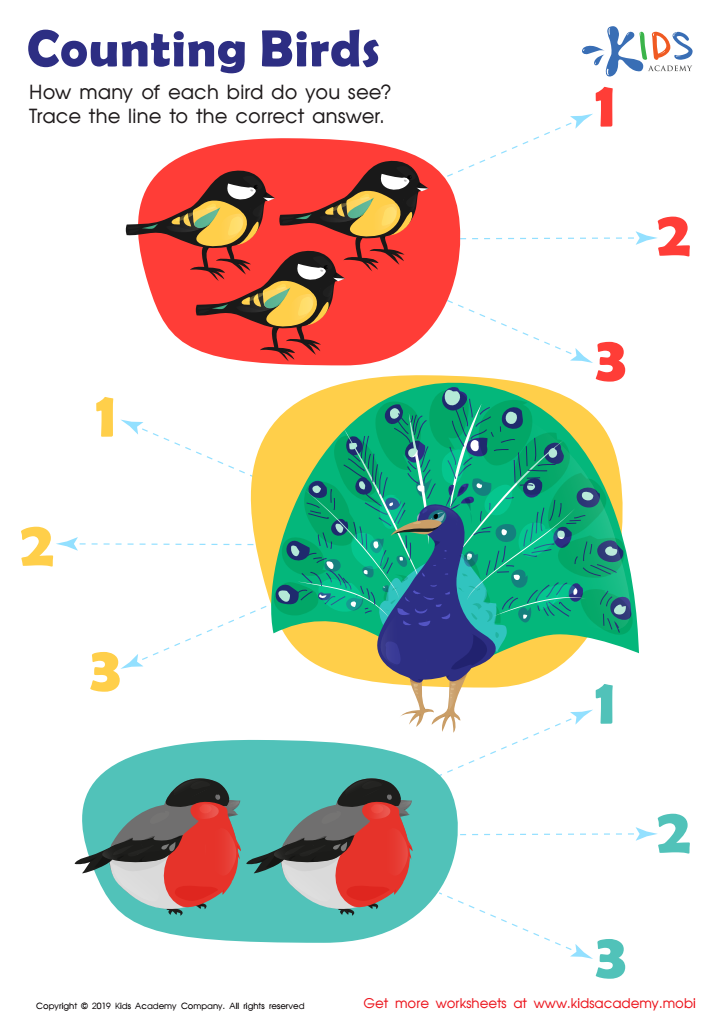
Counting Birds Worksheet








Basic addition math for 6-year-olds is fundamental to their cognitive and academic development, serving as the cornerstone for more complex mathematical concepts they will encounter in later years. When parents and teachers focus on teaching basic addition to children at this age, they foster numerical literacy, which is crucial for problem-solving and logical thinking.
First, mastering basic addition builds a strong foundation for arithmetic skills necessary for everyday tasks, such as telling time, managing money, and measuring ingredients for a recipe. Early understanding of addition can lead to more confidence in math, reducing anxiety that many children face as they encounter more challenging topics.
Second, learning addition enhances cognitive development. Math activities stimulate brain regions associated with analytical thinking, memory, and pattern recognition. As children practice addition, they improve their attention span and ability to understand and manipulate abstract concepts, skills transferable to other academic subjects, such as science and reading comprehension.
Moreover, fostering an interest in math at a young age can lead to a positive attitude towards learning in general. Encouraged by supportive parents and teachers, children are more likely to view challenges with enthusiasm rather than dread. By prioritizing basic addition, adults play a vital role in setting children up for future academic success and holistic development.








