Color recognition Math Worksheets for 6-Year-Olds
18 filtered results
-
From - To
Explore our engaging Color Recognition Math Worksheets designed specifically for 6-year-olds! These fun and interactive worksheets help young learners enhance their color identification skills while developing essential math concepts. Each worksheet incorporates lively illustrations and diverse activities, allowing children to connect colors with numbers, shapes, and counting. Perfect for home or classroom use, our resources encourage creativity and critical thinking. By integrating color recognition with math practice, children gain confidence in their learning abilities. Boost your child's educational journey with our colorful, educational worksheets that make learning both enjoyable and effective! Discover the joy of learning with Kids Academy today!
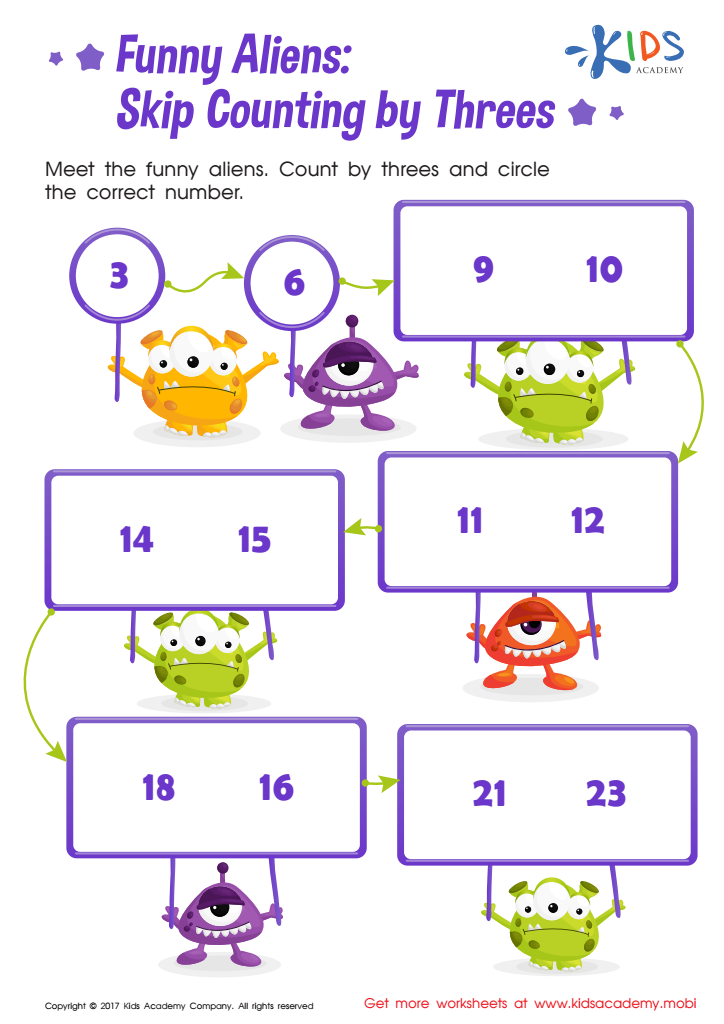
Skip Counting by 3s: Funny Aliens Printable
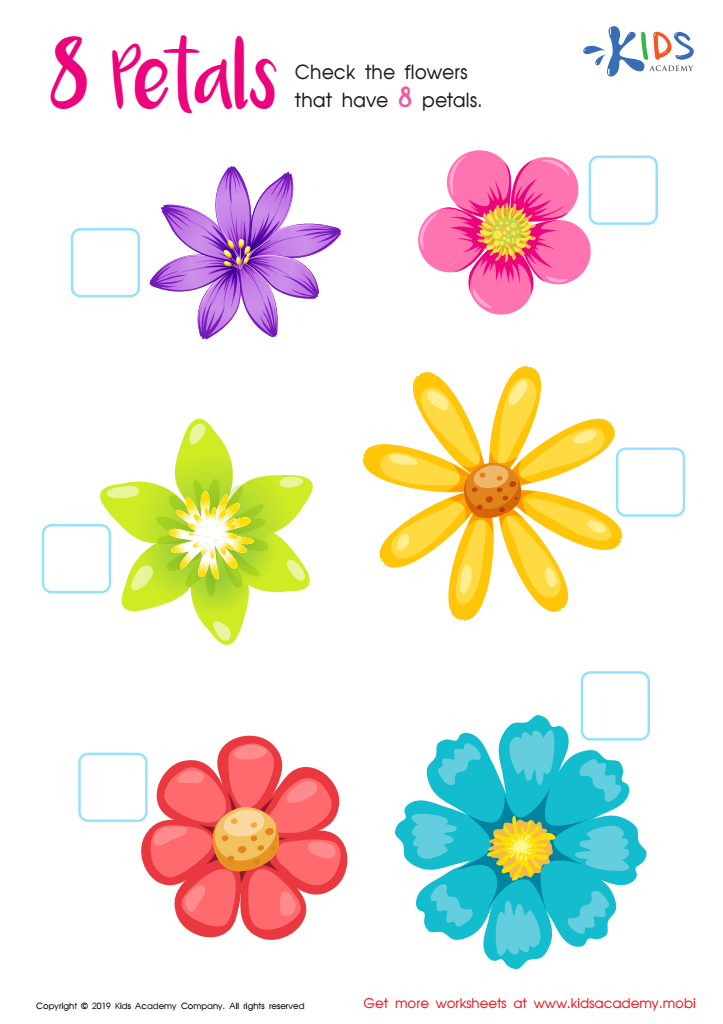
8 Petals Worksheet
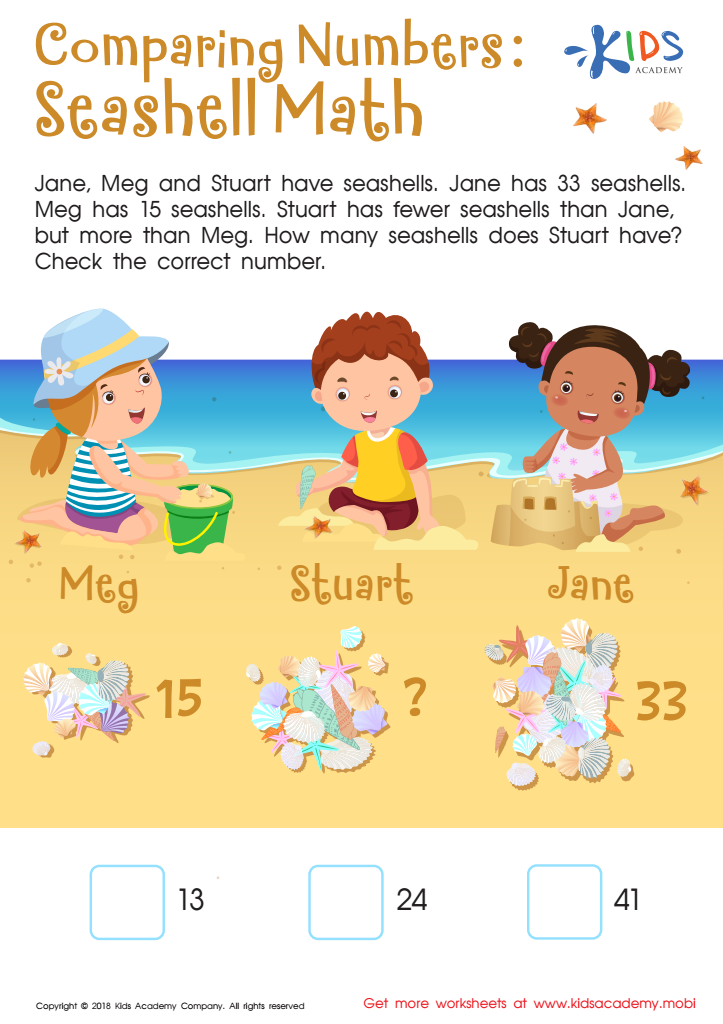
Seashell Collectors Worksheet
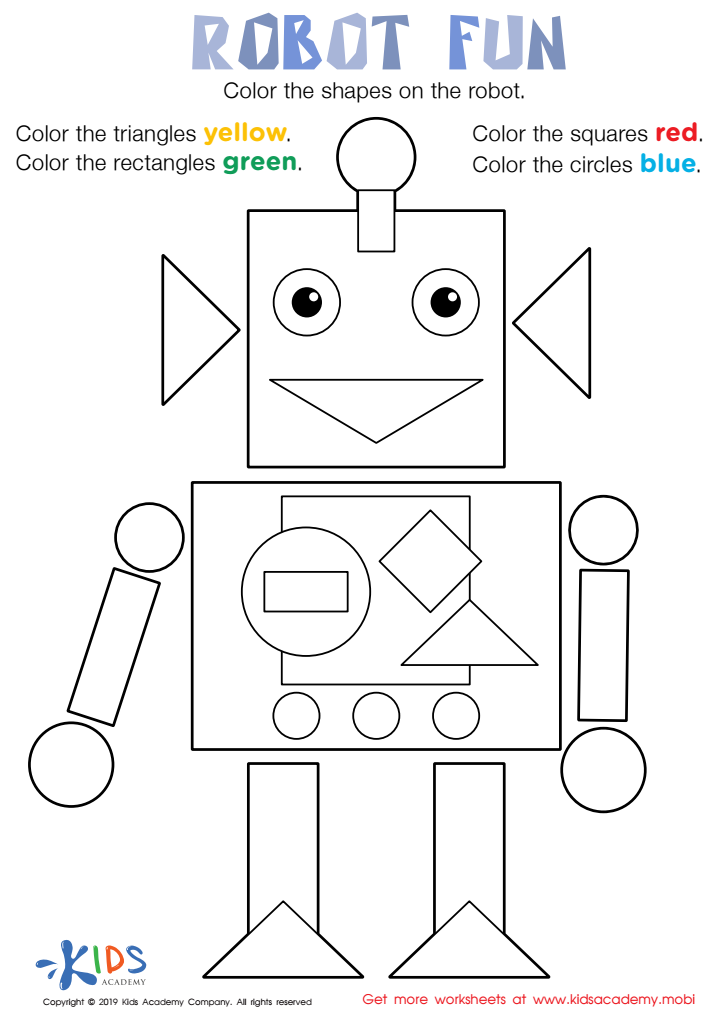
Robot Fun Worksheet
 Assign to My Students
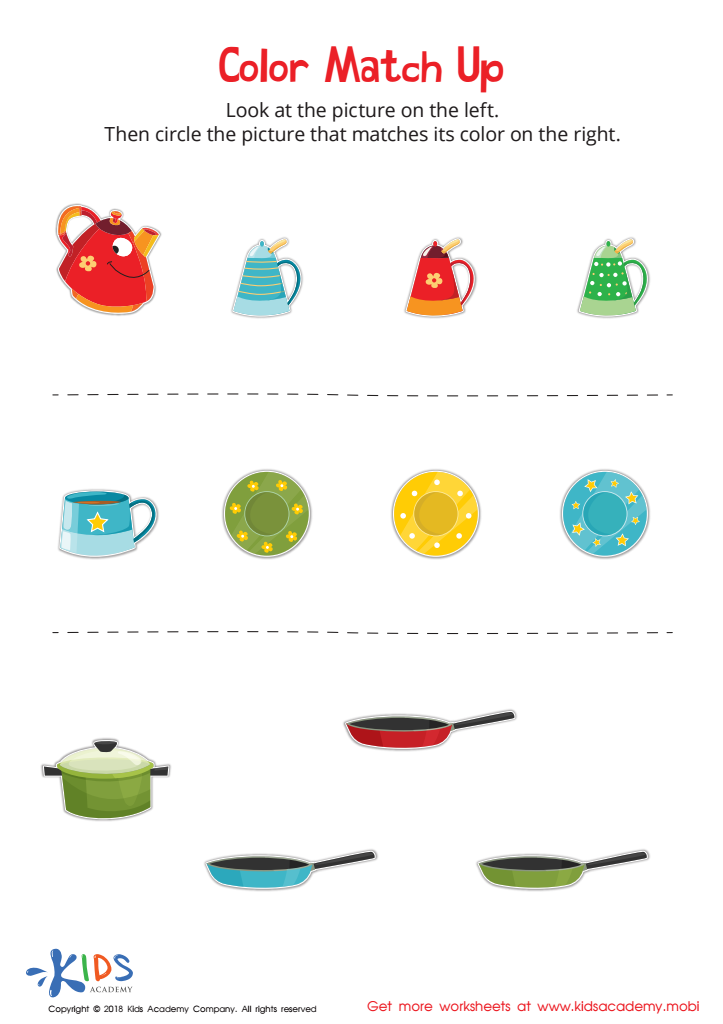
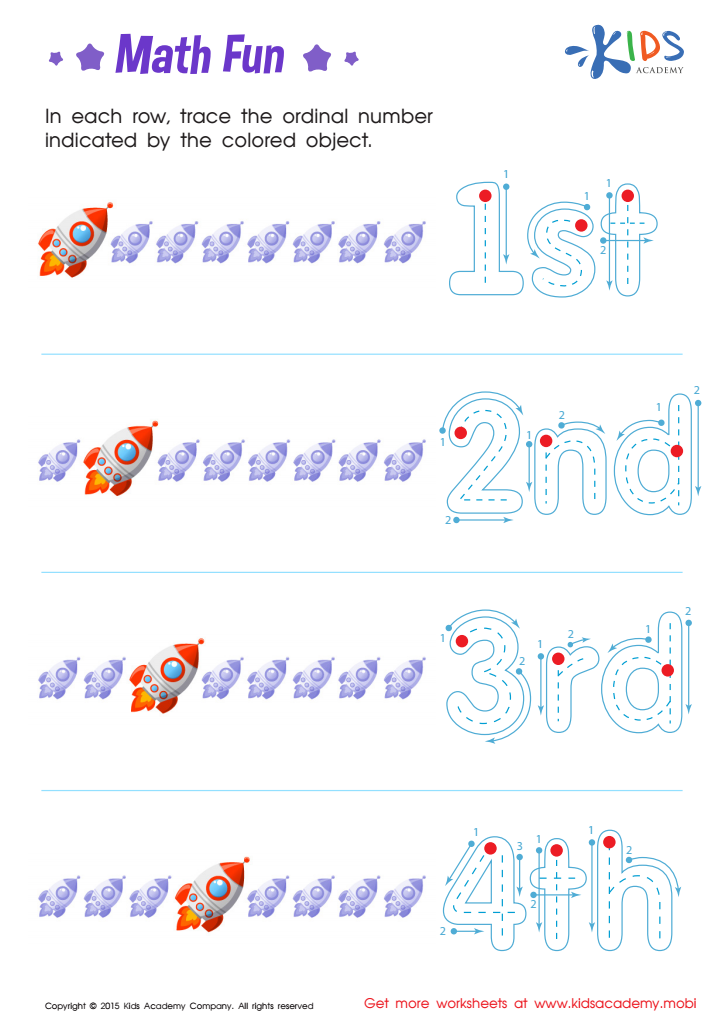
Ordinal Numbers: Math Fun Worksheet
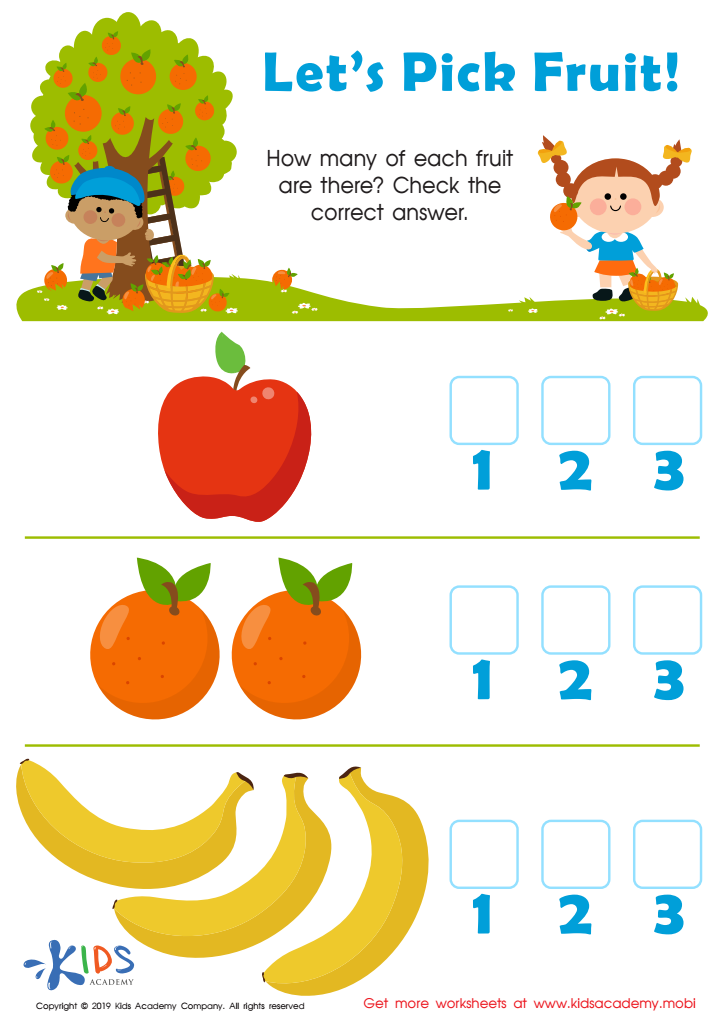
Let's Pick Fruit Worksheet
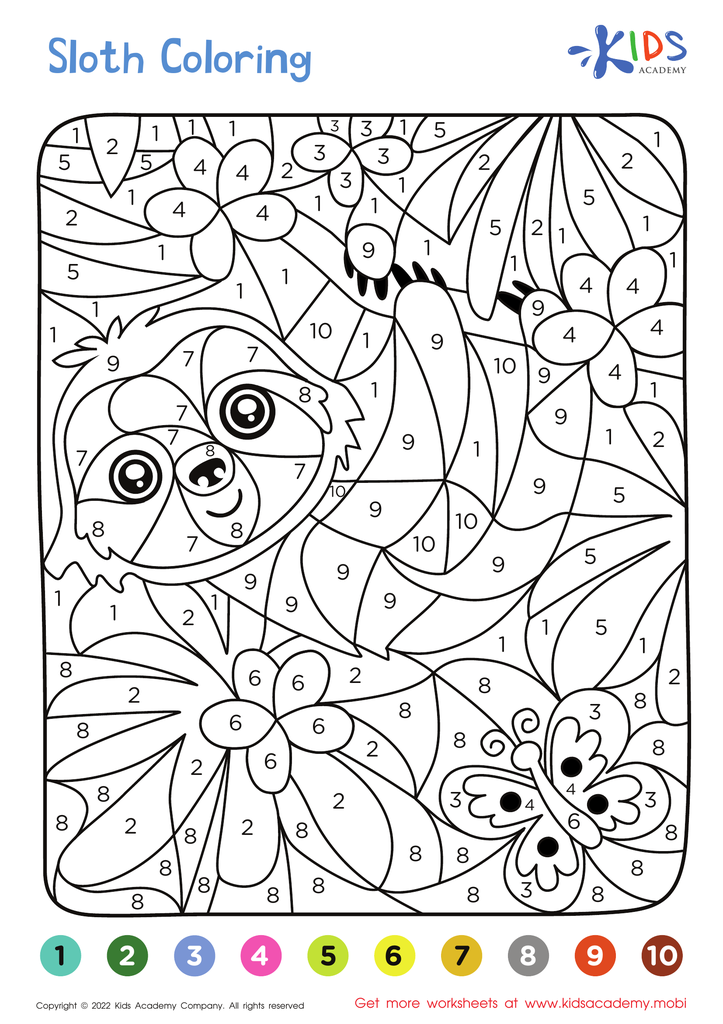
Sloth – Coloring by Numbers
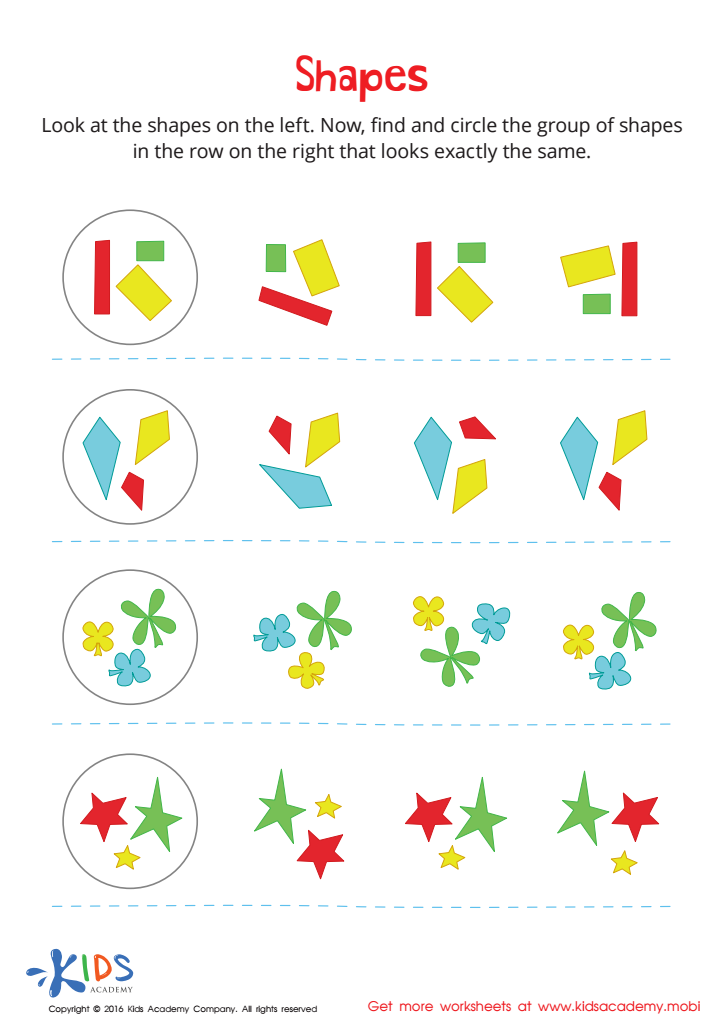
Shapes Worksheet
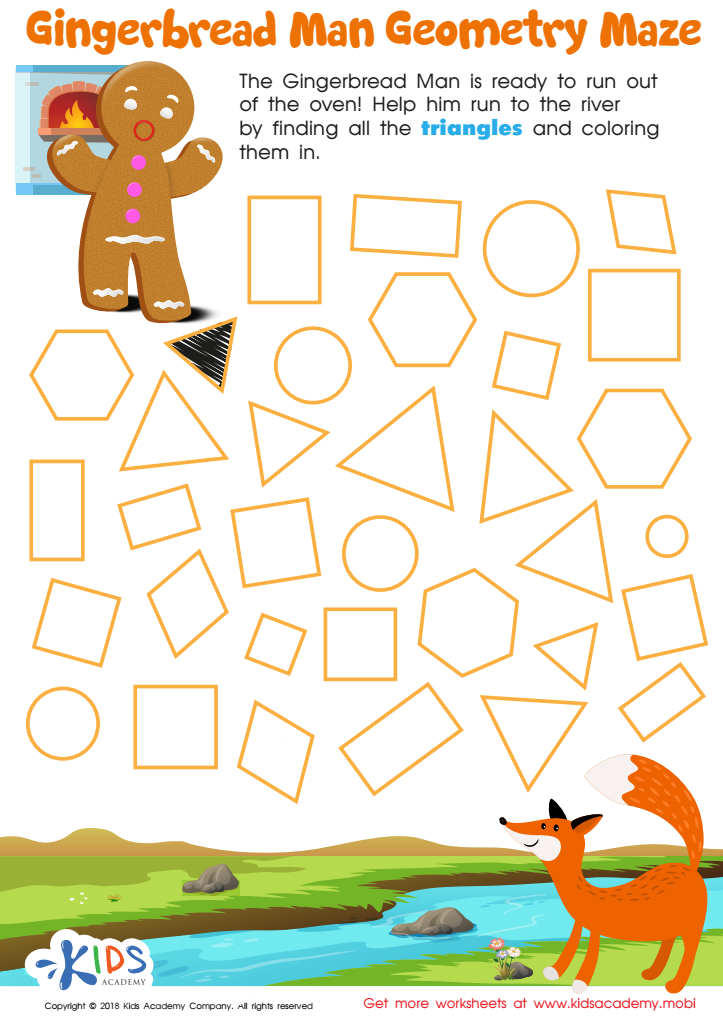
Gingerbread Man Geometry Maze Worksheet
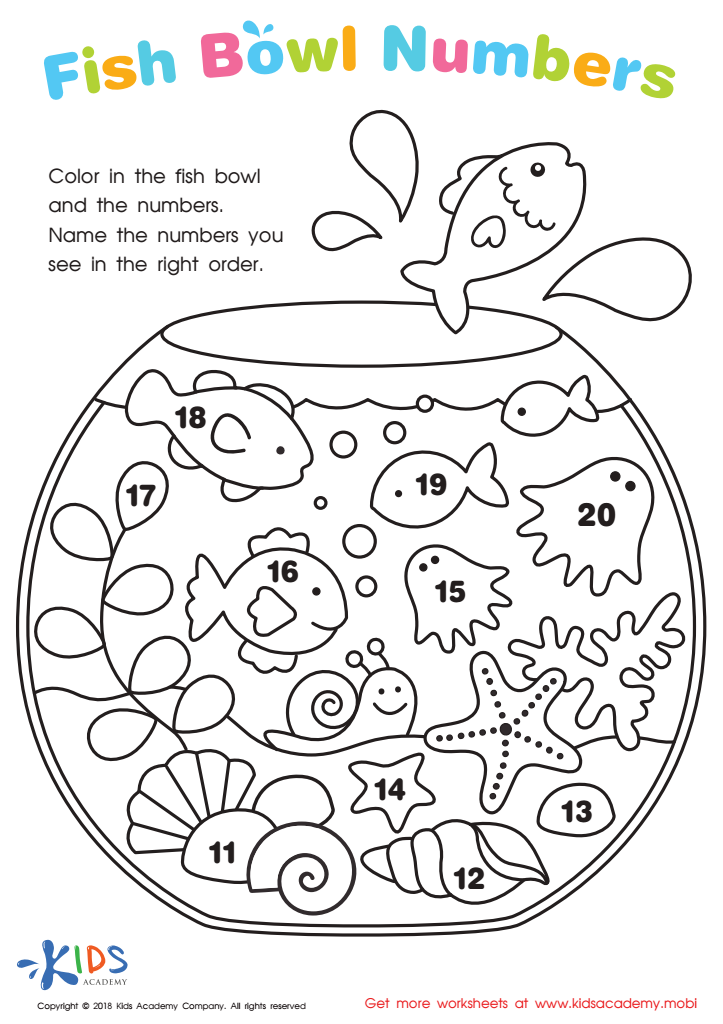
Fish Bowl Numbers Worksheet
Assign to My Students
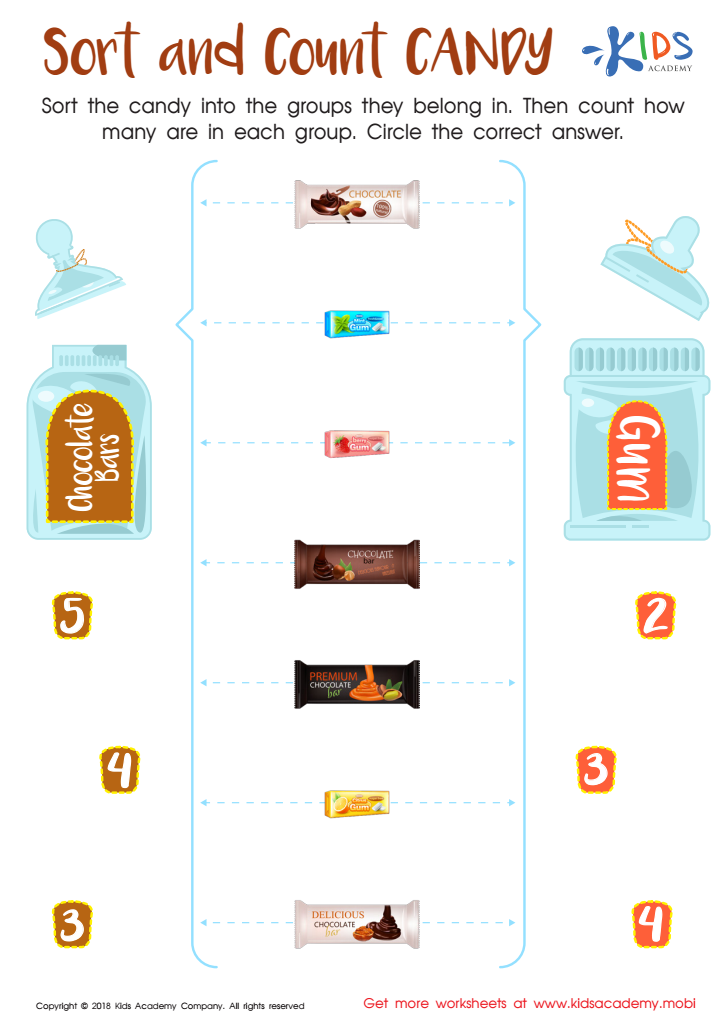
Sort and Count Candy Worksheet
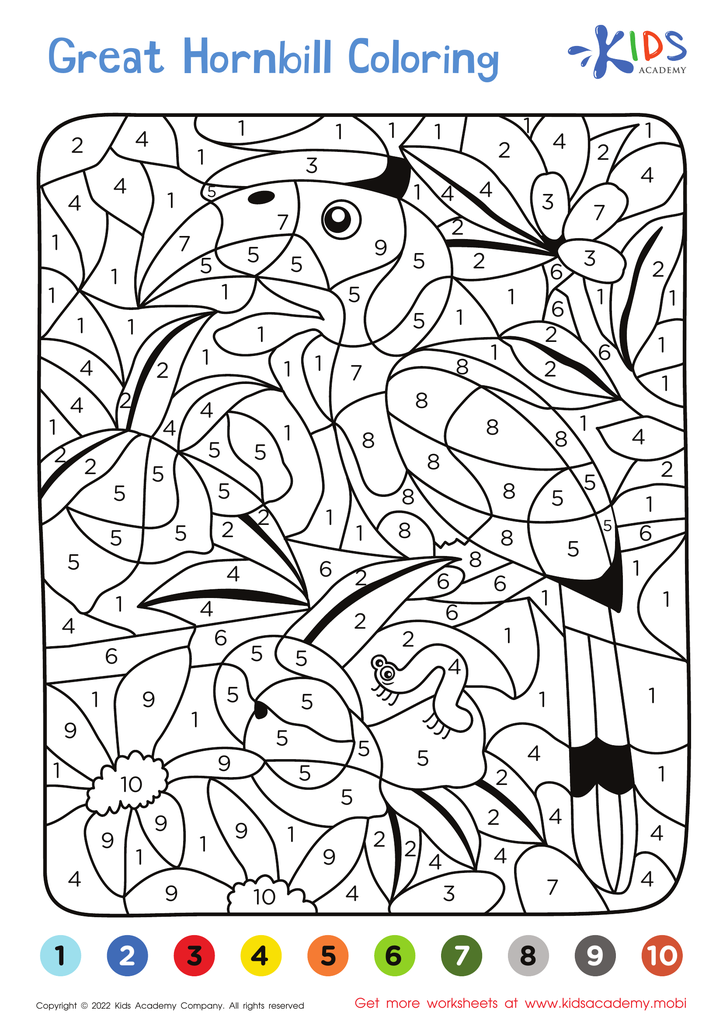
Great Hornbill – Coloring by Numbers
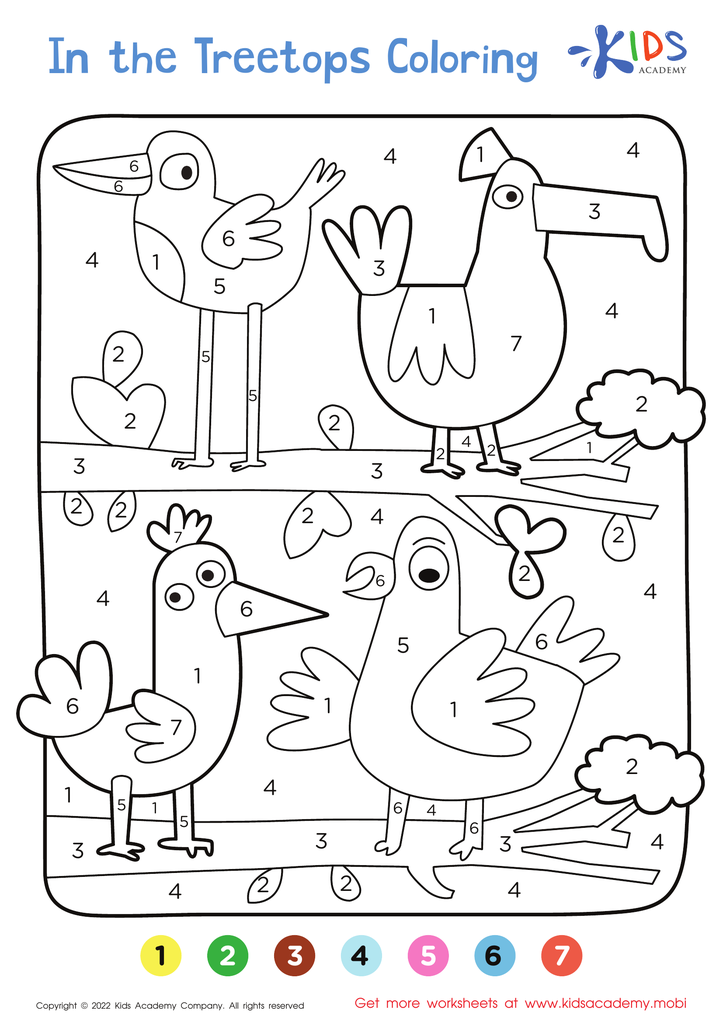
In the Treetops – Coloring Page
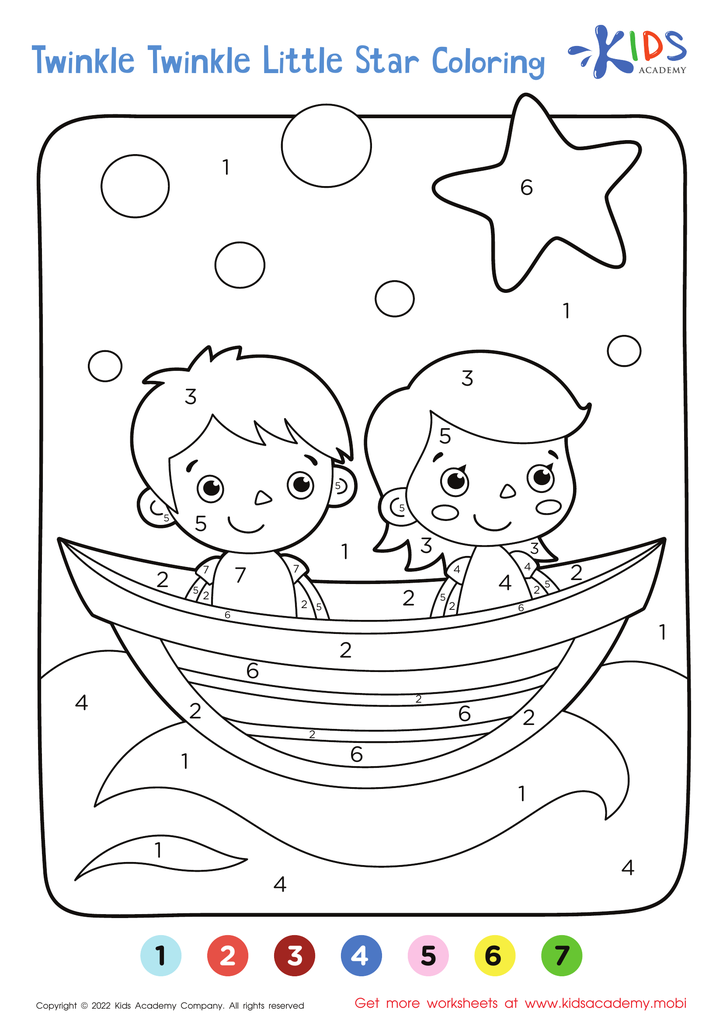
Twinkle, Twinkle, Little Star – Coloring by Numbers
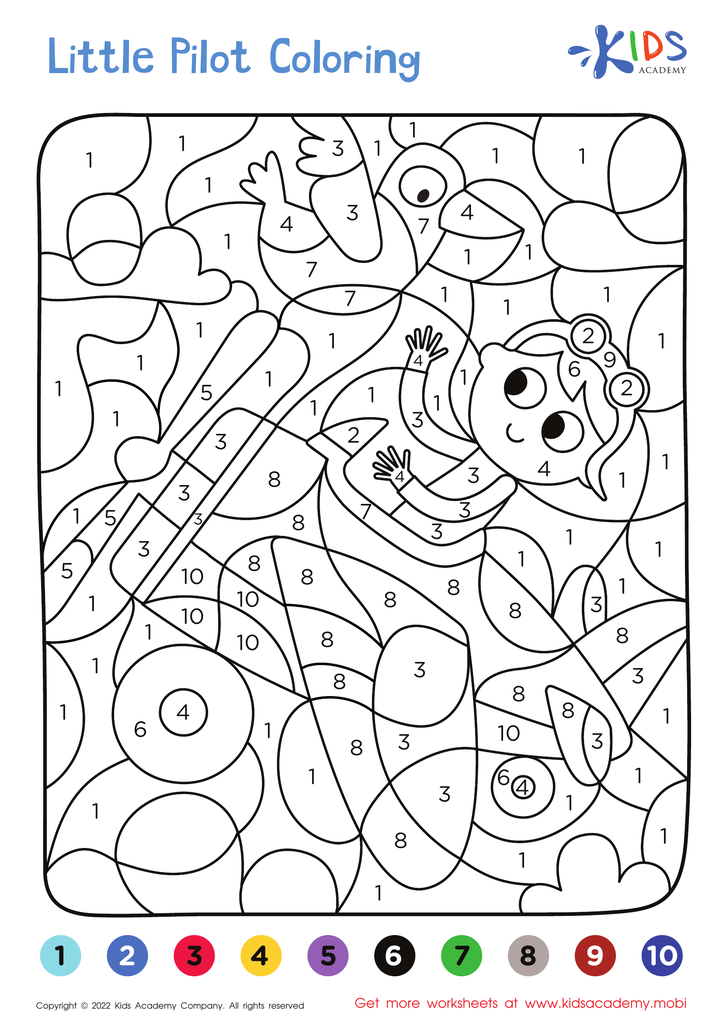
Little Pilot – Coloring by Numbers
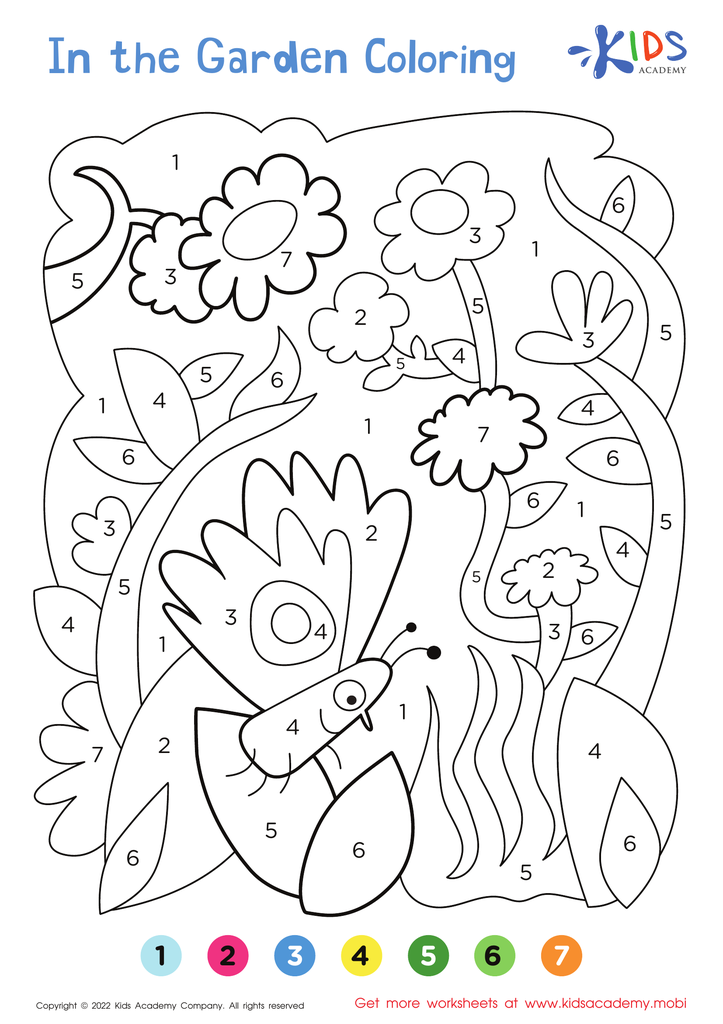
In the Garden – Coloring by Numbers
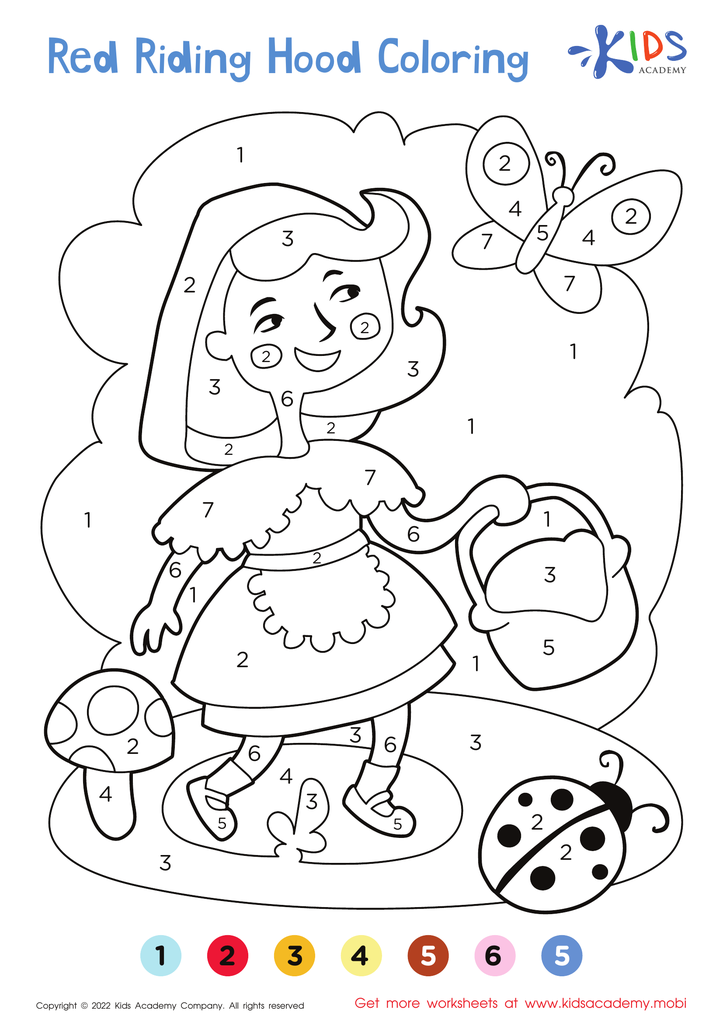
Little Red Riding Hood – Coloring by Numbers








Color recognition is an essential aspect of early childhood education that often intertwines with fundamental math skills. For 6-year-olds, this foundational ability plays a critical role in their cognitive and emotional development. Understanding colors enhances a child's ability to categorize and differentiate objects, which is crucial for mathematical concepts such as sorting, counting, and patterning.
When parents and teachers emphasize color recognition, they help children develop visual discrimination skills that support mathematical reasoning. For instance, recognizing different colors allows children to group objects effectively, an important skill when learning about sets or performing basic addition and subtraction problems. Engaging with colors also makes math more relatable and enjoyable for young learners, encouraging their participation and enthusiasm.
Moreover, incorporating color activities in math lessons can enrich a child's vocabulary and promote communication skills, as they describe their thoughts and reasoning. Enhanced color recognition can lead to greater confidence in exploring more complex math concepts, laying the groundwork for future learning.
Ultimately, parents and teachers should care about color recognition math not just as a standalone skill but as a crucial building block that supports a child’s overall academic journey, fostering both mathematical and social growth.








