Understanding multiplication Math Worksheets for 6-Year-Olds
5 filtered results
-
From - To
Welcome to our "Understanding Multiplication Math Worksheets for 6-Year-Olds" page! Here, you will find a variety of engaging and colorful worksheets designed to introduce early learners to the concept of multiplication. These materials use fun visuals and relatable examples to help young minds grasp the basics of grouping and repeated addition. Each worksheet is tailored to match the cognitive level of 6-year-olds, providing an interactive way to enhance their math skills. Encourage your child's learning journey with our resources, designed to make math both enjoyable and educational. Dive in and watch their confidence in multiplication grow!
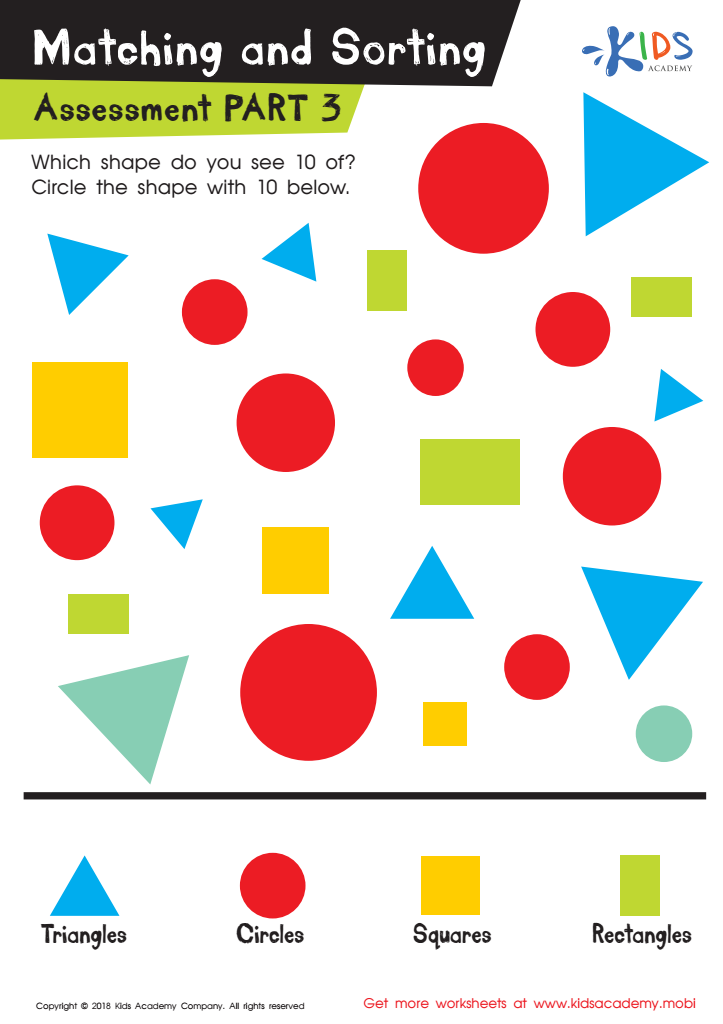
Matching and Sorting for Kindergarten: Assessment 3 Worksheet
 Assign to My Students
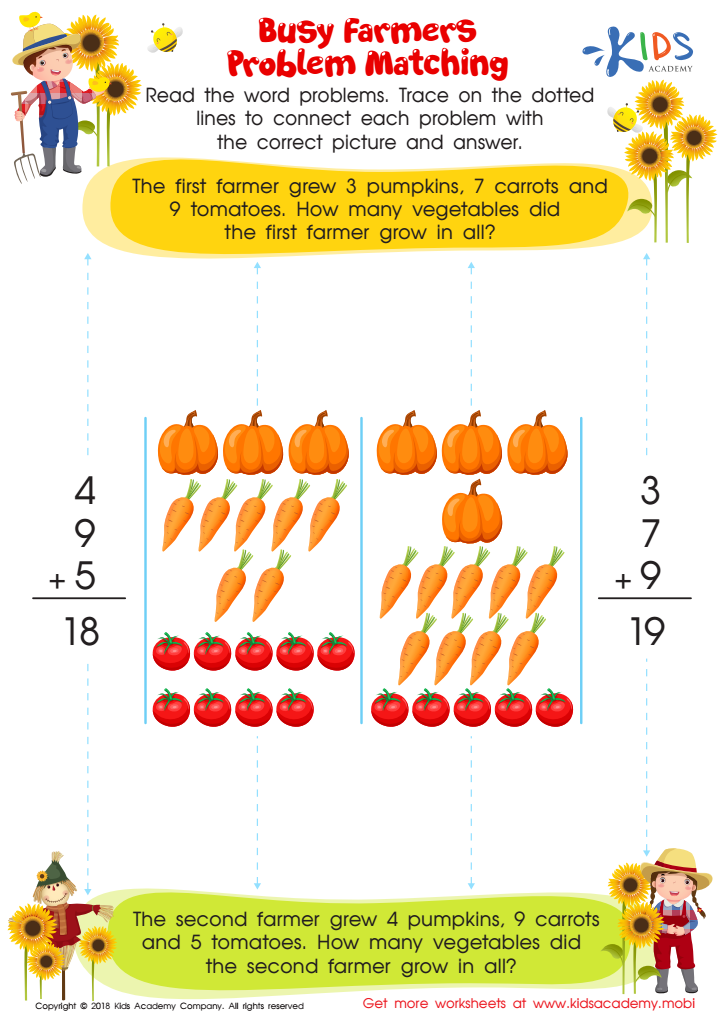
Busy Farmers: Problem Matching Worksheet
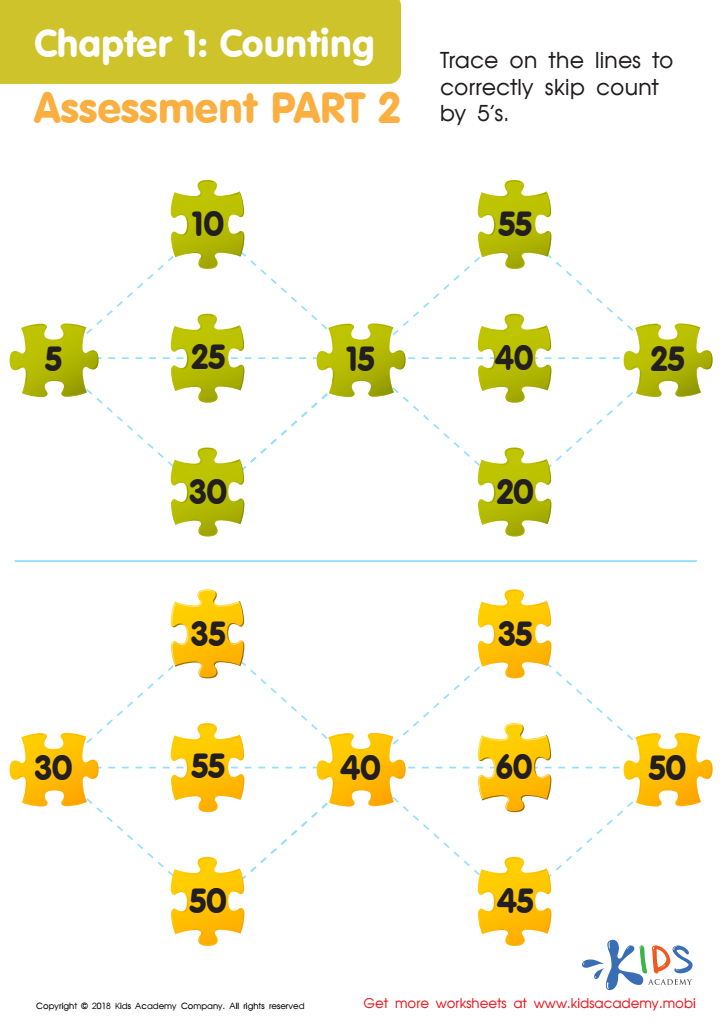
Counting: Assessment 2 Worksheet
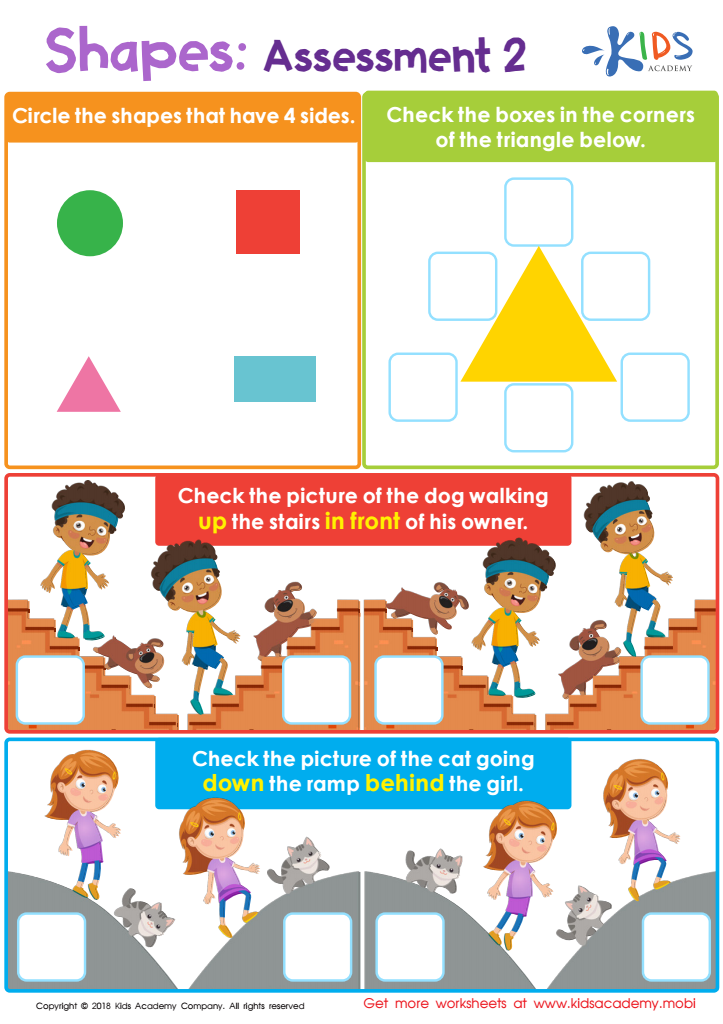
Shapes: Assessment 2 Worksheet

Enrichment: Firefighter Ladders Worksheet







Understanding multiplication at the age of six lays a foundational skill for a child's mathematical development and overall academic growth. At this stage, children begin to grasp basic number concepts, making it an ideal time to introduce multiplication. Recognizing that multiplication is essentially repeated addition helps children establish connections between different mathematical operations, enhancing their overall comprehension.
Moreover, multiplication fosters critical thinking and problem-solving skills. When children learn to visualize groups of numbers, they develop the ability to think logically and understand patterns. This cognitive development is crucial for tackling more complex math in later years, easing their path into more challenging concepts in a supportive way.
Parents and teachers play a vital role in this process. Encouraging exploration through games, practical examples, and engaging activities makes learning multiplication enjoyable and relatable. This builds a positive attitude towards math, reducing anxiety and resistance towards the subject.
When children understand multiplication early on, they are more likely to succeed in future math endeavors, leading to improved confidence and performance in school. Therefore, parents and teachers should prioritize teaching multiplication to ensure children are well-equipped for their educational journey.








