
Vocabulary development Math Worksheets for 6-Year-Olds
5 filtered results
Difficulty Level
Grade
Age
-
From - To
Subject
Activity
Standards
Enhance your 6-year-old's math skills with our engaging Vocabulary Development Math Worksheets! Designed specifically for young learners, these worksheets focus on introducing essential math vocabulary through fun and interactive activities. Children will explore terms while practicing addition, subtraction, and basic problem-solving skills. Our resources combine visual aids and creative exercises to support language development, making learning both enjoyable and effective. These worksheets foster a strong mathematical foundation, preparing kids for future academic success. Perfect for home or classroom use, our vocabulary-focused materials help 6-year-olds build confidence in their math abilities as they expand their language and comprehension skills.
Favorites
With answer key
Interactive
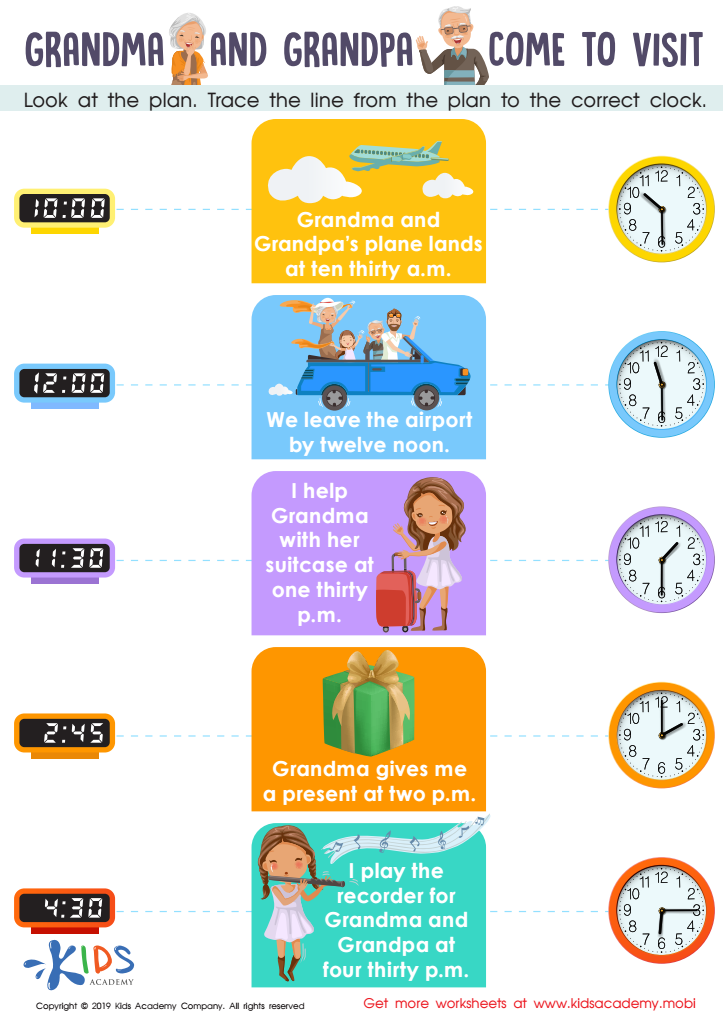
Grandpa and Grandma Come to Visit Worksheet
Have your kids learn about time using this worksheet. It contains pictures, accompanying texts and a clock, which you can use to help them trace the plan. Grandparents' visits and trips to their house are the perfect opportunity to practice this skill. Talk to your kids about the plan and watch them trace it to the correct clock.
 Assign to My Students
Grandpa and Grandma Come to Visit Worksheet
Worksheet
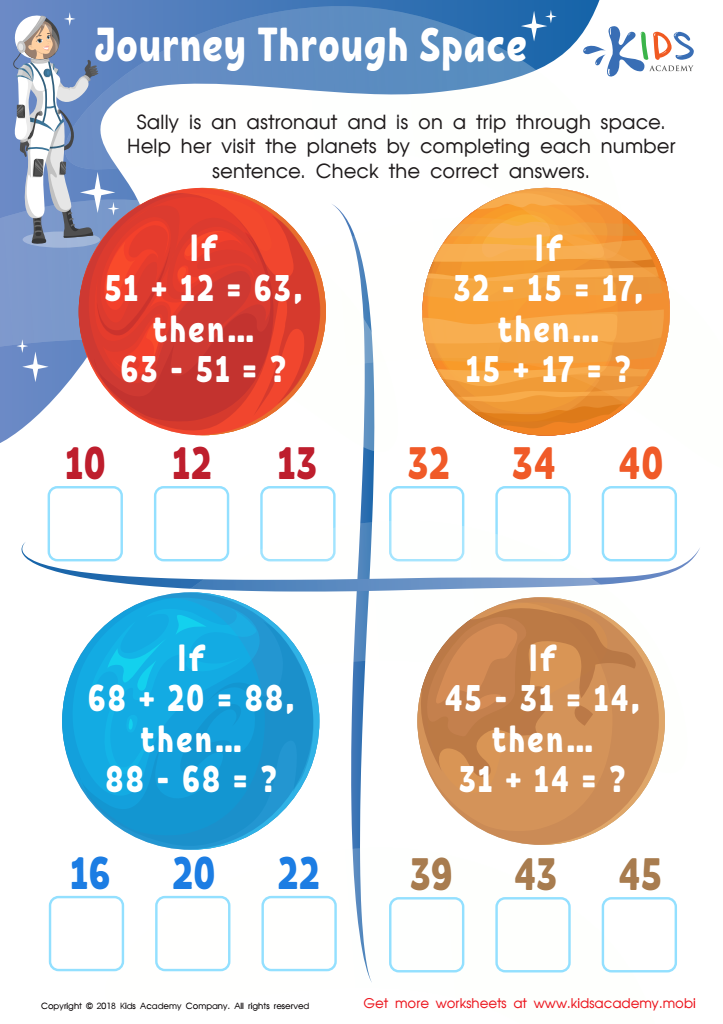
Journey Through Space Worksheet
Astronauts are essential explorers. They travel between Earth and other planets to gain knowledge of life in space. Being an astronaut requires strong math skills, so help your child develop them through this worksheet. Ask them to assist Sally on her journey to the planets by solving the number sentences in the picture. Verify the answers are correct.
Journey Through Space Worksheet
Worksheet
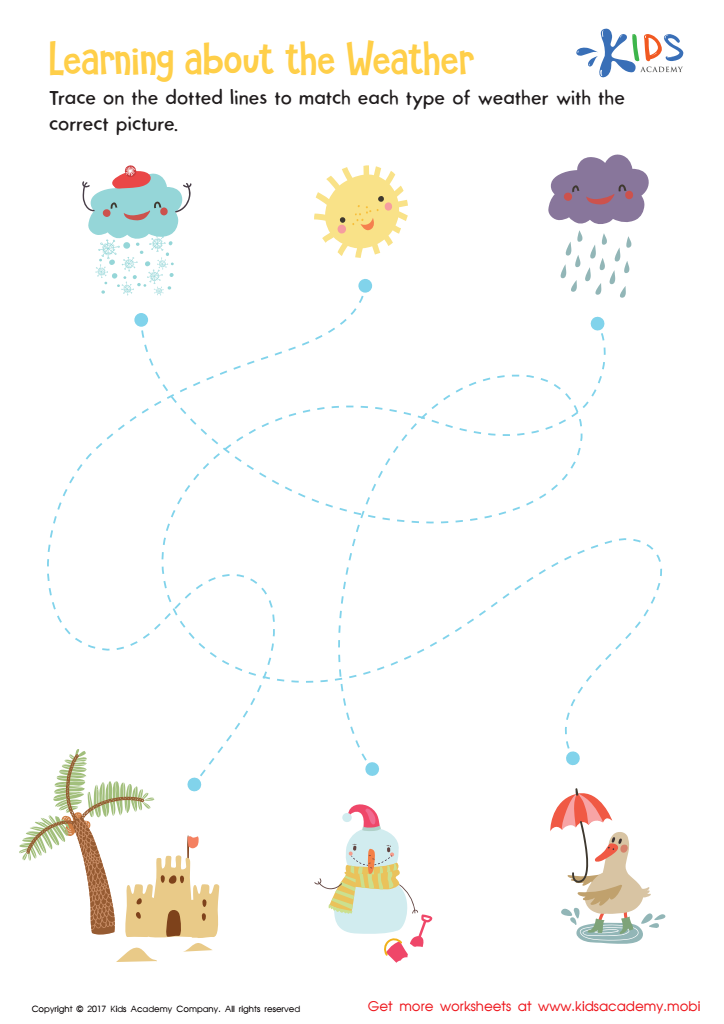
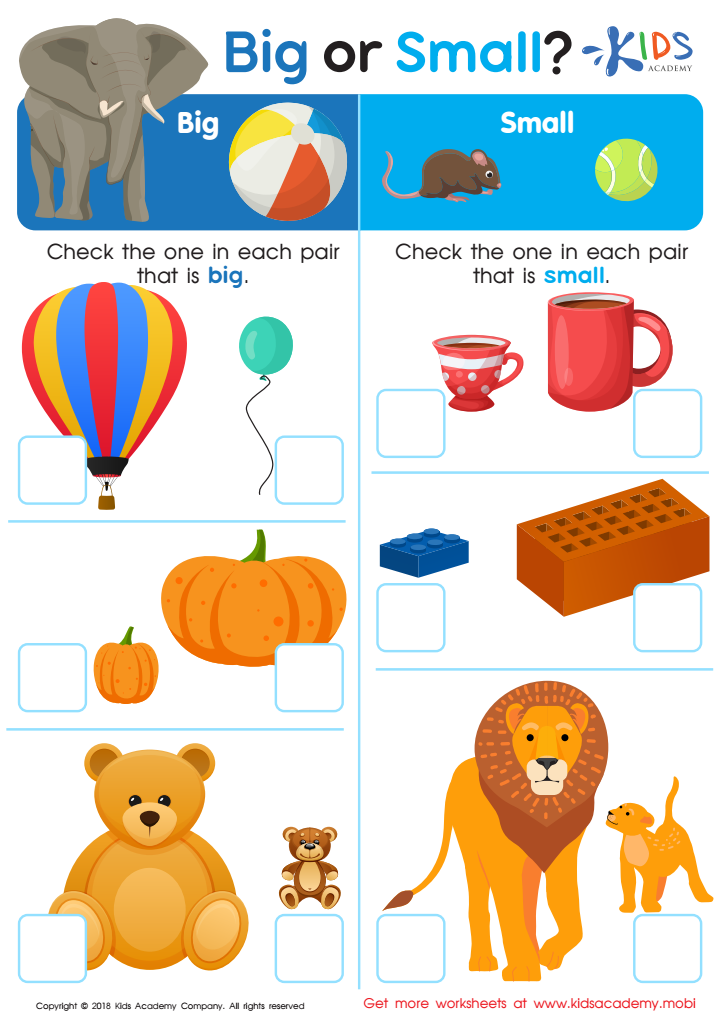
Big or Small? Worksheet
Kids need visuals to understand bigger and smaller concepts. This free PDF worksheet offers fun pictures that let them compare and gain a stronger understanding of sizes. Kids will enjoy it and won't realize they're learning since the pictures are so engaging. It's great preparation for future measurements.
Big or Small? Worksheet
Worksheet
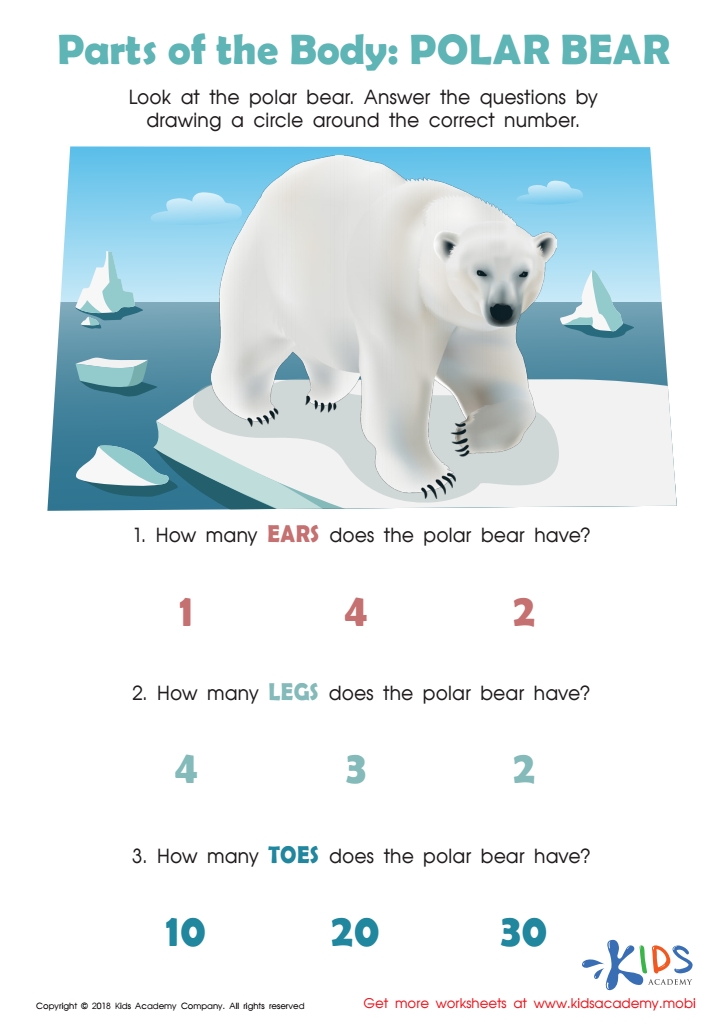
Parts of the Body: Polar Body Worksheet
Start by showing your kid a picture of a Polar Bear. Explain that it's a member of the bear family with white fur and a large size. Use this worksheet to teach them more about the animal. Go through the questions together and have them draw a circle around the correct number for each one.
Parts of the Body: Polar Body Worksheet
Worksheet
Join Kids Academy for Free
Who is primarily going to use this learning content?







Vocabulary development in mathematics for 6-year-olds is crucial because it lays the foundation for strong mathematical understanding and critical thinking skills. At this age, children are not just learning numbers and operations; they are also developing language skills that enable them to explain their reasoning, understand math concepts, and communicate their thoughts clearly.
When children learn mathematical vocabulary—such as "addition," "subtraction," "more," "fewer," and "equal"—they begin to conceptualize mathematical operations and relationships. This vocabulary helps them articulate their understanding and ask questions, which is essential for problem-solving. Additionally, a well-developed math vocabulary supports reading comprehension, as many mathematical problems are presented in written form.
Parents and teachers play a pivotal role in fostering this vocabulary development. By incorporating math-rich conversations at home and in the classroom, asking open-ended questions, and providing engaging materials, adults can encourage children to explore these concepts more fully. This focus on vocabulary not only enhances a child's confidence in math but also prepares them for future academic success. Ultimately, a solid math vocabulary is a key indicator of a child's ability to work independently and persevere through challenging mathematical tasks.








