Improve reading comprehension Building Vocabulary Worksheets for 6-Year-Olds
5 filtered results
-
From - To
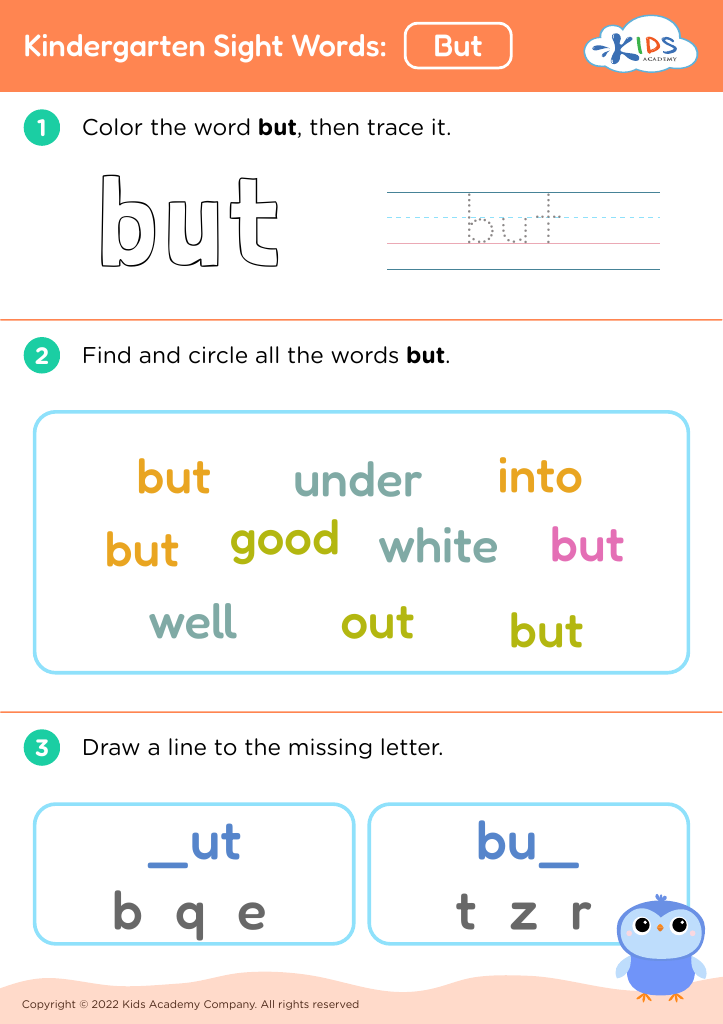
Looking to boost your child’s reading skills? Our "Improve Reading Comprehension Building Vocabulary Worksheets for 6-Year-Olds" are designed to enhance vocabulary and understanding, making reading an enjoyable adventure. These worksheets introduce new words in fun contexts to help your child grasp and remember their meanings effectively. Engaging activities, from word matching to sentence completion, ensure your child builds a strong vocabulary foundation. Perfect for at-home learning or classroom use, our resources provide essential practice in understanding passages and improving literacy skills, setting a solid groundwork for lifelong learning. Help your young reader excel with our expertly crafted materials!
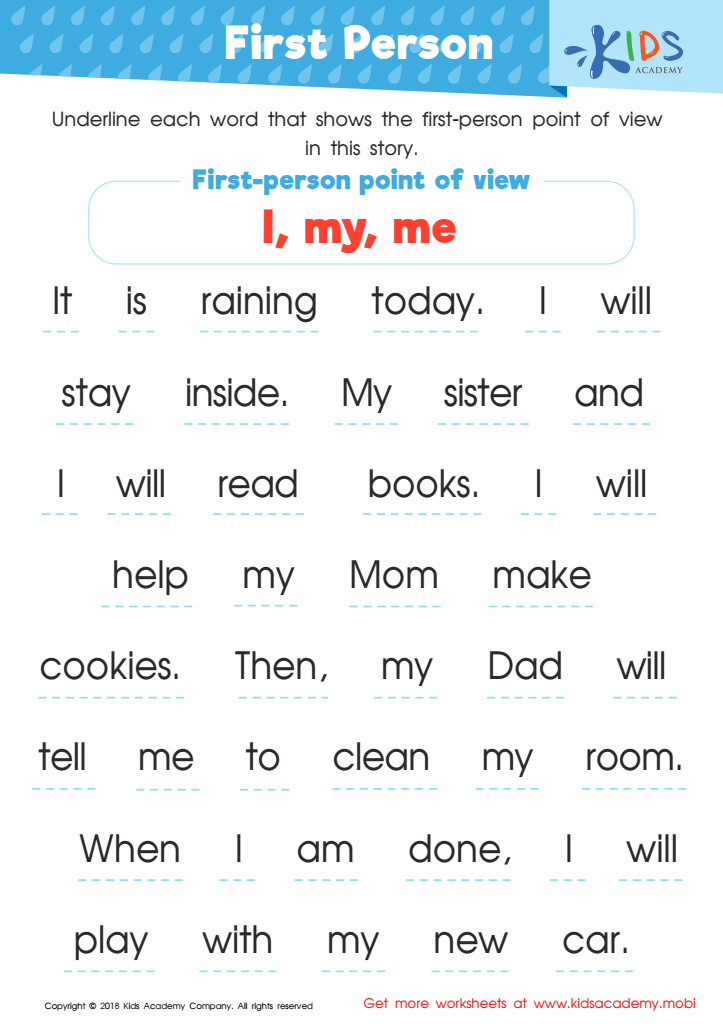
First Person Worksheet
 Assign to My Students











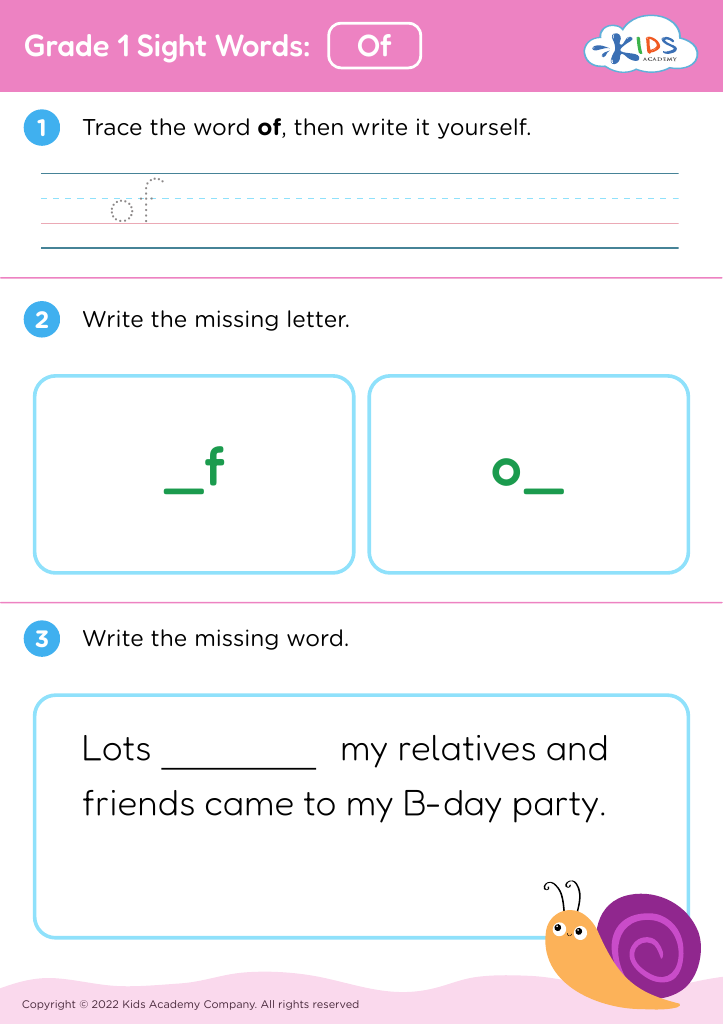
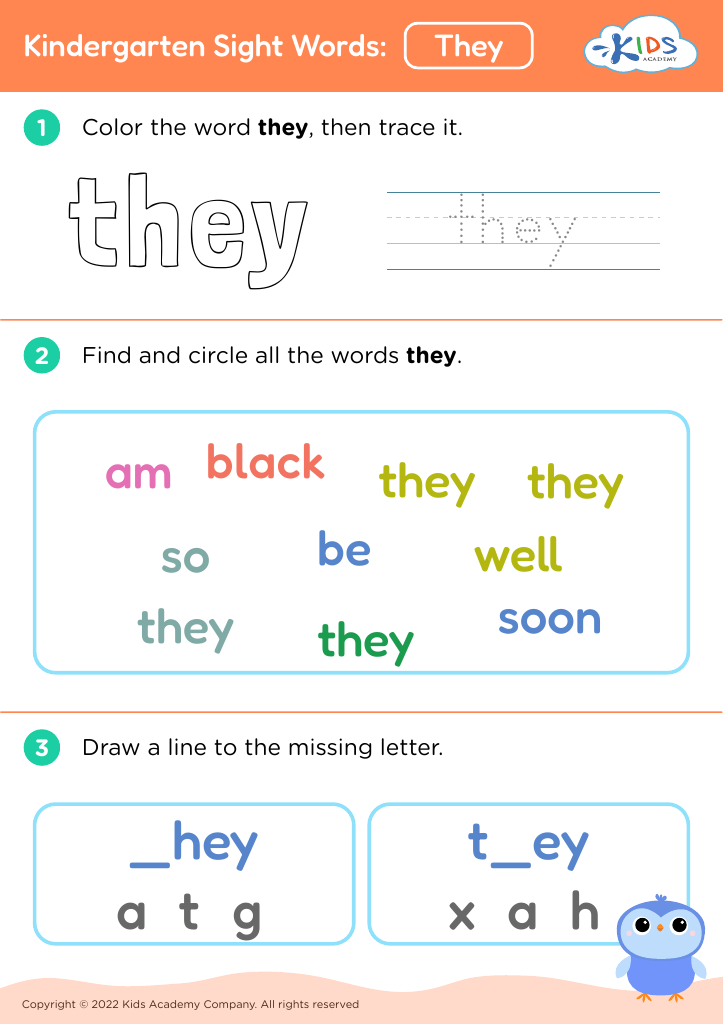
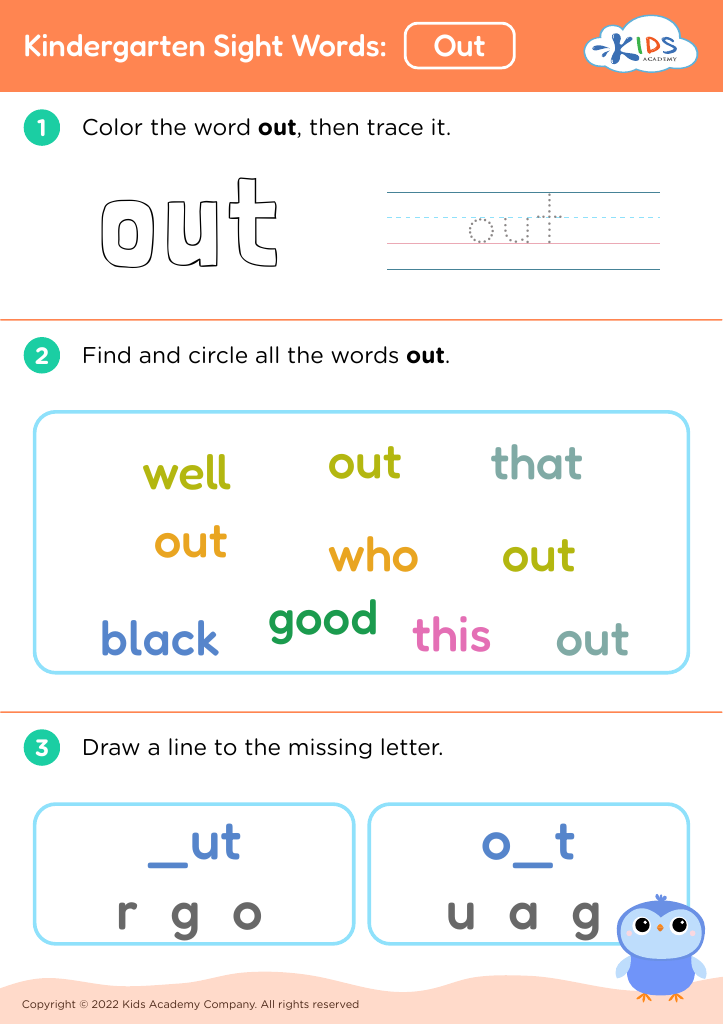






.jpg)

Building a robust vocabulary and improving reading comprehension are crucial for 6-year-olds because these skills form the foundation for academic success and lifelong learning. Reading comprehension goes beyond recognizing words; it involves understanding content, making connections, and deriving meaning from the text. Improving this skill at an early age enhances a child's ability to absorb new information, think critically, and express ideas clearly.
A broad vocabulary directly contributes to better comprehension. When children understand more words, they find it easier to follow stories, instructions, and academic explanations, which can significantly reduce frustration and increase a love for learning. Vocabulary acquisition aids in the development of social skills too, as children can communicate more effectively with their peers and adults, facilitating better relationships.
Parental and teacher involvement play key roles in these developments. Engaging children with diverse reading materials, meaningful conversations, and vocabulary-rich activities can stimulate curiosity and encourage active learning. Structured and consistent vocabulary-building activities, such as reading stories, playing word games, and discussing new words, make learning an enjoyable and shared experience that reinforces positive attitudes toward education.
By prioritizing reading comprehension and vocabulary building at this formative age, parents and teachers can empower children with the necessary tools to excel both in and out of the classroom, setting them up for a future of exploration, confidence, and achievement.








