Letter recognition Building Vocabulary Worksheets for 6-Year-Olds
6 filtered results
-
From - To
Enhance your child's reading and writing skills with our engaging Letter Recognition Building Vocabulary Worksheets designed specifically for 6-year-olds. These worksheets are crafted to help young learners identify letters and associate them with corresponding words, expanding their vocabulary in a fun way. Each activity features vibrant illustrations and interactive exercises that captivate children’s attention, making learning enjoyable. By practicing letter recognition, kids will build a strong foundation for literacy, setting them up for success in their educational journey. Explore our diverse range of worksheets to support your child's language development and foster a lifelong love for reading!
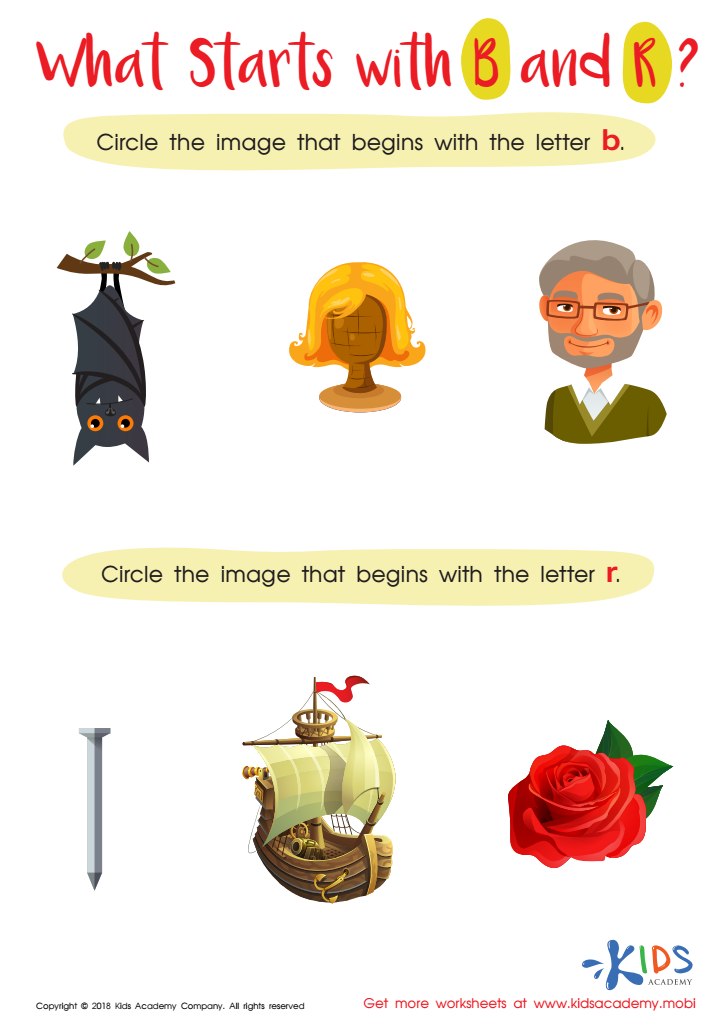
What Starts with B and R? Worksheet
 Assign to My Students











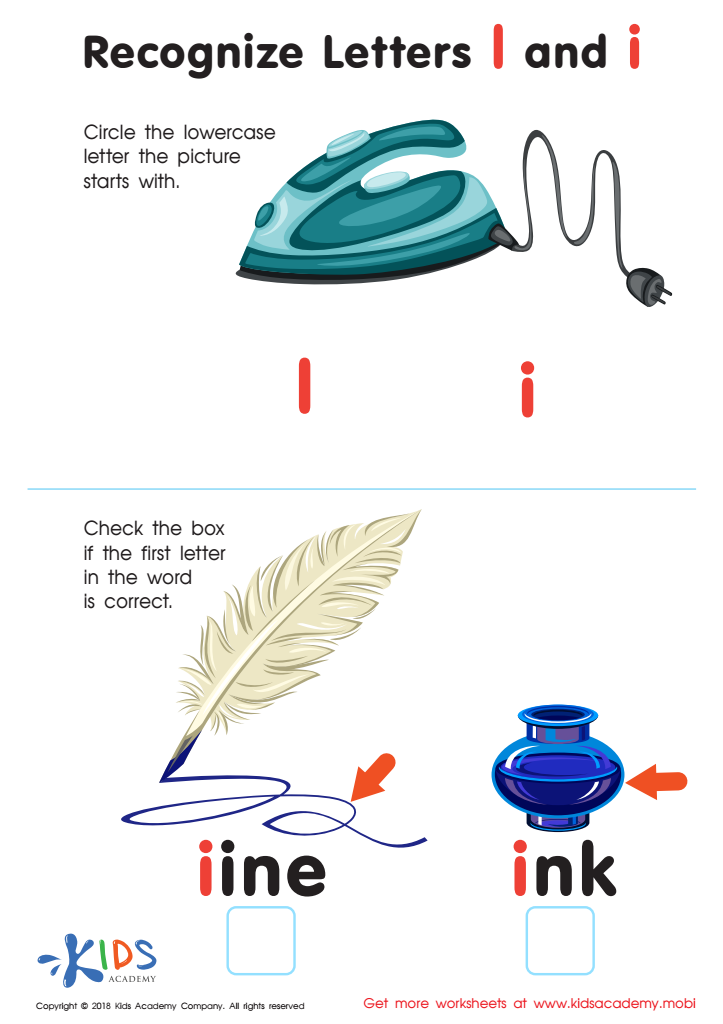
Recognize Letters l and i Worksheet
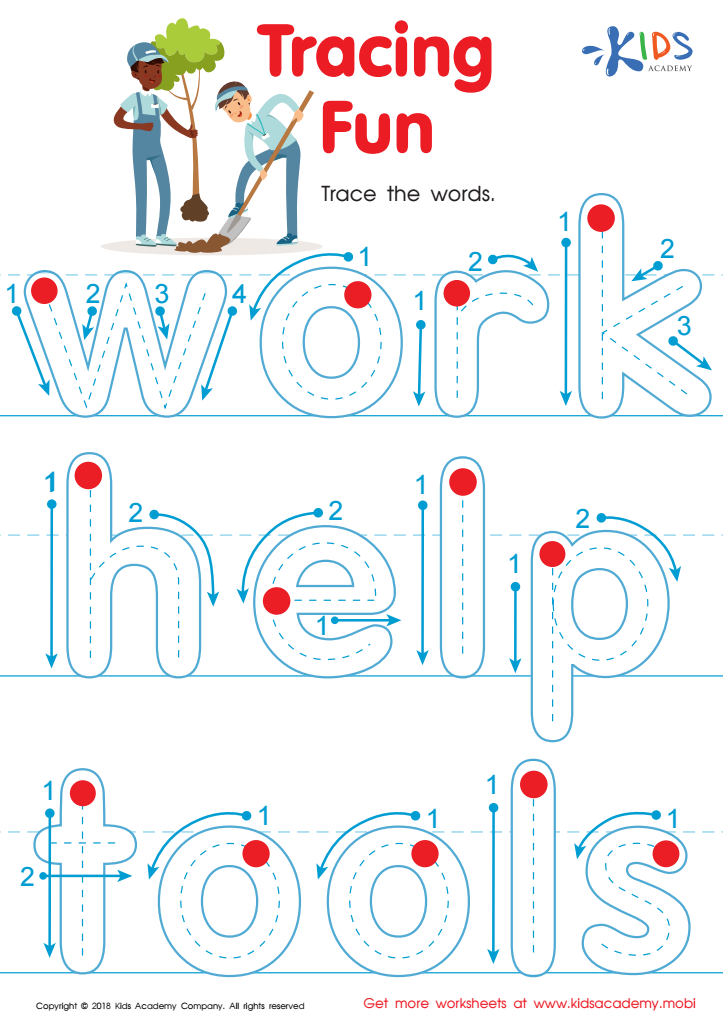
Tracing Fun Worksheet
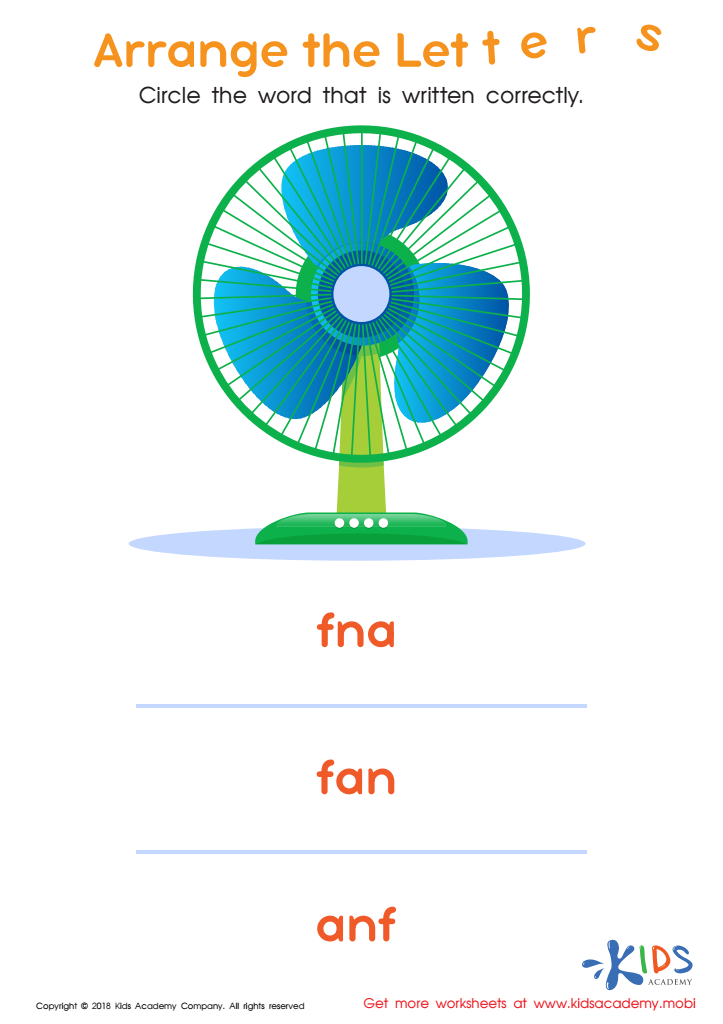
Arrange the Letters Worksheet
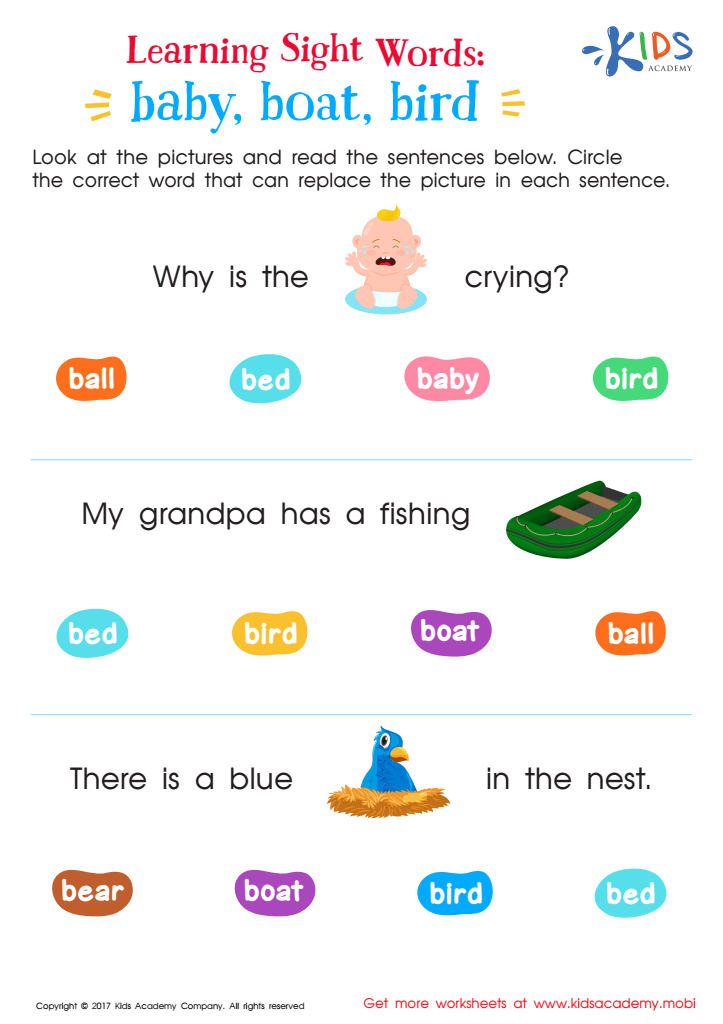
Baby, Boat, Bird Worksheet Sight Words Worksheet
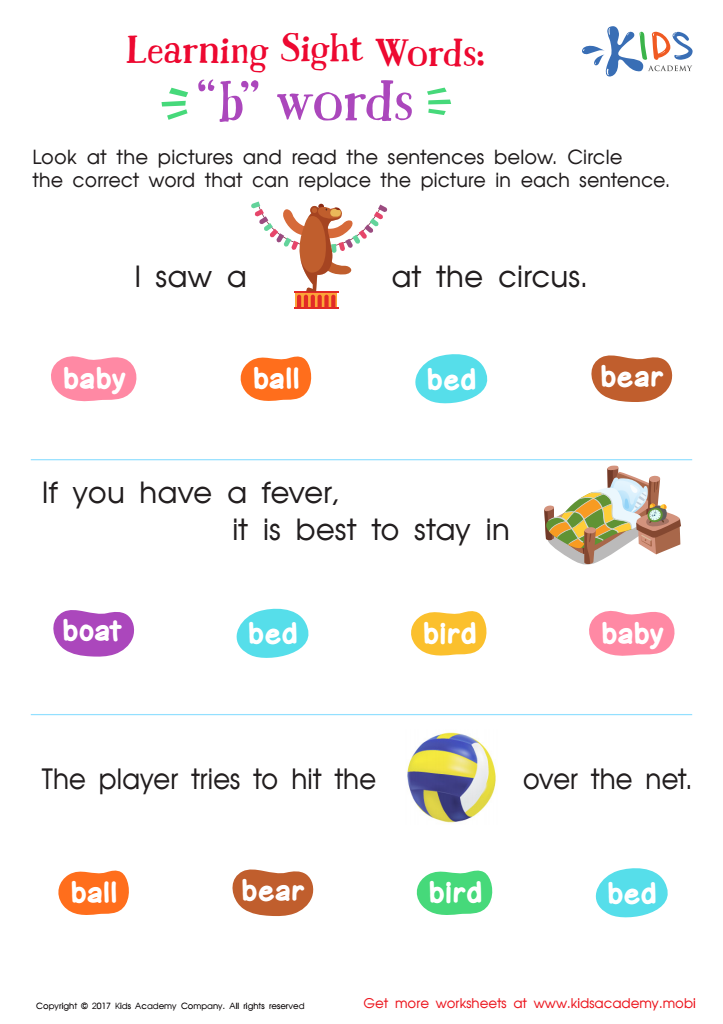
"B" Words Printable Sight Words Worksheet








Letter recognition and building vocabulary are crucial components in a 6-year-old’s literacy development. At this age, children are transitioning from pre-readers to independent readers. Recognizing letters is the first step toward decoding words, which builds foundational reading skills essential for future academic success. When children can identify both uppercase and lowercase letters, they gain confidence in exploring written text, paving the way for more complex language skills.
Moreover, vocabulary development is closely tied to reading proficiency. Expanding a child's vocabulary allows them to articulate thoughts and ideas more effectively, enhancing their communication skills. It also supports comprehension, which is essential for understanding math problems, science content, and social studies materials.
Engaging in activities that promote letter recognition and vocabulary, such as reading aloud, playing letter-based games, and encouraging conversations, fosters a love for language and learning. This proactive approach allows parents and teachers to cultivate a rich learning environment, helping children make connections between spoken and written language. Ultimately, investing time in these foundational skills nurtures lifelong readers and learners, preparing them for academic challenges ahead and empowering them to succeed in an increasingly complex world.








