Color Identification Reading Worksheets for 6-Year-Olds
9 filtered results
-
From - To
Our Color Identification Reading Worksheets for 6-Year-Olds are designed to make learning fun and effective. With vibrant visuals and engaging activities, these worksheets help young learners effortlessly recognize and name various colors. Each worksheet combines reading practice with color identification exercises, enhancing both literacy skills and color knowledge. Perfect for home or classroom use, these resources support early learning by catering to different learning styles. Encourage your 6-year-old to explore our color worksheets today and watch them build confidence and skills in a playful, interactive way. Let’s make reading and learning colors a joyful adventure!
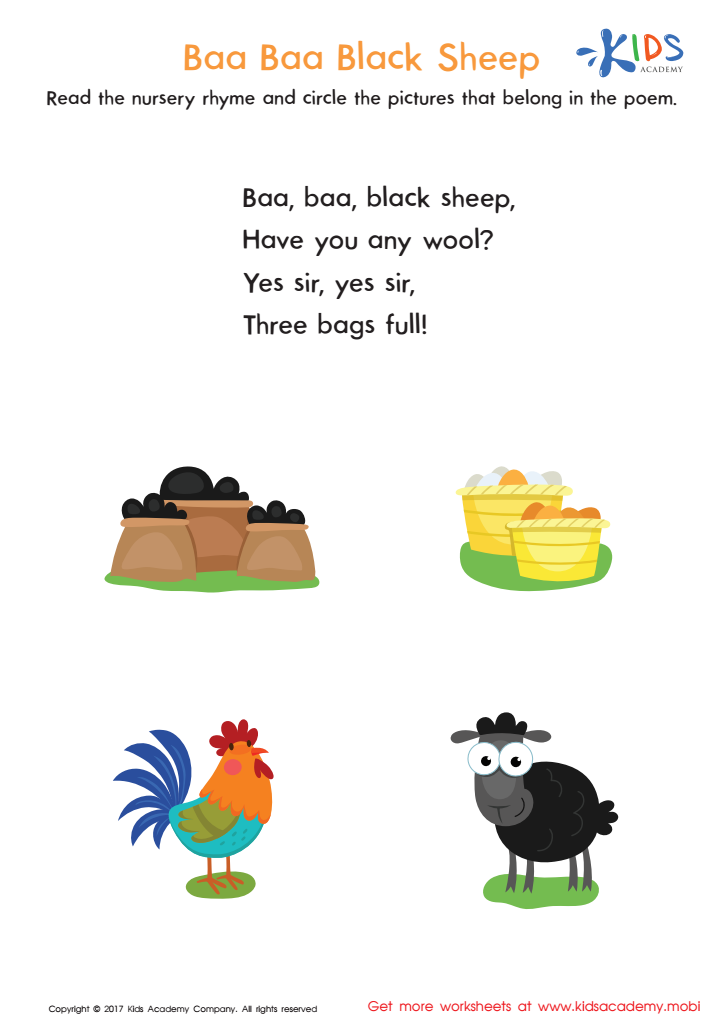
Baa Baa Black Sheep Printable
 Assign to My Students
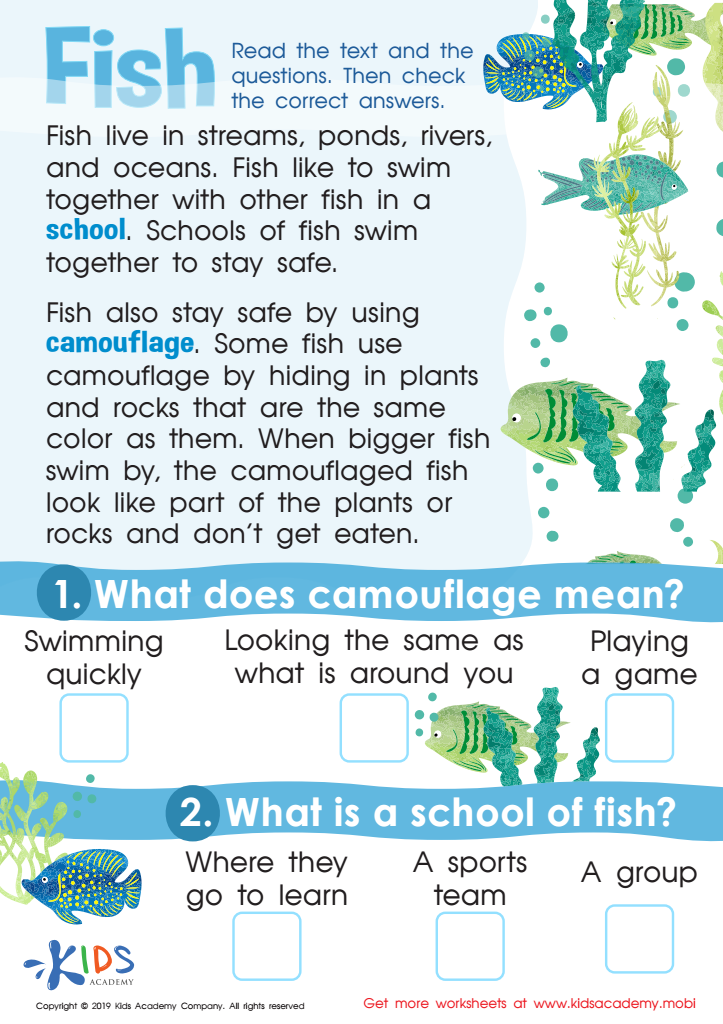
Fish Worksheet
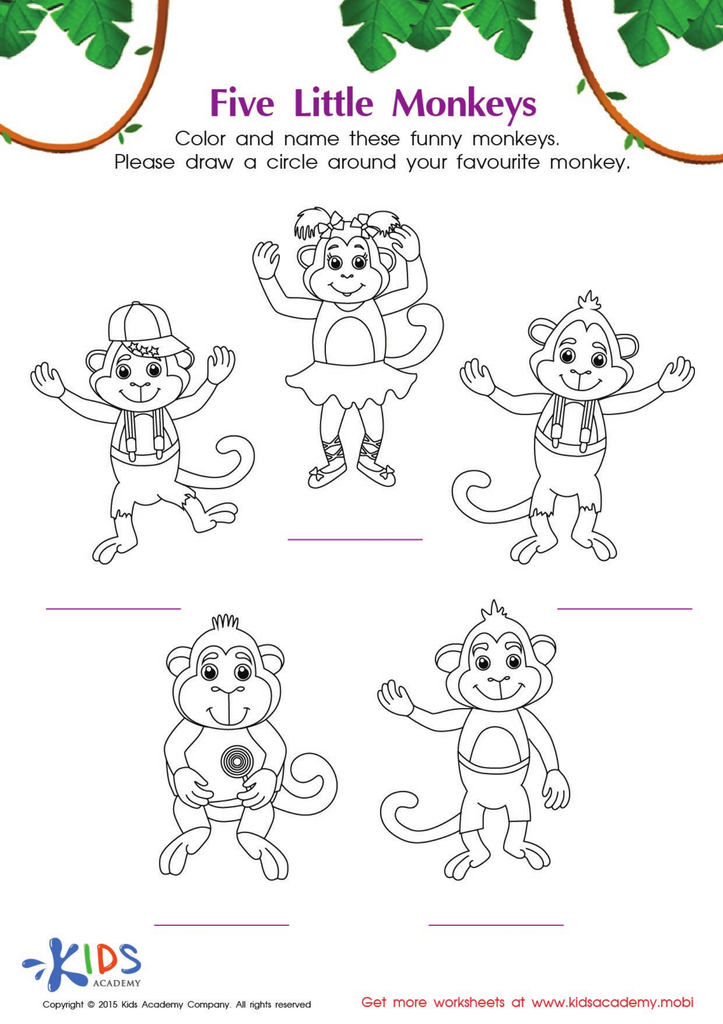
The Five Little Monkeys Coloring Worksheet
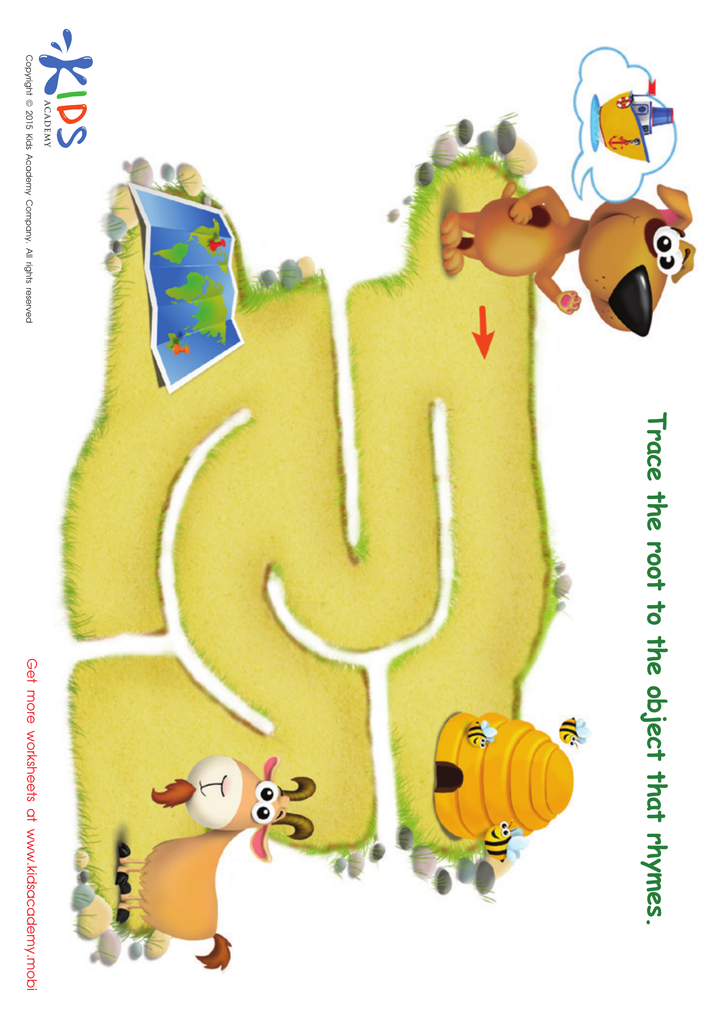
Boat Rhyming Words Worksheet
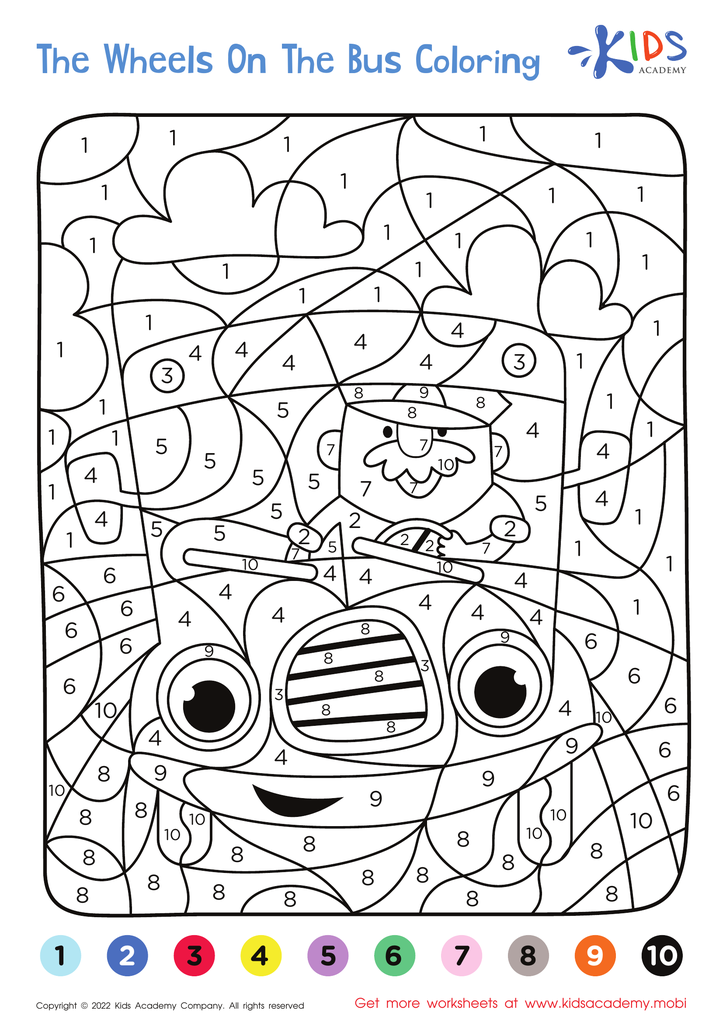
Wheels on the Bus – Coloring by Numbers
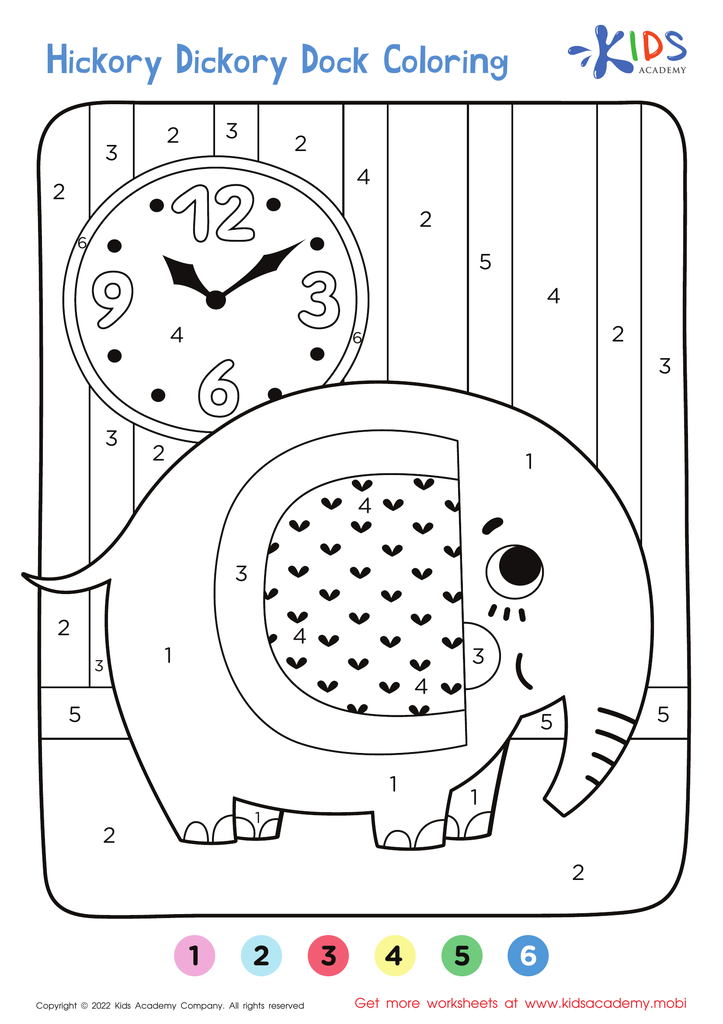
Hickory Dickory Dock – Coloring by Numbers
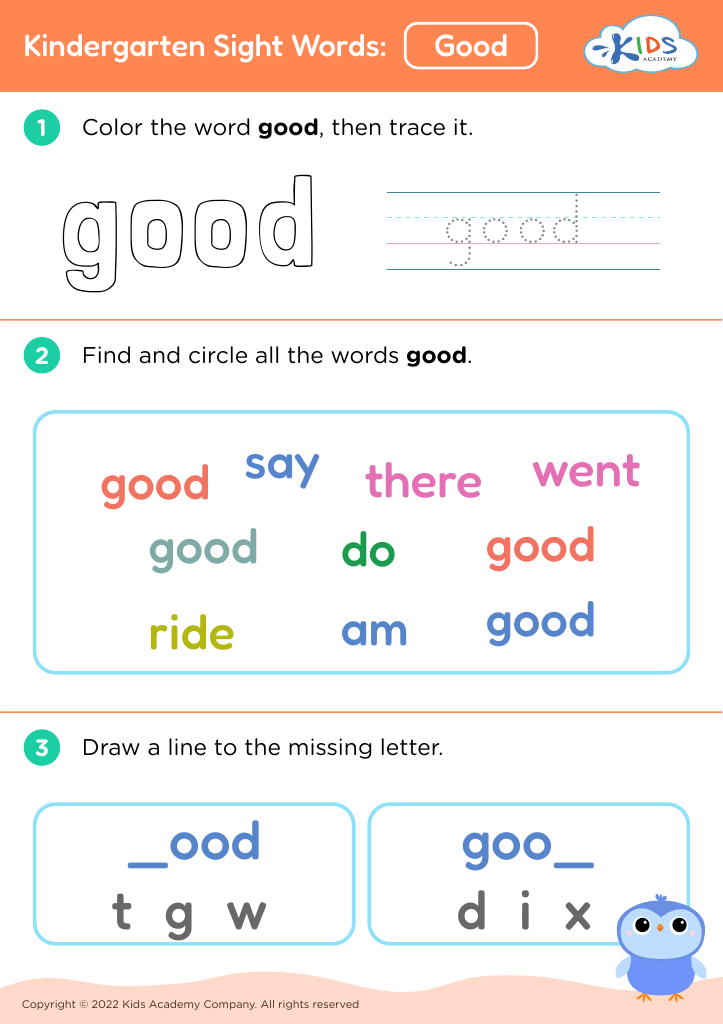








Color identification is pivotal for the cognitive and emotional development of 6-year-olds, setting the stage for successful learning and personal growth. At this age, children are developing their language skills rapidly, and associating words with colors enhances their vocabulary and communication abilities. Recognizing and naming colors can also aid in other areas of learning, such as reading and mathematics, by fostering pattern recognition and categorization skills.
Emotionally, understanding and identifying colors is essential for expressing feelings and developing social skills. Different colors can represent various emotions; thus, being able to discuss colors enable children to articulate their feelings more precisely, enhancing their emotional intelligence. This ability promotes better interactions with peers and adults, contributing to a more cooperative and empathetic classroom environment.
From an aesthetic and creative perspective, color identification is crucial. Engaging with colors through art and play boosts creativity and helps children express their unique perspectives. For parents and teachers, prioritizing color identification ensures children have the foundational skills for more complex learning tasks, making the overall educational process more efficient and effective.
In summary, emphasizing color identification in early education supports linguistic development, emotional intelligence, creativity, and conceptual learning, forming a foundation crucial for holistic growth and development.








