Critical thinking skills Reading Worksheets for 6-Year-Olds
3 filtered results
-
From - To
Unlock your child's potential with our Critical Thinking Skills Reading Worksheets tailored for 6-year-olds. These engaging and fun-filled worksheets are designed to boost reading comprehension, enhance problem-solving abilities, and foster logical reasoning. Each activity encourages young learners to think deeply about texts, challenging them to draw inferences and make connections. Our beautifully illustrated exercises captivate their interest, making learning an enjoyable adventure. Perfect for both classroom use and at-home practice, these worksheets support early literacy development and are an essential tool in building a strong foundation for future academic success. Start their critical thinking journey today!
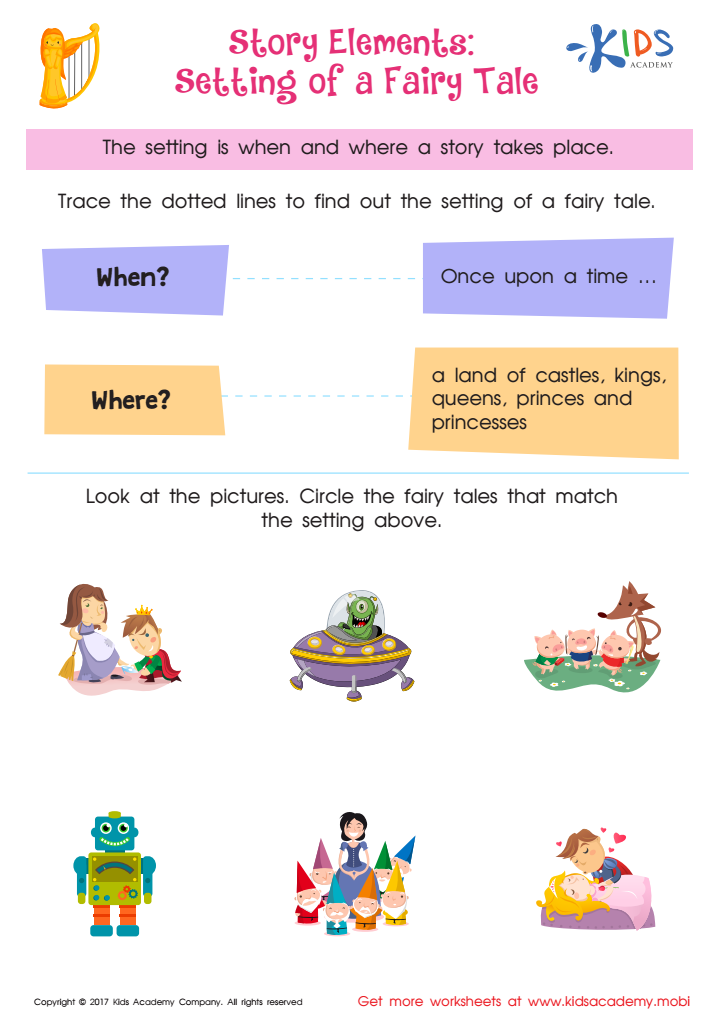
Story Elements: Setting of a Fairy Tale Printable
 Assign to My Students
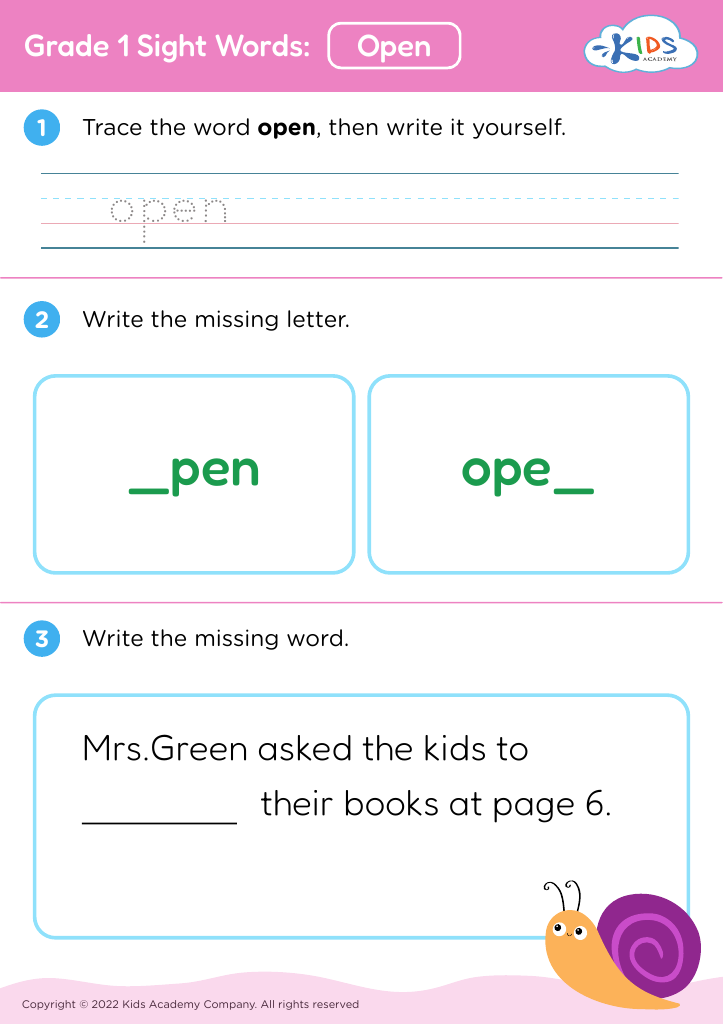
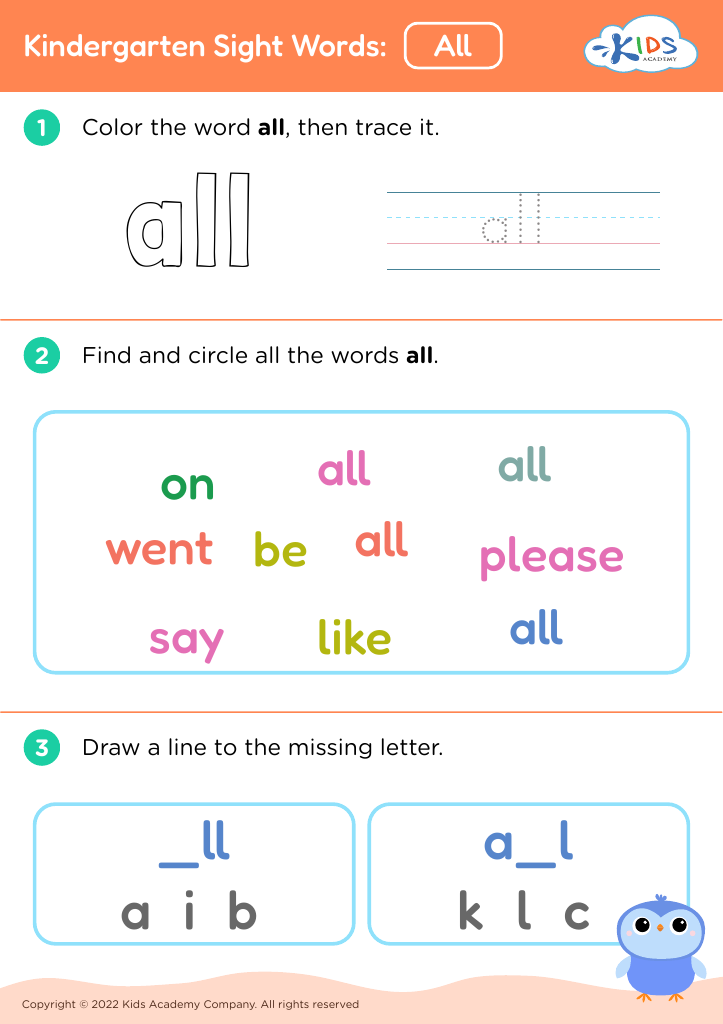








Critical thinking skills are essential for 6-year-olds as they begin their educational journey and start to navigate the world around them. For parents and teachers, fostering these skills through reading is pivotal because it fundamentally shapes a child's cognitive and social development. Critical thinking helps young readers understand stories beyond the surface level, such as comprehending character motivations, plot developments, and underlying messages. These skills encourage children to ask questions, make predictions, and draw conclusions, thereby making them active participants in their learning process.
Furthermore, developing critical thinking enables children to become independent thinkers. It prepares them to tackle academic challenges confidently and creatively, laying a strong foundation for future learning. When children can critically assess the text, they learn to differentiate between fact and fiction, recognize bias, and think logically—skills essential for problem-solving and informed decision-making.
Critical thinking through reading also enhances language skills, expanding vocabulary and improving comprehension. When children discuss books with parents or teachers, they practice expressing their thoughts clearly and listening to others’ perspectives, which are crucial for effective communication and collaboration. Ultimately, nurturing critical thinking from an early age equips children with the tools to navigate complex situations, promoting lifelong learning and adaptability in an ever-changing world.








