Develop critical thinking Reading Worksheets for 6-Year-Olds
4 filtered results
-
From - To
Unlock your child's potential with our engaging critical thinking reading worksheets designed specifically for 6-year-olds! Our collection encourages young readers to analyze, question, and interpret stories while enhancing their comprehension skills. Featuring fun activities such as story sequencing, character analysis, and inference-making, these worksheets promote creativity and curiosity. Each worksheet supports literacy development by fostering independent thinking and problem-solving skills. With a variety of themes and formats, children will enjoy hours of enriching learning. Ideal for classroom use or at-home practice, our critical thinking reading worksheets empower kids to think deeply about what they read and become confident learners!
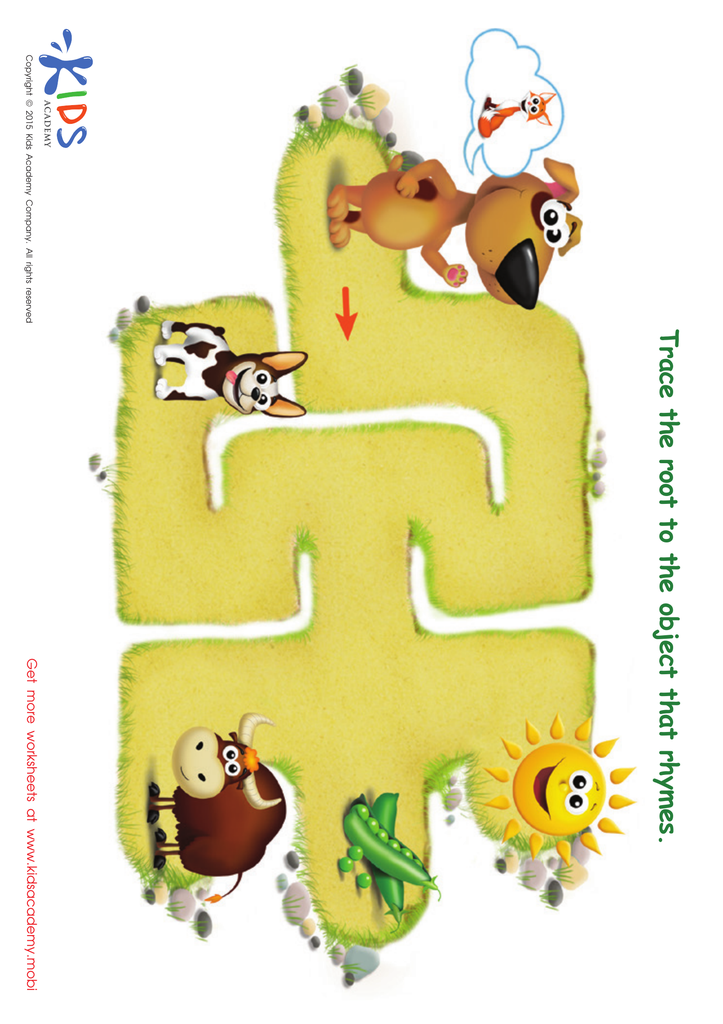
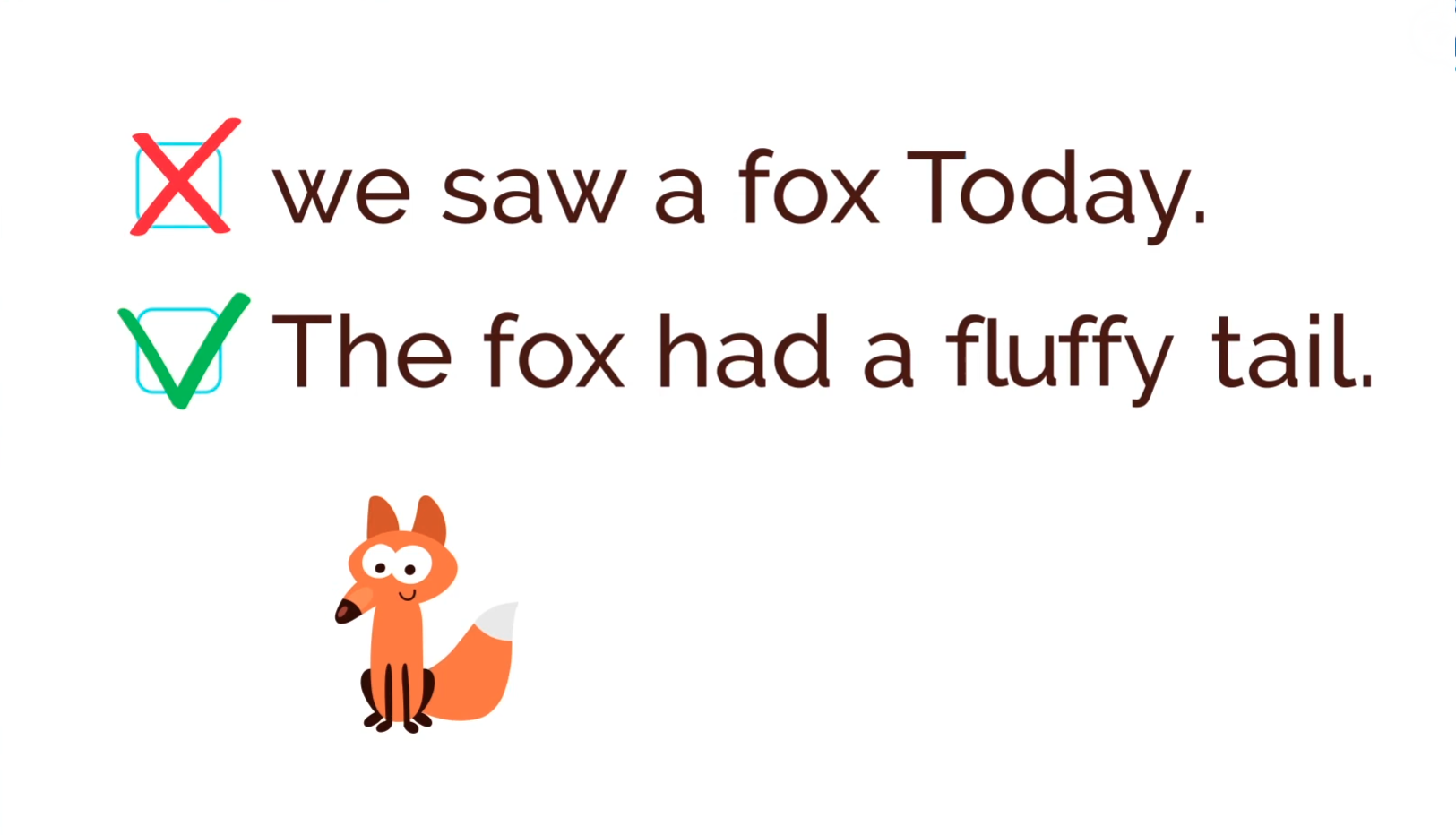
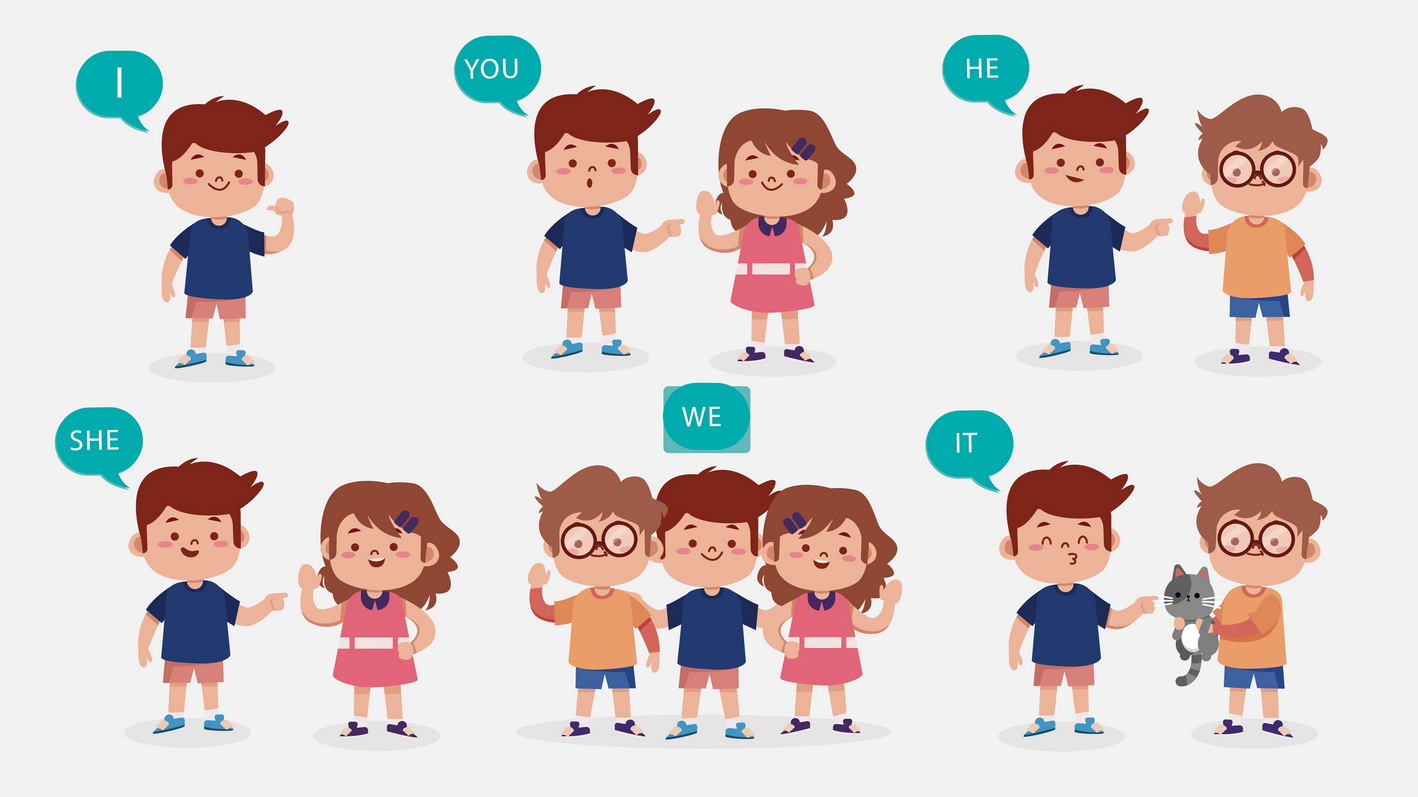
Fox Rhyming Words Worksheet
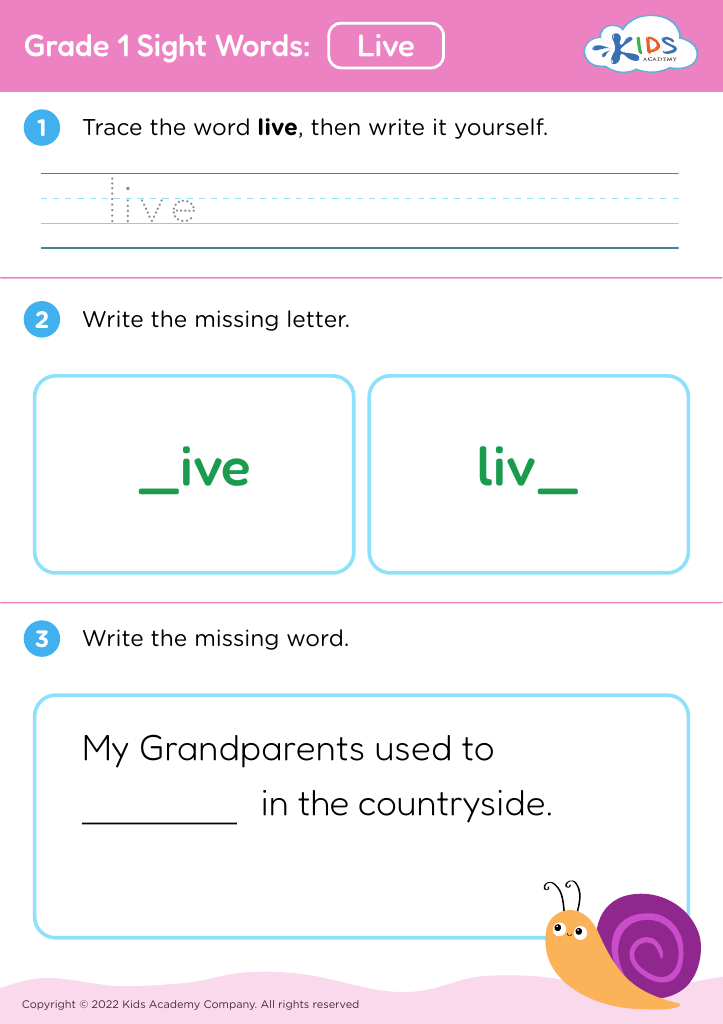
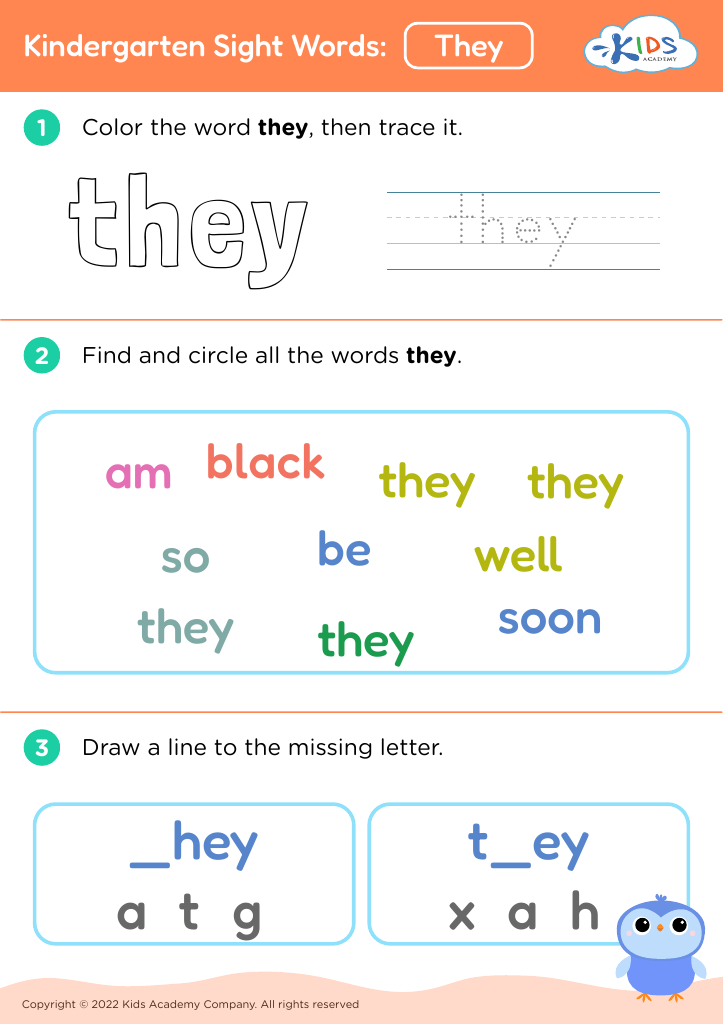
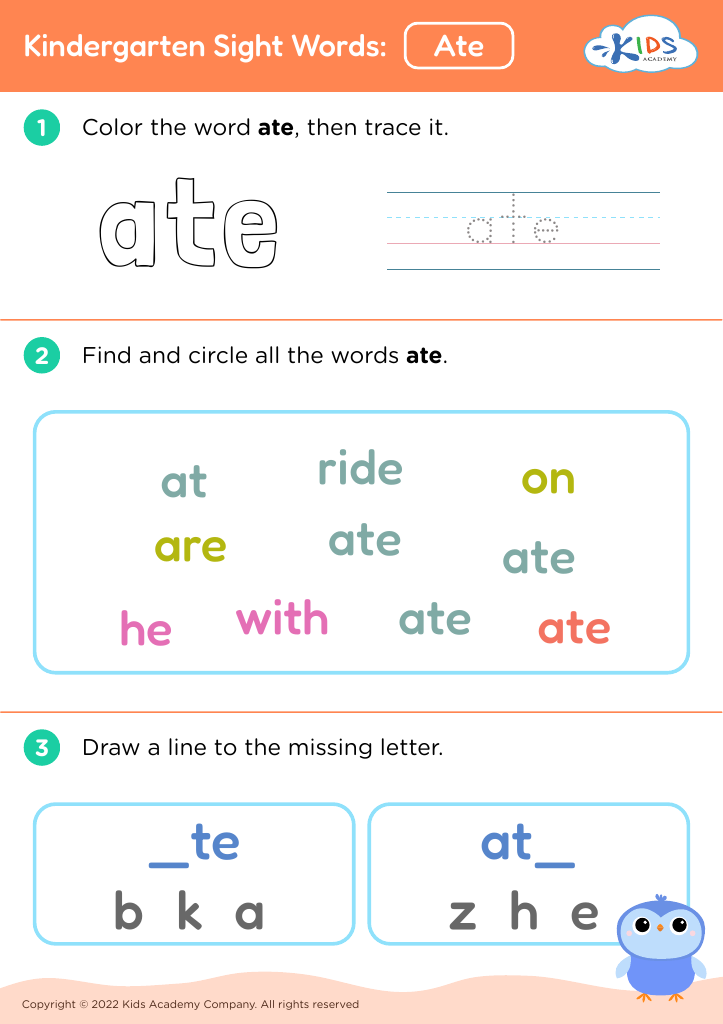





.jpg)
Developing critical thinking skills in 6-year-olds through reading is crucial for several reasons. At this age, children's cognitive abilities are rapidly evolving; they are beginning to understand not just what they read, but also how to analyze and question the content. Engaging with stories encourages them to think beyond the surface, fostering their ability to examine different perspectives, understand cause and effect, and make connections with their own experiences.
Furthermore, critical thinking enhances comprehension skills, making reading a more interactive and enriching process. When children learn to ask questions about a story—like why a character made a certain choice or predicting what might happen next—they become active participants in their learning journey. This boosts their confidence, nurtures their curiosity, and lays a solid foundation for lifelong learning.
Additionally, in a fast-changing world, critical thinking prepares young learners to face challenges more effectively, building resilience and adaptability. By fostering a love for reading intertwined with critical analysis, parents and teachers empower children to not just absorb information, but to evaluate and utilize it constructively. Ultimately, instilling critical thinking skills at this foundational stage equips children with the tools necessary for success in academics and beyond.








