Enhance vocabulary skills Reading Worksheets for 6-Year-Olds
3 filtered results
-
From - To
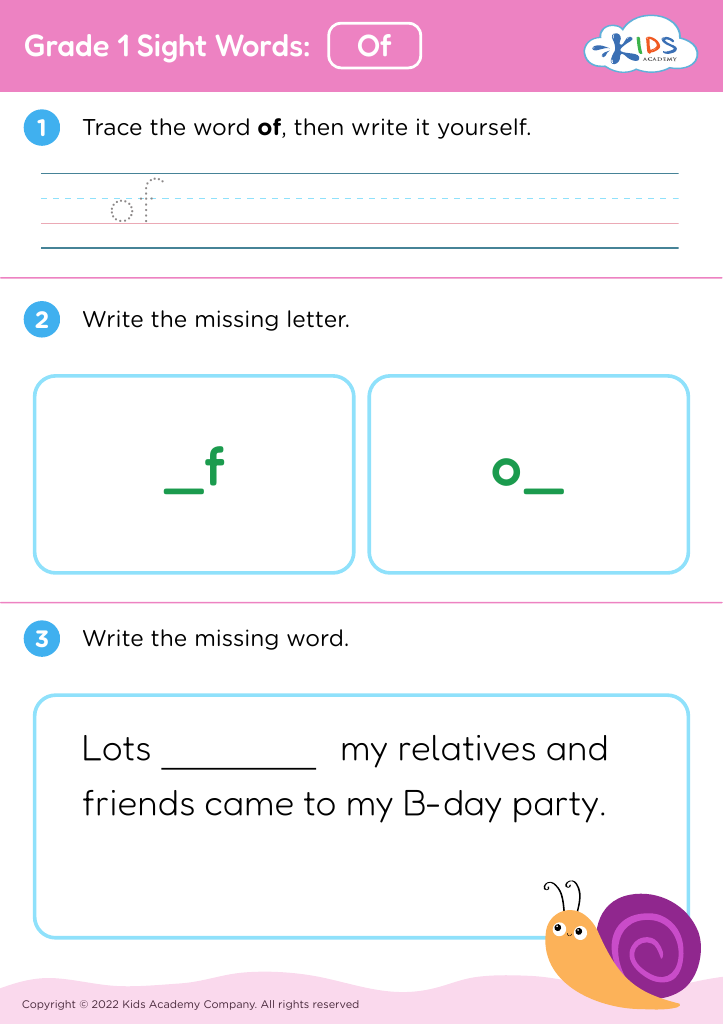
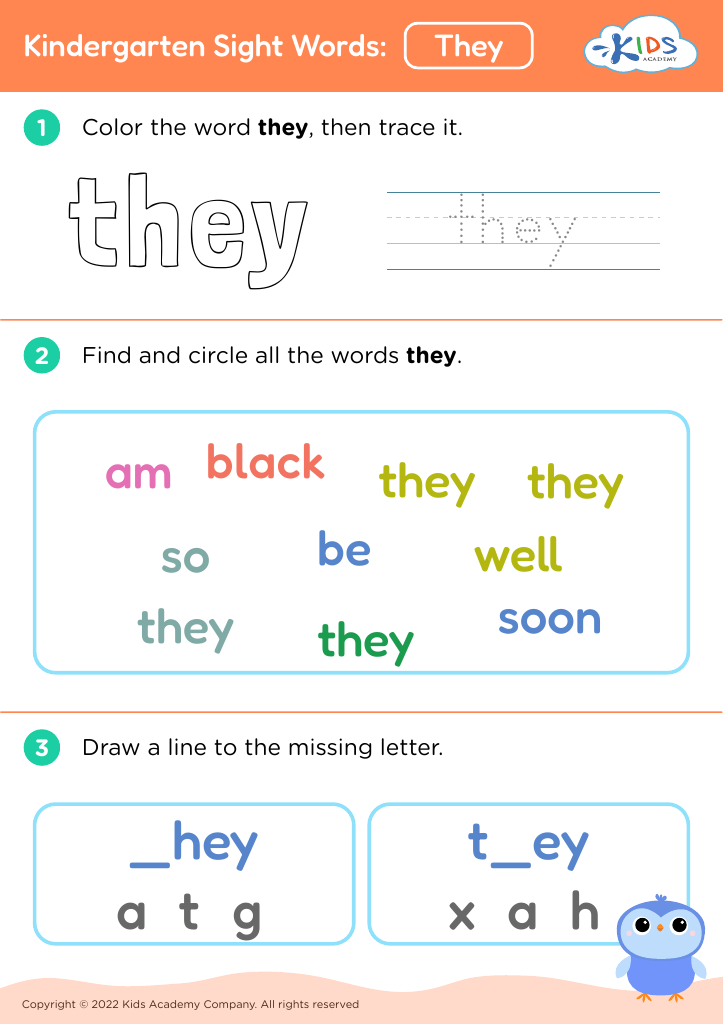
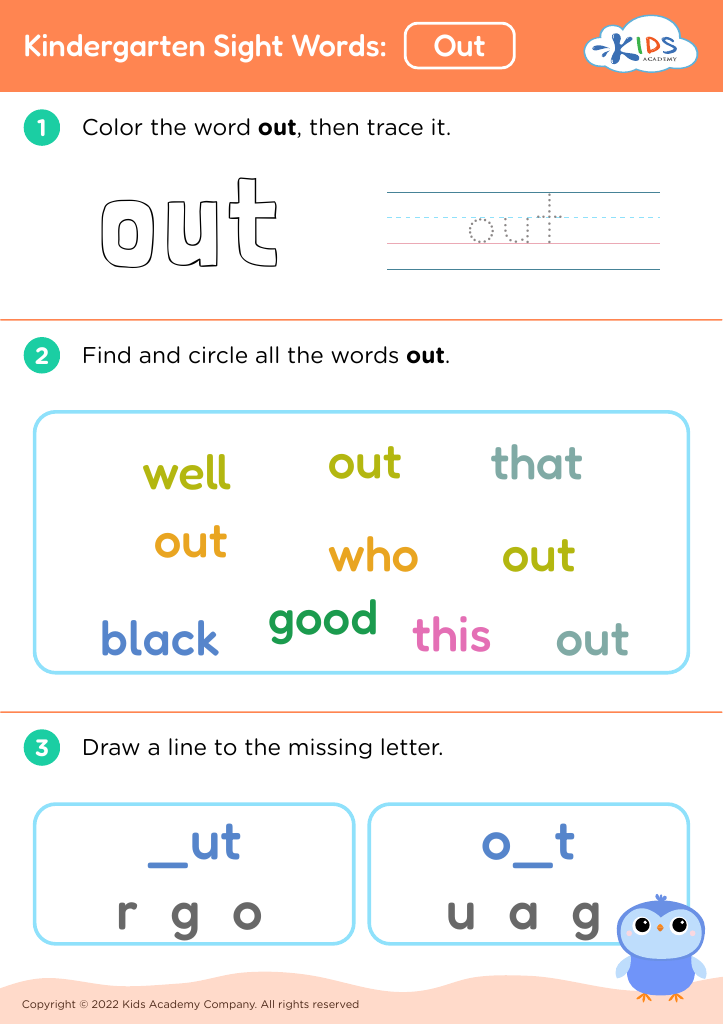
Boost your 6-year-old's vocabulary skills with our engaging reading worksheets! Designed for early learners, these worksheets provide a fun and interactive way to enrich language development. Each activity focuses on enhancing comprehension through a variety of exercises, including word matching, synonym identification, and context clues. Ideal for both classroom and home use, our resources encourage children to explore new words and effectively incorporate them into their speech and writing. Help your child become a confident reader while building a solid vocabulary foundation. Start today to unlock the world of words and inspire a lifelong love for reading!


.jpg)





Enhancing vocabulary skills in 6-year-olds is crucial for several reasons, impacting their overall academic and personal development. At this age, children are at a pivotal stage in their language acquisition, where a rich vocabulary sets the foundation for reading comprehension and effective communication. A well-developed vocabulary allows children to understand stories better, express their thoughts more clearly, and engage in discussions, thereby fostering critical thinking skills.
Moreover, increased vocabulary enhances their confidence in both written and spoken interactions, laying a groundwork for lifelong learning. As children encounter new words in reading, they not only improve their language skills but also expand their imagination as they explore diverse contexts and ideas.
Parents and teachers play a vital role in this process by introducing new words through engaging stories, interactive activities, and daily conversation. Prioritizing vocabulary development encourages a love for reading, which has been linked to higher academic achievements later in life. Furthermore, a robust vocabulary aids social interactions, helping children forge friendships and communicate effectively with peers. In essence, investing in vocabulary enhancement for young learners equips them with the tools necessary for success in school and beyond.








