Enhancing vocabulary Reading Worksheets for 6-Year-Olds
6 filtered results
-
From - To
Boost your 6-year-old's vocabulary with our engaging "Enhancing Vocabulary Reading Worksheets!" Designed to inspire a love for words, these resources feature fun and interactive activities tailored to young learners. Each worksheet promotes essential skills, encouraging children to connect words with meanings through storytelling, illustrations, and creative exercises. This interactive approach not only strengthens vocabulary but also enhances reading comprehension, making learning enjoyable. Parents and educators will find these worksheets perfect for reinforcing classroom learning or providing additional practice at home. Explore our collection today and watch your child's vocabulary flourish while they embark on an exciting reading adventure!
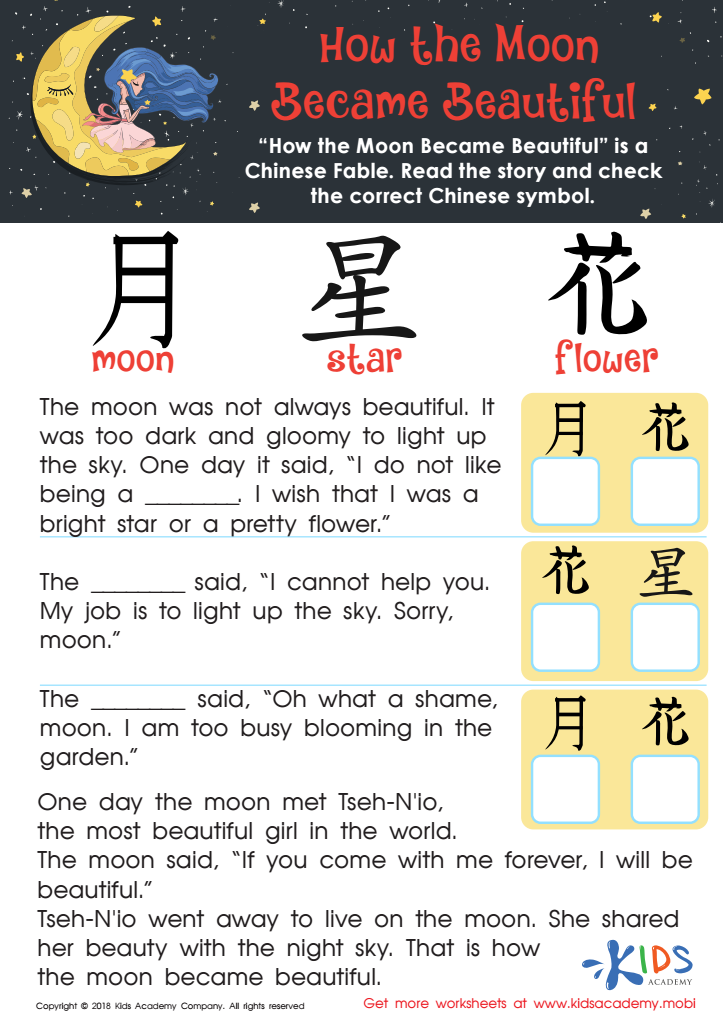
How the Moon Became Beautiful Worksheet
 Assign to My Students
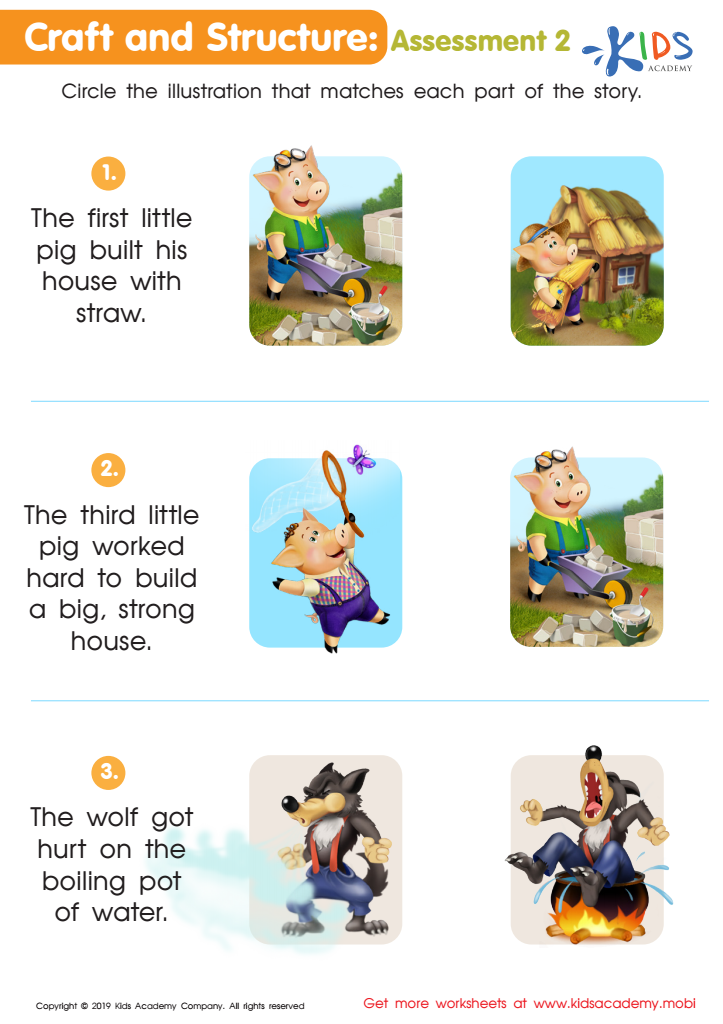
Craft and Structure: Assessment 2 Worksheet 2
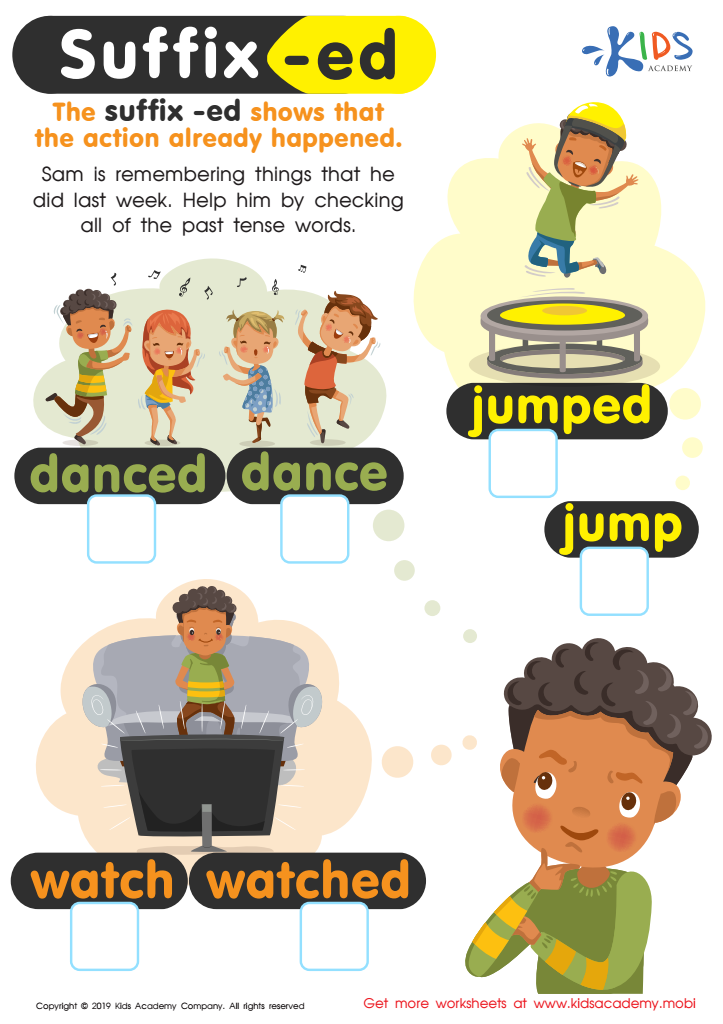
Suffix-ed Worksheet
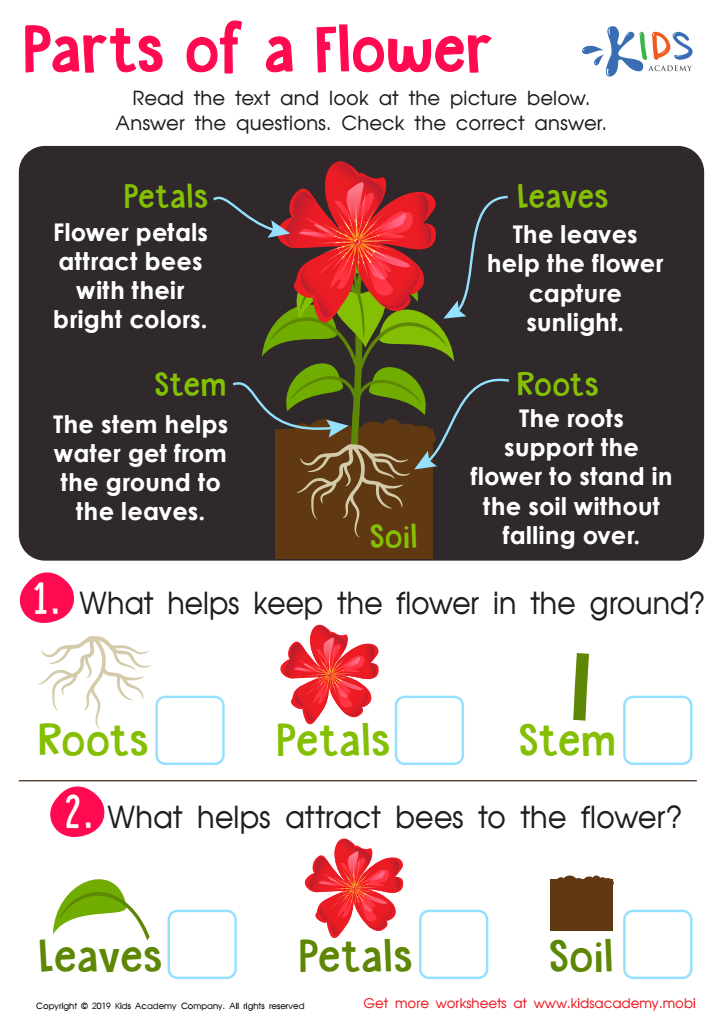
Parts of Flower Worksheet
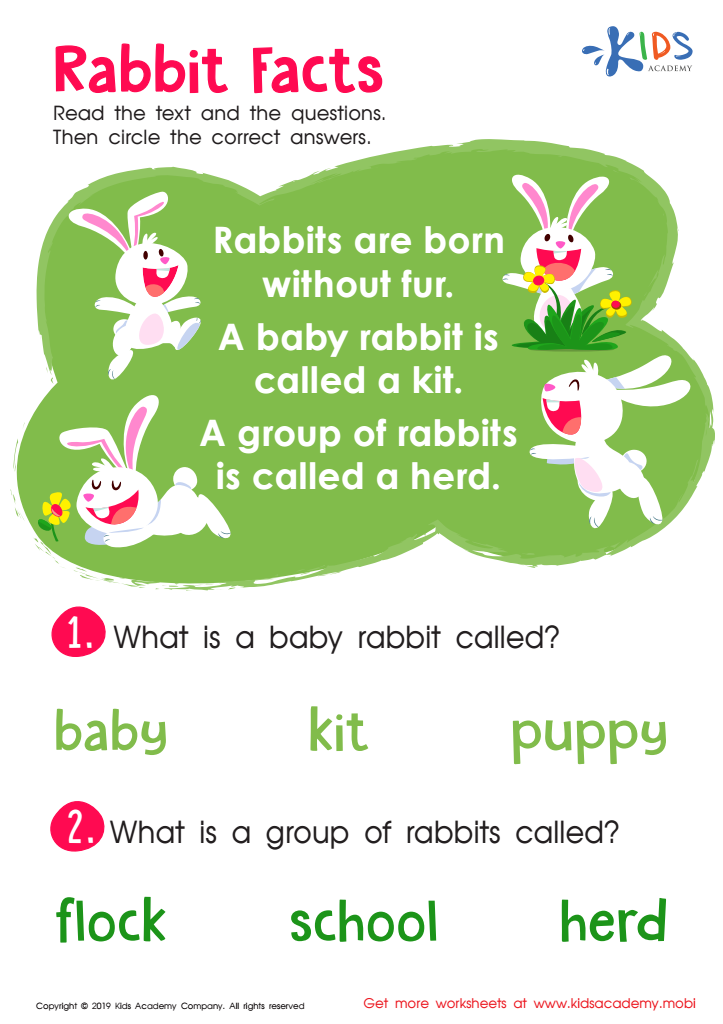
Rabbit Facts Worksheet
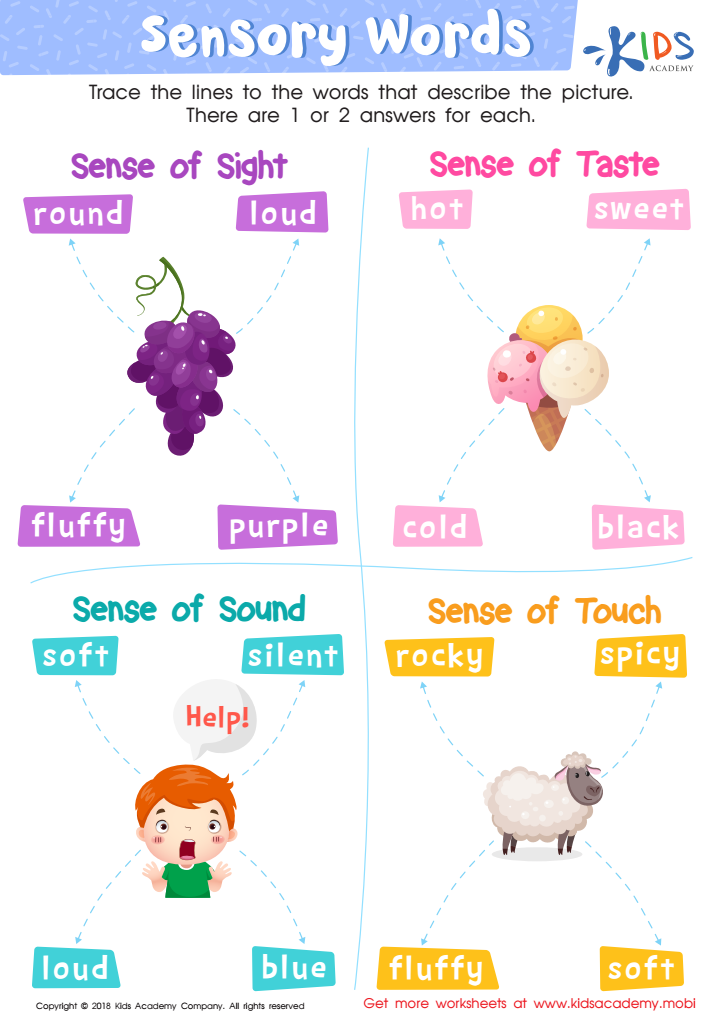
Sensory Words Worksheet








Enhancing vocabulary and reading skills in 6-year-olds is crucial for their overall development. At this age, children are solidifying their foundational language abilities, which significantly influence their communication skills, academic success, and self-esteem. A rich vocabulary helps children express their thoughts and feelings more clearly, fostering better interactions with peers and adults.
Additionally, reading skills are directly linked to cognitive development. As children encounter new words, they not only expand their vocabulary but also enhance their comprehension and critical thinking abilities. This early investment in literacy lays the groundwork for lifelong learning, as strong readers can access a wealth of information, think critically about texts, and engage fully in academic discussions.
Moreover, vocabulary development is essential for social-emotional learning. When children can articulate their emotions or describe their experiences, they can navigate social situations more effectively, leading to healthier relationships.
Parents and teachers play a critical role in this developmental phase by creating rich linguistic environments, engaging in conversations, and providing diverse reading materials. By prioritizing vocabulary enhancement and reading, they empower children to become confident communicators, successful learners, and empathetic individuals, setting the stage for a bright future.








