Problem Solving Reading Worksheets for 6-Year-Olds
3 filtered results
-
From - To
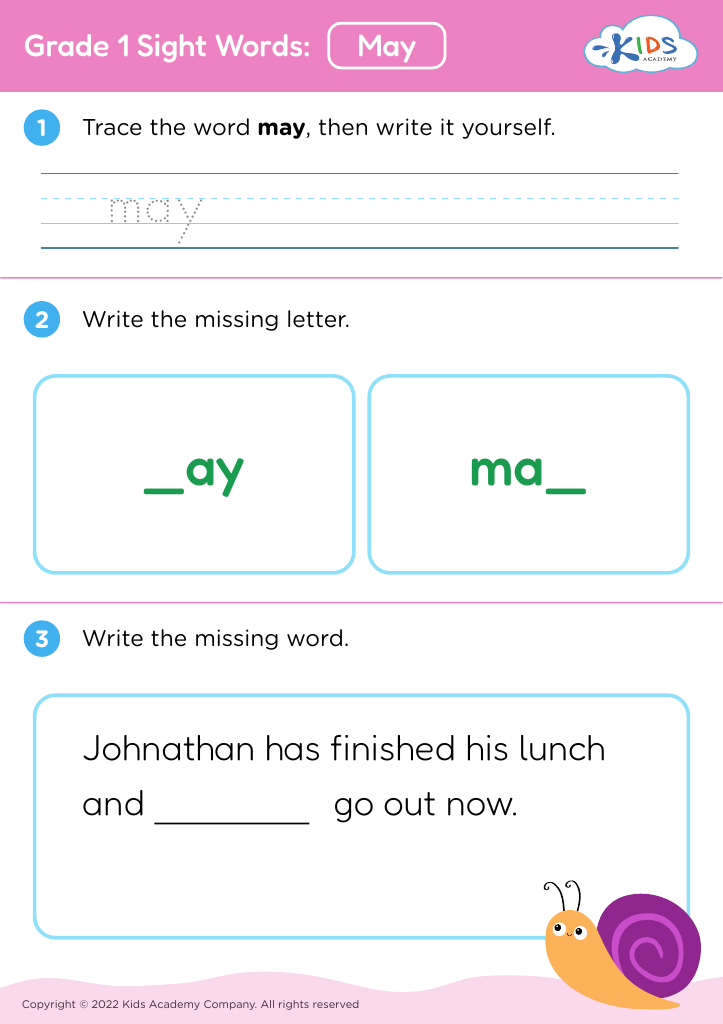
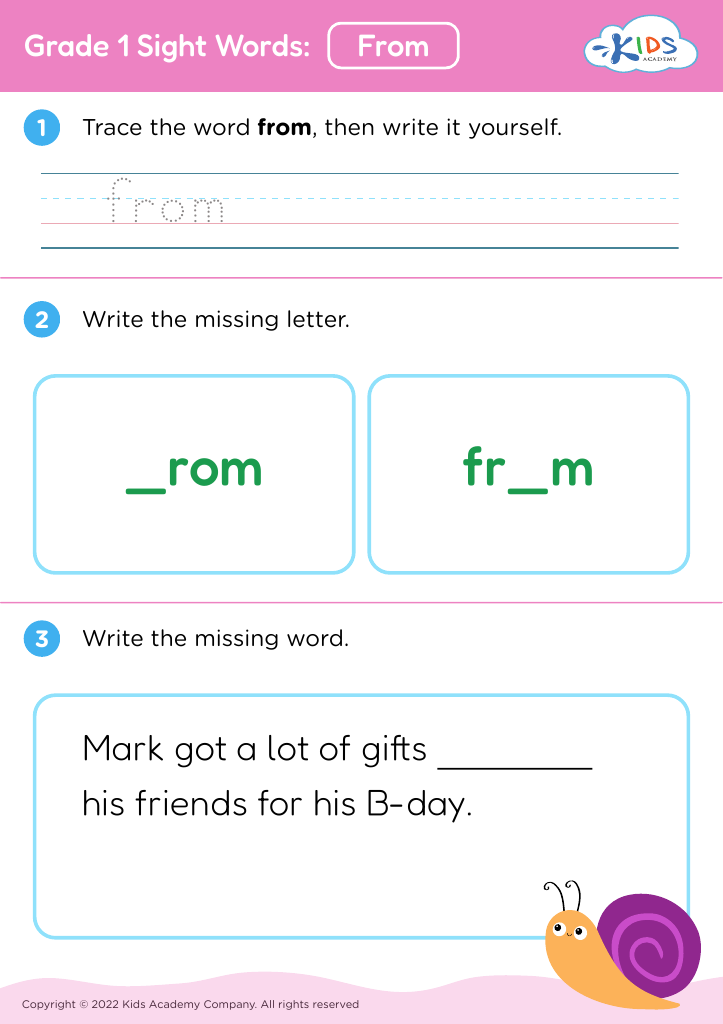
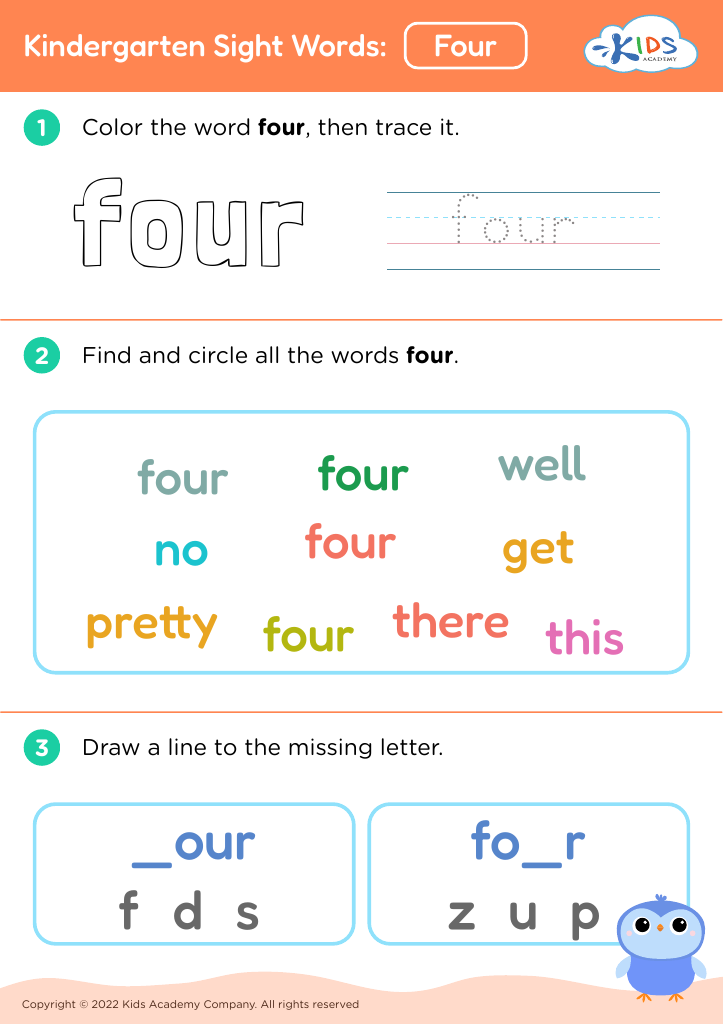
Enhance your child's reading skills with our Problem Solving Reading Worksheets designed specifically for 6-year-olds! These engaging and interactive worksheets encourage young learners to think critically while improving comprehension and vocabulary. Each activity is tailored to challenge kids through fun scenarios that foster problem-solving abilities and reinforce reading concepts. Our resources are perfect for both classroom and home use, allowing for an enjoyable learning experience. Boost your child's confidence in reading as they learn to analyze situations, make predictions, and derive solutions. Explore our collection today and watch your little ones thrive as they tackle literacy challenges with enthusiasm!







Parents and teachers should care deeply about Problem Solving Reading for 6-year-olds because it lays the foundation for critical thinking and cognitive development. At this age, children are naturally curious and eager to explore the world around them. Introducing problem-solving reading encourages them to think analytically and approach challenges creatively. It fosters important skills such as inference, prediction, and deduction, which are essential not just in literacy but in everyday life.
Engaging with stories that present problems encourages young readers to wonder about outcomes, booster comprehension, and connect emotionally with characters. As they navigate various scenarios in books, children learn how to evaluate choices and understand consequences, enhancing their emotional intelligence and empathy. Additionally, these experiences support language development, as children articulate their thoughts and solutions, expanding their vocabulary.
Moreover, problem-solving reading promotes resilience. It teaches children that challenges are part of learning; overcoming reading-based dilemmas helps to build a growth mindset. This early exposure not only cultivates a love for reading but empowers children to take ownership of their learning journeys, ultimately leading to increased self-esteem and academic success as they progress in school. In essence, problem-solving reading is a vital tool that equips children for lifelong learning and adaptation.








