Vocabulary development Reading Worksheets for 6-Year-Olds
10 filtered results
-
From - To
Enhance your child's language skills with our Vocabulary Development Reading Worksheets designed specifically for 6-year-olds. At Kids Academy, we understand the importance of building a strong vocabulary foundation early. Our engaging worksheets feature age-appropriate activities, including word matching, sentence completion, and picture association, all crafted to reinforce new words and boost reading comprehension. With colorful illustrations and fun exercises, these worksheets make learning an enjoyable adventure, helping young readers unlock the wonders of words. Give your 6-year-old a key advantage in reading and communication with our expertly designed vocabulary resources.
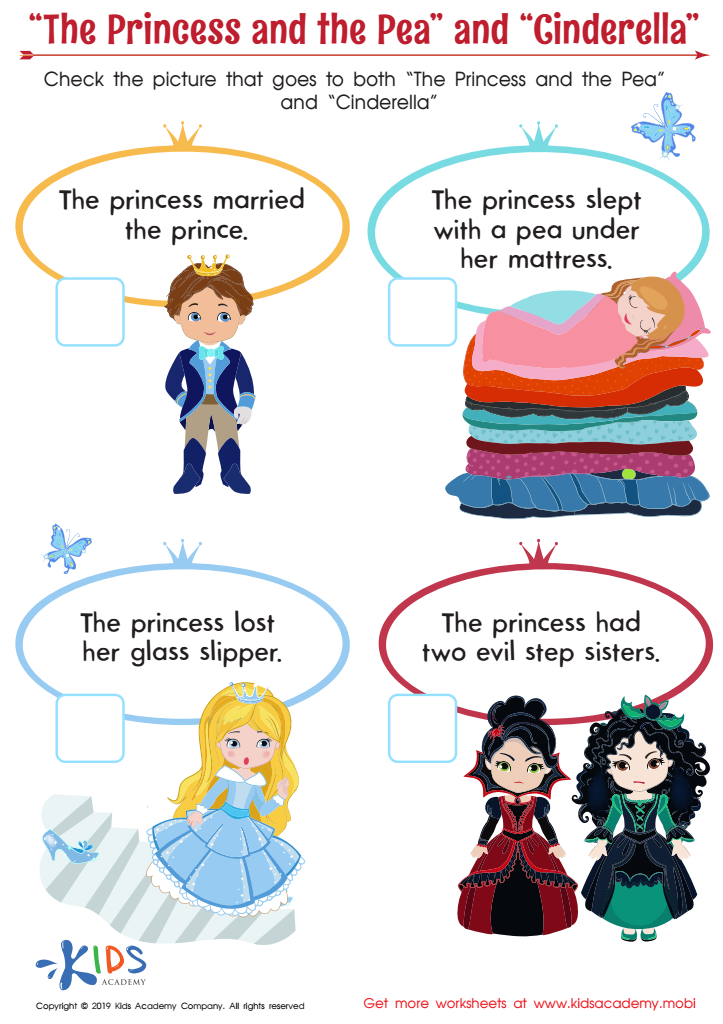
“The Princess and the Pea” and “Cinderella” Worksheet
 Assign to My Students
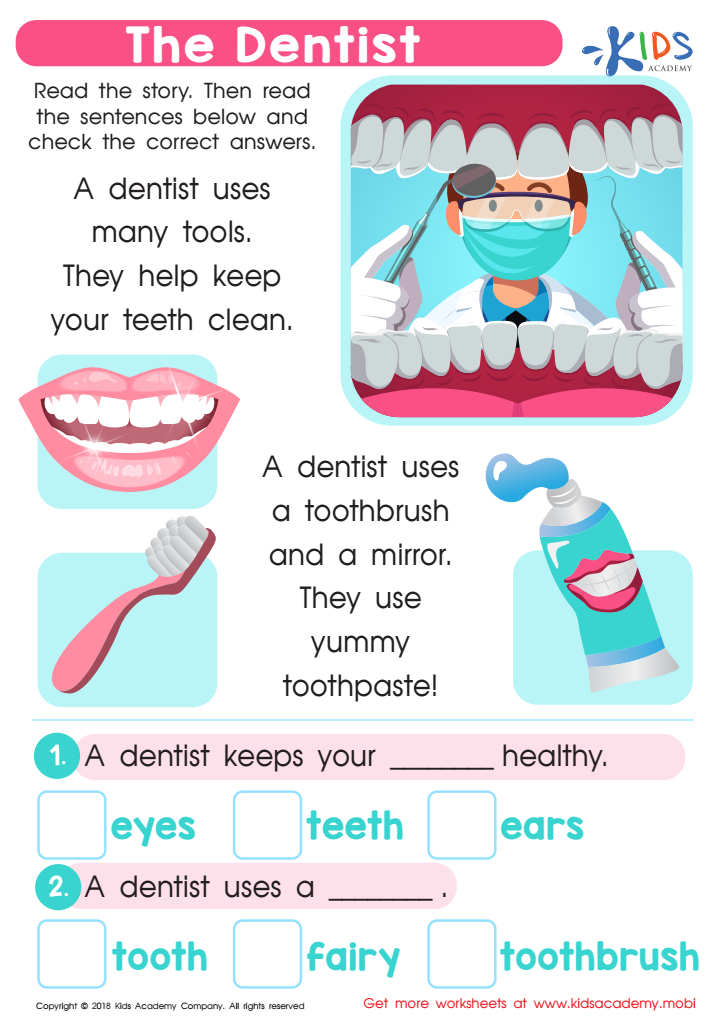
The Dentist Worksheet
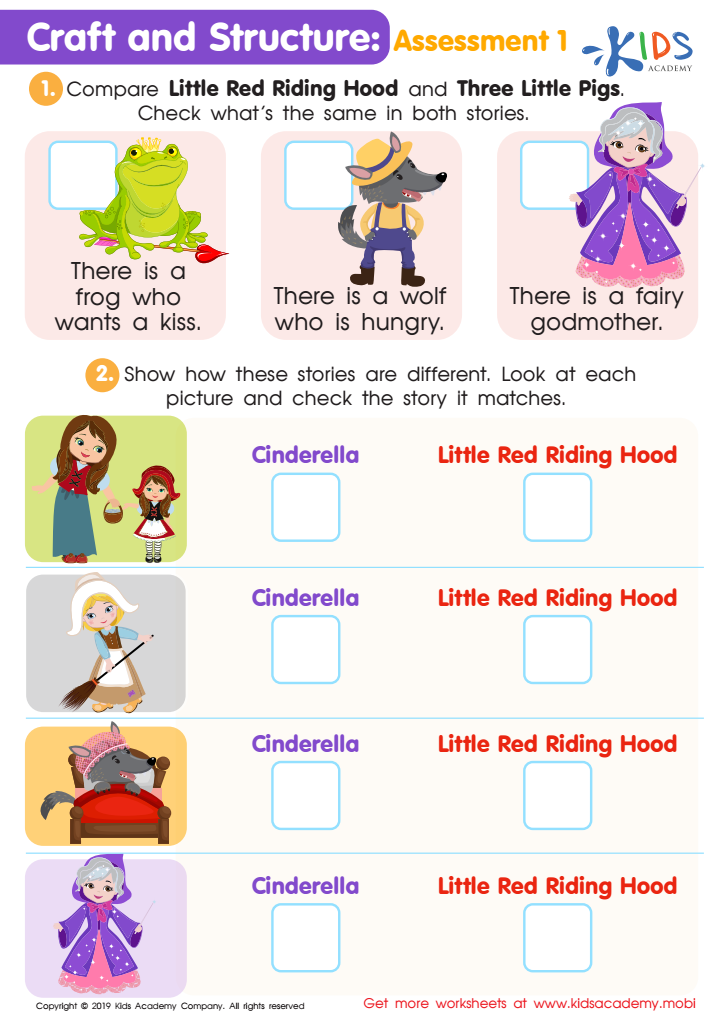
Craft and Structure: Assessment 1 Worksheet
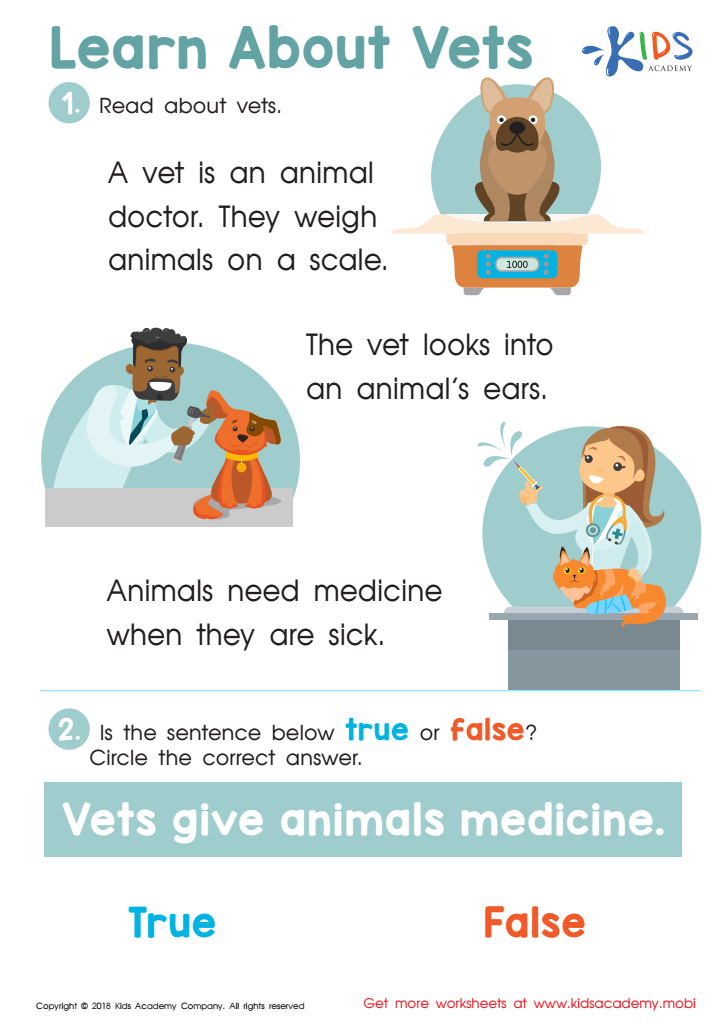
Learn About Vets Worksheet
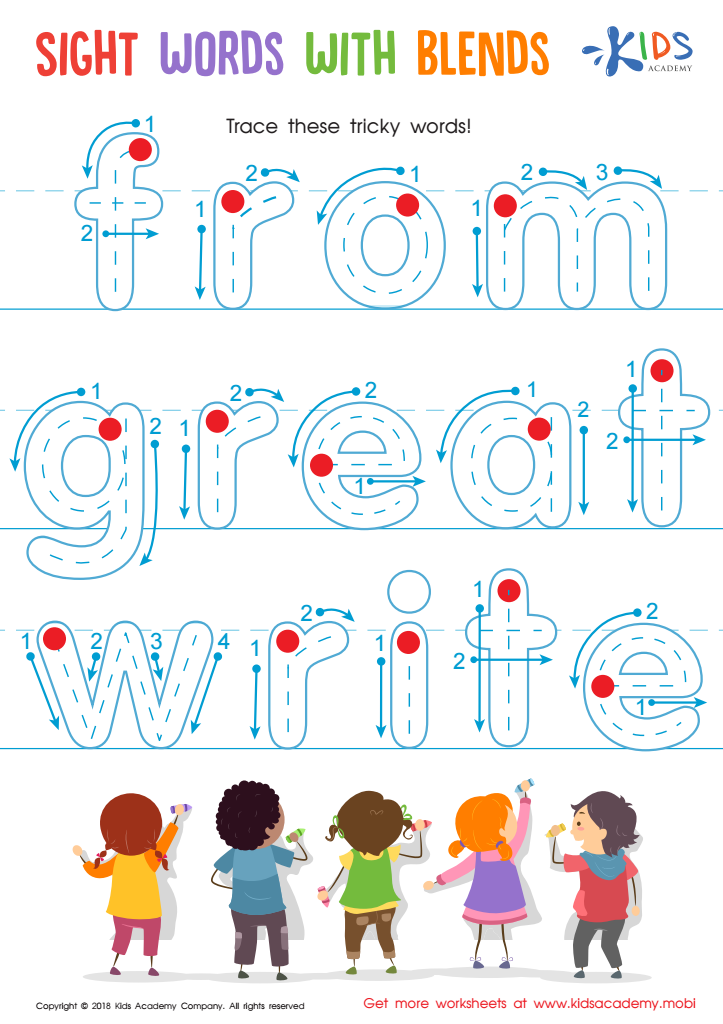
Sight Words with Blends Worksheet
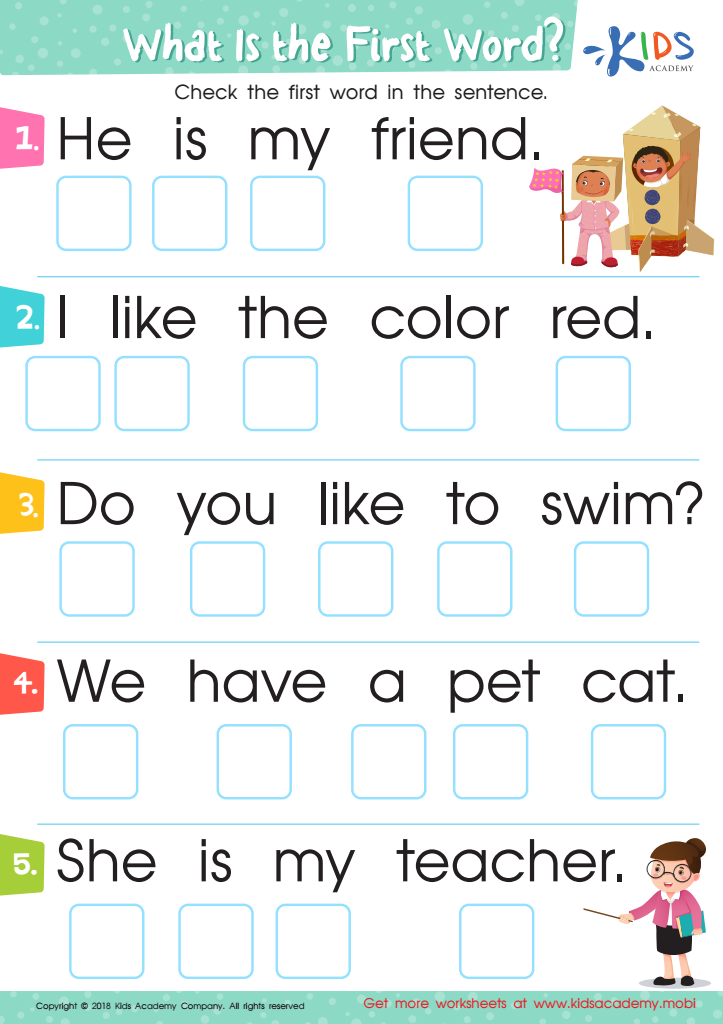
What is the First Word? Worksheet
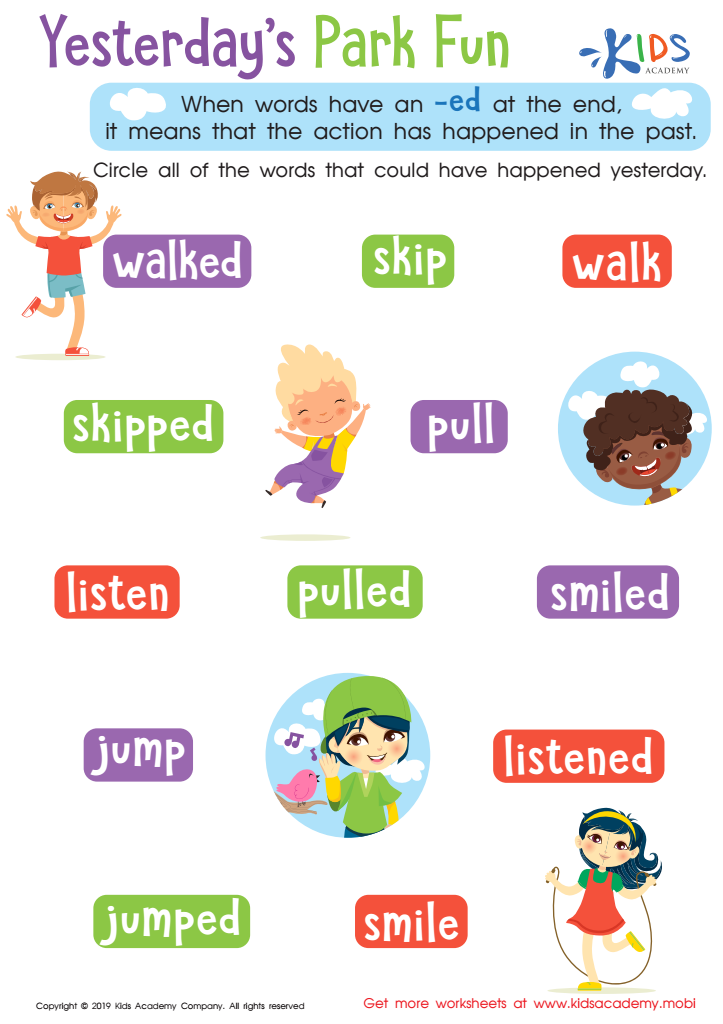
Yesterday's Park Fun Worksheet
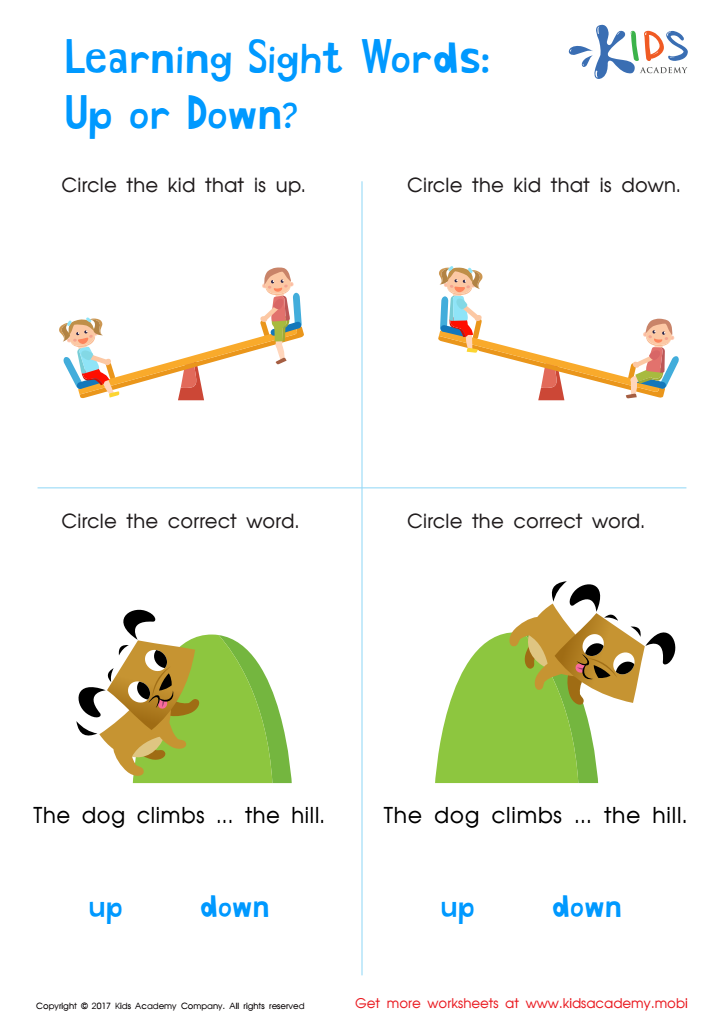
Up or Down Printable Sight Words Worksheet
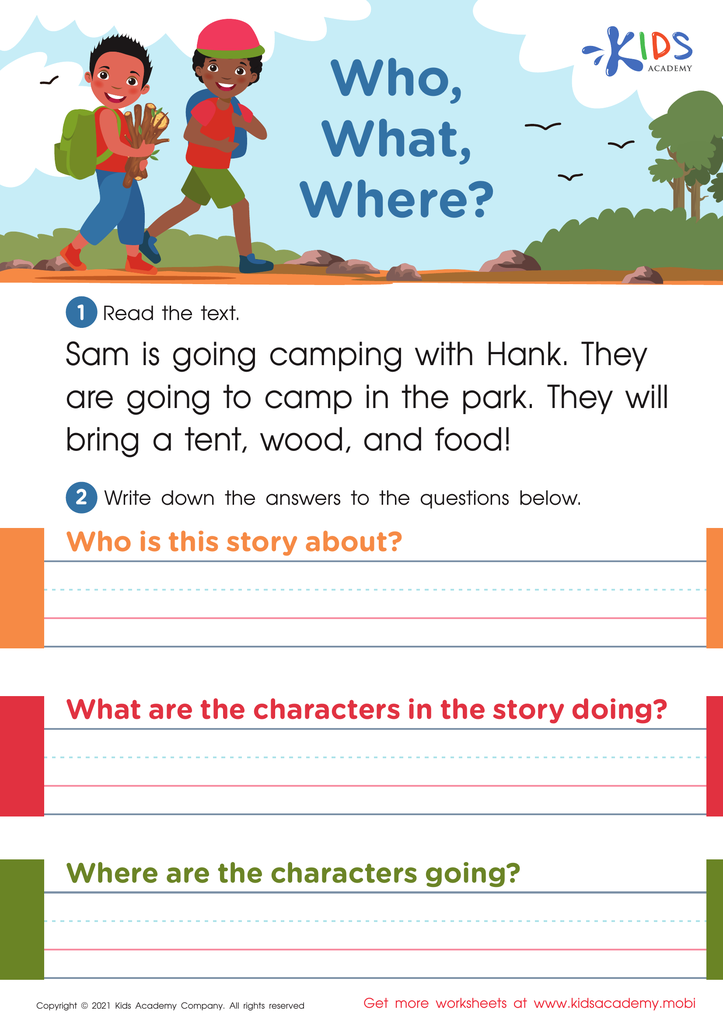
Who, What, Where? Worksheet
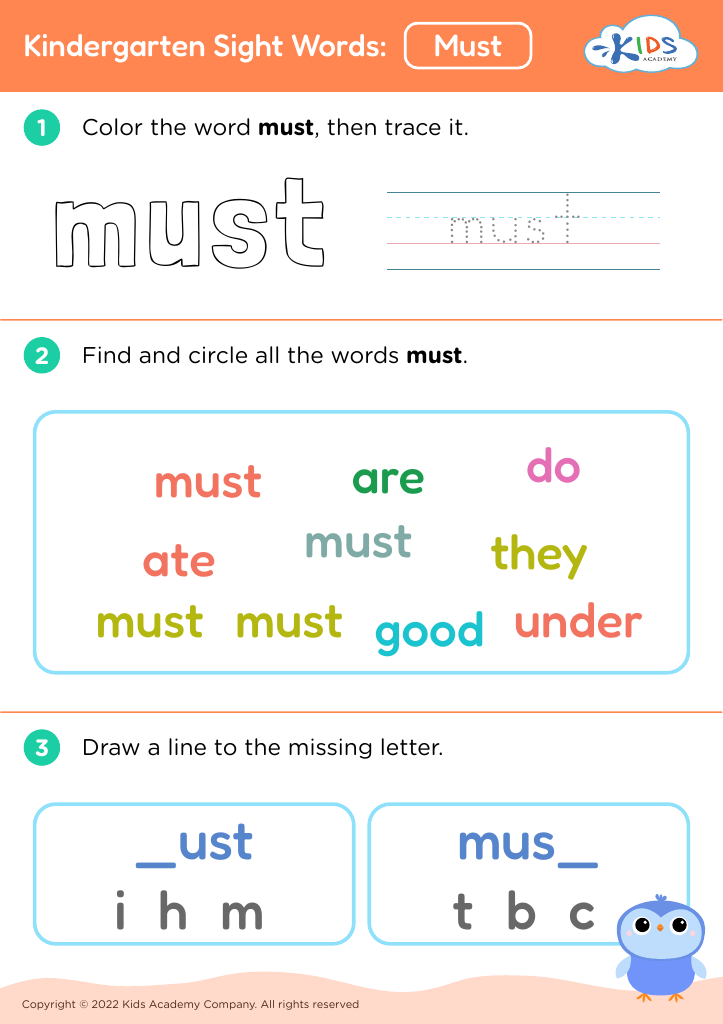


.jpg)




Vocabulary development is a crucial aspect of reading that parents and teachers should emphatically focus on for 6-year-olds. At this formative stage, vocabulary serves as the foundation for future learning and cognitive development. A robust vocabulary enables children to comprehend and engage with texts, thereby enhancing their reading skills. This lays the groundwork for academic success in a variety of subjects as strong reading comprehension is paramount.
Furthermore, vocabulary development fosters effective communication. Children with an extensive vocabulary can express their thoughts, ideas, and emotions more clearly, which is essential for social interactions and emotional health. This skill not only aids in building friendships and partnerships but also in developing confidence and self-esteem.
On a broader scale, early vocabulary proficiency has been linked to long-term educational achievements. Studies show that children with a rich vocabulary in early years tend to perform better academically and are more likely to read for pleasure, fostering a lifelong love for learning. Therefore, investing time in vocabulary development during these early years can have a lasting positive impact on a child’s educational journey and overall personal growth.
Parents and teachers play a pivotal role in this developmental phase, ensuring that children are exposed to a rich and diverse linguistic environment through reading, conversations, and engaging activities.








