Fine Motor Skills Reading Fiction Worksheets for 6-Year-Olds
6 filtered results
-
From - To
Discover our engaging Fine Motor Skills Reading Fiction Worksheets designed specifically for 6-year-olds! These interactive worksheets combine fun and education, helping young learners develop essential fine motor skills while enhancing their reading comprehension. With imaginative story scenarios, kids will use cutting, tracing, and drawing activities to delve into exciting fictional worlds. Each worksheet encourages creativity and critical thinking, making learning enjoyable and effective. Ideal for teachers and parents, these resources support early childhood development while fostering a love for reading. Explore our collection and help your child gain confidence and proficiency in both reading and fine motor skills today!
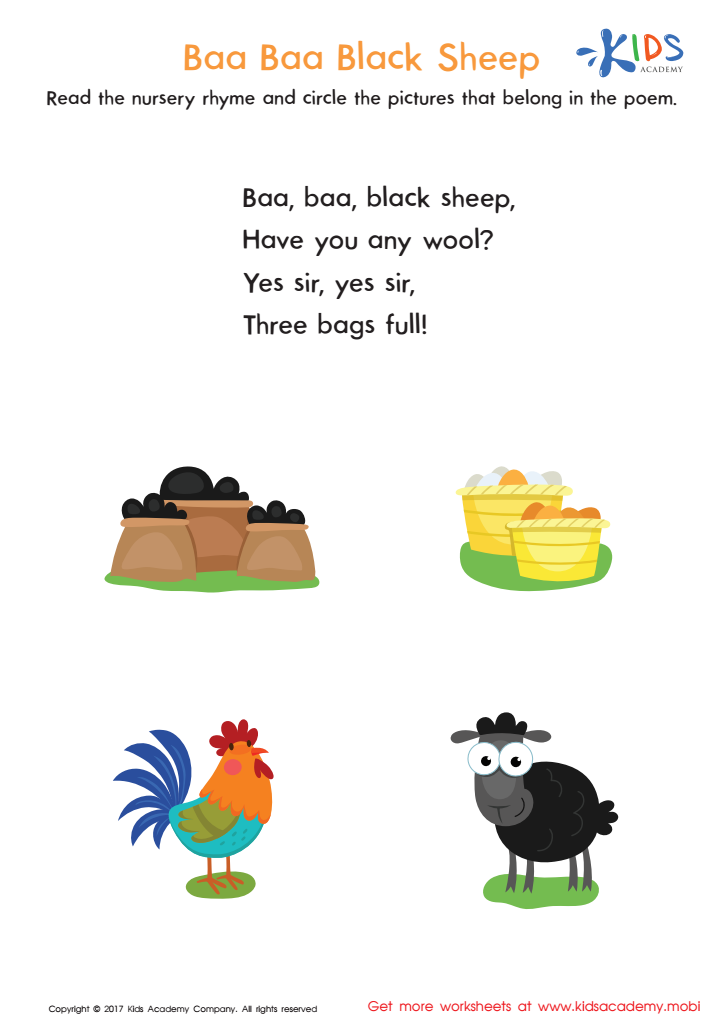
Baa Baa Black Sheep Printable
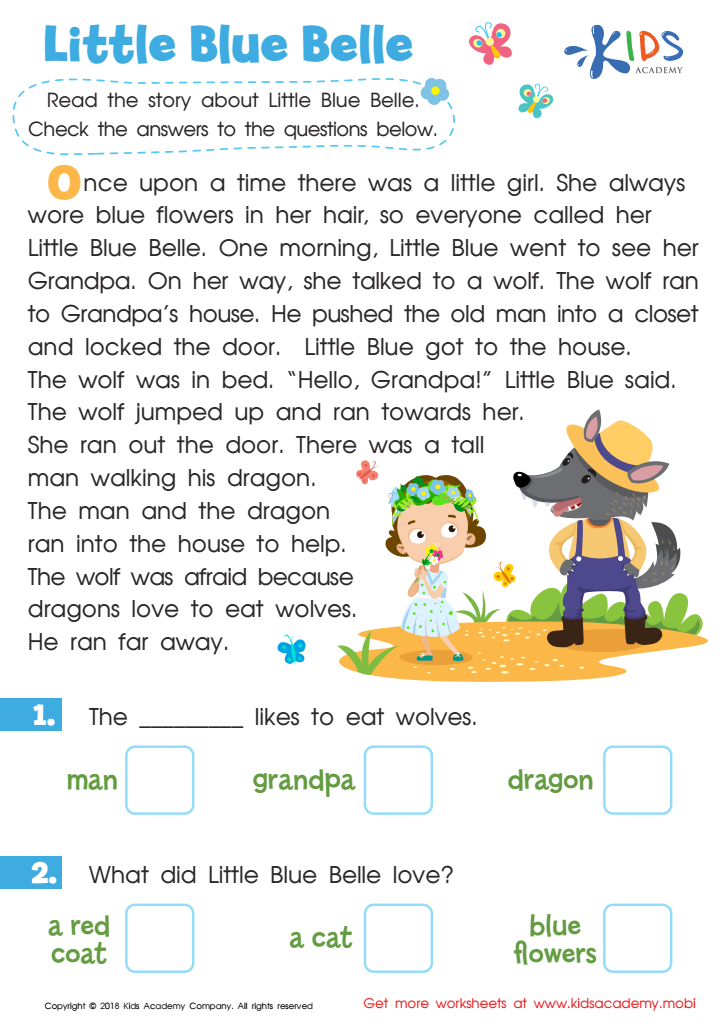
Little Blue Belle Worksheet

Twinkle Twinkle Little Star Coloring Page
 Assign to My Students
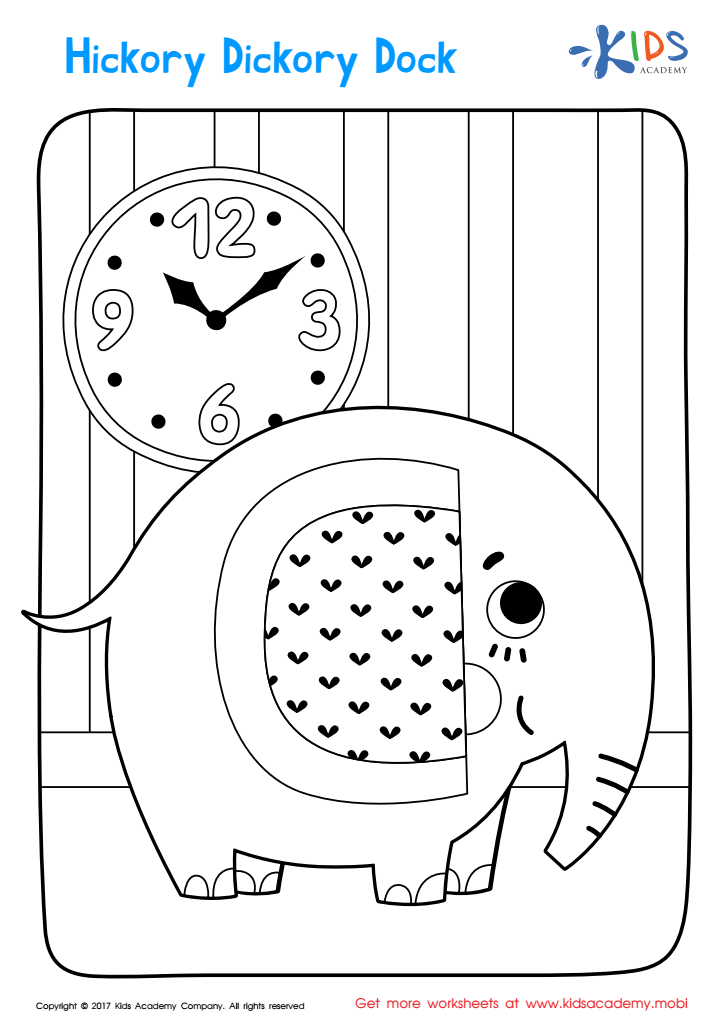
Hickory Dickory Dock Coloring Page
Assign to My Students
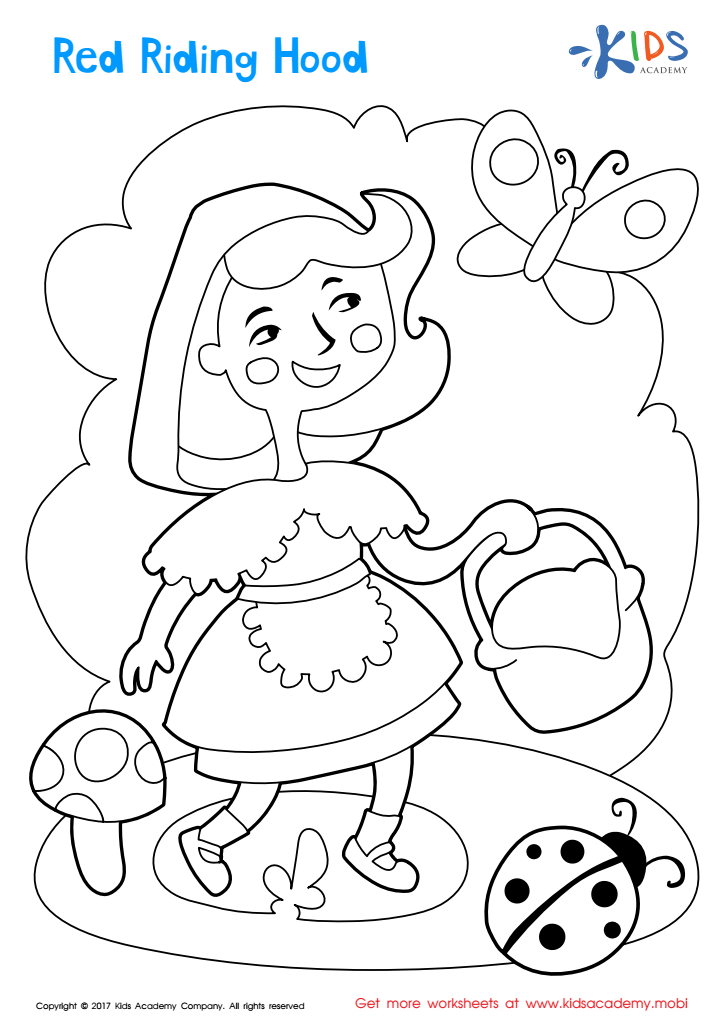
Red Riding Hood Coloring Page
Assign to My Students
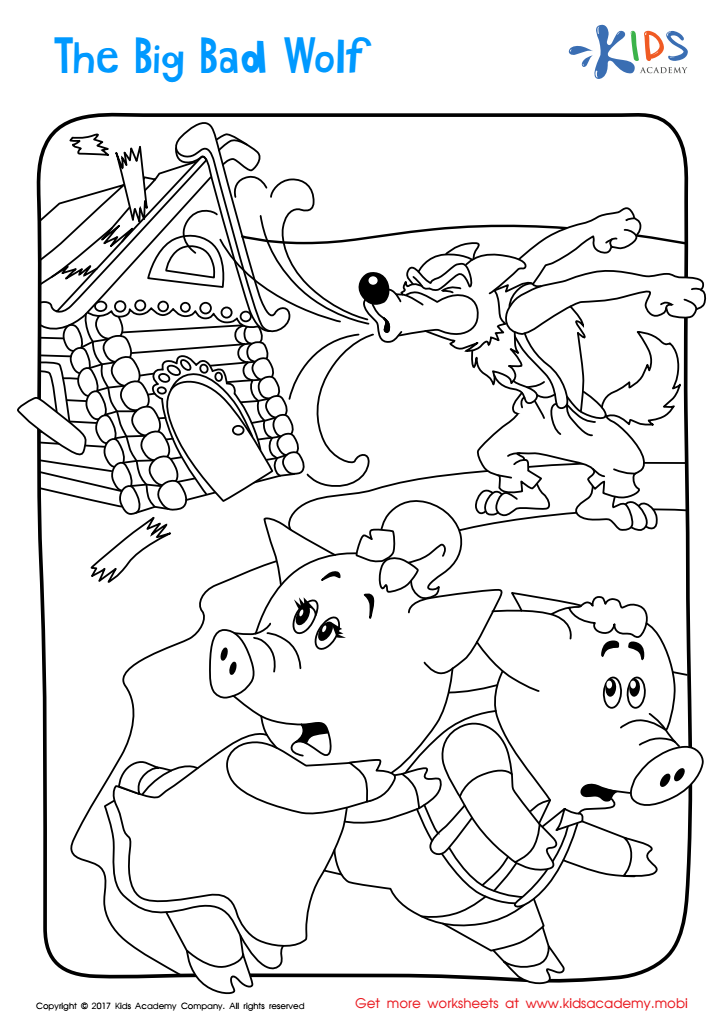
Big Bad Wolf Printable Coloring Page
Assign to My Students




.jpg)


.jpg)
Fine motor skills and reading fiction are crucial for the development of 6-year-olds, and both parents and teachers should pay close attention to them. Fine motor skills refer to the ability to manipulate small objects with precision, playing a vital role in everyday tasks such as writing, drawing, and buttoning clothes. These skills are foundational for academic success, particularly in writing and engaging with tools like scissors and glue in art projects.
Reading fiction, on the other hand, ignites a child’s imagination, enhances vocabulary, and fosters comprehension skills. Engaging with stories helps children understand different perspectives, nurturing empathy and emotional intelligence. Moreover, reading fiction can act as a motivational force, encouraging children to participate in discussions, fostering communication skills that also hinge on motor abilities when they engage in activities like writing their responses or creating art projects based on stories.
When parents and teachers work together to support the development of fine motor skills and encourage a love for reading fiction, they lay the groundwork for holistic development—ultimately promoting cognitive, social, and emotional growth that significantly benefits children's learning experiences. Prioritizing these areas can help create a well-rounded, skillful, and enthusiastic learner ready to engage with the world.








