Shape Recognition Reading Fiction Worksheets for 6-Year-Olds
3 filtered results
-
From - To
Discover our engaging Shape Recognition Reading Fiction Worksheets designed specifically for 6-year-olds! These resources seamlessly blend literacy and geometry, encouraging young learners to explore shapes through captivating stories. Each worksheet provides fun activities that enhance reading comprehension while developing shape recognition skills. Children will enjoy interactive exercises that challenge them to identify, match, and apply their knowledge of shapes in an imaginative context. Perfect for home or classroom use, these worksheets promote critical thinking and creativity in early education. Foster a love for reading while enhancing essential math skills with our collection dedicated to shaping young minds!
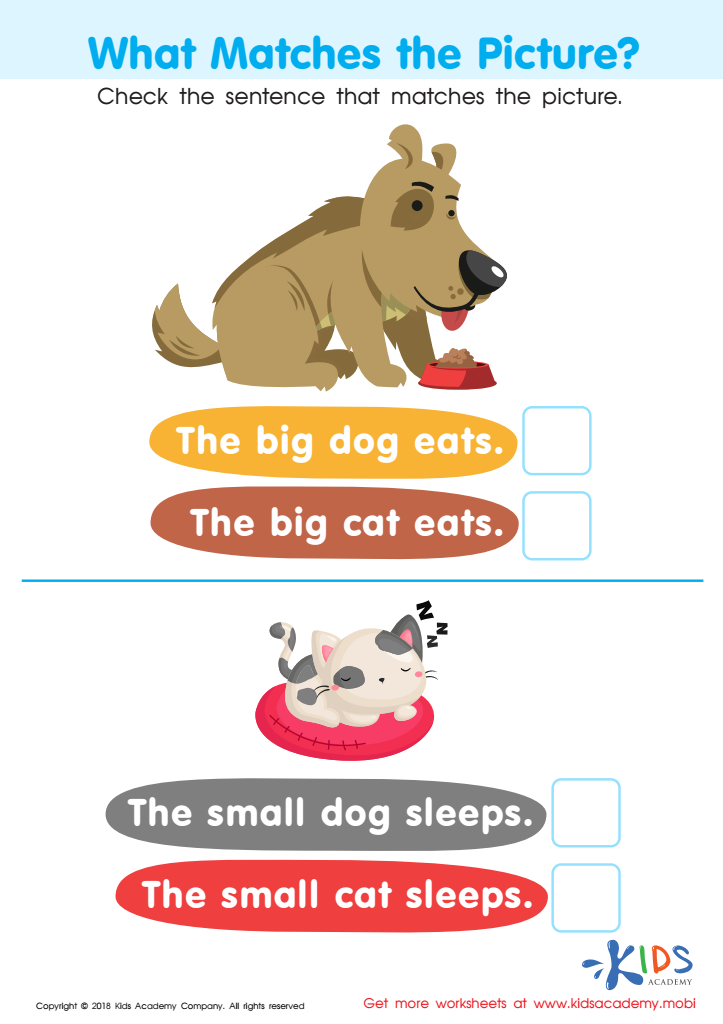
What Matches the Picture? Worksheet
 Assign to My Students
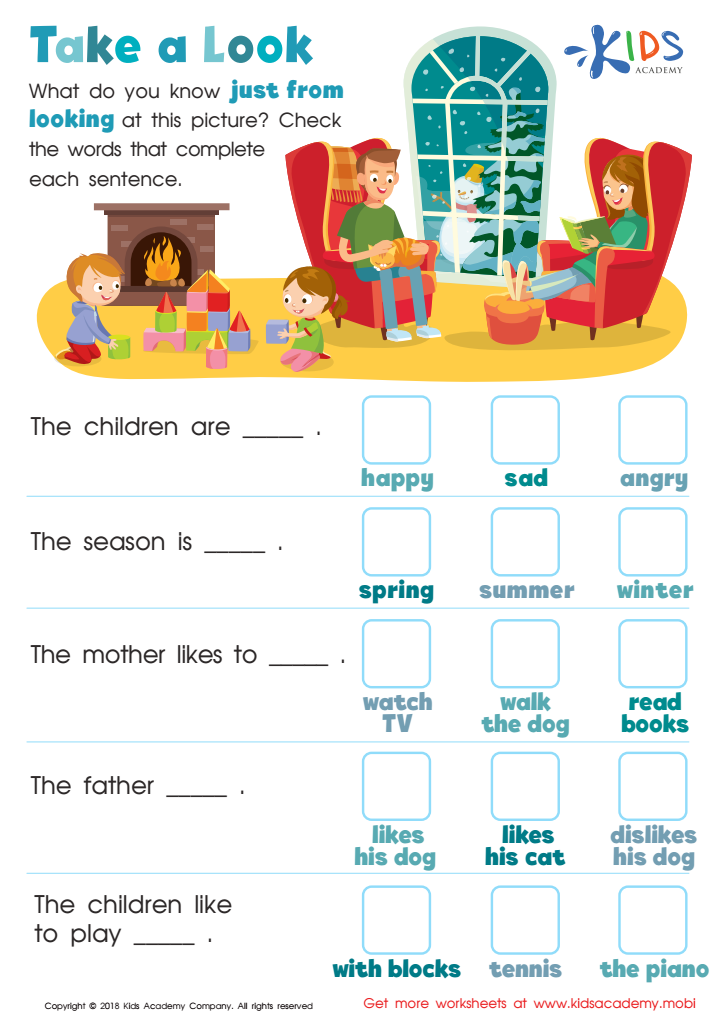
Take a Look - Part 1 Worksheet
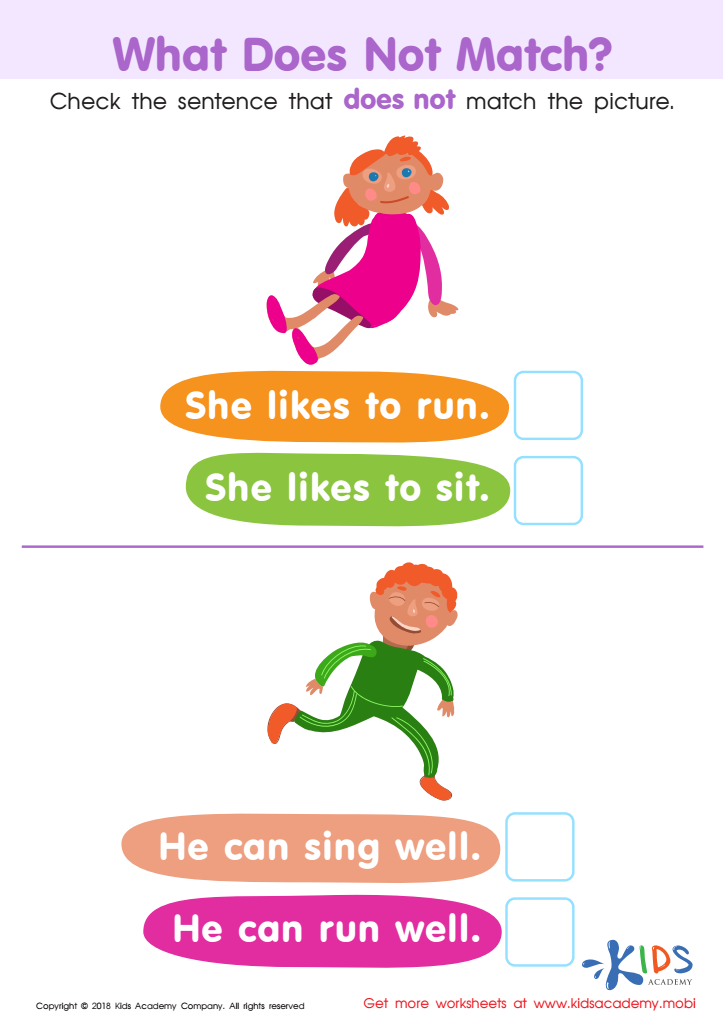
What Does Not Match? Worksheet








Shape recognition is an essential skill for 6-year-olds, serving as a foundational component for literacy and cognitive development. When children engage in reading fiction that incorporates shapes, it helps them understand the relationship between visual and textual elements. Parents and teachers should emphasize this because recognizing shapes supports pattern recognition, which is crucial for early reading skills.
When children connect shapes to letters and words, it lays the groundwork for phonetic awareness and reading comprehension. Fun, story-driven activities involving shapes can enhance engagement, making learning enjoyable and memorable. Additionally, understanding shapes fosters spatial awareness, which benefits mathematical and scientific aptitude as these subjects often utilize shapes as fundamental concepts.
Moreover, integrating shape recognition in stories encourages creativity and imagination. Children can visualize the imaginative worlds created in fiction and apply their knowledge of shapes to enhance their storytelling skills. Finally, by actively participating in the exploration of shapes through reading, parents and teachers build a rich collaborative environment that nurtures a love for learning, ultimately preparing children not just for reading but for various academic challenges in their future. This holistic development emphasizes the importance of shape recognition in early education settings.








