Vocabulary development Reading Fiction Worksheets for 6-Year-Olds
3 filtered results
-
From - To
Unlock the power of words with our Vocabulary Development Reading Fiction Worksheets, designed specifically for 6-year-olds! These fun and engaging activities will enhance your child's reading comprehension and vocabulary skills through delightful stories. Each worksheet encourages independent thinking as children categorize words, identify synonyms, and connect new vocabulary to their own experiences. Promoting a love for reading while building essential language skills, these resources are perfect for home or classroom use. Ignite your child's imagination and boost their confidence with varied exercises that make learning both enjoyable and effective. Explore our collection today and watch your child's vocabulary blossom!
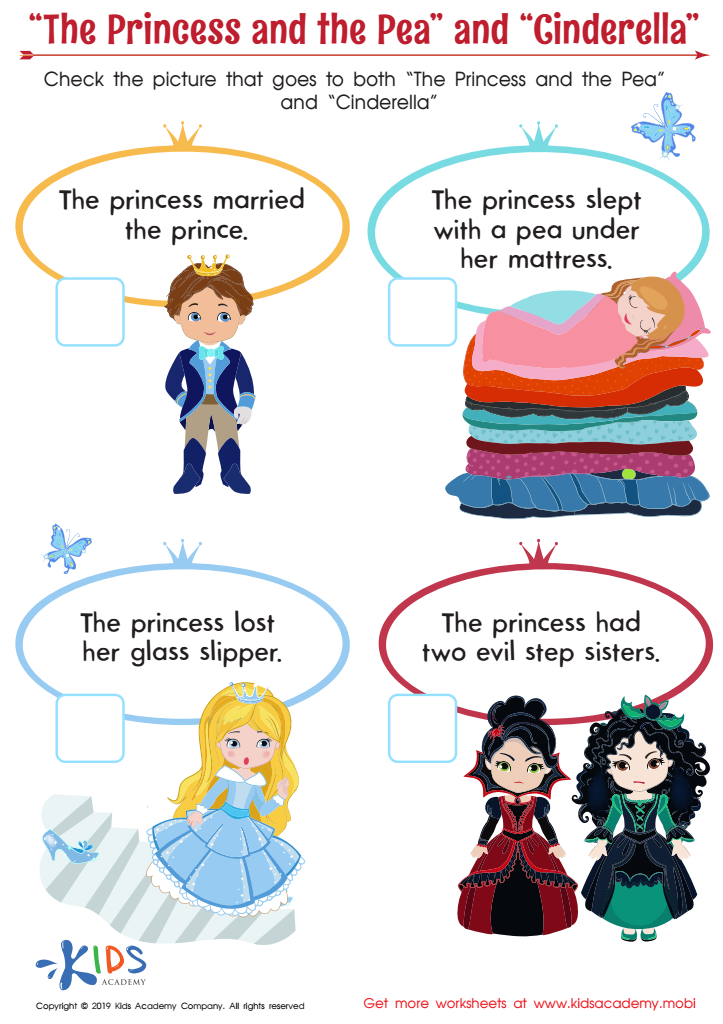
“The Princess and the Pea” and “Cinderella” Worksheet
 Assign to My Students
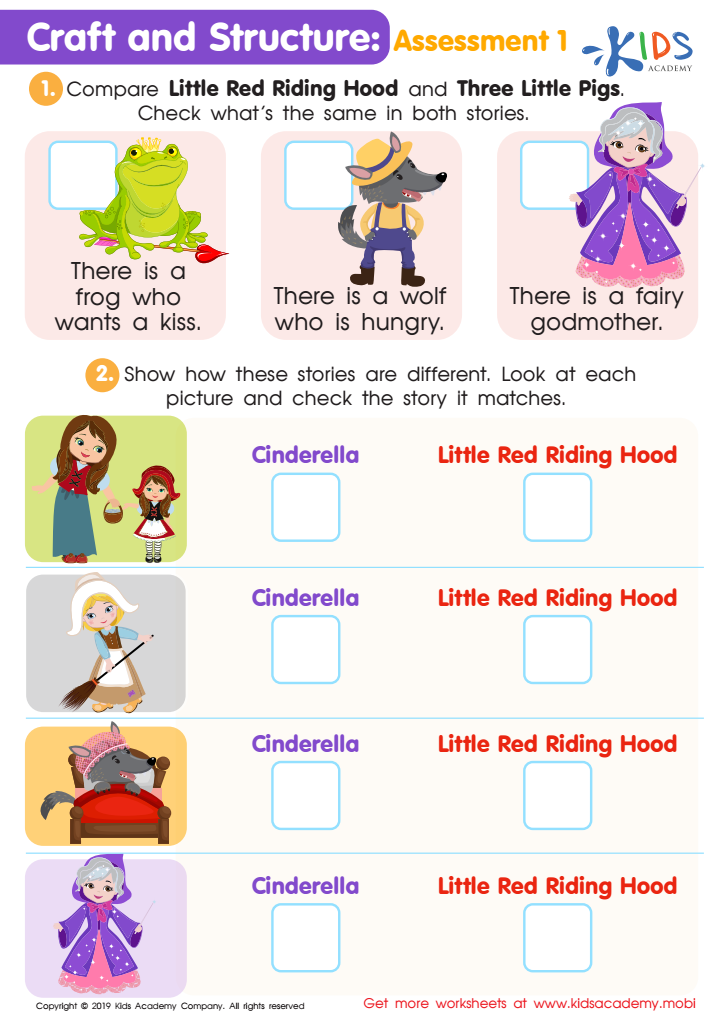
Craft and Structure: Assessment 1 Worksheet
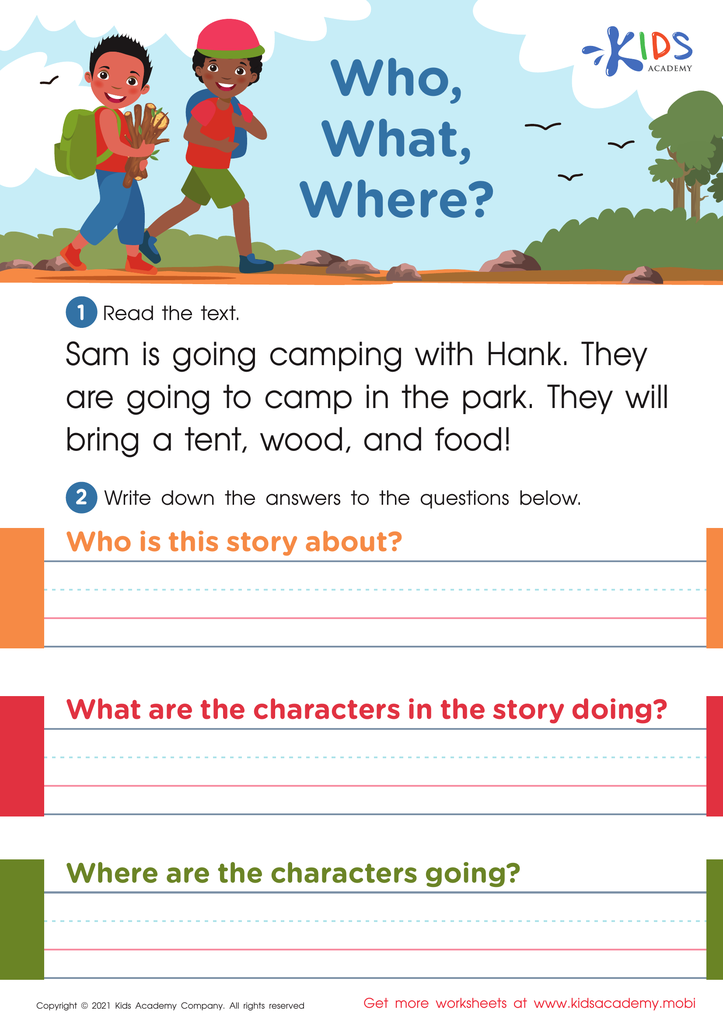
Who, What, Where? Worksheet


.jpg)




Vocabulary development is crucial for 6-year-olds, especially through reading fiction. At this age, children are rapidly expanding their language skills and comprehension abilities. Engaging with fiction exposes them to diverse words and phrases in meaningful contexts, facilitating better understanding and retention. When children encounter new vocabulary in stories, they’re more likely to remember and use those words, enhancing their overall language learning.
Reading fiction also sparks imagination and creativity, allowing children to connect emotionally with characters and plots. This emotional connection can make new vocabulary more relatable and engaging. Teachers and parents play an essential role in this process by choosing varied and rich texts that challenge children’s vocabulary while remaining age-appropriate.
Additionally, discussing stories during or after reading can reinforce vocabulary lessons. Encouraging children to predict outcomes or explain their favorite parts helps deepen understanding and encourages thoughtful word use. Supporting vocabulary development helps lay a solid foundation for reading comprehension, critical thinking, and effective communication skills in future academic pursuits. Overall, prioritizing vocabulary growth through fiction not only enhances language development but also fosters a lifelong love of reading, benefiting children in countless ways throughout their educational journey.








