Information retention Reading Non-Fiction Worksheets for 6-Year-Olds
3 filtered results
-
From - To
Enhance your 6-year-old's reading comprehension with our engaging Information Retention Reading Non-Fiction Worksheets! Designed specifically for early learners, these worksheets help children grasp key concepts from non-fiction texts, promoting critical thinking and retention skills. Each activity encourages young readers to identify main ideas, draw connections, and summarize information in their own words. Our fun and interactive format not only captivates children's attention but also builds essential literacy skills for their academic journey. Perfect for home or classroom use, these worksheets offer an enjoyable way to deepen understanding and foster a love for reading in young minds. Start exploring today!
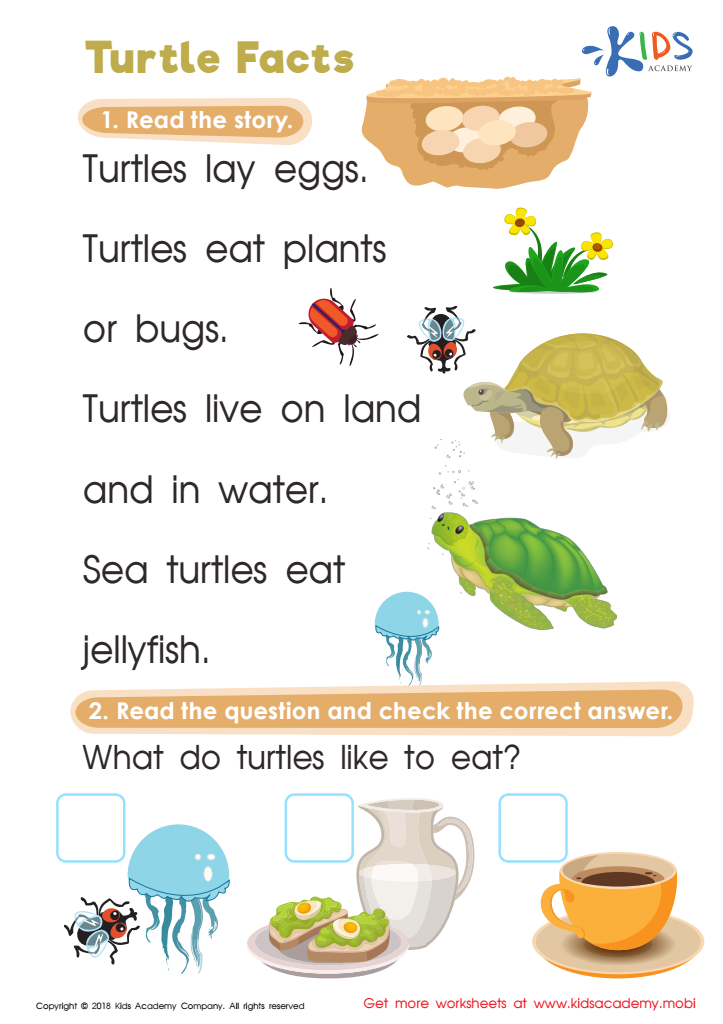
Turtle Facts Worksheet
 Assign to My Students
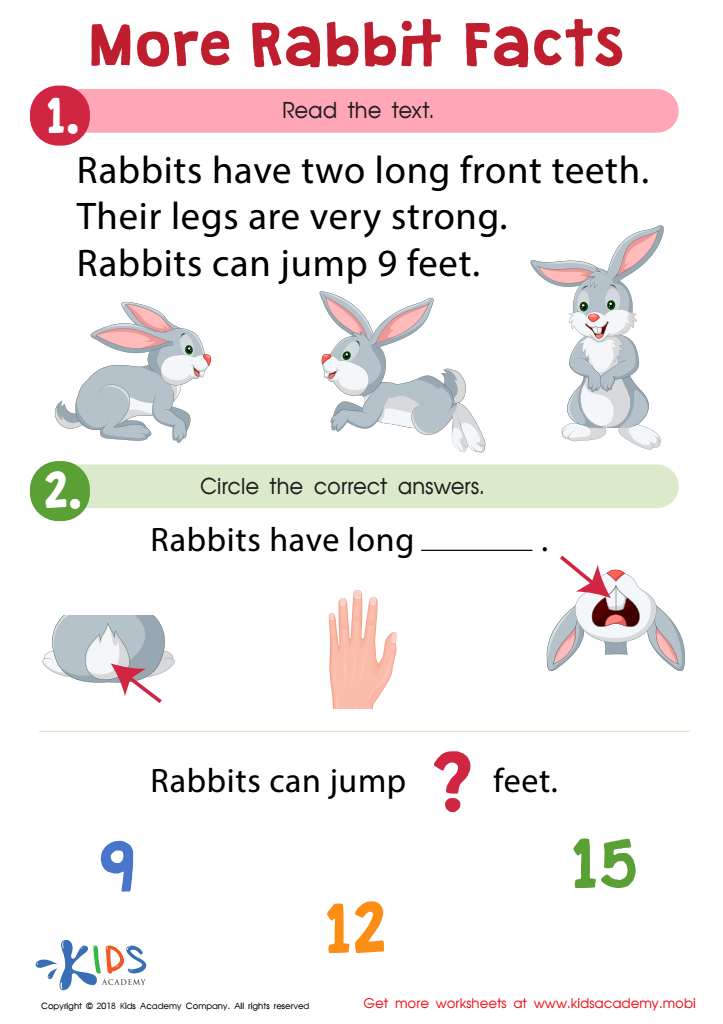
More Rabbit Facts Worksheet
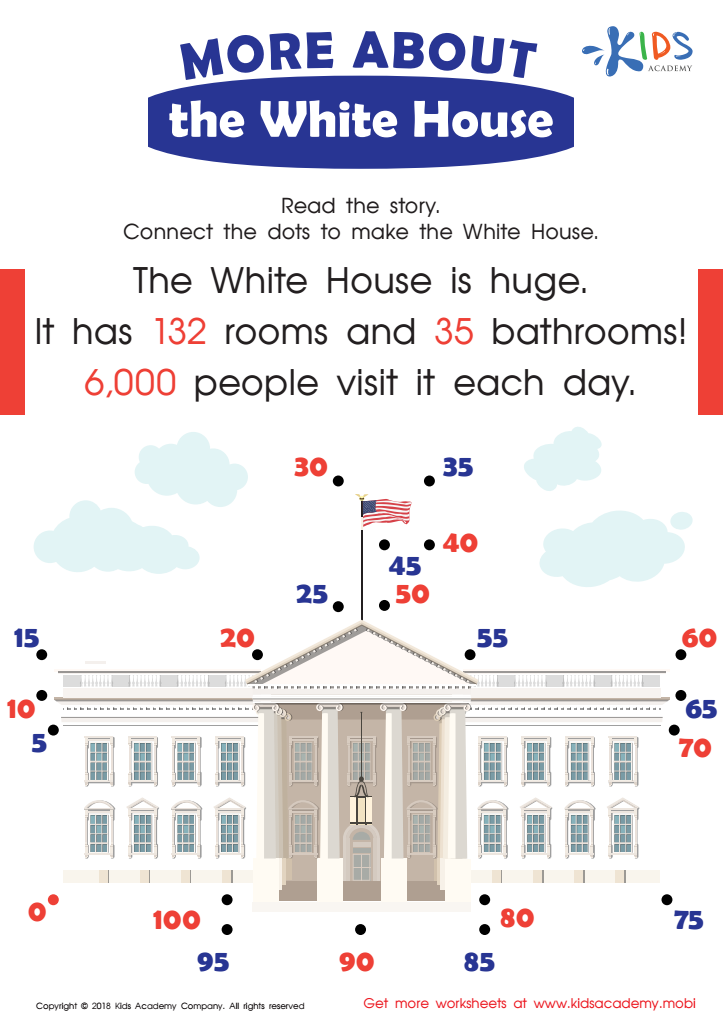
More About the White House Worksheet








Parents and teachers should prioritize information retention in reading non-fiction for 6-year-olds because it lays a crucial foundation for young learners' cognitive development. At this age, children are naturally curious and eager to explore the world around them. Non-fiction reading engages their interest, fostering a deeper understanding of real-life concepts and processes.
By focusing on information retention, educators and caregivers can help children recall facts and insights from their reading, enhancing their critical thinking skills. This practice not only builds a knowledge base but also encourages them to ask questions, connect ideas, and make informed observations about the world.
Additionally, strong retention skills promote confidence in young readers, empowering them to share what they've learned. This sharing can stimulate discussions at home and in the classroom, enhancing social and communication skills. As children grasp foundational knowledge, they develop positive attitudes towards reading, a habitat that is essential for ongoing academic success.
Furthermore, instilling a love for non-fiction reading nurtures independent learning. As children become proficient in retaining information, they begin to take initiative in seeking out knowledge, paving the way for lifelong learning and curiosity that will benefit them in all areas of life.








