Basic Addition Skills Sight Words Worksheets for 6-Year-Olds
3 filtered results
-
From - To
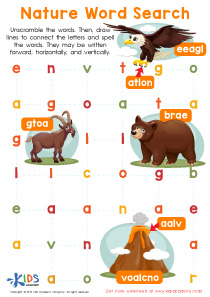
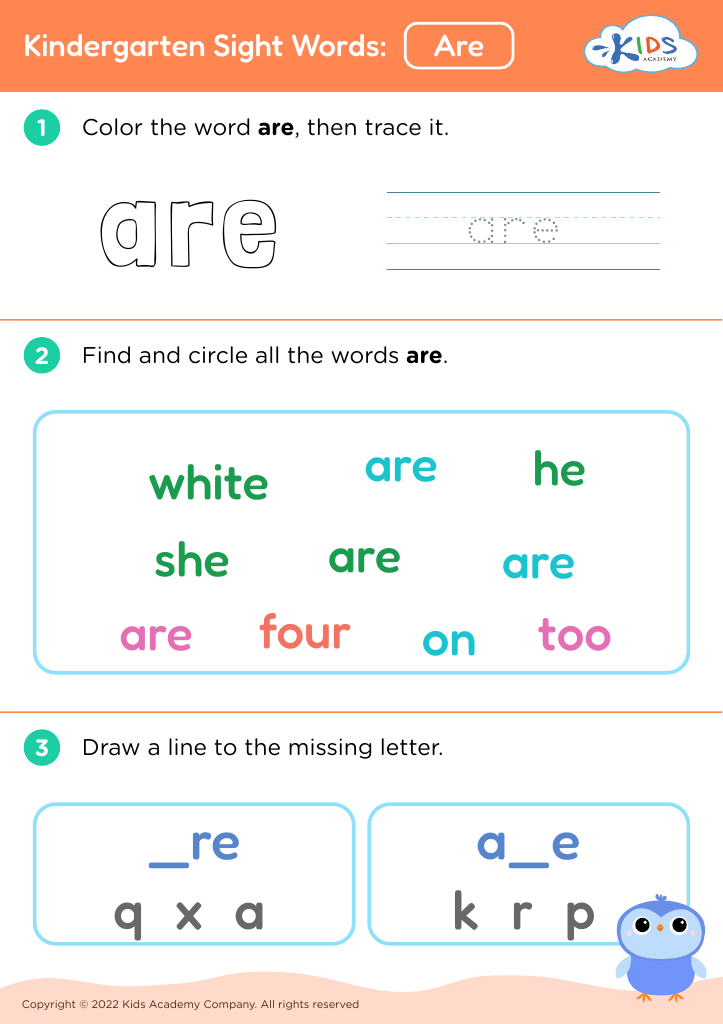
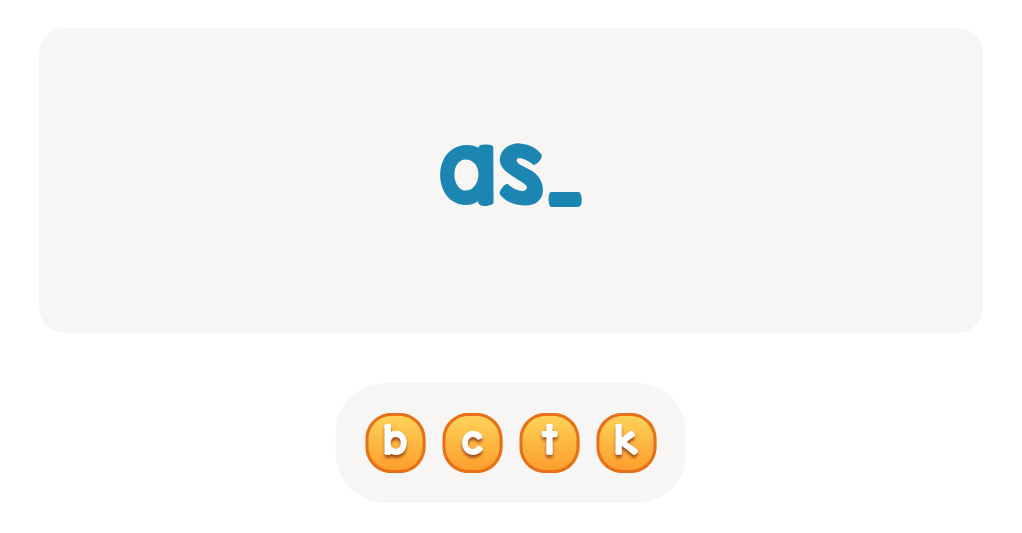
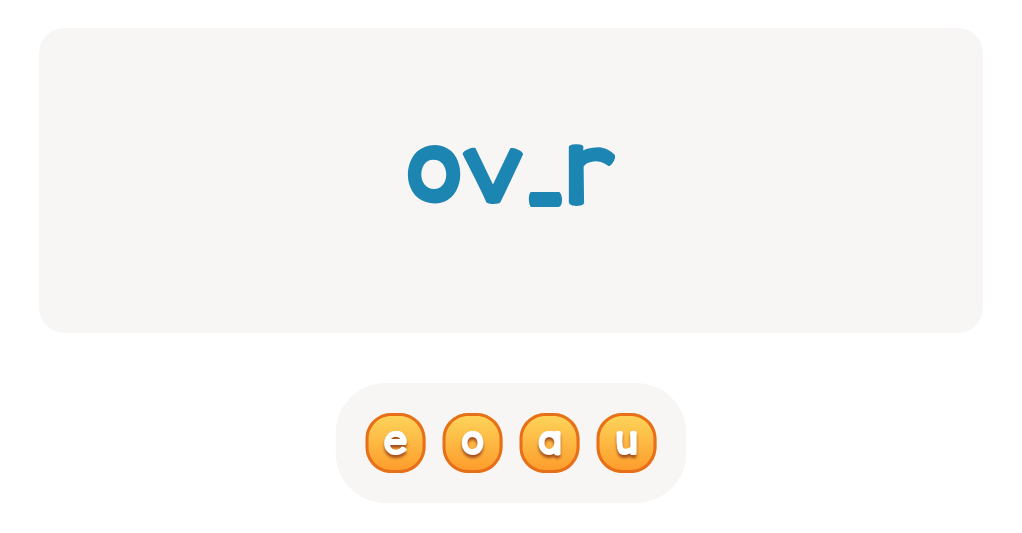
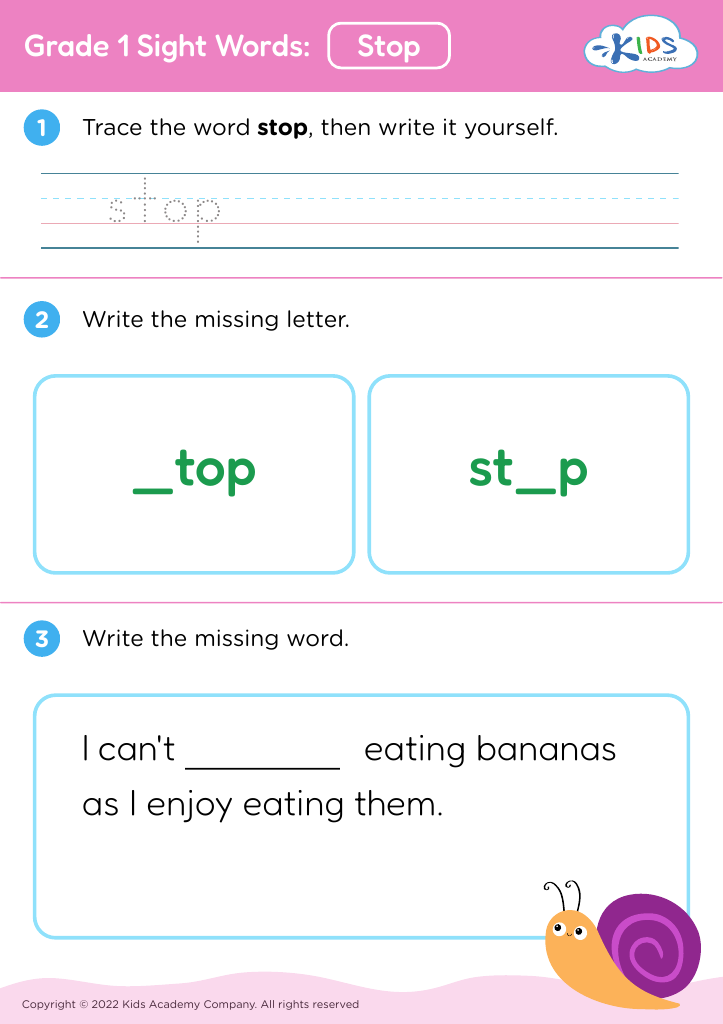
Enhance your child's math and reading proficiency with our "Basic Addition Skills Sight Words Worksheets for 6-Year-Olds." Specifically designed to integrate fundamental addition skills with essential sight reading, these engaging worksheets make learning fun and effective. Each printable activity combines math problems with sight words practice, ensuring comprehensive cognitive development. Perfect for young learners, our worksheets foster confidence and academic growth by reinforcing key concepts tailored to your child's age and learning stage. Start building a strong foundation in both math and reading with these interactive and educational resources from Kids Academy. Try them today!




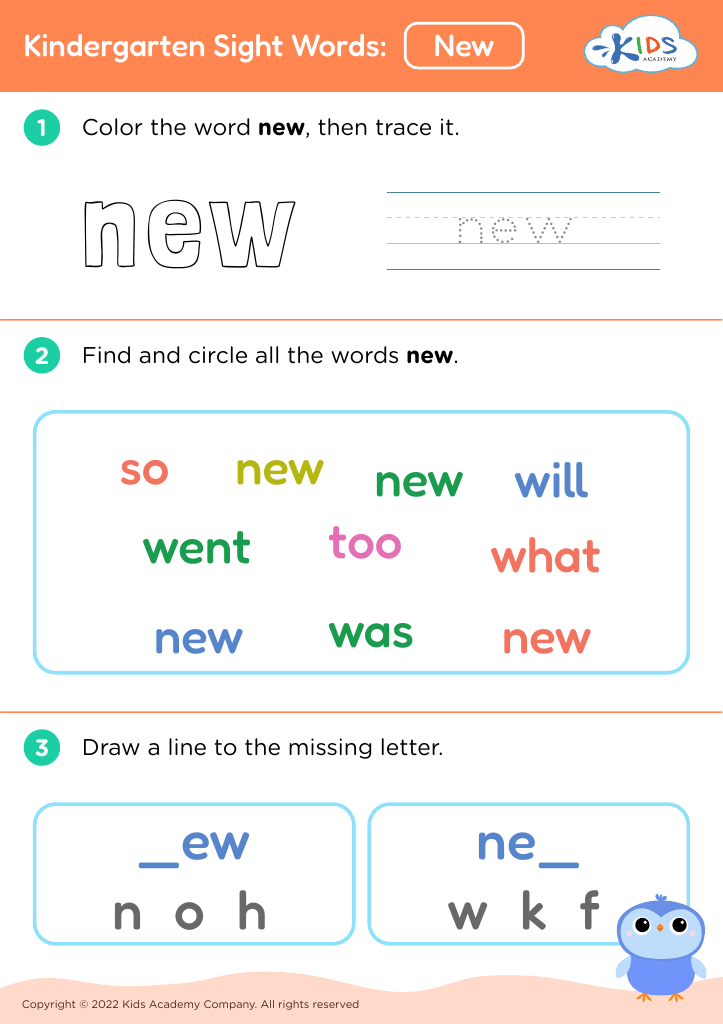








Parents and teachers should prioritize basic addition skills and sight words for 6-year-olds because these foundational elements are essential for future academic success. Mastering basic addition at an early age helps children develop strong mathematical reasoning and problem-solving skills. This ability to quickly and accurately add numbers lays the groundwork for more complex math concepts they will encounter in later grades, making transitions to these harder topics smoother and less stressful.
Simultaneously, learning sight words is crucial for developing reading proficiency. Sight words are commonly encountered in written texts but often don't follow standard phonics rules, meaning they can’t easily be decoded by sounding them out. By immediately recognizing these words, 6-year-olds can read more fluently and focus on comprehending the text rather than constantly stopping to figure out individual words.
Together, these skills not only build confidence but also promote a positive attitude toward learning. A child who is proficient in basic addition and sight words will likely experience greater academic achievement, feel more confident in their abilities, and engage more actively in classroom activities. This combination sets the stage for lifelong learning and curiosity, highlighting the importance of both these skill sets in early childhood education.