Comparing Fractions Sight Words Worksheets for 6-Year-Olds
17 filtered results
-
From - To
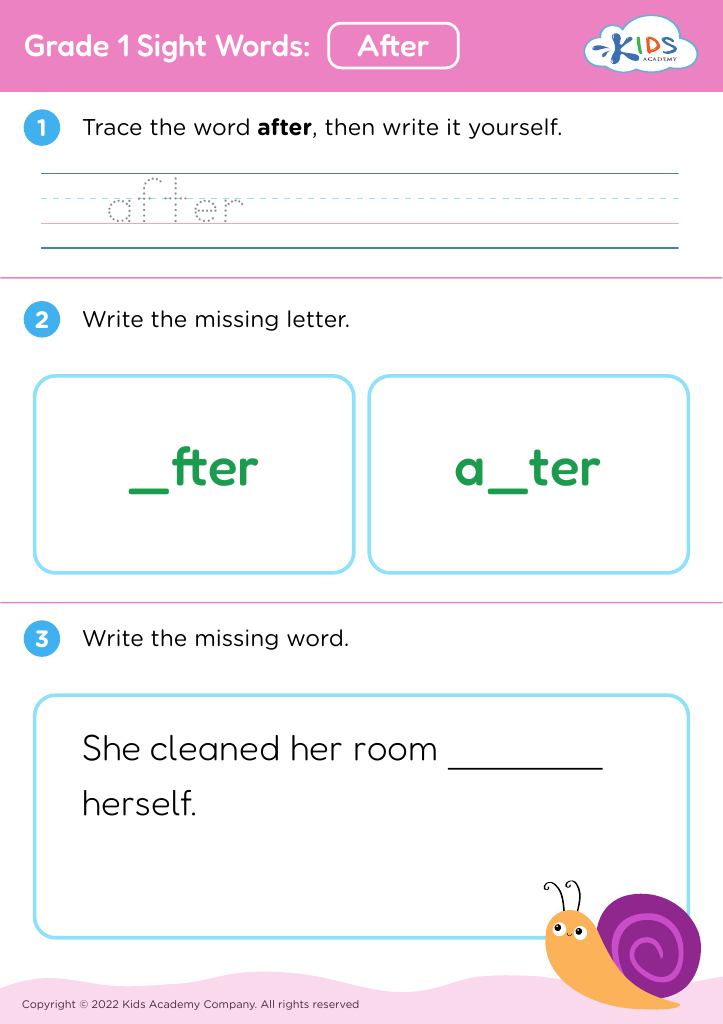
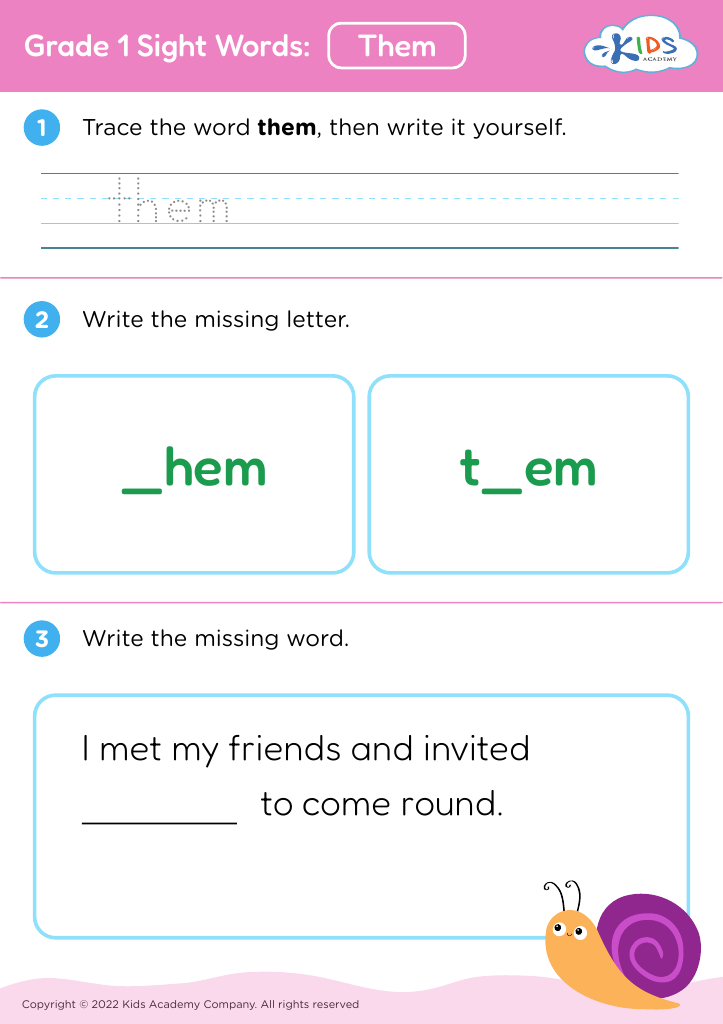
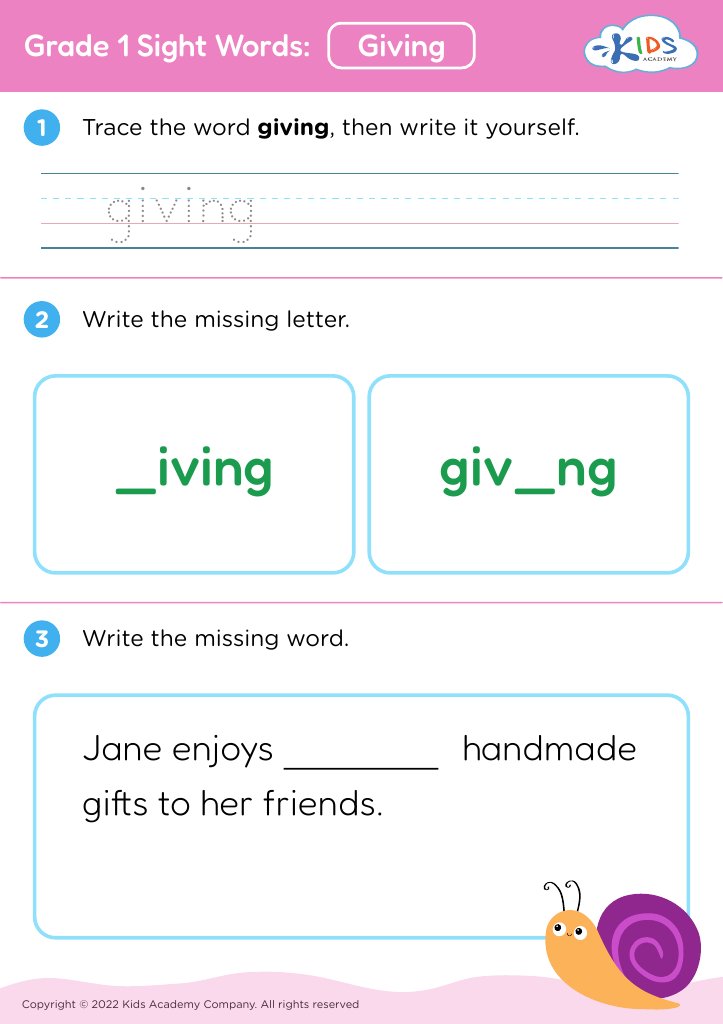
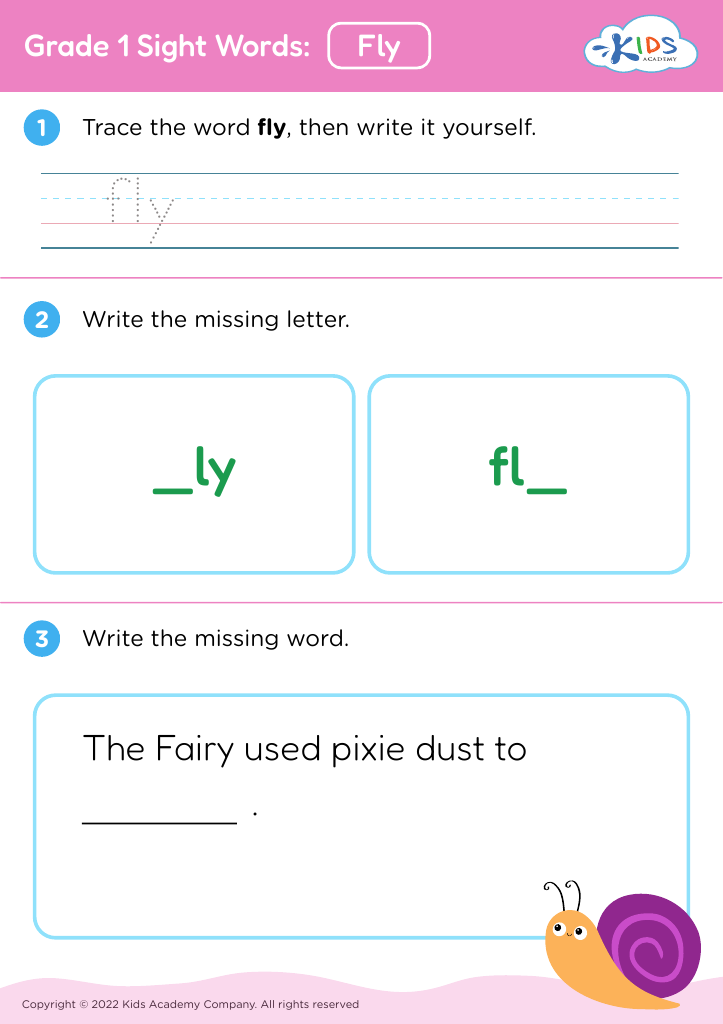
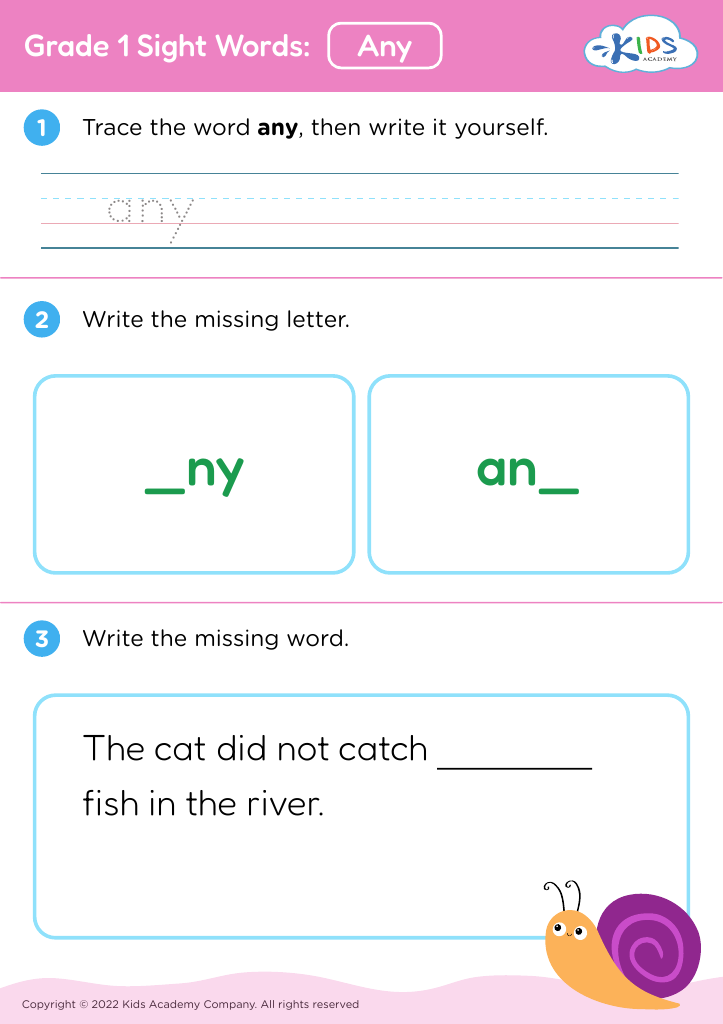
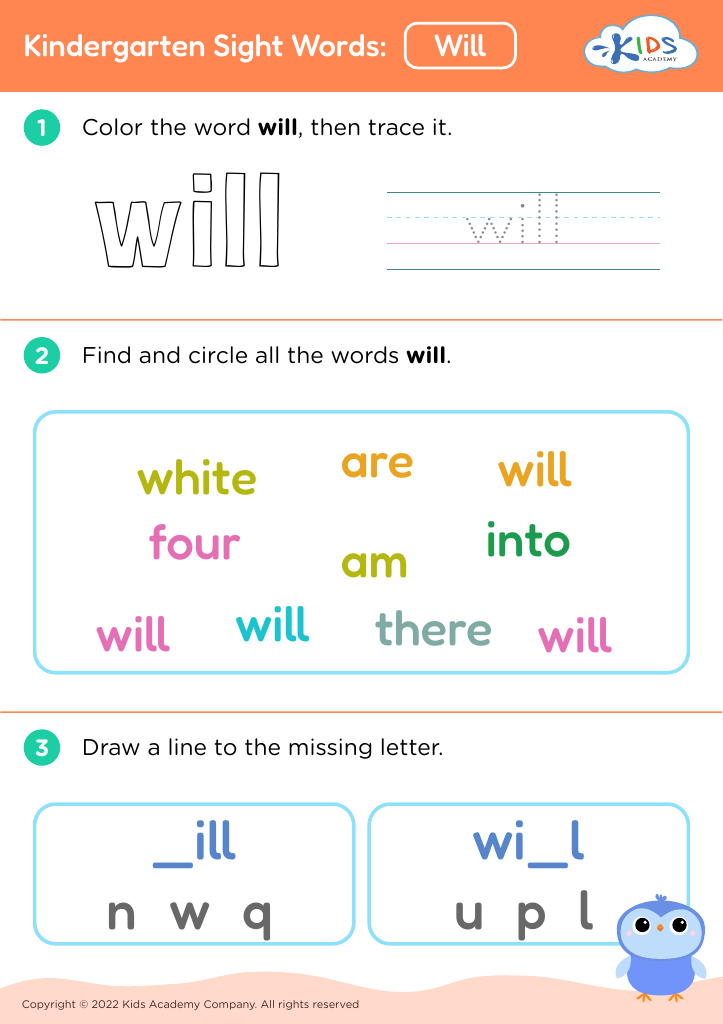
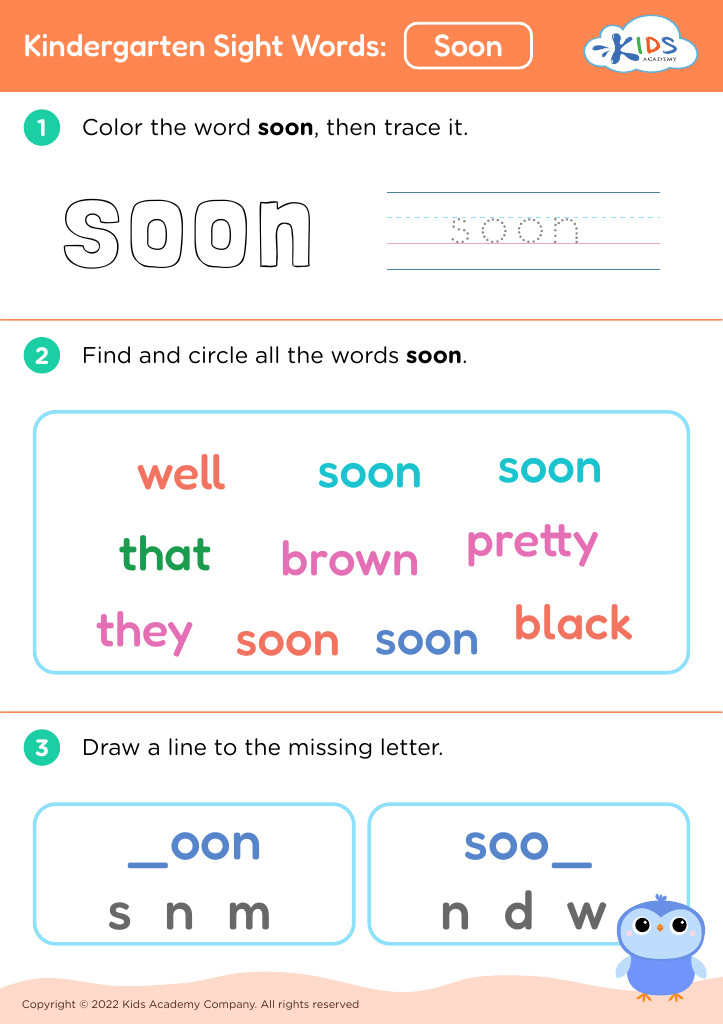
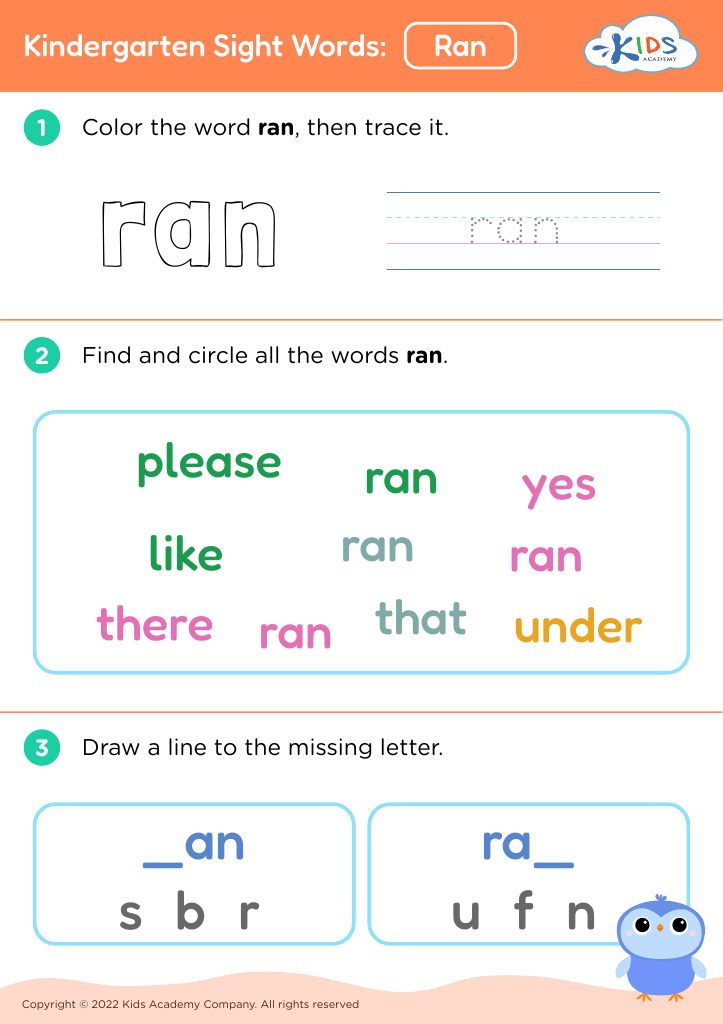
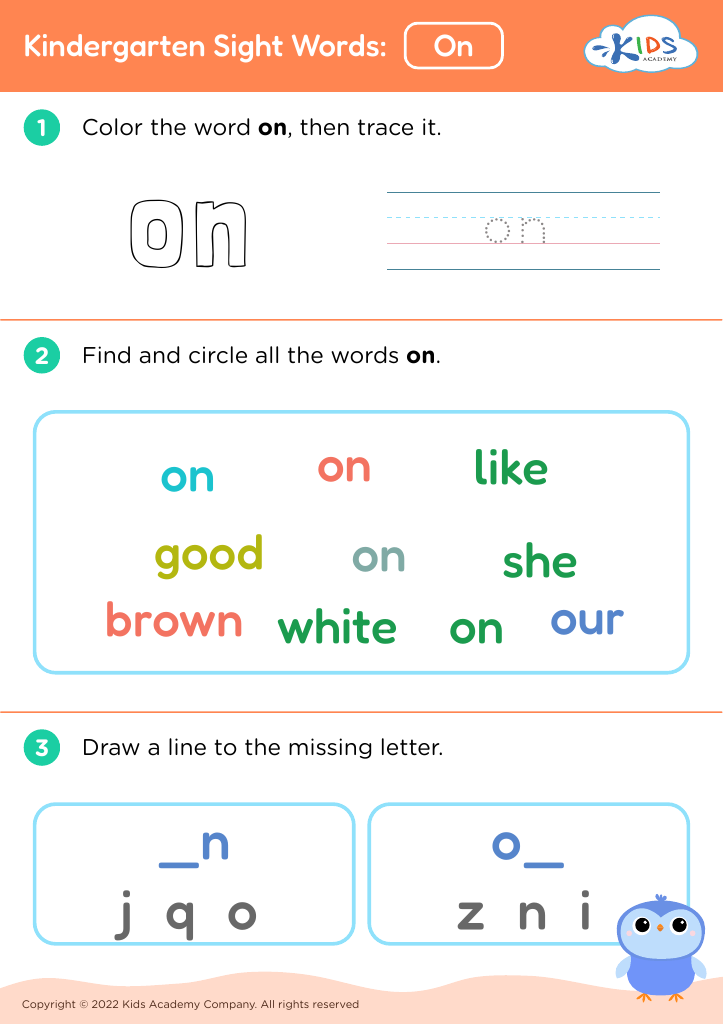
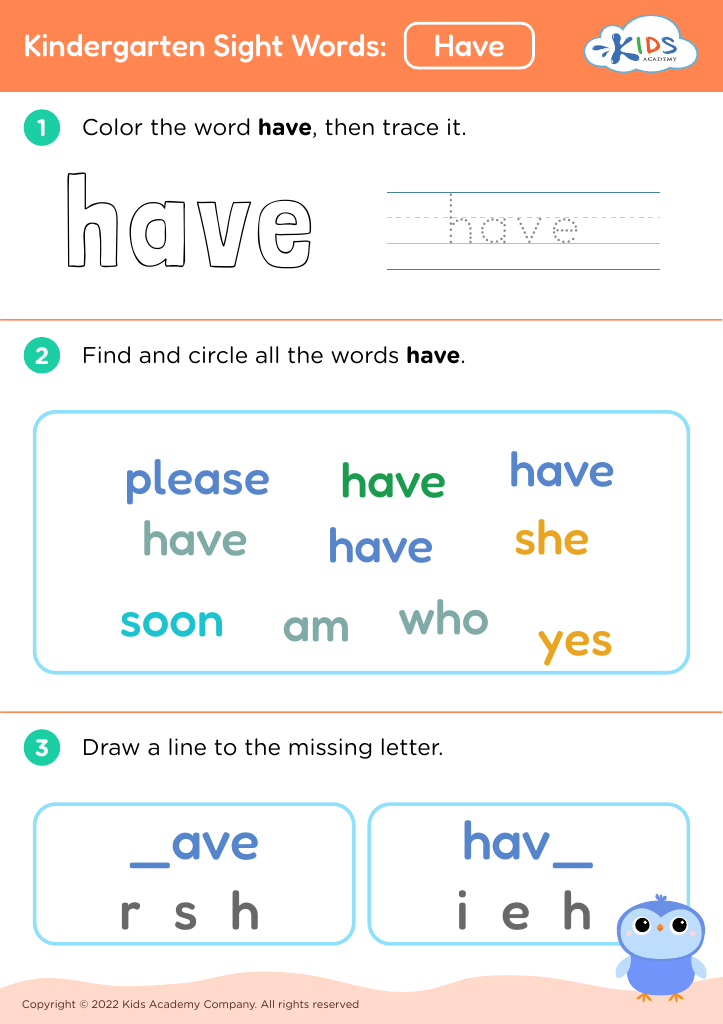
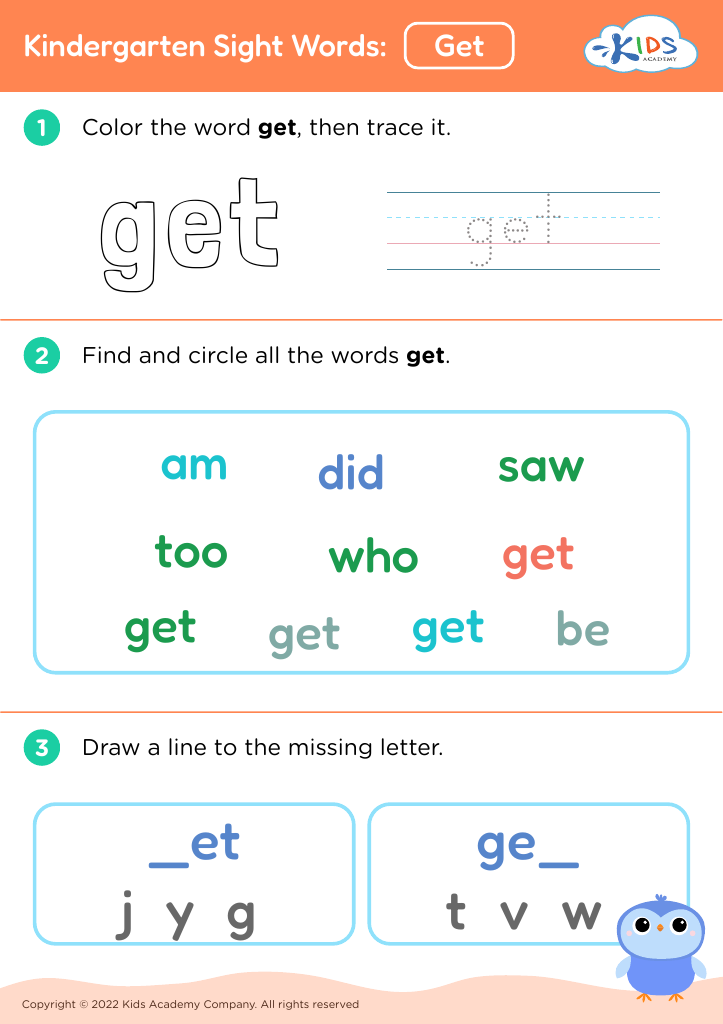
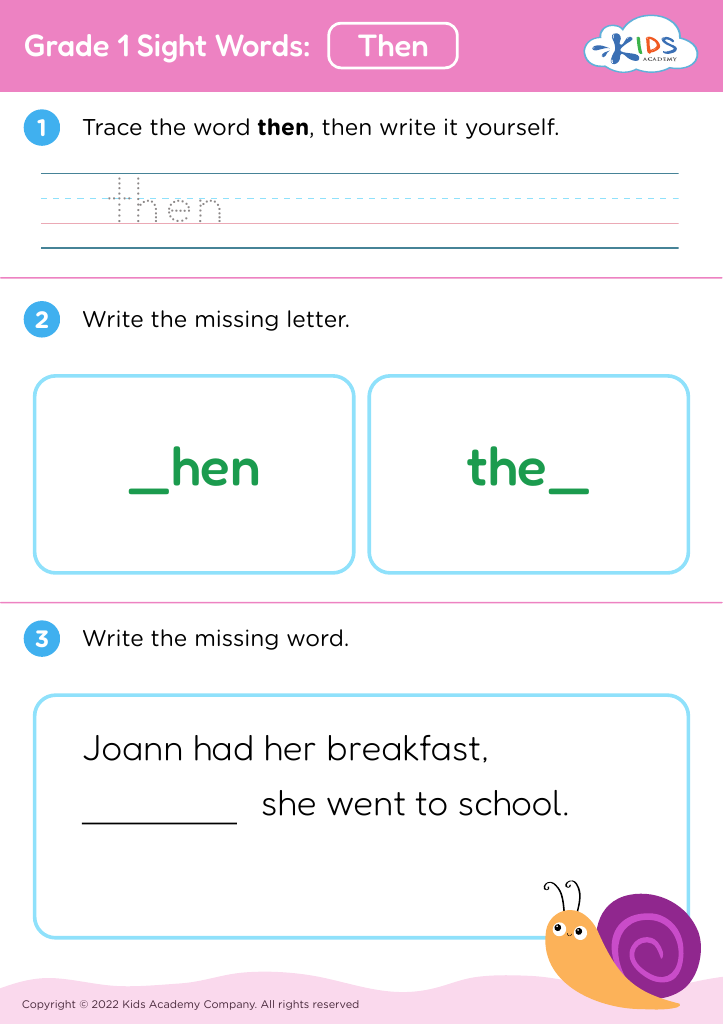
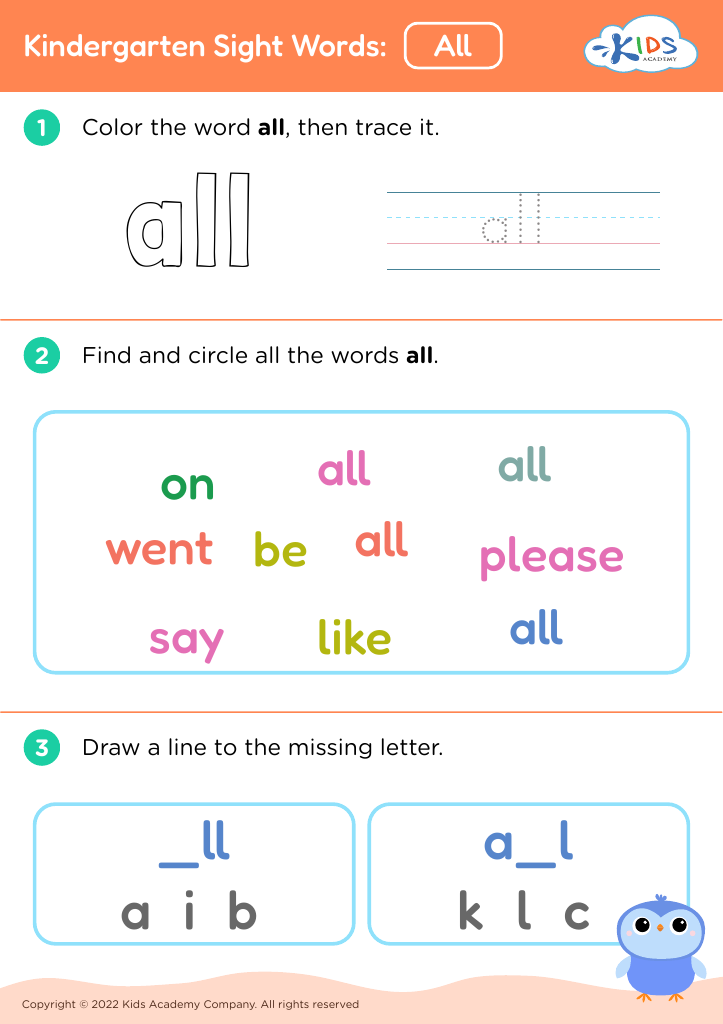
On our Comparing Fractions Sight Words Worksheets page, learners will explore the fascinating world of fractions using engaging sight word activities! Designed for 6-year-olds, these worksheets combine essential reading skills with fundamental math concepts. Children will practice identifying and comparing fractions while enhancing their vocabulary with sight words. Each worksheet provides approachable exercises that make learning fun and interactive. This resource supports early math and literacy development, helping young students build confidence in both skills. Perfect for parents and educators looking to reinforce classroom learning or facilitate at-home practice, our worksheets are tailored to meet the educational needs of early learners.




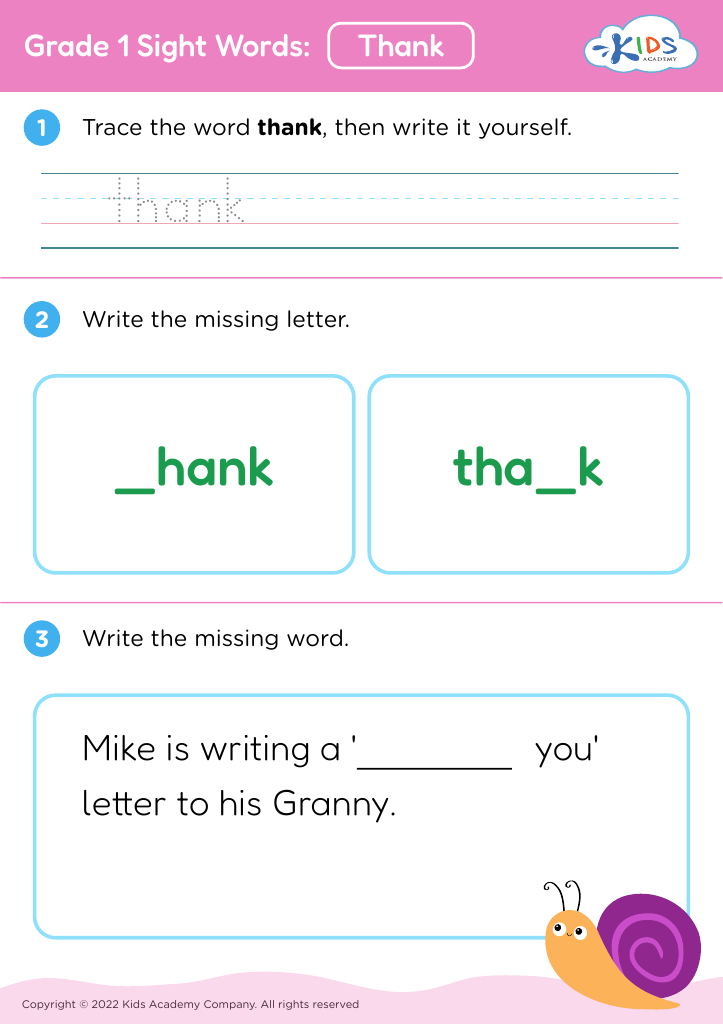
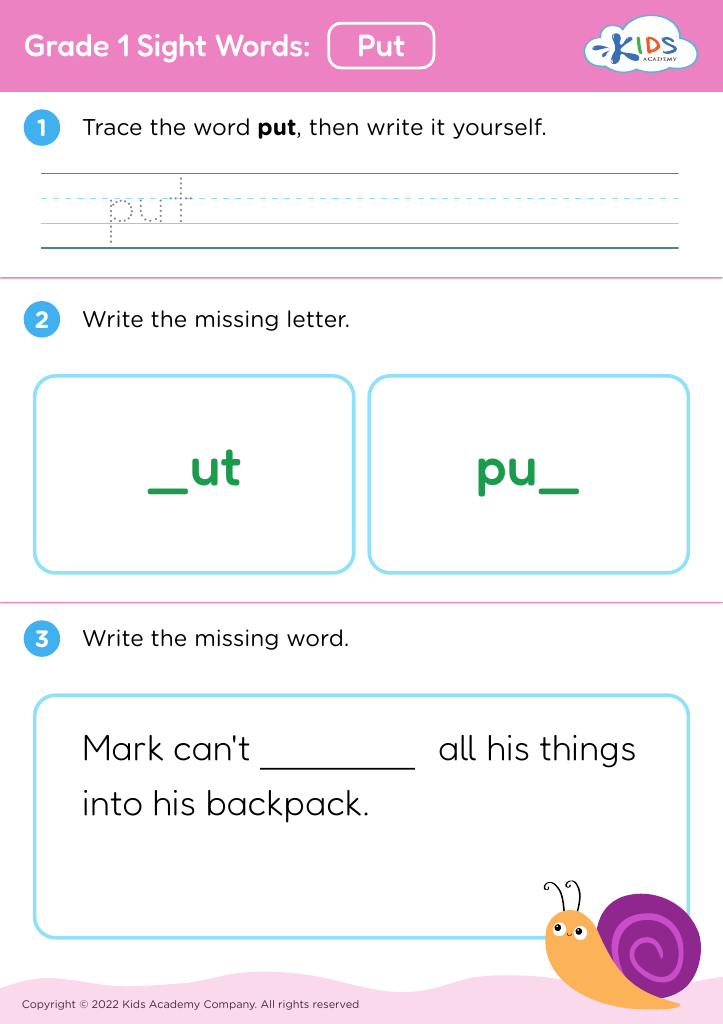
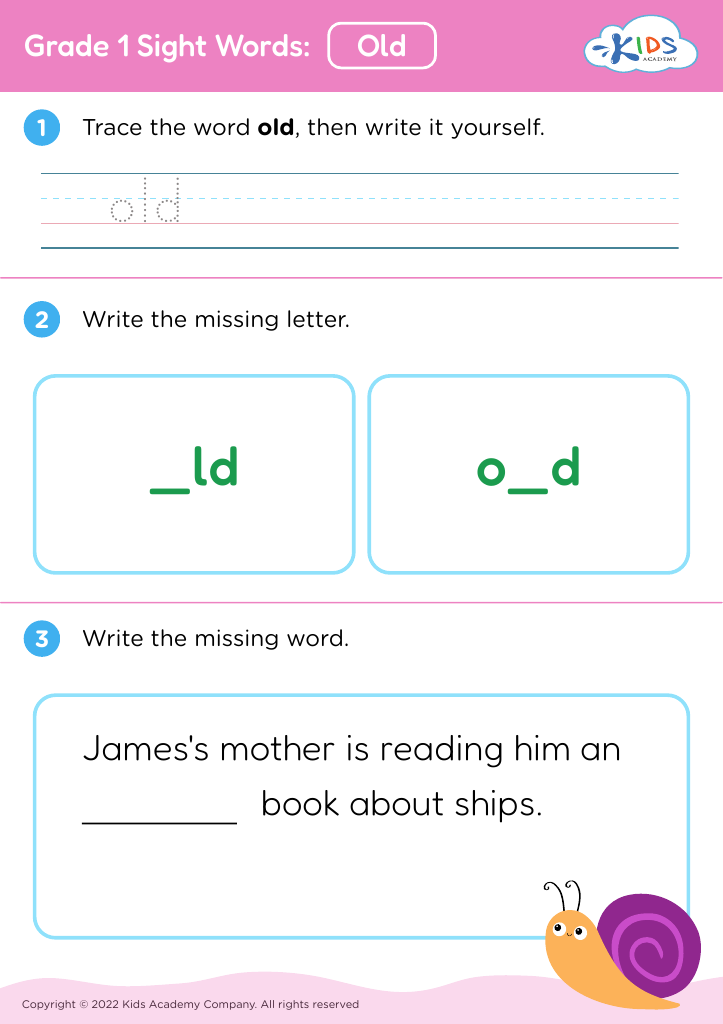
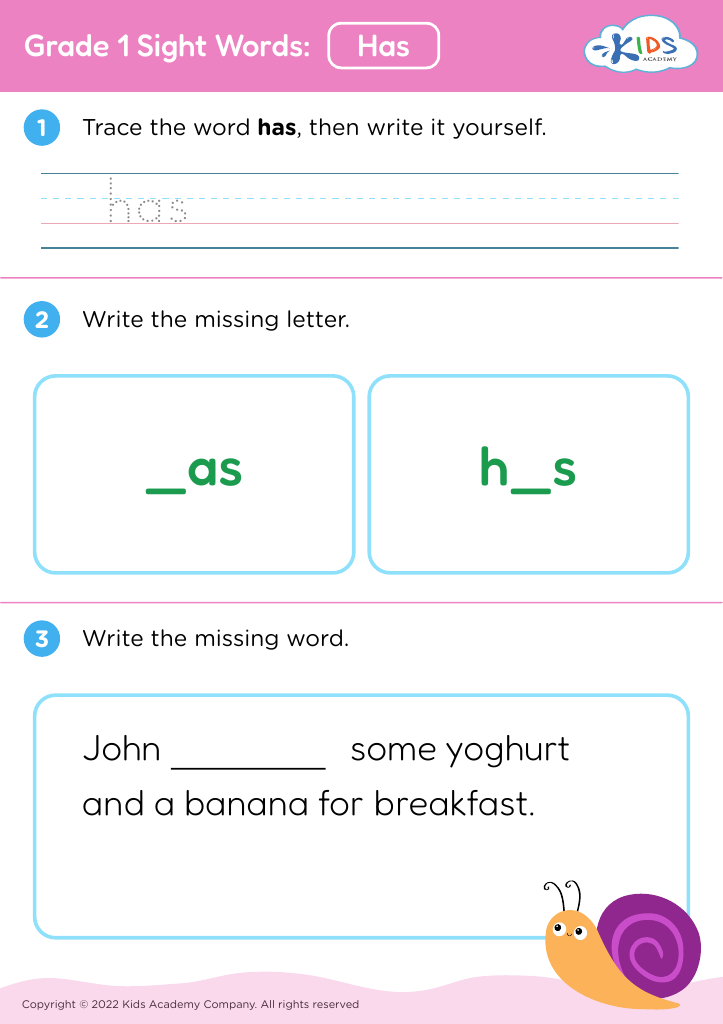






.jpg)
Understanding comparing fractions is an essential skill for 6-year-olds as it lays the foundation for their mathematical reasoning and problem-solving abilities. Parents and teachers should care about this concept because it fosters critical thinking and nurtures a child's ability to analyze relationships between quantities. When children learn to compare fractions, they begin to appreciate the idea of parts of a whole, which is a fundamental mathematical concept that extends to various subjects.
Incorporating sight words related to fractions enhances vocabulary development while making mathematical concepts more accessible. This dual approach helps children grasp the language of math, allowing them to understand instructions and problems better. Furthermore, when parents and teachers engage with students around these concepts, they promote a supportive learning environment that increases confidence and motivation.
By emphasizing comparing fractions and utilizing sight words, educators and caregivers create a richer educational experience that resonates with young learners. This holistic approach nurtures not only mathematical skills but also literacy, setting the stage for future academic success. Ultimately, fostering these skills is crucial for building a child's foundation in mathematics as they progress through school, making it imperative for both parents and teachers to prioritize this area of learning.