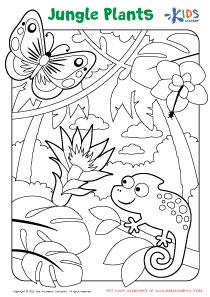
Vocabulary expansion Animals Worksheets for 6-Year-Olds
5 filtered results
-
From - To
Enhance your 6-year-old's language skills with our Vocabulary Expansion Animals Worksheets! Perfect for young learners, these engaging and educational worksheets introduce a variety of animal names and characteristics, fostering a love for wildlife. Designed to improve vocabulary and comprehension, each worksheet combines fun activities with learning. Children will not only identify animals but also learn their habitats, behaviors, and unique traits. Complementing science and reading curriculums, our expertly crafted resources are an exciting way to build foundational language skills. Make learning about animals an adventure with Kids Academy’s quality worksheets!
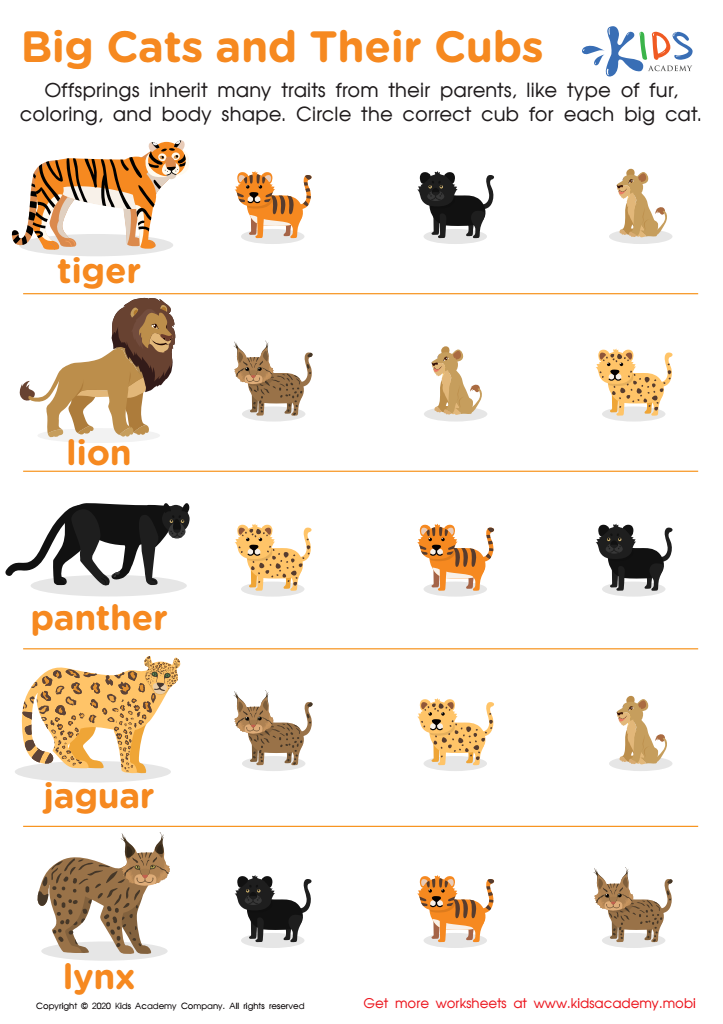
Big Cats and Their Cubs Worksheet
 Assign to My Students
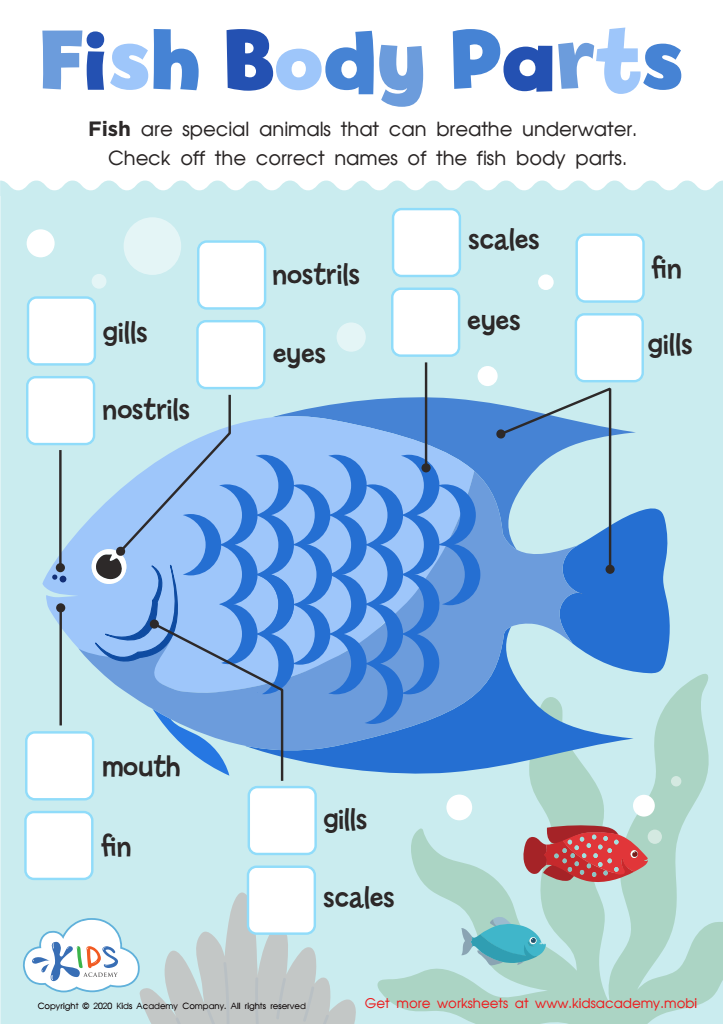
Fish Body Parts Worksheet
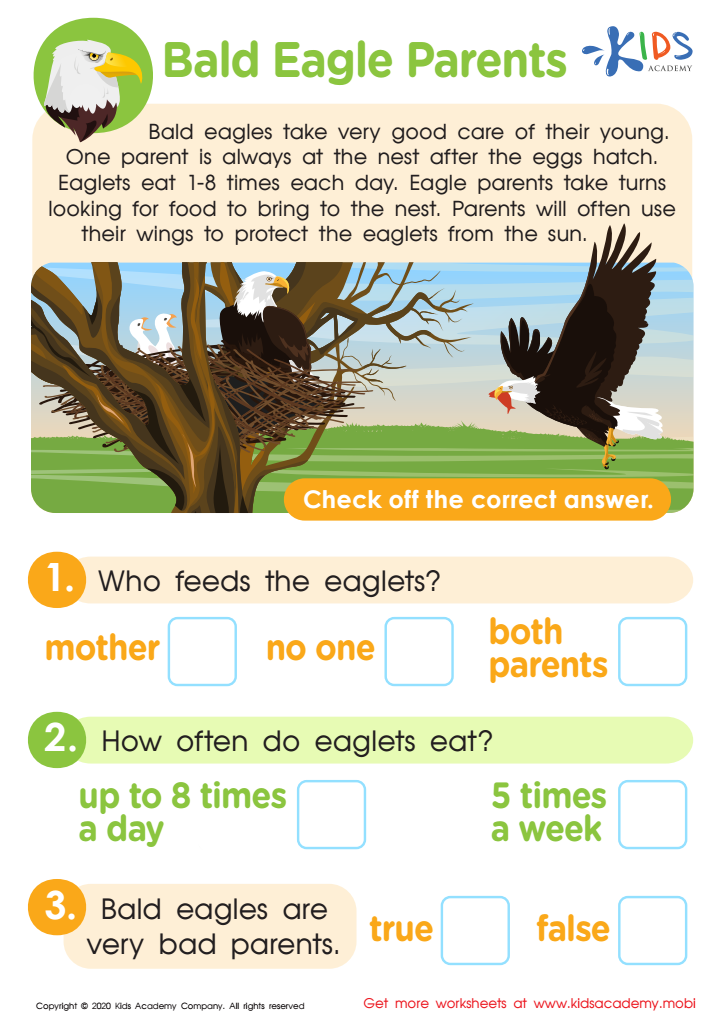
Bald Eagle Parents Worksheet
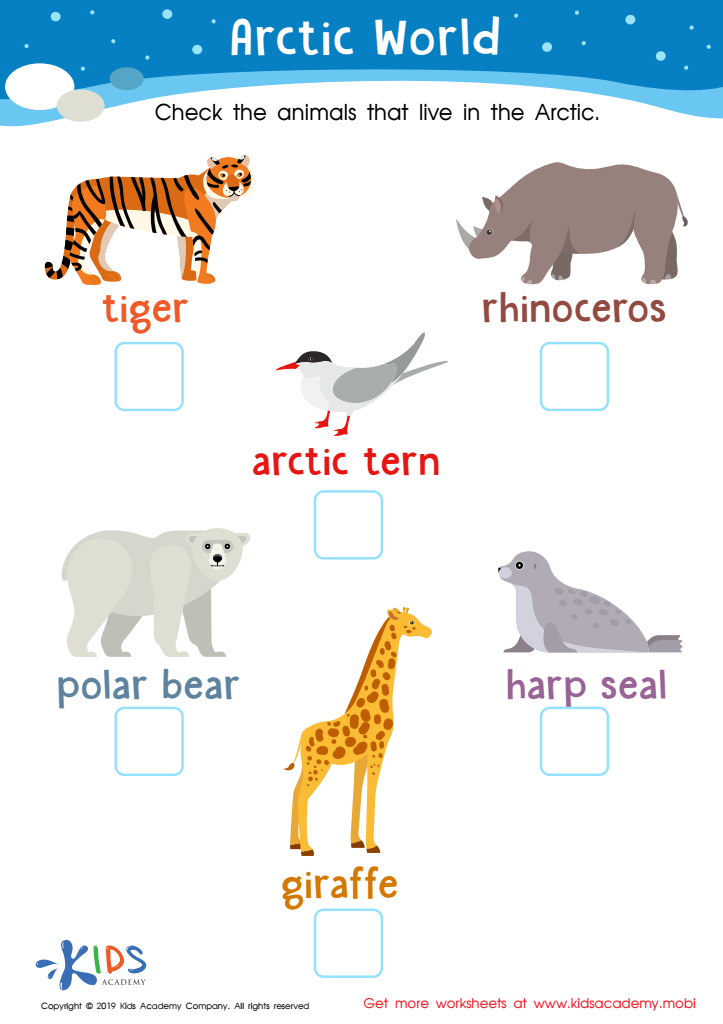
Arctic World Worksheet
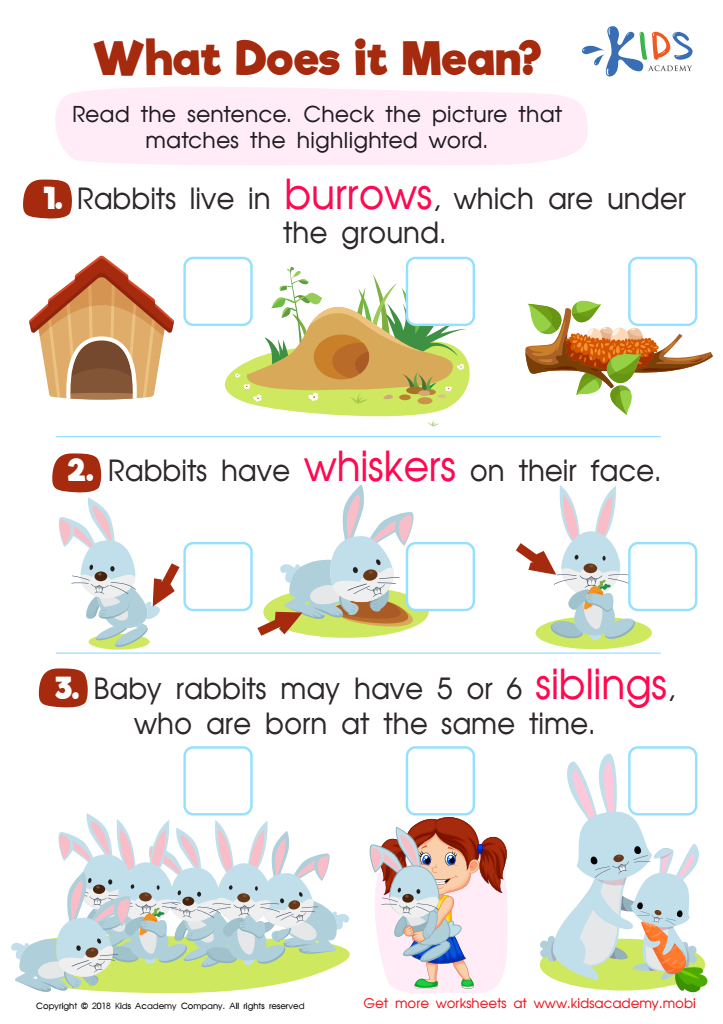
What Does It Mean? Worksheet








Vocabulary expansion is crucial for 6-year-olds, and learning animal names offers a perfect avenue for this. At this age, children are naturally curious and eager to absorb new information. Expanding their vocabulary by teaching them animal names can have significant benefits for their overall language development.
Firstly, knowing various animal names enhances children's linguistic skills, improving both their verbal and written communication. The process of learning and using new words helps to cement their understanding of language structures, broadening their expressive capabilities.
Secondly, a larger vocabulary allows children to better understand the world around them. Knowing specific animal names can improve cognitive skills as children learn to categorize, compare, and contrast different animals. This exploration fosters critical thinking and enhances observational skills.
Additionally, animals often capture children's imaginations, making vocabulary learning more engaging and enjoyable. When learning is fun, it can foster a love of education that lasts a lifetime. Parents and teachers can leverage this interest to introduce not only specific animals but also related words and concepts such as habitats, diets, and behaviors.
Lastly, vocabulary expansion is a key predictor of academic success. The richer a child's vocabulary, the better their reading comprehension and overall academic performance will be. Therefore, parents and teachers should actively support vocabulary growth, starting with something as universally interesting as animals.