Enhancing observational skills Science Worksheets for 6-Year-Olds
3 filtered results
-
From - To
Discover the joy of learning with our "Enhancing Observational Skills Science Worksheets for 6-Year-Olds"! Designed to ignite curiosity, these engaging worksheets help young learners sharpen their ability to observe the world around them. Through interactive activities, children will explore various concepts, recognize patterns, and hone their critical thinking skills. Each worksheet is carefully crafted to align with early science learning standards, making observation fun and educational. Perfect for home or classroom use, these resources will foster a love for science while developing essential observational techniques. Start your child's exciting journey of discovery today!
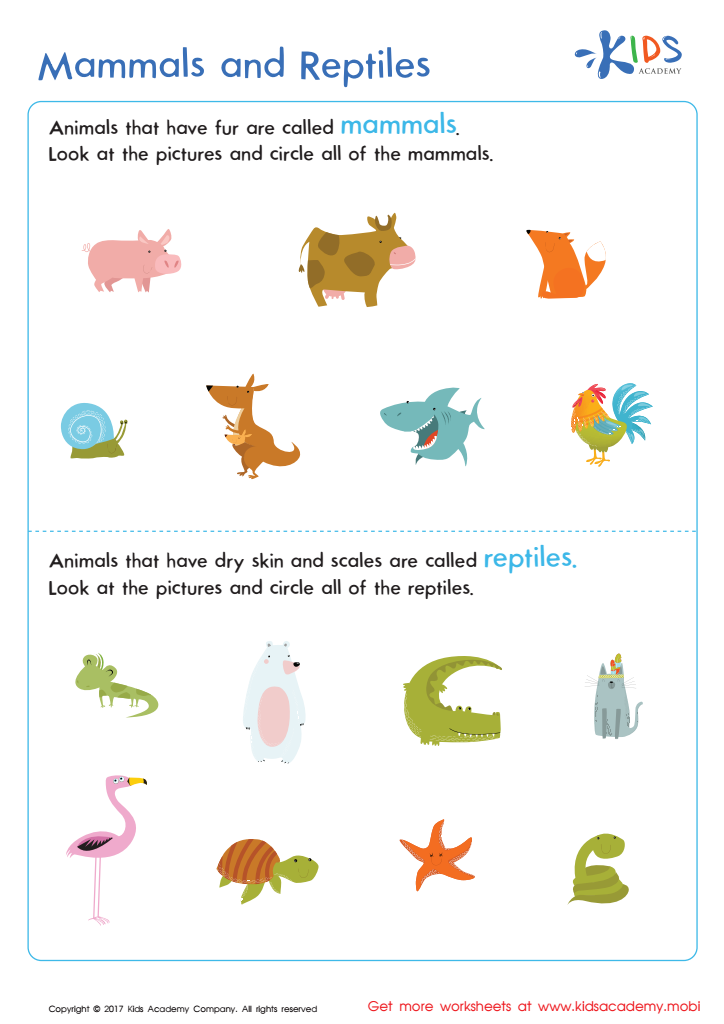
Mammals and Reptiles Worksheet
 Assign to My Students
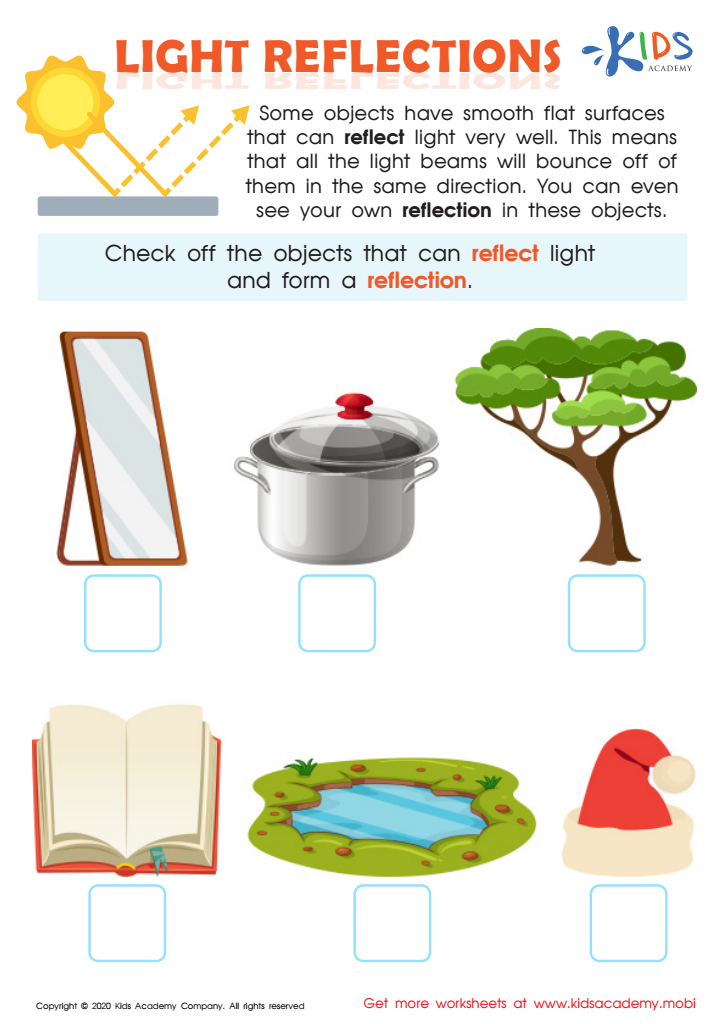
Light Reflections Worksheet
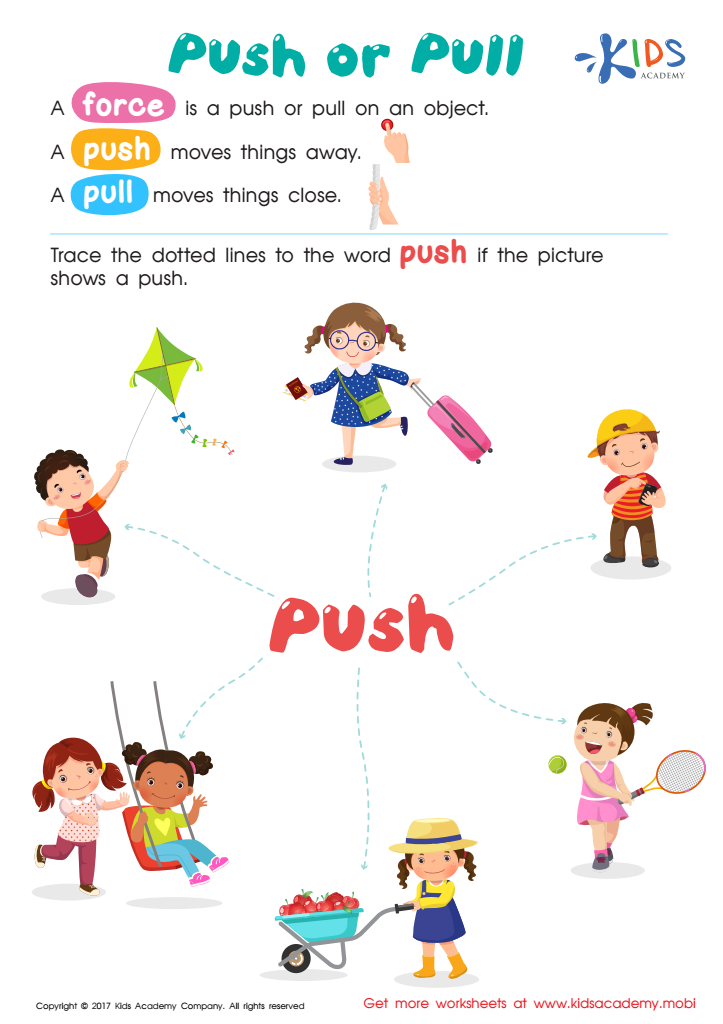
Push or Pull Worksheet



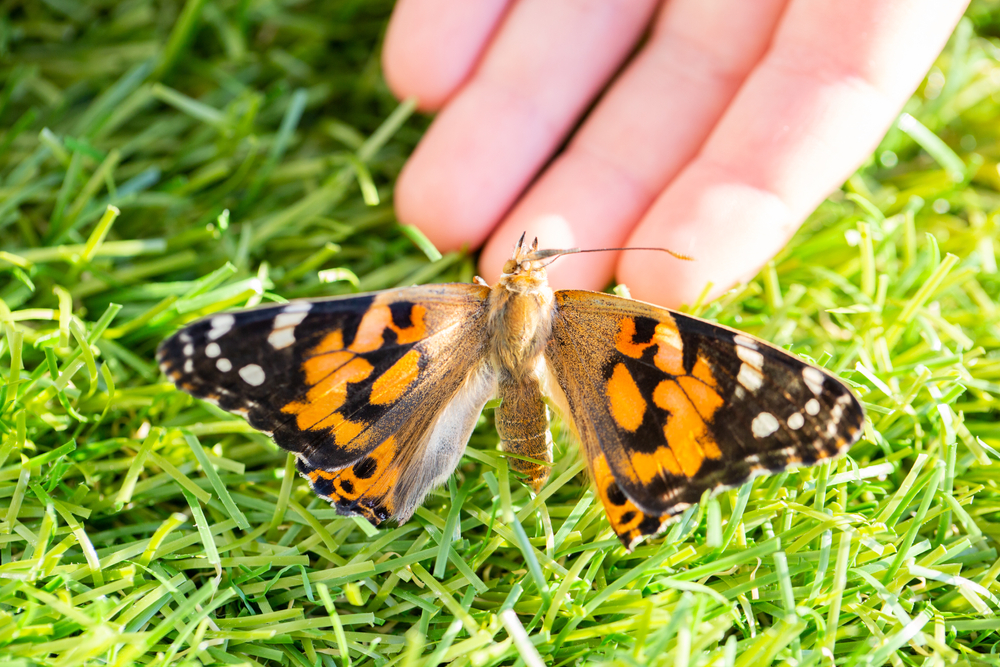




Enhancing observational skills in 6-year-olds is crucial for both parents and teachers because these skills lay the foundation for effective learning and critical thinking. At this age, children are naturally curious and eager to explore their environment. By fostering their observational abilities, adults can help children make connections between what they see and its underlying principles, enhancing their understanding of science and the world around them.
Improved observation skills enable children to notice details, recognize patterns, and ask questions, promoting a sense of inquiry. This not only nurtures a love for science but also encourages creativity and problem-solving. When children can observe closely, they become adept at gathering information, drawing conclusions, and forming hypotheses, which are essential elements of scientific thinking.
Moreover, developing observational skills supports various aspects of learning, including language development, as children learn to articulate their observations and thoughts. For parents and teachers, fostering these skills creates a more engaging and interactive learning experience, empowering children to become active participants in their education. Ultimately, by investing in observational training, adults can help cultivate a generation of inquisitive, analytical thinkers prepared for future academic challenges.







