Vocabulary enhancement Physical Science Worksheets for 6-Year-Olds
5 filtered results
-
From - To
Our Vocabulary Enhancement Physical Science Worksheets are tailored for 6-year-olds, blending fun and education seamlessly. Designed to ignite curiosity and improve scientific vocabulary, these worksheets cover essential physical science concepts presented in an engaging way. Young learners will explore topics such as energy, motion, and simple machines, while developing a strong foundation in scientific terminology. With colorful illustrations and interactive activities, these worksheets ensure that children stay motivated and interested. Perfect for both classroom and home use, our resources support your child's journey towards mastering physical science vocabulary with ease and confidence. Boost their brainpower through play and discovery!
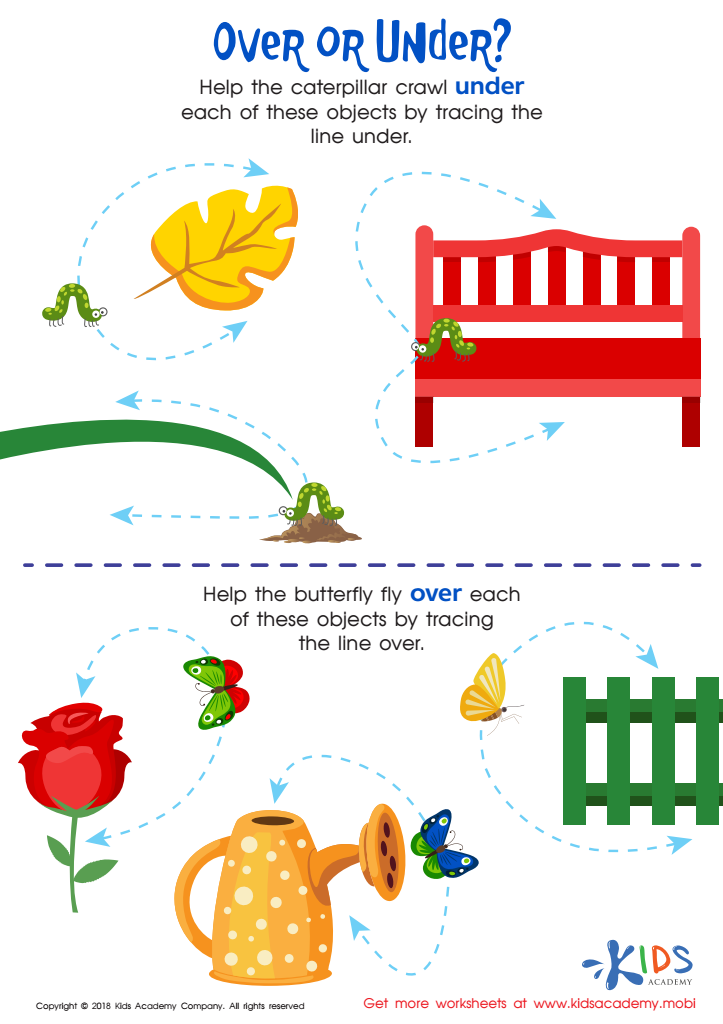
Over or Under? Worksheet
 Assign to My Students
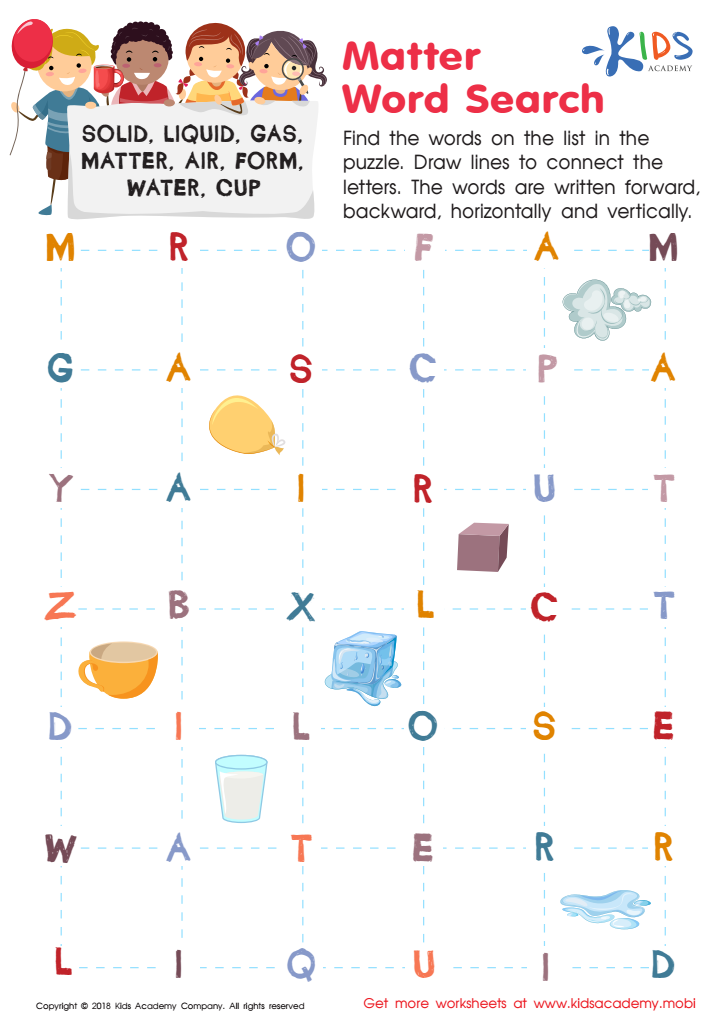
Matter Word Search Worksheet
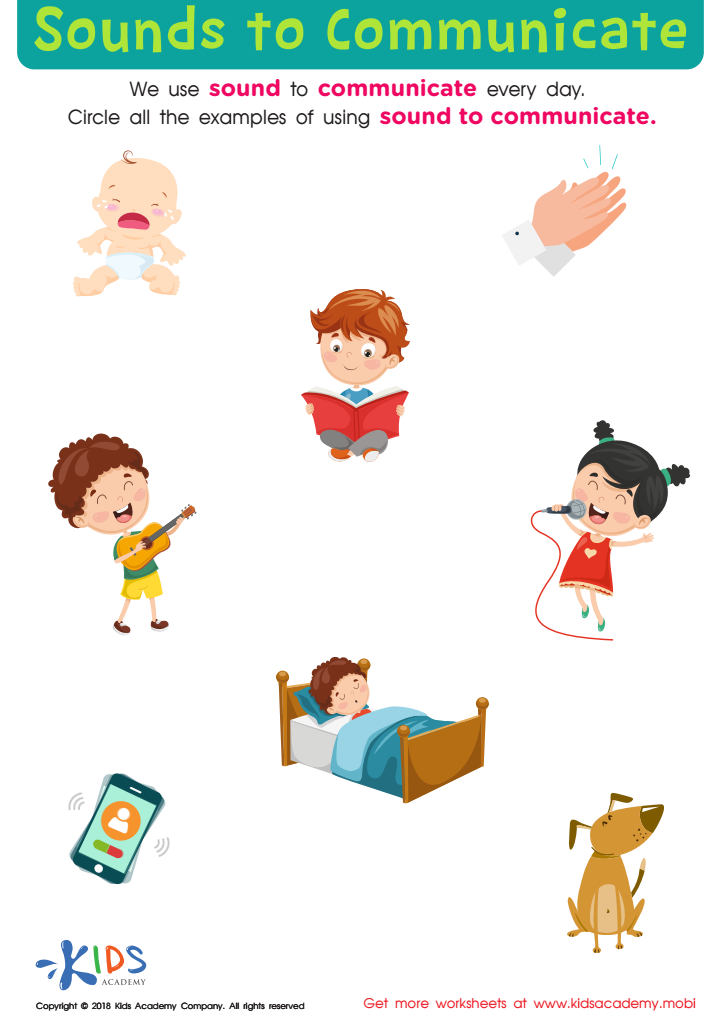
Sounds to Communicate Worksheet
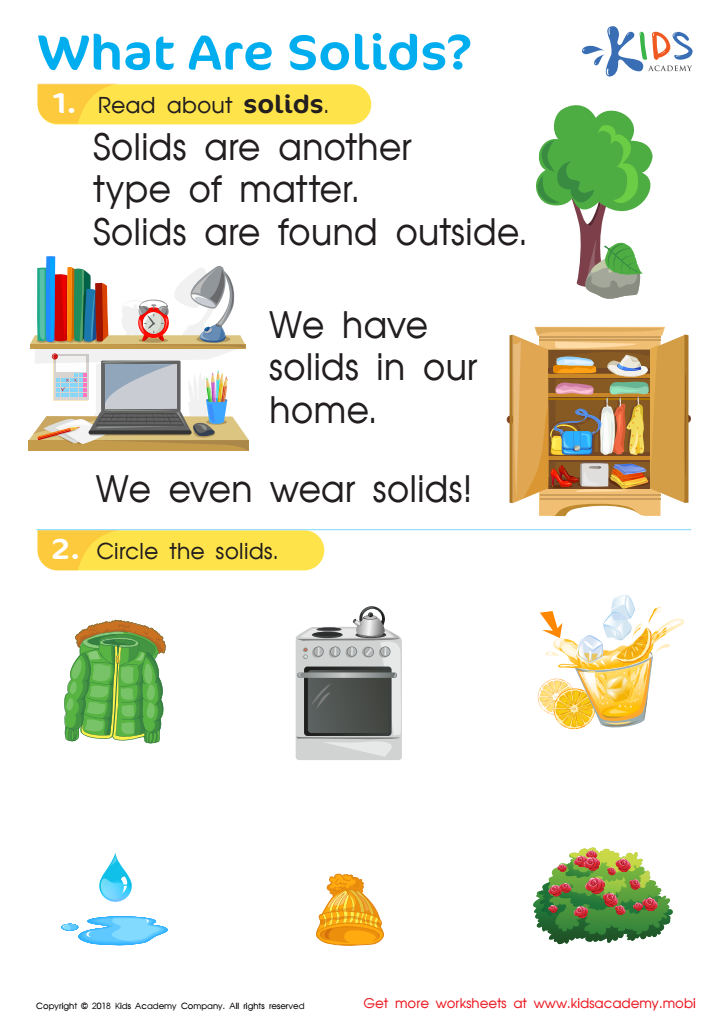
What Are Solids? Worksheet
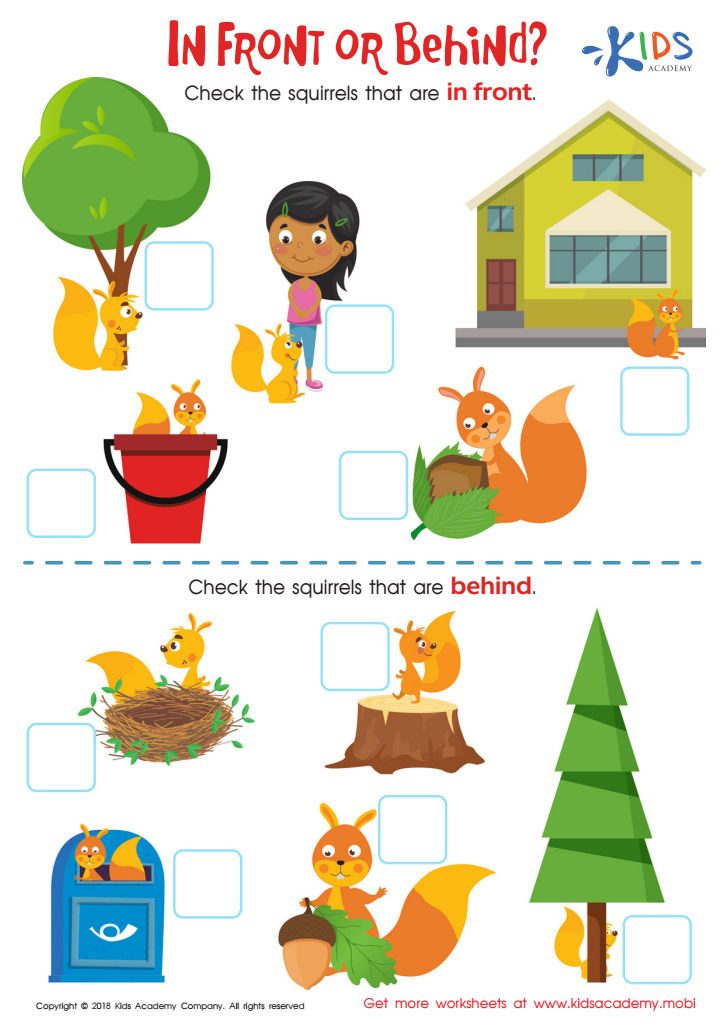
In Front or Behind: Part 2 Worksheet








Vocabulary enhancement in physical science for 6-year-olds is vital for several reasons, and parents and teachers should prioritize it. First, a strong vocabulary forms the foundation for all learning. When children understand and can use scientific terms, they are better equipped to grasp more complex concepts later on. Early exposure to terms like "force," "energy," and "matter" stimulates curiosity and lays the groundwork for future science education.
Additionally, a robust vocabulary enhances reading comprehension and communication skills. As students encounter scientific words in books or discussions, they become more confident readers and communicators. This skill transcends to all subjects, making overall learning more effective and enriching.
Moreover, early vocabulary building in physical science promotes critical thinking and problem-solving abilities. Understanding and applying scientific terminology allows children to make connections and ask insightful questions. This nurtures a mindset geared toward exploration and innovation—key attributes in the fast-evolving modern world.
Finally, fostering a passion for science at an early age can lead to sustained interest and potentially a future career in STEM. By enriching children's vocabulary in physical science, parents and teachers spark a lifelong love of learning, exploration, and discovery, preparing them for a successful academic journey and beyond.







