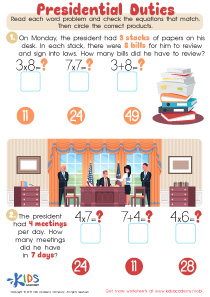
Word Recognition Social Studies Worksheets for 6-Year-Olds
3 filtered results
-
From - To
Enhance your 6-year-old's learning journey with our engaging Word Recognition Social Studies Worksheets. Designed specifically for young learners, these worksheets combine literacy and social studies concepts, making learning both fun and meaningful. Through interactive activities, children will develop essential sight-word recognition while exploring key social studies themes such as community, environment, and citizenship. Each sheet encourages critical thinking and hands-on engagement, ensuring students can relate words to real-world contexts. Perfect for homeschoolers and classroom settings alike, these worksheets offer valuable practice that nurtures early reading skills and social awareness. Unlock your child's potential with our thoughtfully crafted resources today!
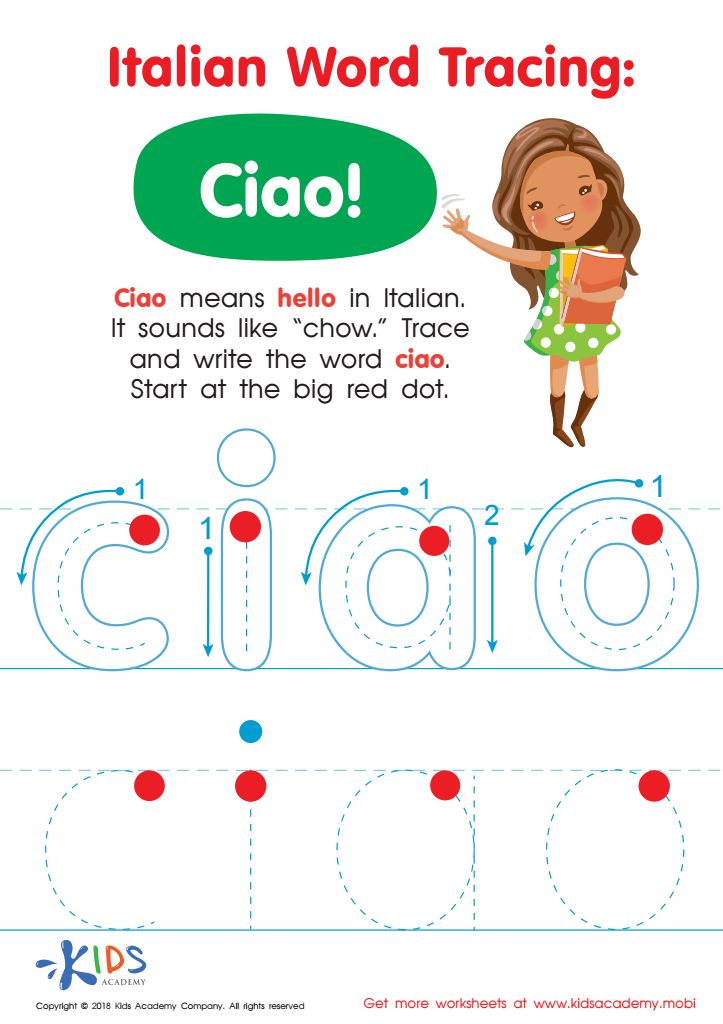
Italian Word Tracing: Ciao Worksheet
 Assign to My Students
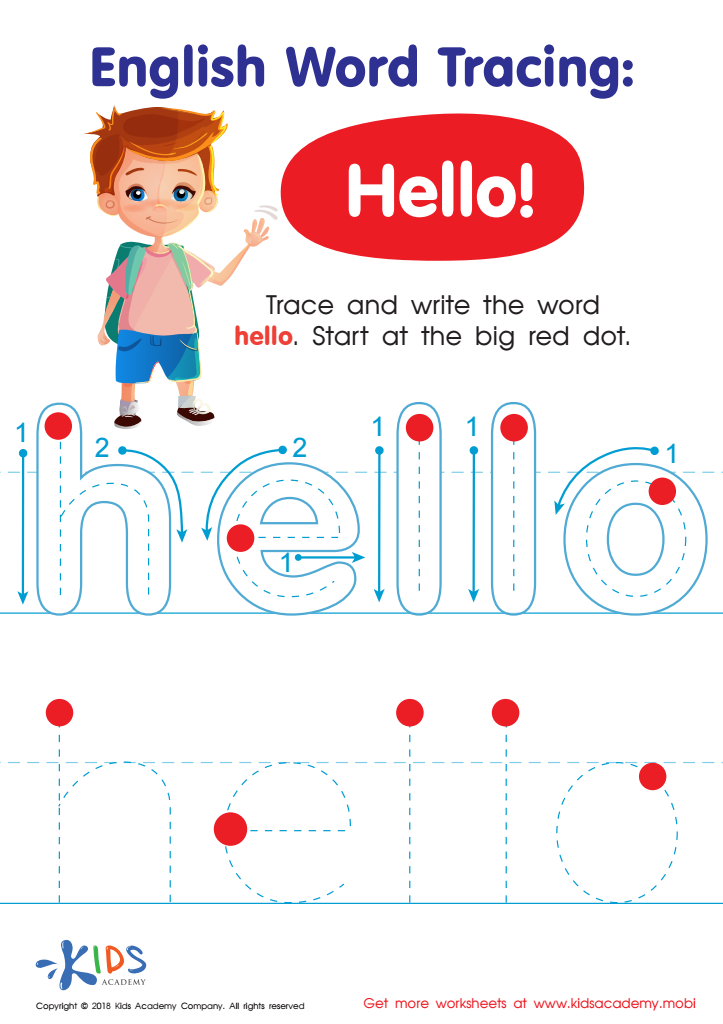
English Word Tracing: Hello Worksheet
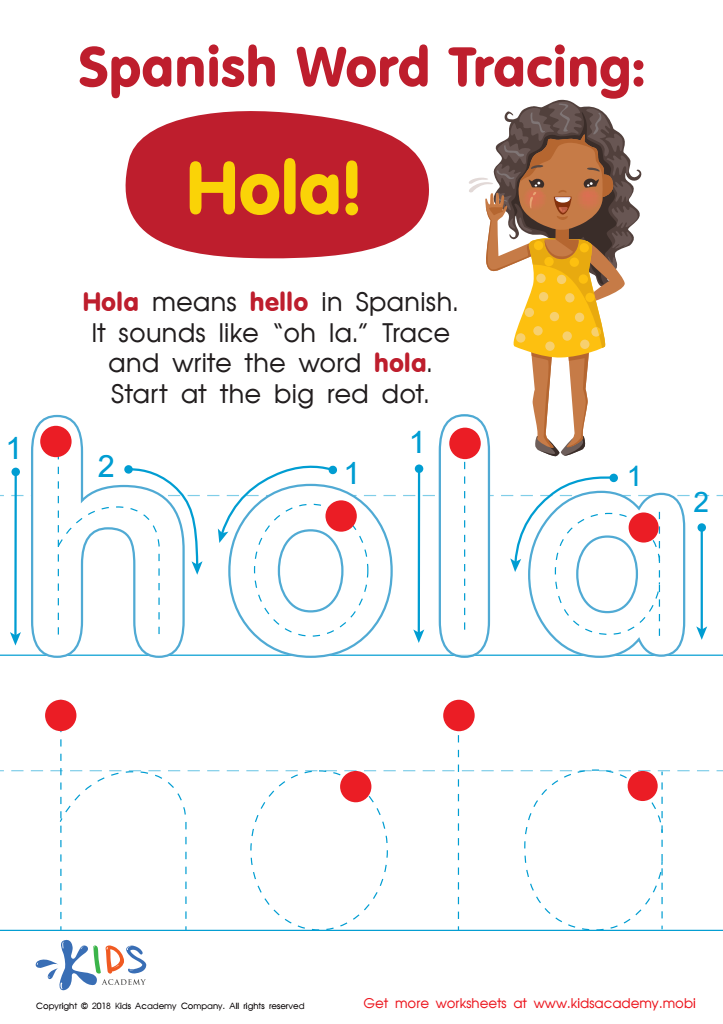
Spanish Word Tracing: Hola Worksheet








Word recognition plays a vital role in the literacy development of 6-year-olds, and its significance extends, particularly into subjects like Social Studies. For parents and teachers, understanding and promoting word recognition in this context is essential for several reasons.
Firstly, many foundational concepts in Social Studies rely on key vocabulary related to community, culture, and geography. By mastering these words, young learners can more effectively engage with stories, discussions, and activities that broaden their understanding of the world around them.
Secondly, word recognition boosts overall reading comprehension. When children can easily recognize words, they can focus on grasping concepts rather than struggling to decode text. This enhances their ability to use critical thinking skills to process information and form opinions about societal topics.
Additionally, fostering word recognition in Social Studies can promote meaningful conversations at home and in the classroom. It encourages curiosity and exploration of various cultures, histories, and societal structures, which are crucial components of citizenship education.
Ultimately, prioritizing word recognition enriches a child’s educational experience, allowing them to become informed, empathetic individuals who actively contribute to their communities. Thus, parents and teachers hold a significant responsibility in supporting this foundational skill.