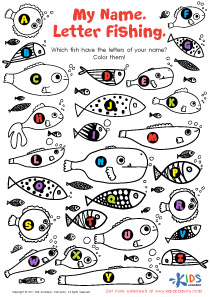
Handwriting practice ABC Order Worksheets for Ages 7-8
9 filtered results
-
From - To
Boost your child's handwriting skills with our Handwriting Practice ABC Order Worksheets designed for ages 7-8. These fun and engaging printables help kids enhance their penmanship while familiarizing them with ABC order, crucial for developing alphabetic principles. Each worksheet provides ample practice with tracing and writing letters in sequence, promoting fine motor skills and attention to detail. Perfect for homeschooling, classroom activities, or additional practice at home, these worksheets make learning enjoyable and effective. Support your child in mastering key writing skills and alphabetical mastery with our expertly crafted ABC Order Handwriting Practice Worksheets.
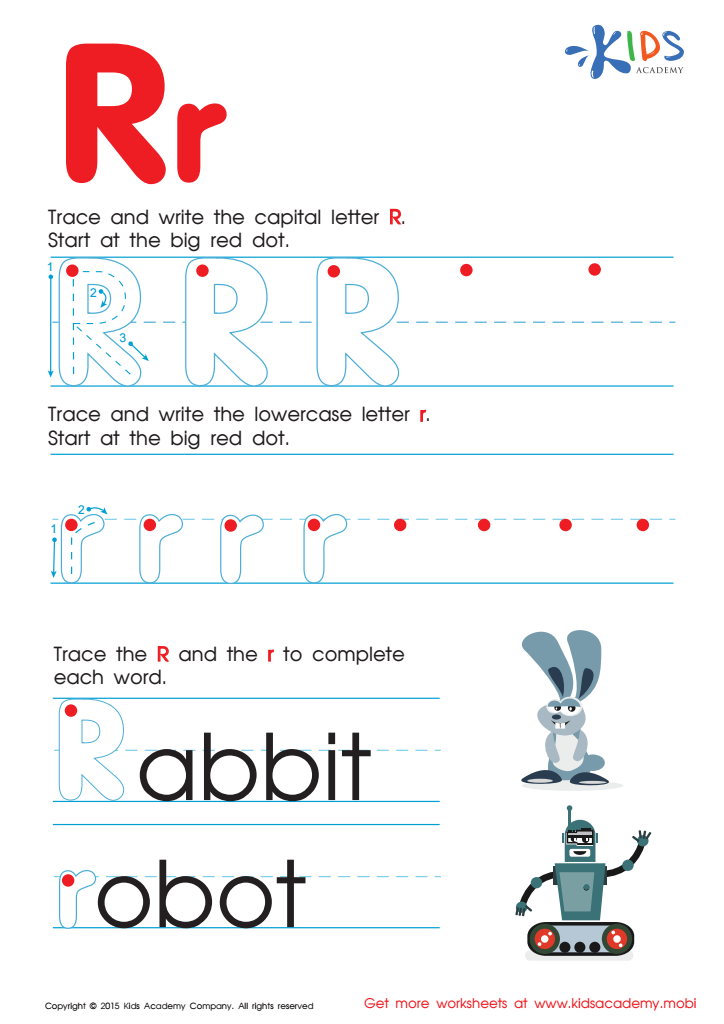
Letter R Tracing Page
 Assign to My Students










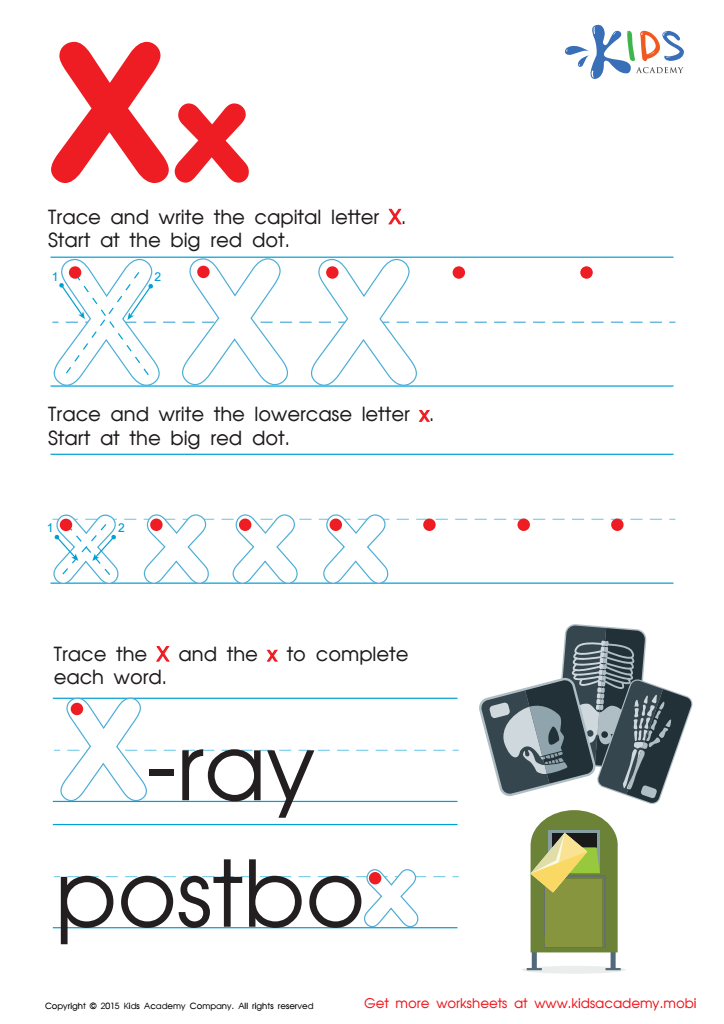
Letter X Tracing Page
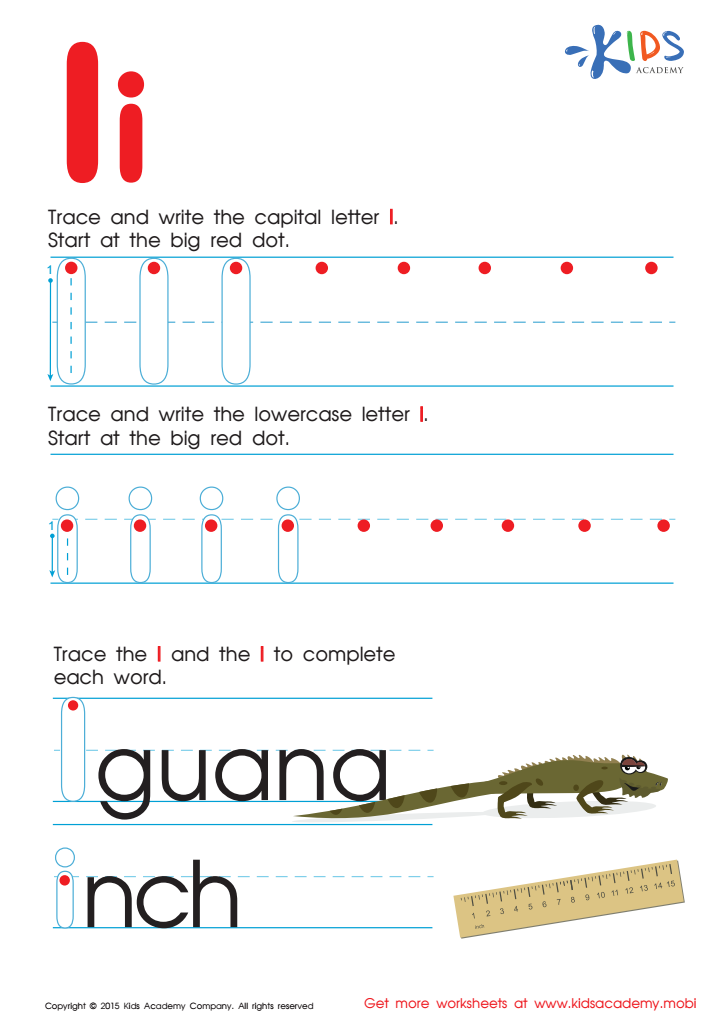
Letter I Tracing Page
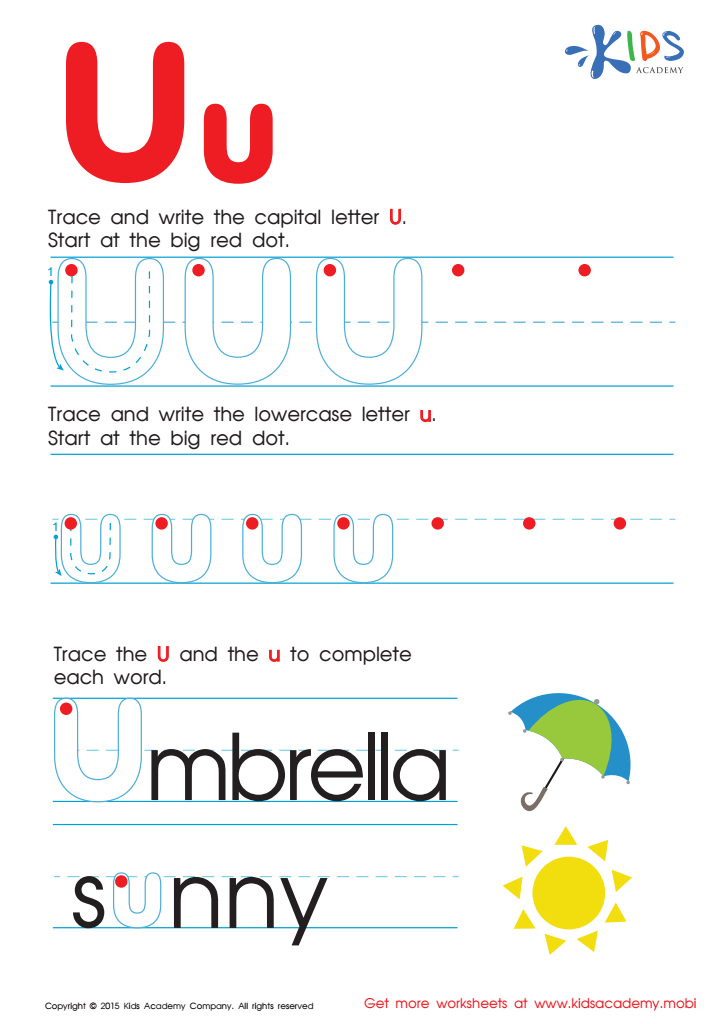
Letter U Tracing Page
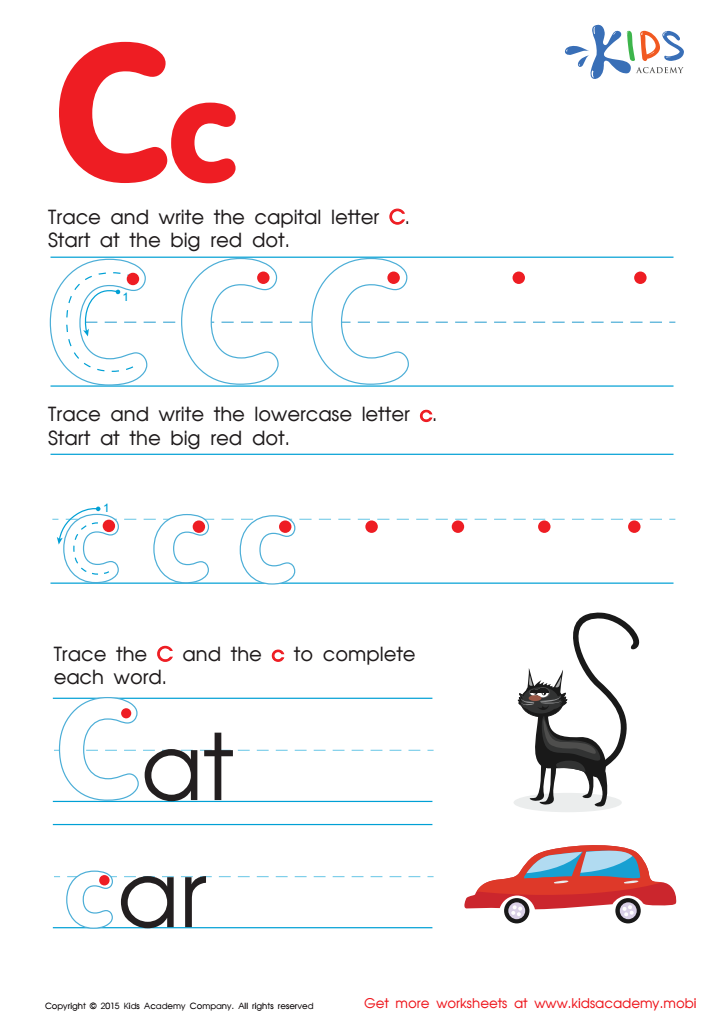
Letter C Tracing Page
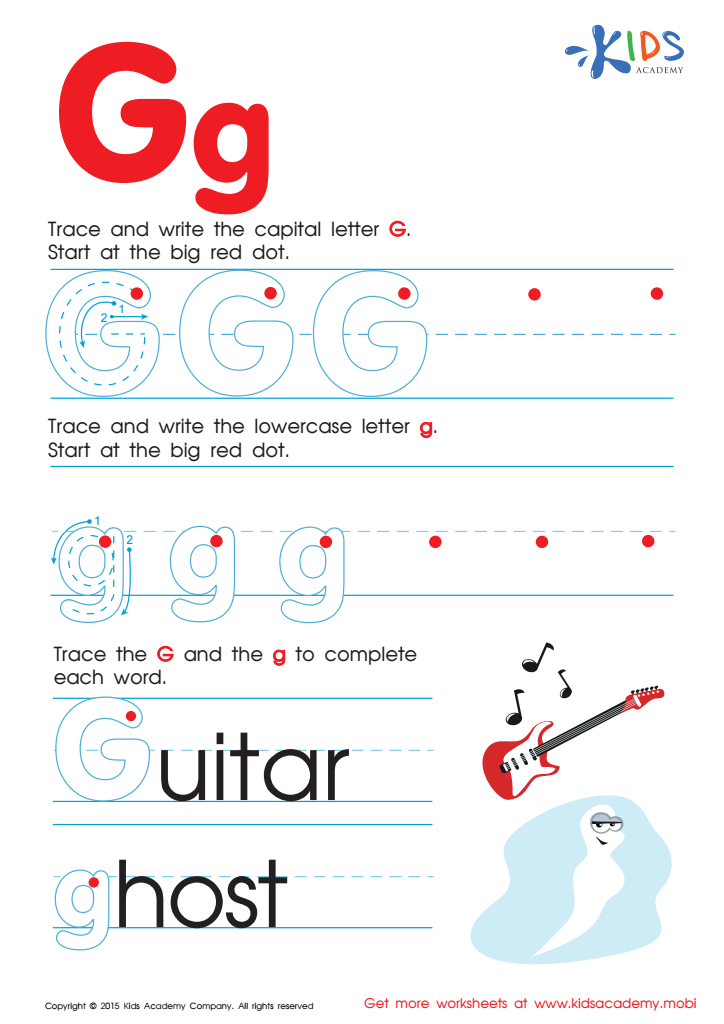
Letter G Tracing Page
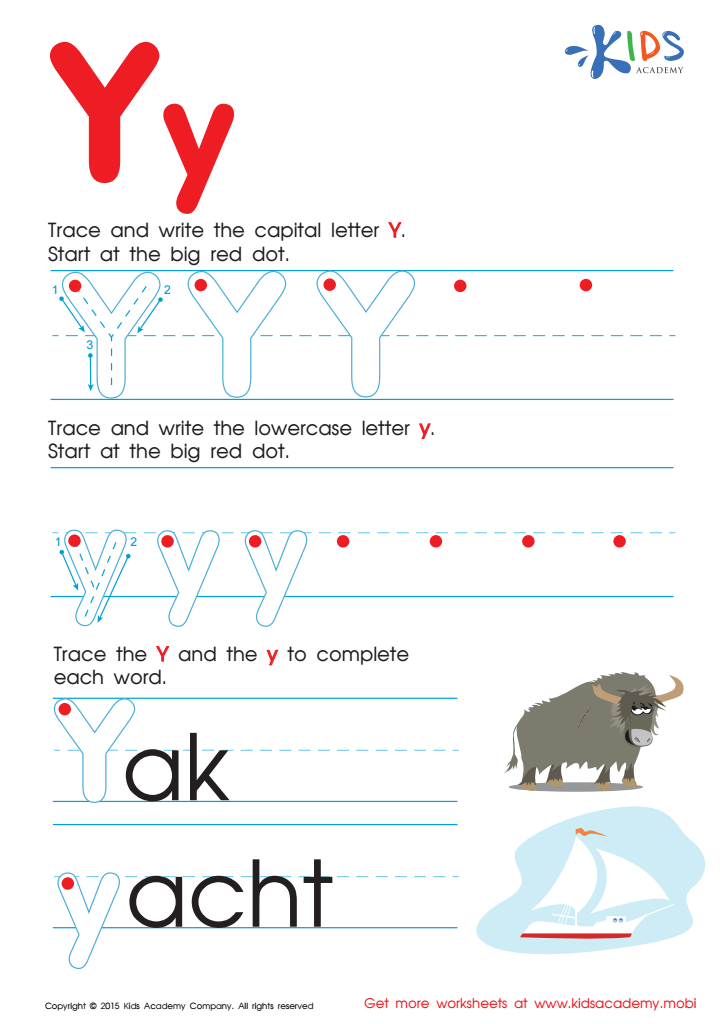
Letter Y Tracing Page
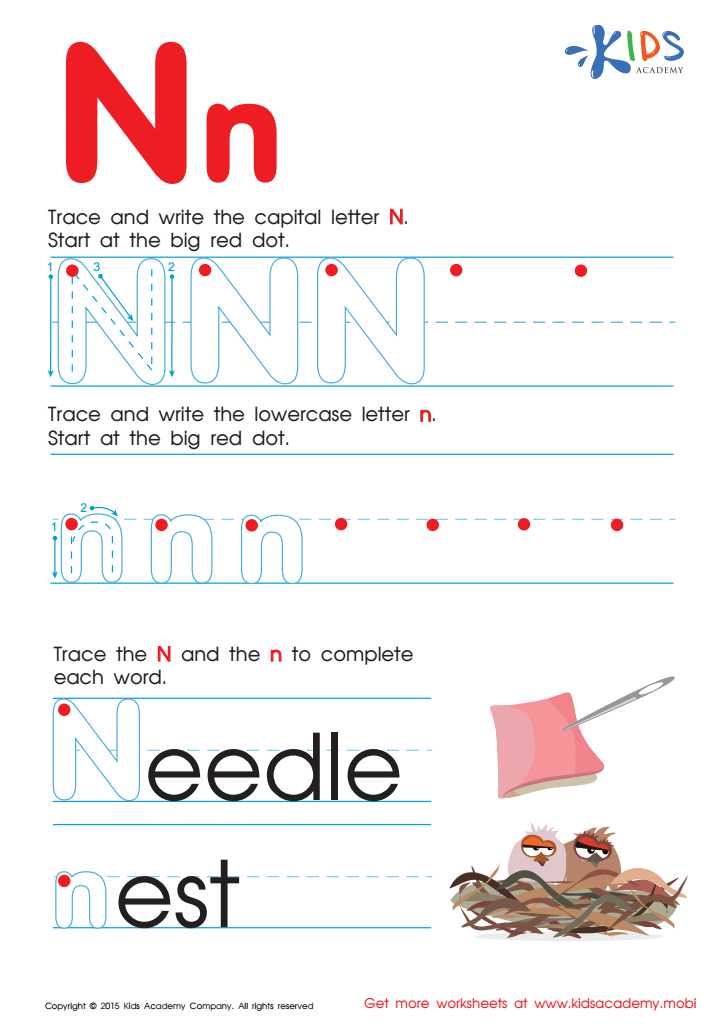
Letter N Tracing Page
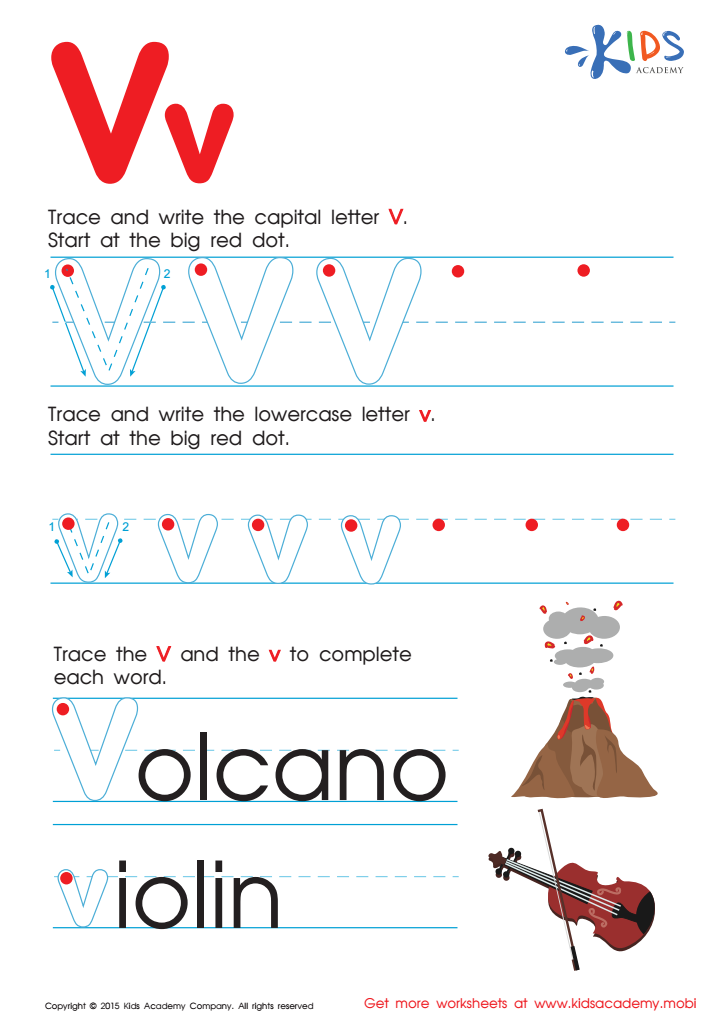
Letter V Tracing Page







Handwriting practice and mastering ABC order are fundamental skills for children ages 7-8, forming the backbone of their literacy development. Handwriting practice helps fine-tune motor skills, improves hand-eye coordination, and promotes better pen control. This not only makes writing legible but also enhances a child's ability to complete schoolwork efficiently and legibly, reducing frustration and boosting confidence.
Mastering ABC order, on the other hand, strengthens alphabetic awareness, an essential literacy skill. Alphabetic awareness is critical for reading and phonics, enabling children to recognize letter patterns, which aids in phonemic understanding and word recognition. Additionally, practicing ABC order can enhance a child’s organizational skills and attention to detail, fostering a systematic approach to problem-solving and information retrieval.
Together, handwriting practice and ABC order lay the groundwork for academic success. Caring about these skills ensures children develop strong writing capabilities and organizational competence, which translate to better academic performance across subjects. Encouraging consistent and diligent practice will equip children with the necessary tools to navigate more complex literacy challenges, establishing a strong foundation for lifelong learning. Therefore, parents and teachers should diligently support and monitor these early educational activities to set children on the path to academic excellence and personal confidence.