Letter-sound recognition Alphabet Worksheets for Ages 7-8
3 filtered results
-
From - To
Unlock your child's literacy potential with our engaging Letter-Sound Recognition Alphabet Worksheets tailored for ages 7-8! These interactive resources help reinforce essential phonics skills through fun and educational exercises. Each worksheet is designed to enhance recognition of letters and their corresponding sounds, enabling children to build a strong foundation in reading and writing. With a variety of activities, including matching games, fill-in-the-blanks, and sound identification, children will stay motivated as they enjoy learning. Perfect for home or classroom use, our worksheets make mastering letter-sound recognition an enjoyable experience. Start your journey towards reading proficiency today!
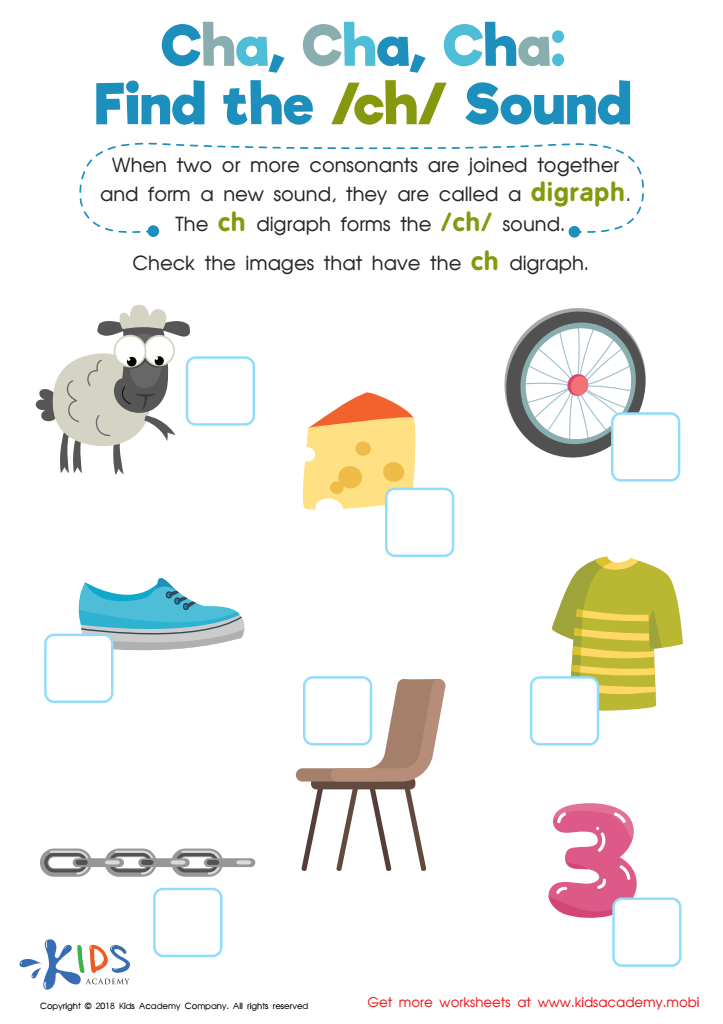
Cha, Cha, Cha: Find the /Ch/ Sound Worksheet
 Assign to My Students
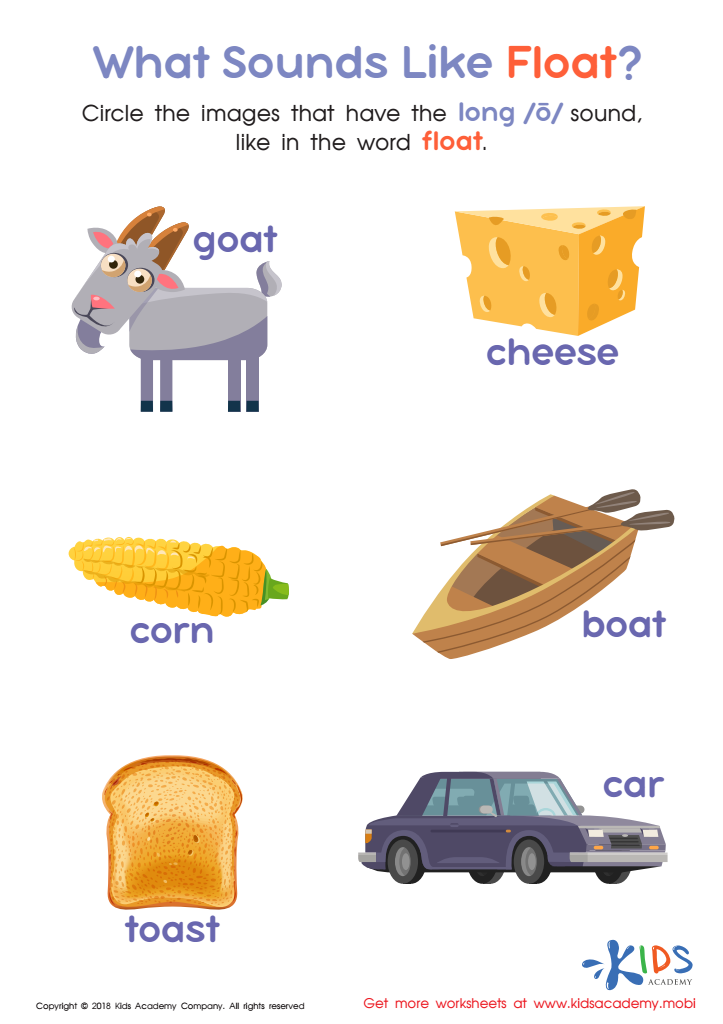
What Sounds Like Float? Worksheet
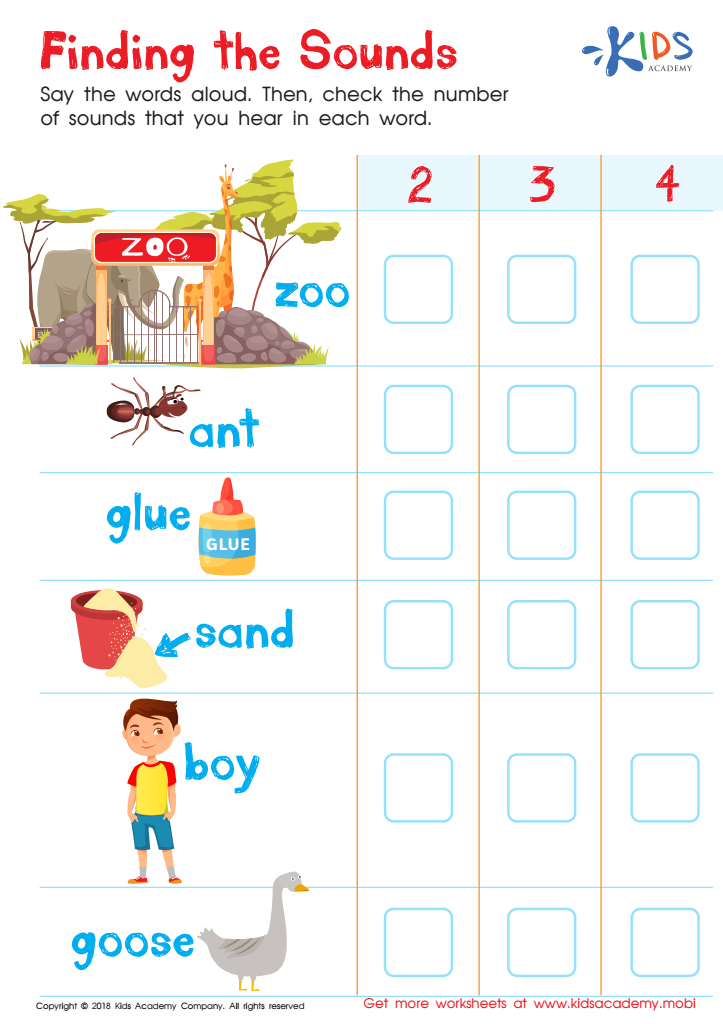
Finding the Sounds Worksheet







Letter-sound recognition, or phonics, is essential for children aged 7-8 as it forms the foundation for reading proficiency. At this stage, children are refining their reading skills and transitioning from simple word recognition to more fluency and comprehension. Understanding the relationship between letters and their associated sounds enables them to decode words, a skill essential for reading age-appropriate texts and advancing their literacy.
Parents and teachers should care about letter-sound recognition because it directly impacts a child’s confidence and success in academics. Strong phonics skills facilitate independent reading, allowing children to explore new texts, enhancing their vocabulary and comprehension abilities. Mastery of letters and sounds also supports writing skills, as children learn to spell words accurately.
Furthermore, struggling with letter-sound recognition can lead to frustration and aversion to reading. By actively supporting phonics development, educators and parents foster a positive learning environment that encourages a lifelong love of reading.
Overall, early intervention and reinforcement of letter-sound recognition can bridge learning gaps, ultimately contributing to better educational outcomes and a brighter future for children. Engaging in phonics activities together can strengthen relationships while investing in the child’s academic growth and emotional well-being.







