Reading proficiency Alphabet Worksheets for Ages 7-8
5 filtered results
-
From - To
Boost your child's reading skills with our engaging Alphabet Worksheets for Ages 7-8! Designed to enhance reading proficiency, these printable resources include fun activities that reinforce letter recognition, phonics, and vocabulary development. Each worksheet features captivating illustrations, prompting your child to identify letters and words while enjoying interactive tasks. As they complete these exercises, they’ll build confidence in their reading abilities and prepare for more advanced language challenges. Ideal for home learning or classroom settings, our worksheets are tailored to meet the learning needs of early readers. Start fostering a love for reading with our colorful and educational worksheets today!
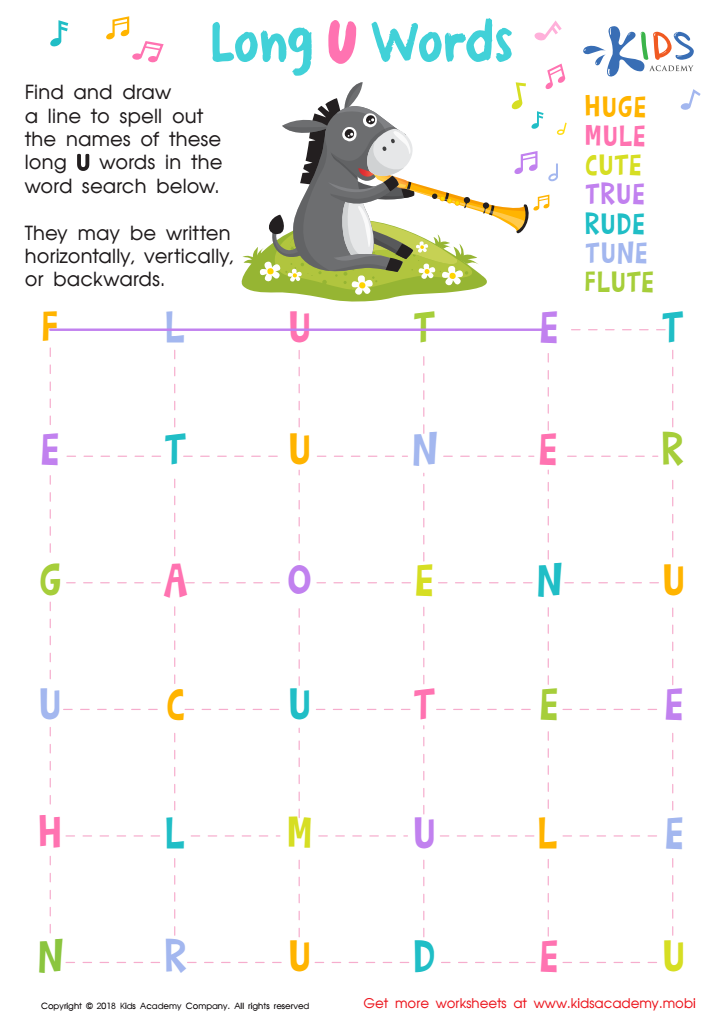
Long /u/ Words Worksheet
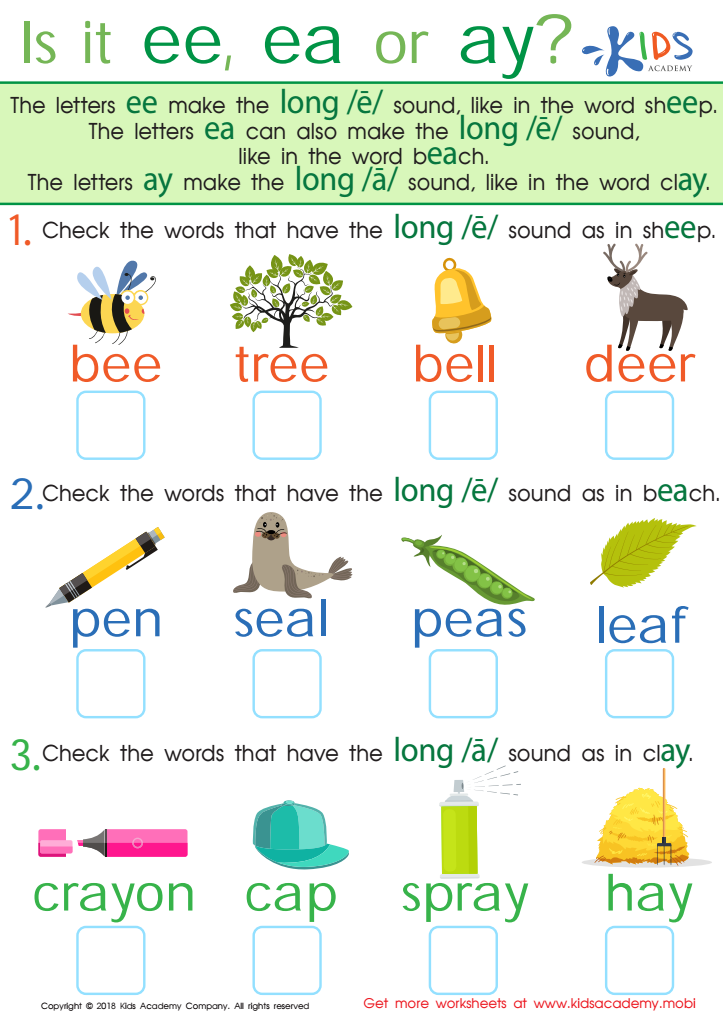
Is It EE, EA, or AY? Worksheet
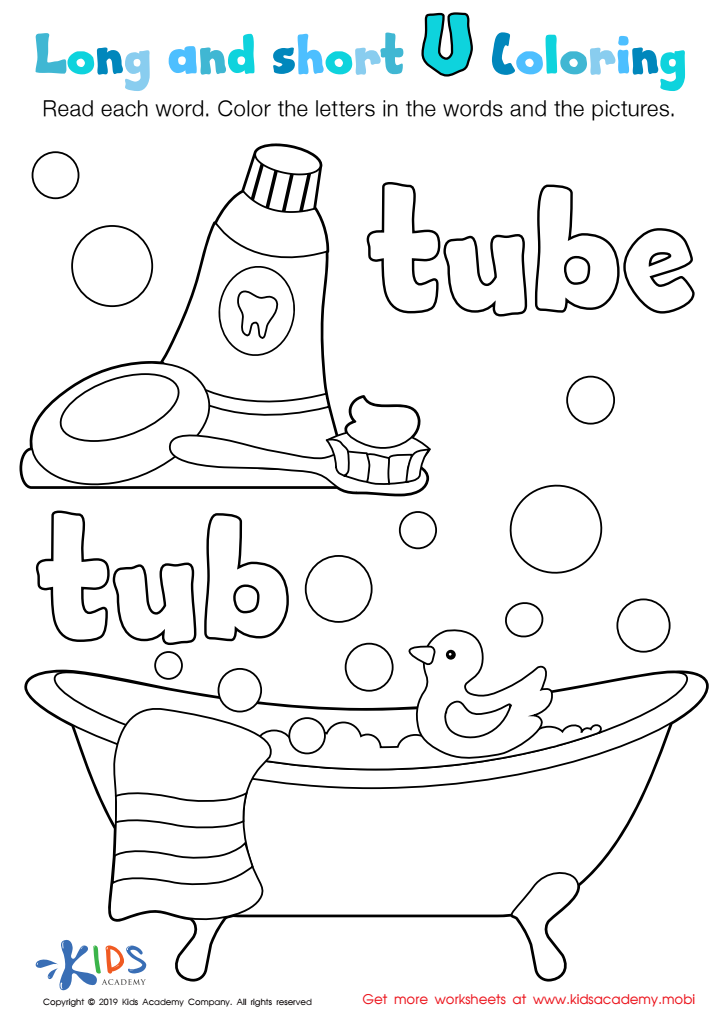
Long and Short U Worksheet
 Assign to My Students
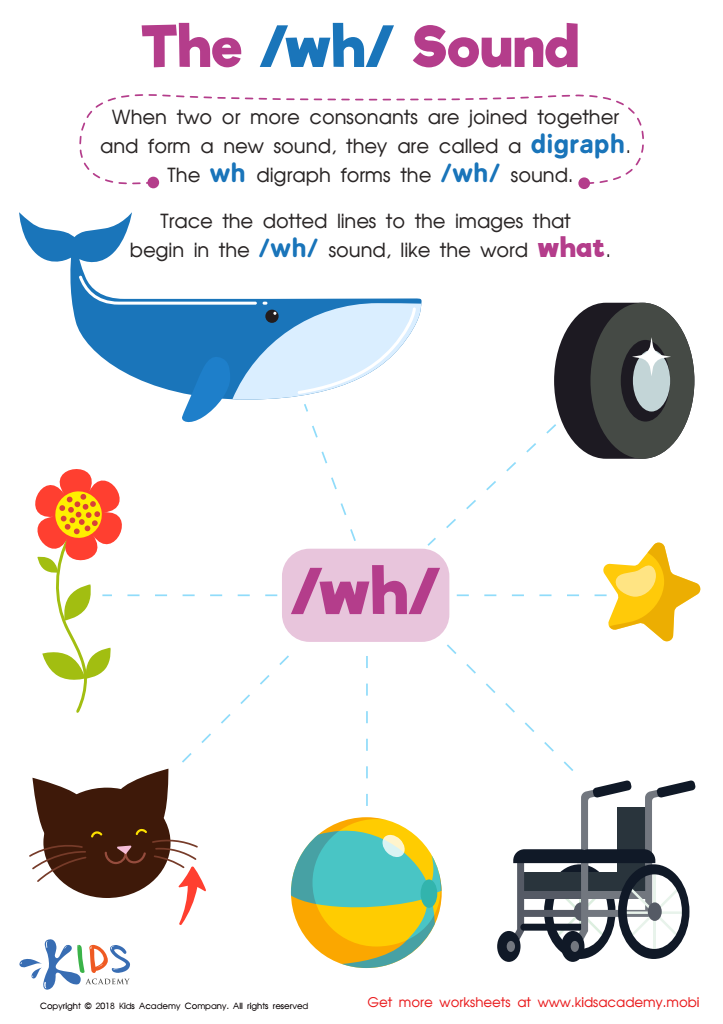
The /wh/ Sound Worksheet
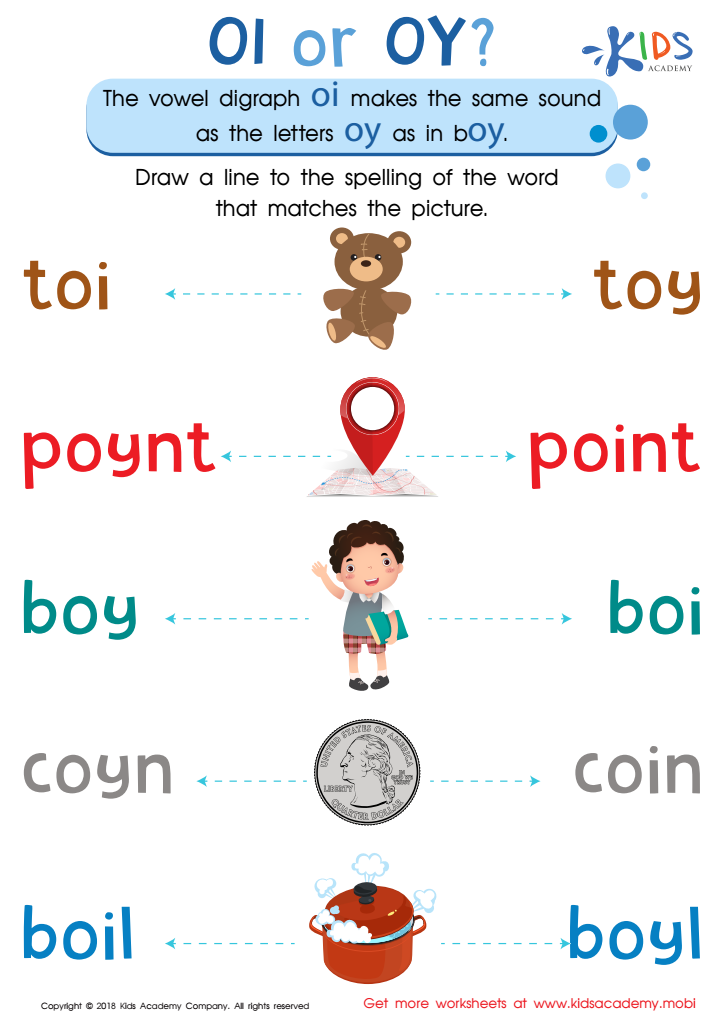
Reading: OI and OY Worksheet








Reading proficiency is crucial for children aged 7-8, as it serves as a foundational skill for their academic and personal development. At this age, children are transitioning from learning to read, to reading to learn. Proficiency in reading allows them to access information across all subjects, enhancing their ability to understand and engage with the world around them.
Parents and teachers should care about reading proficiency for several reasons. First, it significantly impacts a child's self-esteem and confidence. Children who read well are more likely to share their thoughts, engage in discussions, and explore new ideas, fostering a love for learning. Second, strong reading skills correlate with better performance in mathematics and science, as comprehension is essential for problem-solving.
Furthermore, supporting reading proficiency positively impacts social skills. Children who read are often more empathetic and better at understanding different perspectives, paving the way for healthier relationships. Lastly, fostering a love for reading instills lifelong habits that promote intellectual curiosity and resilience in facing challenges. As role models in a child's life, parents and teachers play a pivotal role in nurturing these crucial skills to ensure success both academically and personally.







