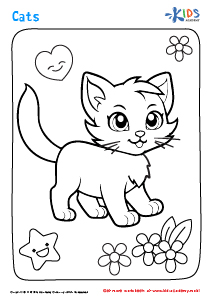
Fine Motor Skills Plants Worksheets for Ages 7-8
3 filtered results
-
From - To
Discover our engaging Fine Motor Skills Plants Worksheets for ages 7-8! Designed to nurture your child's fine motor abilities, these worksheets are perfect for young learners. As they color, trace, and draw various plants, they'll refine their pincer grip, hand-eye coordination, and attention to detail. These worksheets also incorporate educational content about the plant lifecycle, helping kids gain knowledge while honing their skills. Perfect for both classroom and at-home activities, our plant-themed worksheets will make learning an exciting adventure. Boost your child's development and creativity with our thoughtfully crafted Fine Motor Skills Plants Worksheets today!
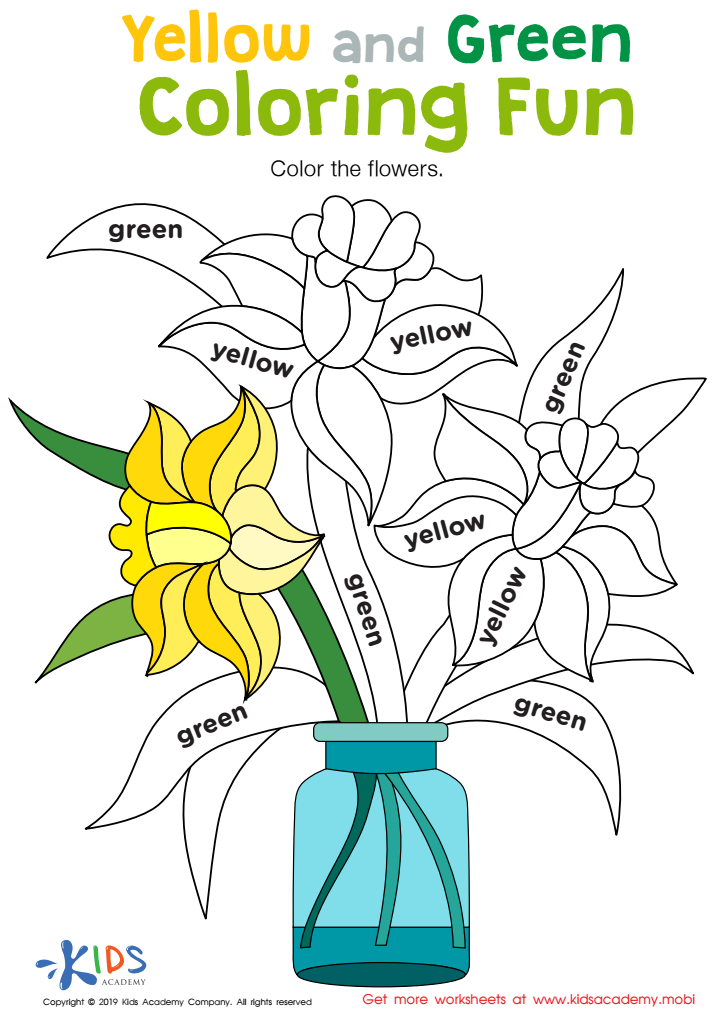
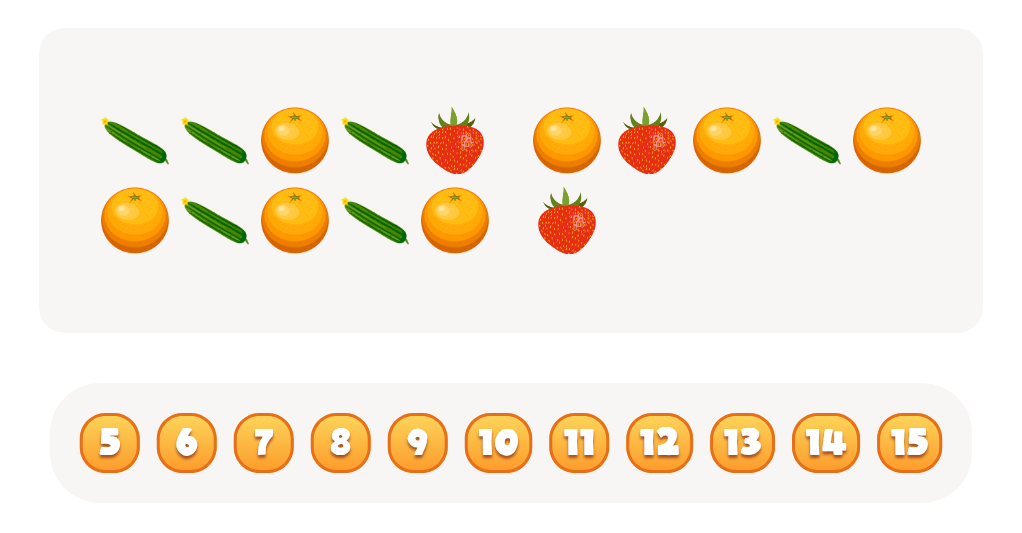
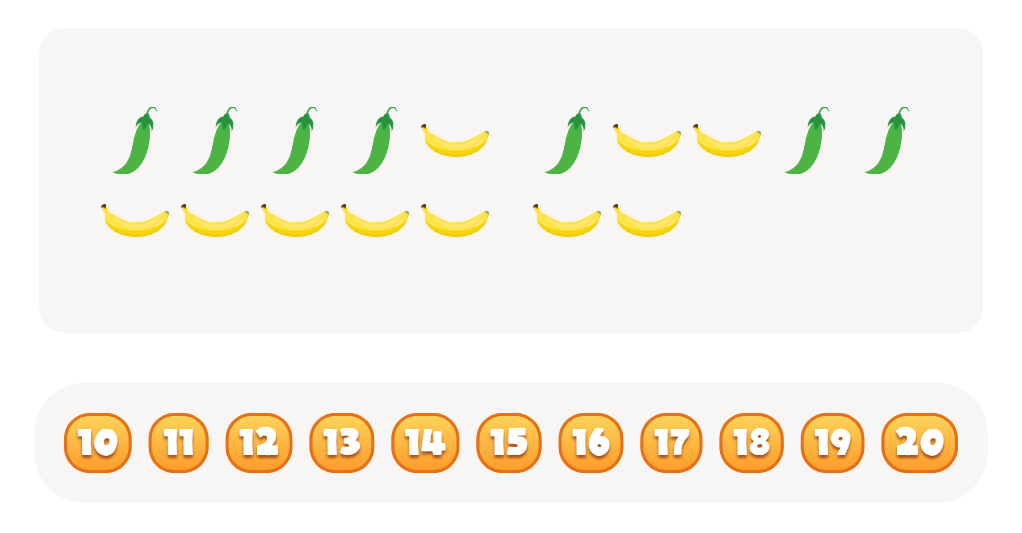
Yellow and Green Coloring Fun Worksheet
 Assign to My Students

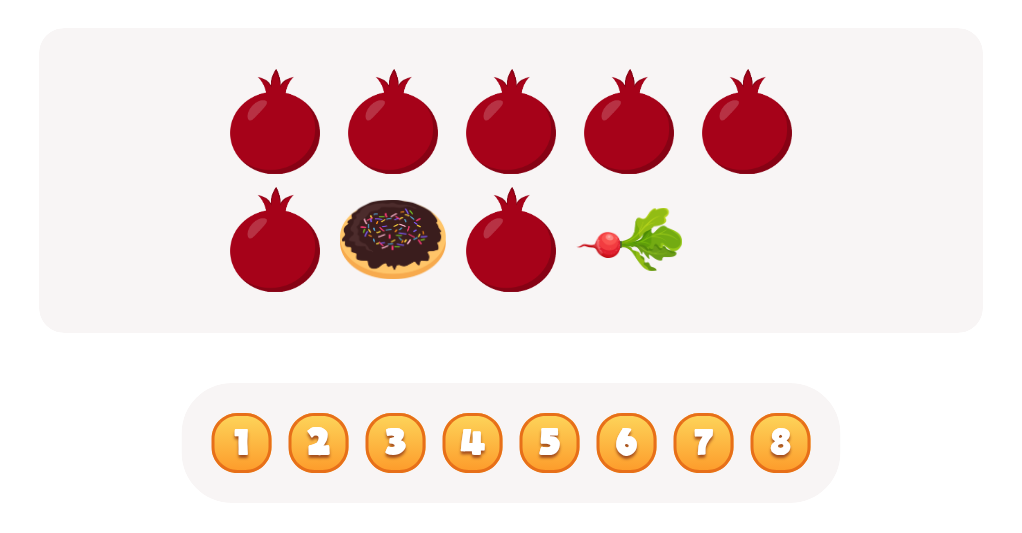
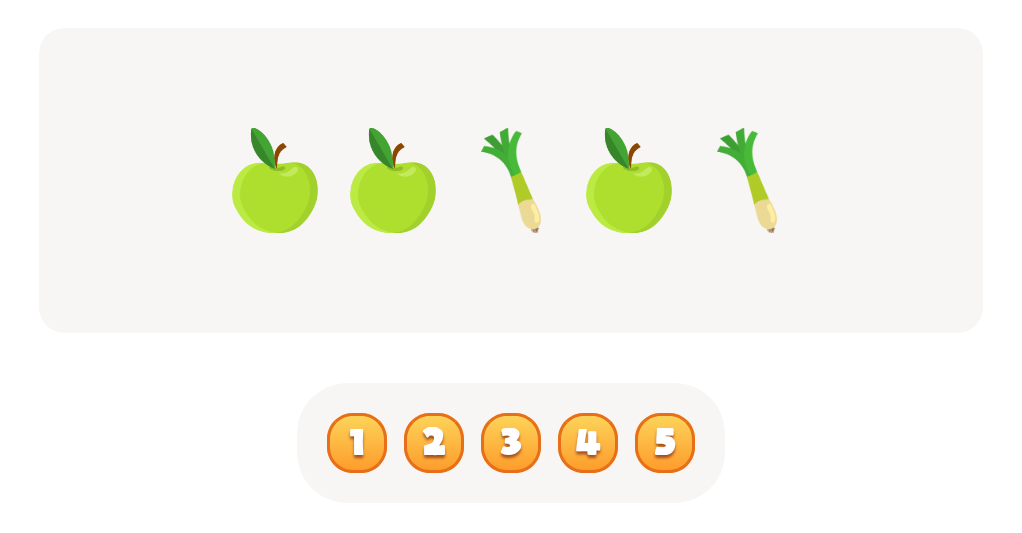
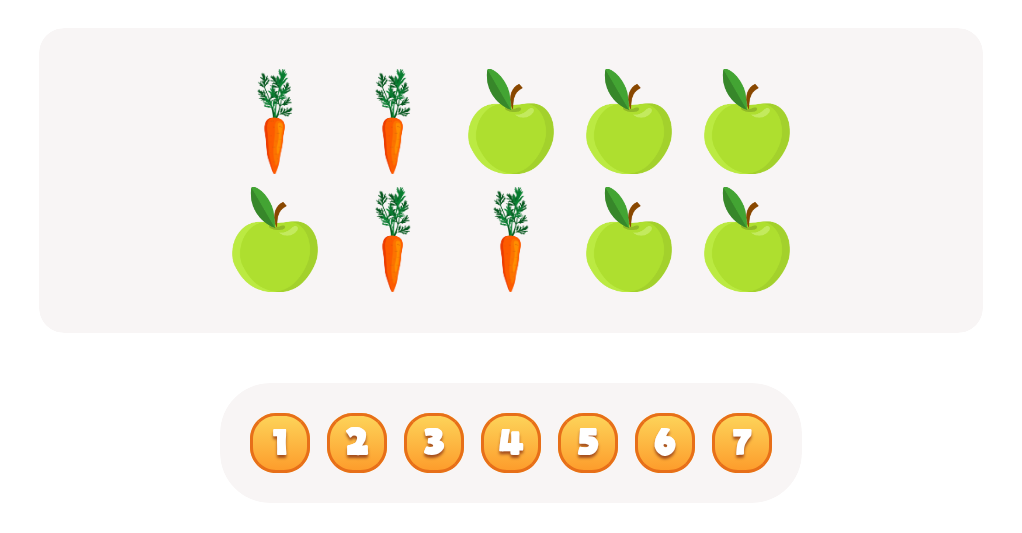
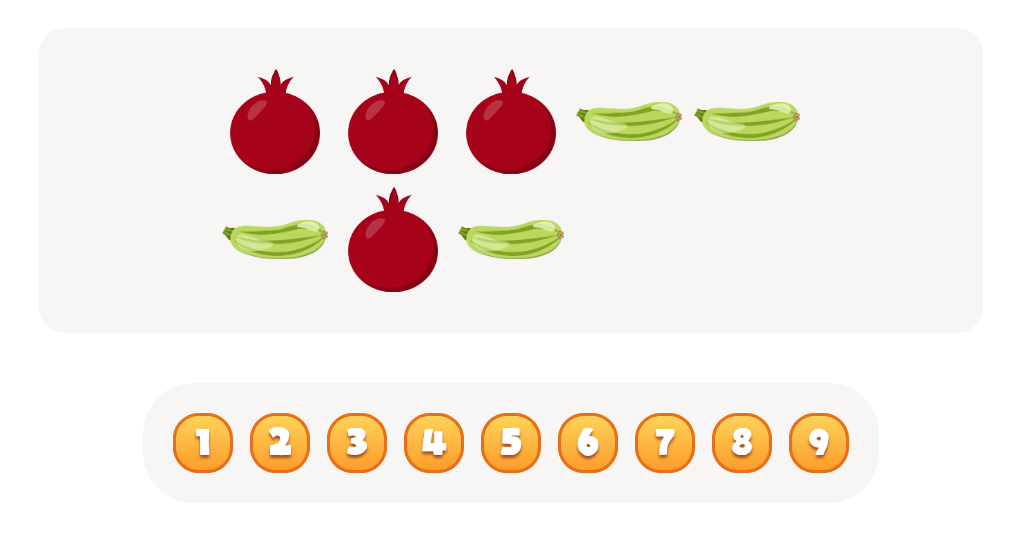

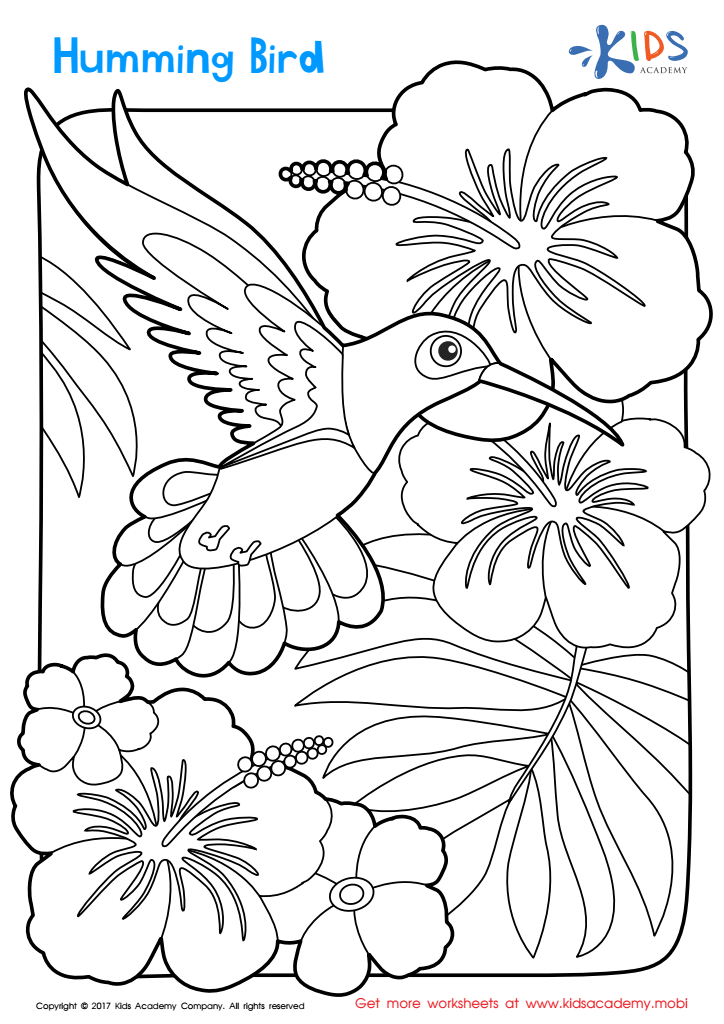
Humming Bird Worksheet
Assign to My Students
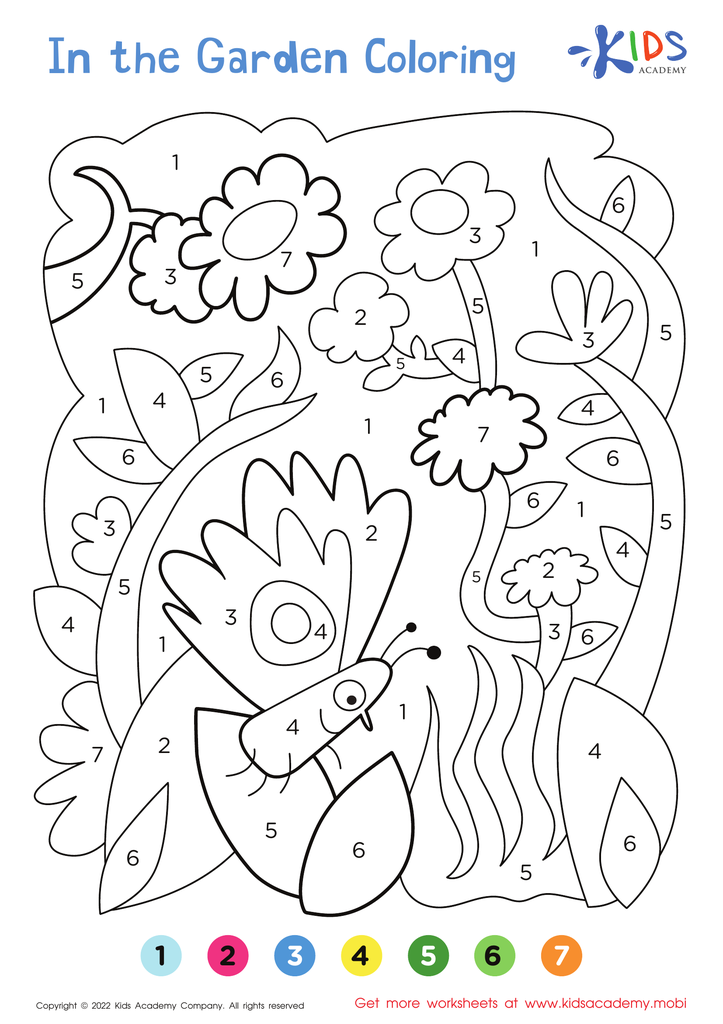
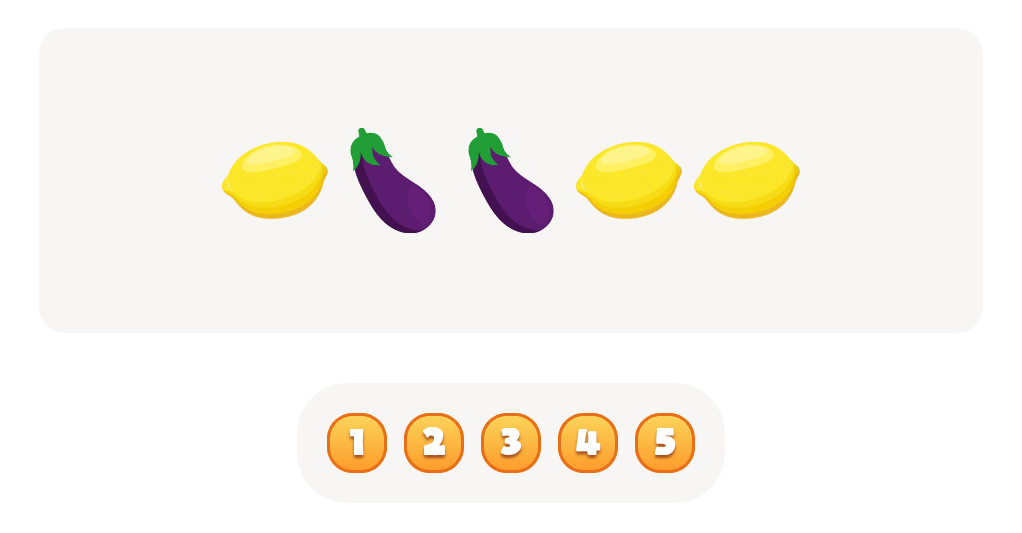
In the Garden – Coloring by Numbers







Fine motor skills are crucial for children aged 7-8 as they encompass the small movements of fingers, hands, and wrists that enable tasks such as writing, cutting, and buttoning, which are essential for daily life and academic success. Parents and teachers should prioritize the development of fine motor skills to bolster a child's independence and sensory development. Activities involving fine motor skills, like manipulating "Fine Motor Skills Plants," can create interactive learning experiences that make this development enjoyable and effective.
"Fine Motor Skills Plants" can include tasks such as threading beads on plant stems, arranging small manipulatives, or even designing flower patterns with stickers. These activities enhance hand-eye coordination and spatial awareness, fostering a child's creativity and problem-solving abilities. Well-developed fine motor skills impact a child's handwriting, helping them control pencils or tools with greater precision, which is vital for success in school subjects like writing and art.
Teachers can incorporate such plan-based activities into their curricula, ensuring that children can engage their hands in beneficial exercises without feeling pressured. Parents can use these activities at home to strengthen bonds and support learning through play. In summary, emphasizing fine motor skills at this stage facilitates smoother transitions into more complex academic tasks and daily activities, laying a strong foundation for future learning and self-sufficiency.