Fine Motor Skills English for Beginners Worksheets for Ages 7-8 - Page 3
62 filtered results
-
From - To
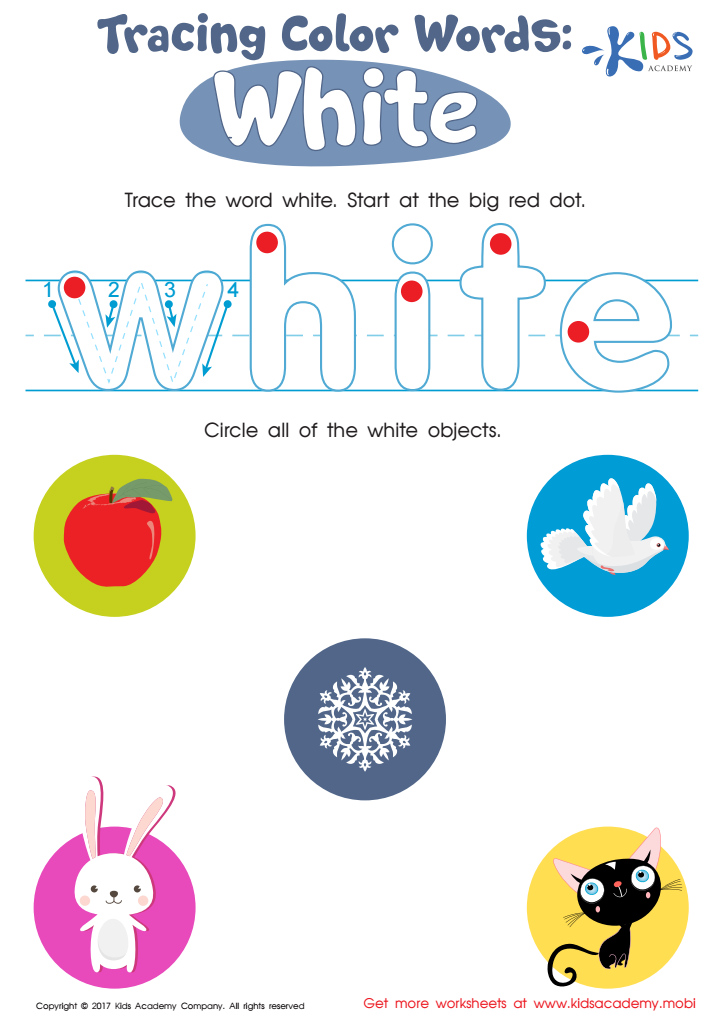
White Tracing Color Words Worksheet
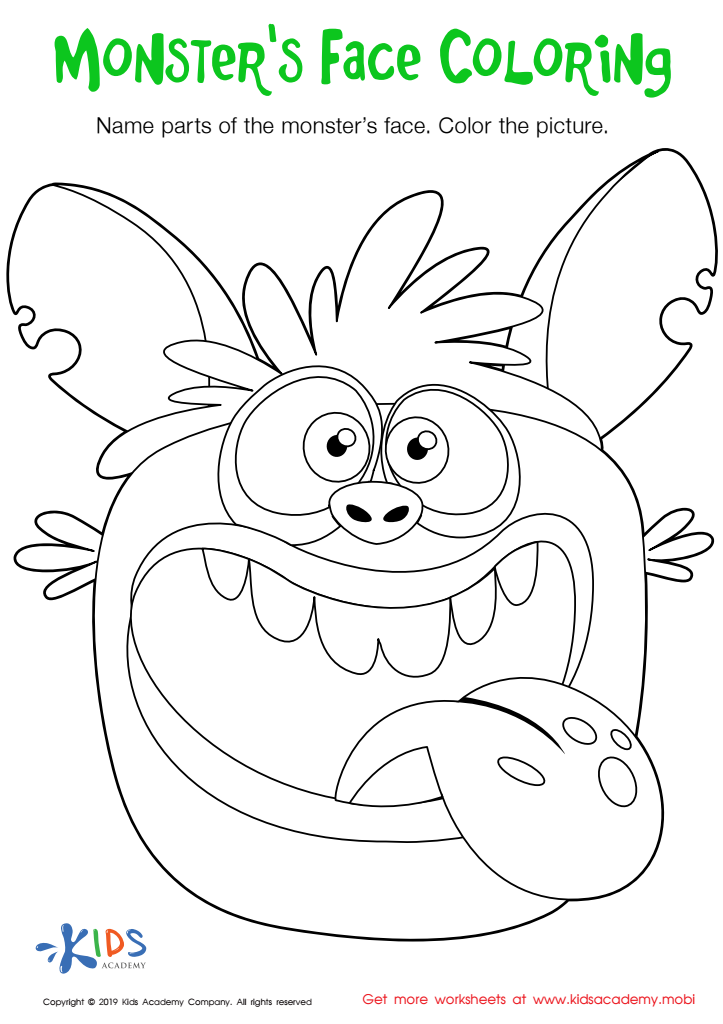
Monster's Face Coloring Worksheet
 Assign to My Students
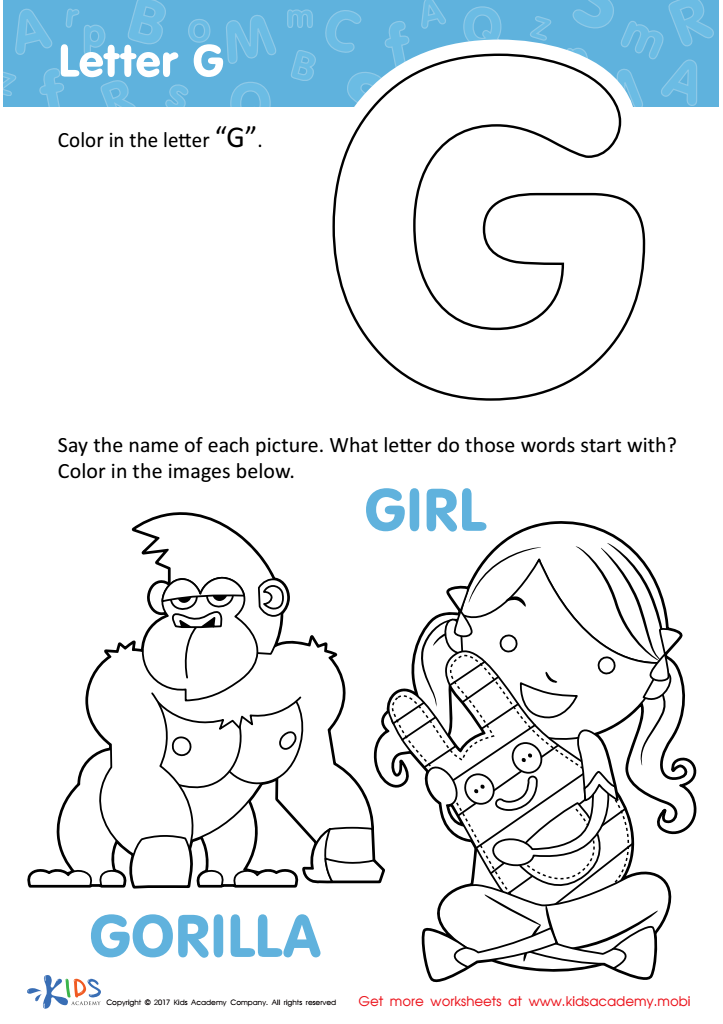
Letter G Coloring Sheet
Assign to My Students
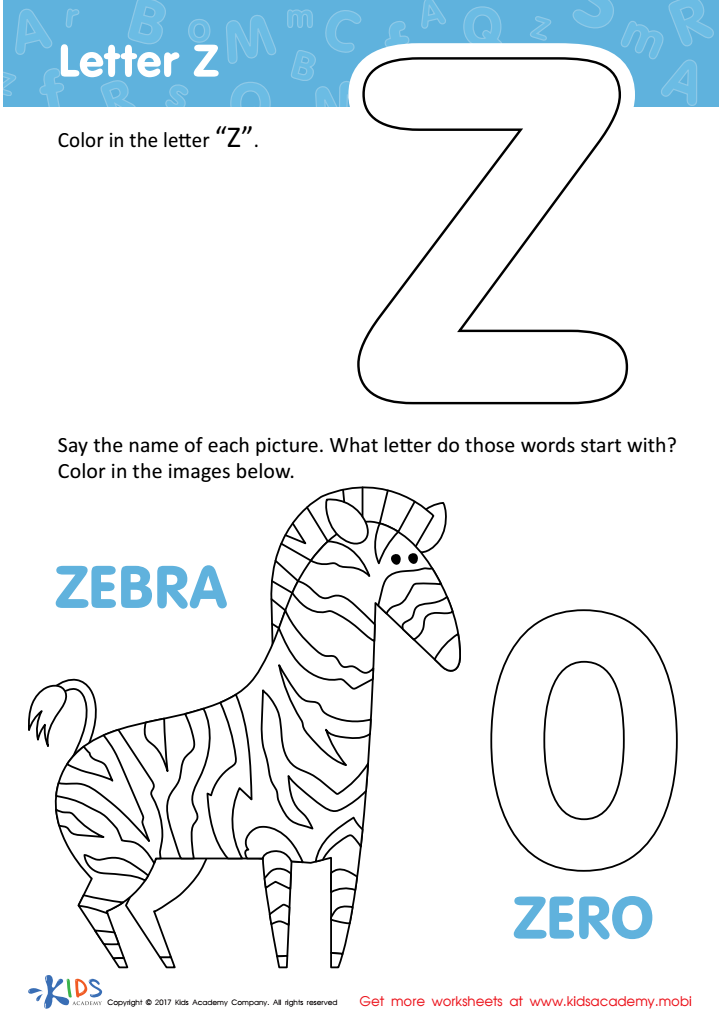
Letter Z Coloring Sheet
Assign to My Students
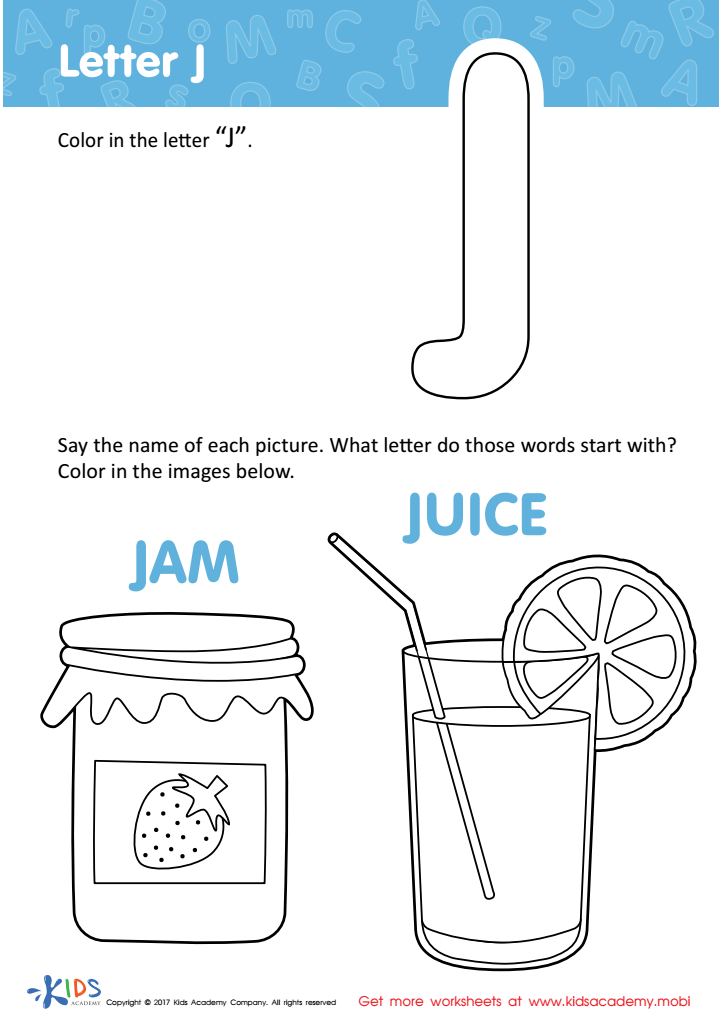
Letter J Coloring Sheet
Assign to My Students
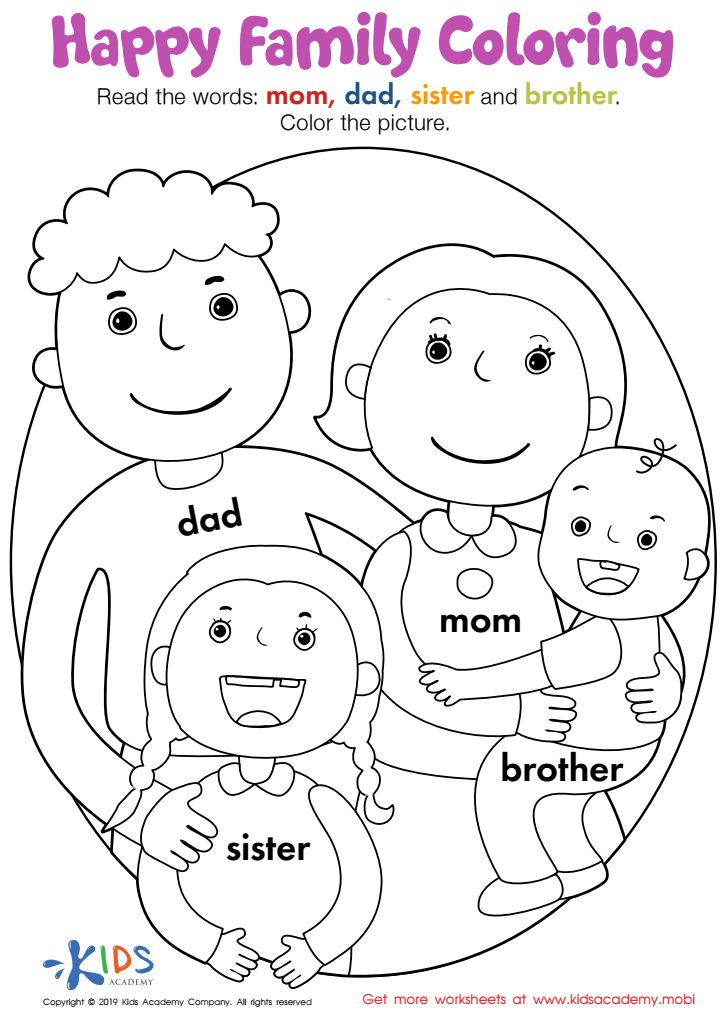
Happy Family Coloring Worksheet
Assign to My Students
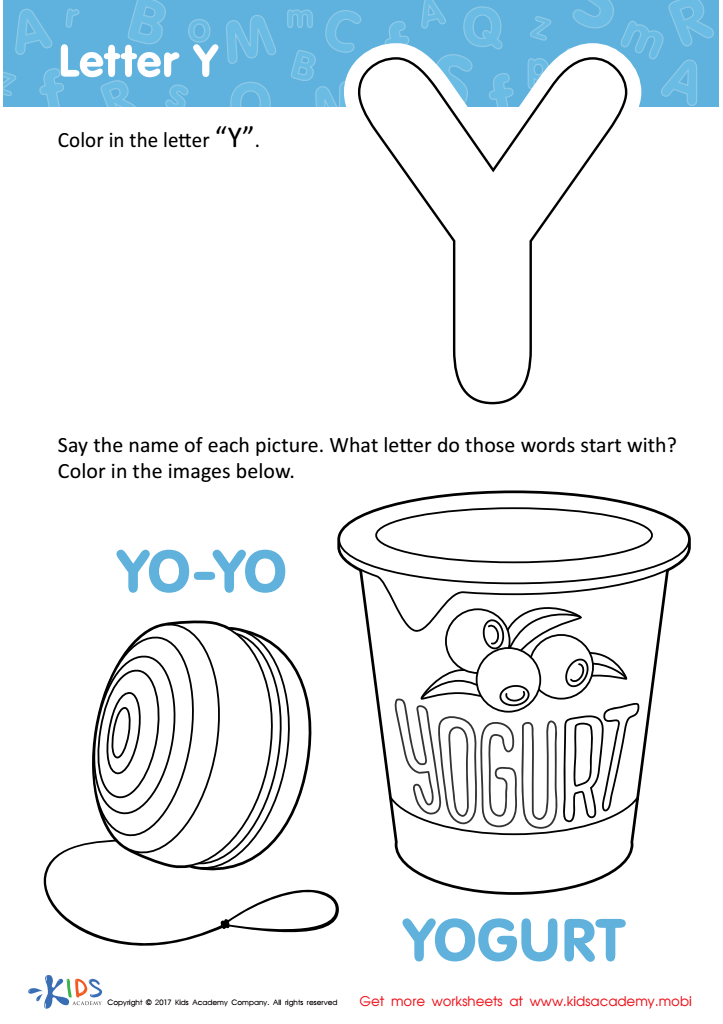
Letter Y Coloring Sheet
Assign to My Students
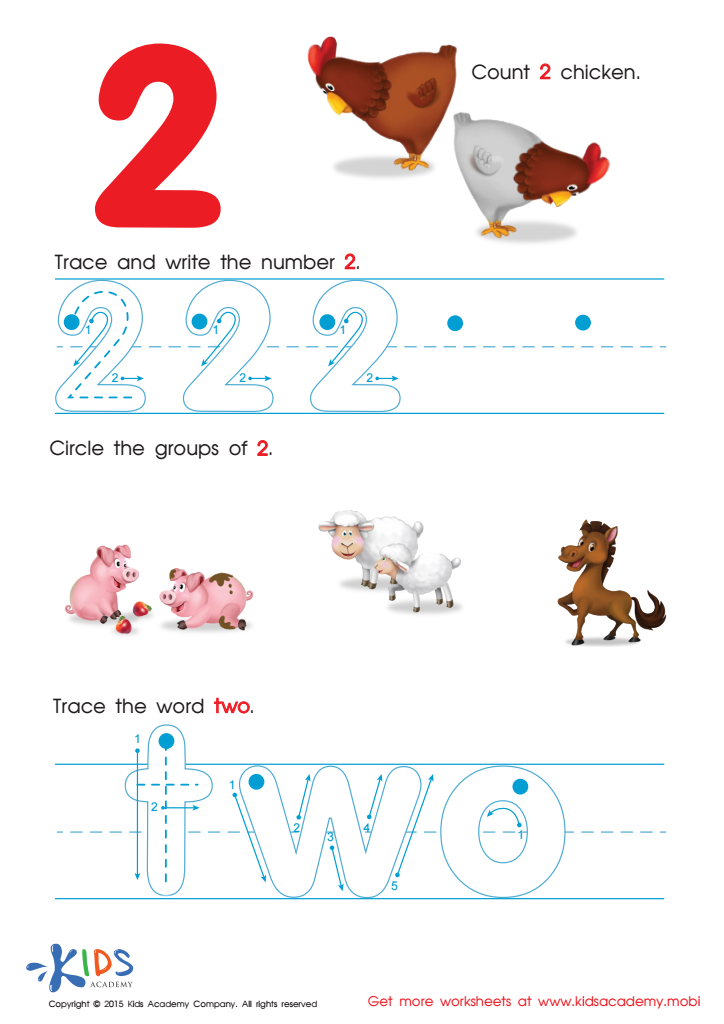
Learn to Write the Number 2 Worksheet
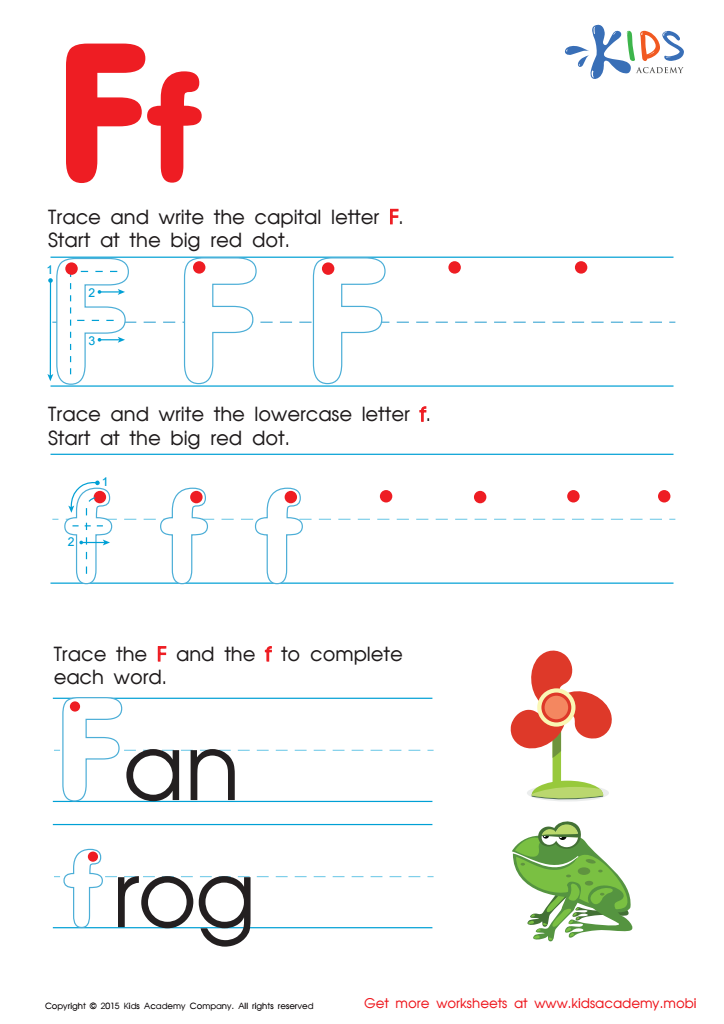
Letter F Tracing Page
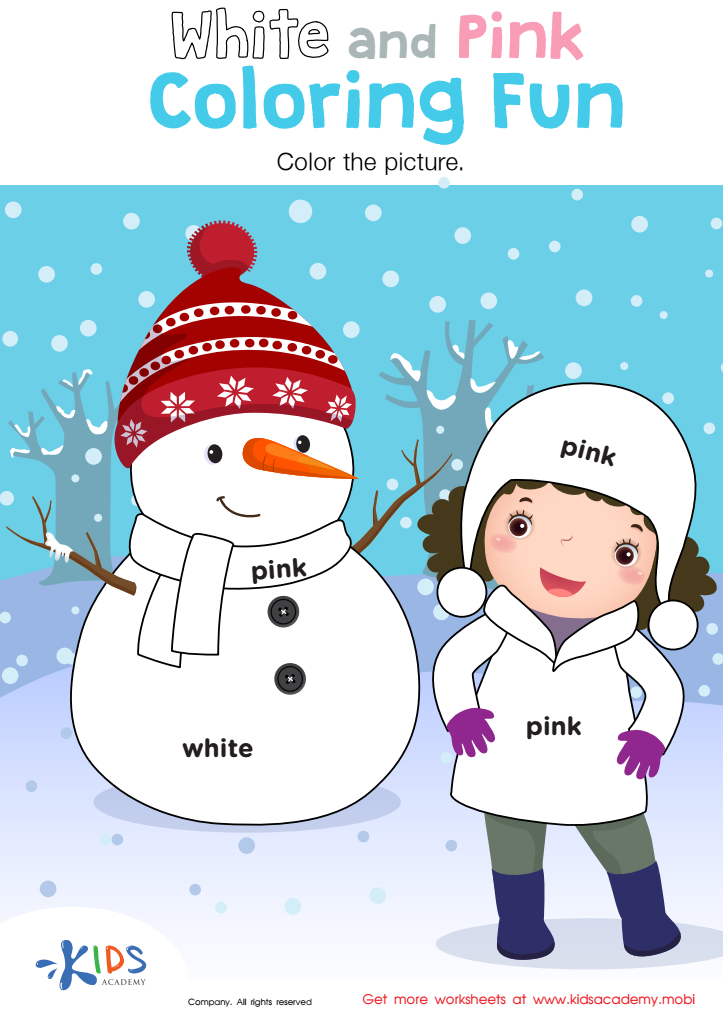
White and Pink Coloring Fun Worksheet
Assign to My Students
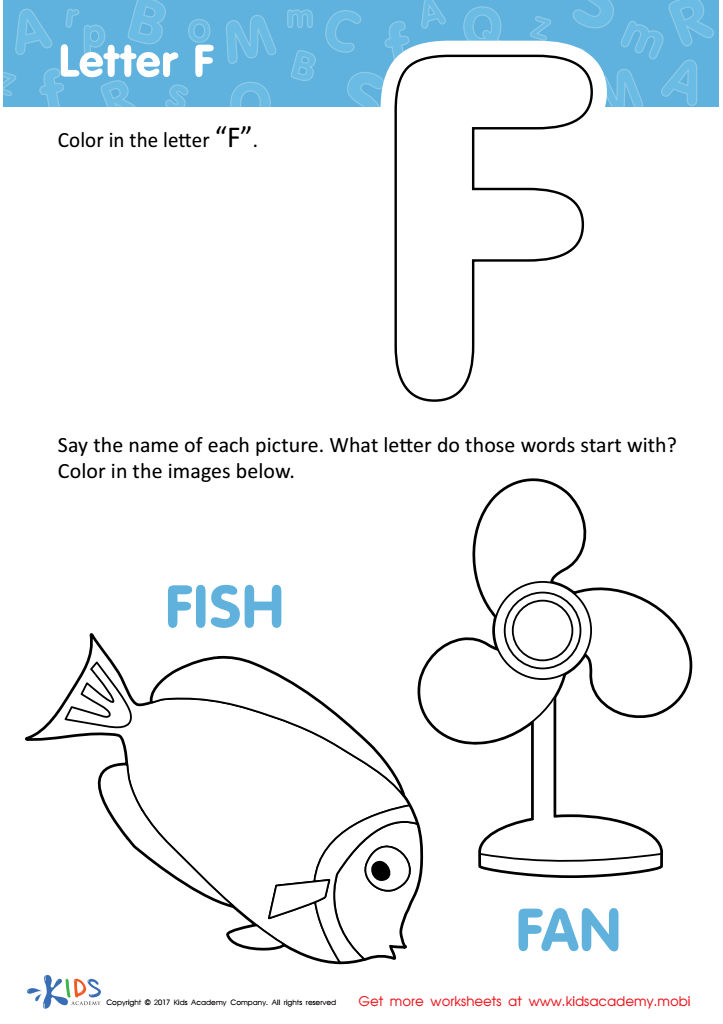
Letter F Coloring Sheet
Assign to My Students
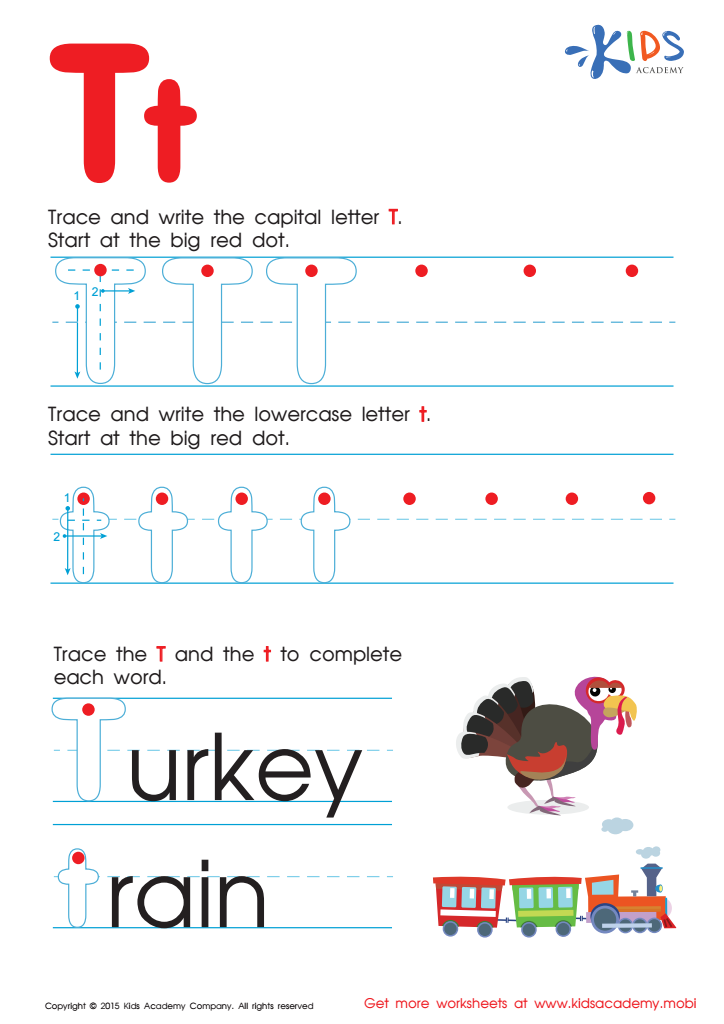
Letter T Tracing Page
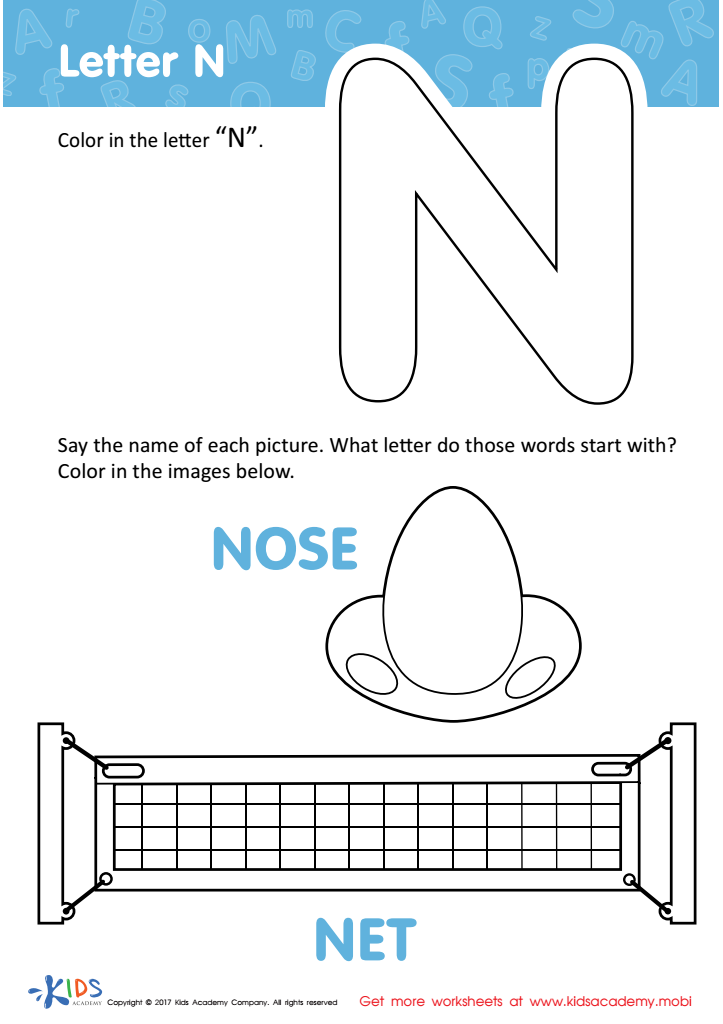
Letter N Coloring Sheet
Assign to My Students

Letter D Tracing Page





Fine motor skills are crucial for children aged 7-8 as they lay the foundation for essential daily activities and academic success. For parents and teachers focusing on English for beginners, developing these skills becomes even more vital. Fine motor skills involve the coordination of small muscles in the hands and fingers, enabling children to write, draw, and manipulate small objects effectively.
At this age, children are transitioning from basic scribbling to writing words and sentences. Proficient fine motor skills enable them to hold a pencil correctly, form letters clearly, and maintain legible handwriting. This directly impacts their ability to complete assignments neatly and confidently, fostering a positive attitude toward learning.
Mastery of fine motor skills also enhances cognitive and social development. Tasks such as cutting with scissors, tying shoelaces, and managing buttons and zippers require thought, planning, and practice, boosting problem-solving abilities and independence. As they engage in these activities, children develop patience and perseverance, essential traits for lifelong learning.
For both parents and teachers, incorporating activities that strengthen fine motor skills into the learning environment—like drawing, tracing, and using clay—can significantly support a child’s proficiency in English and overall educational development. By prioritizing these skills, you help set the stage for successful learning experiences both inside and outside the classroom.