Color Identification Worksheets for Ages 7-8
56 filtered results
-
From - To
Explore an engaging collection of Color Identification Worksheets specifically designed for children ages 7-8. These vibrant and interactive worksheets from Kids Academy help youngsters develop critical learning skills through fun activities focused on recognizing, naming, and using colors. Perfect for at-home practice or classroom learning, each worksheet fosters creativity, improves attention to detail, and enhances cognitive development. Tailored to align with early educational standards, these printables are an excellent resource for teachers and parents aiming to support their child's growth while making learning an enjoyable adventure. Discover the joy of color learning today!
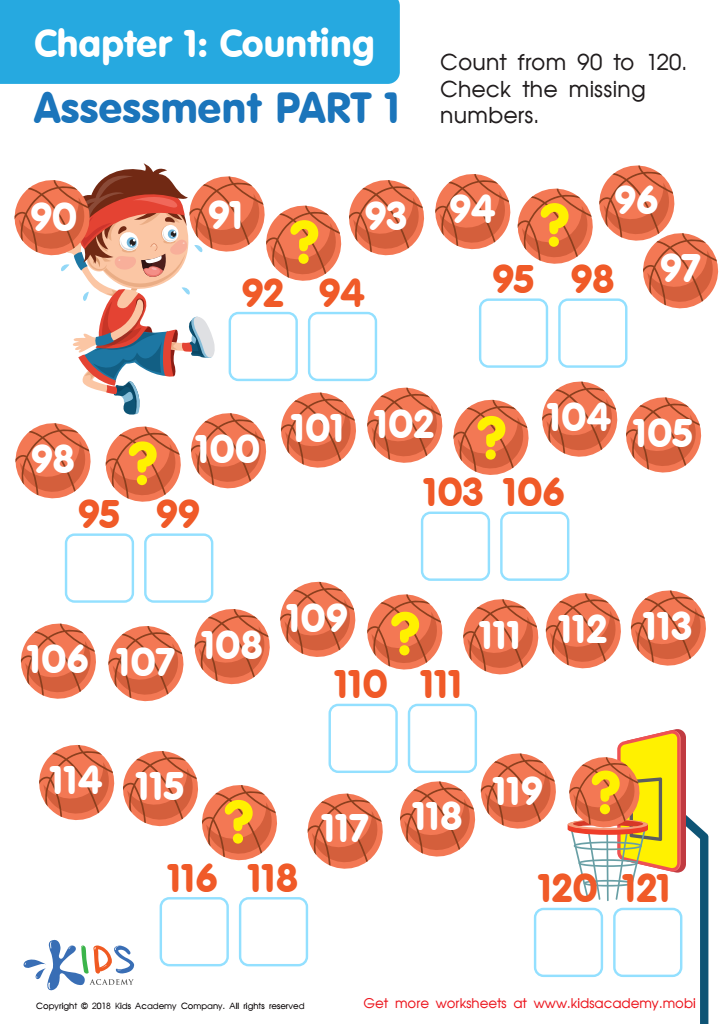
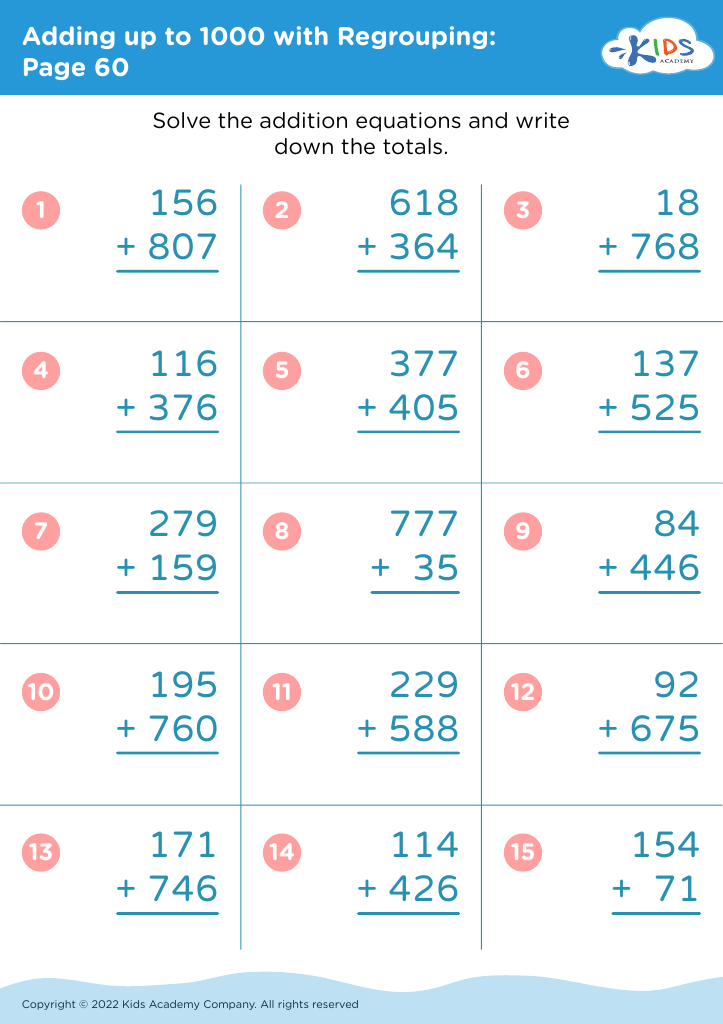
Counting Past 1: Assessment 1 Worksheet
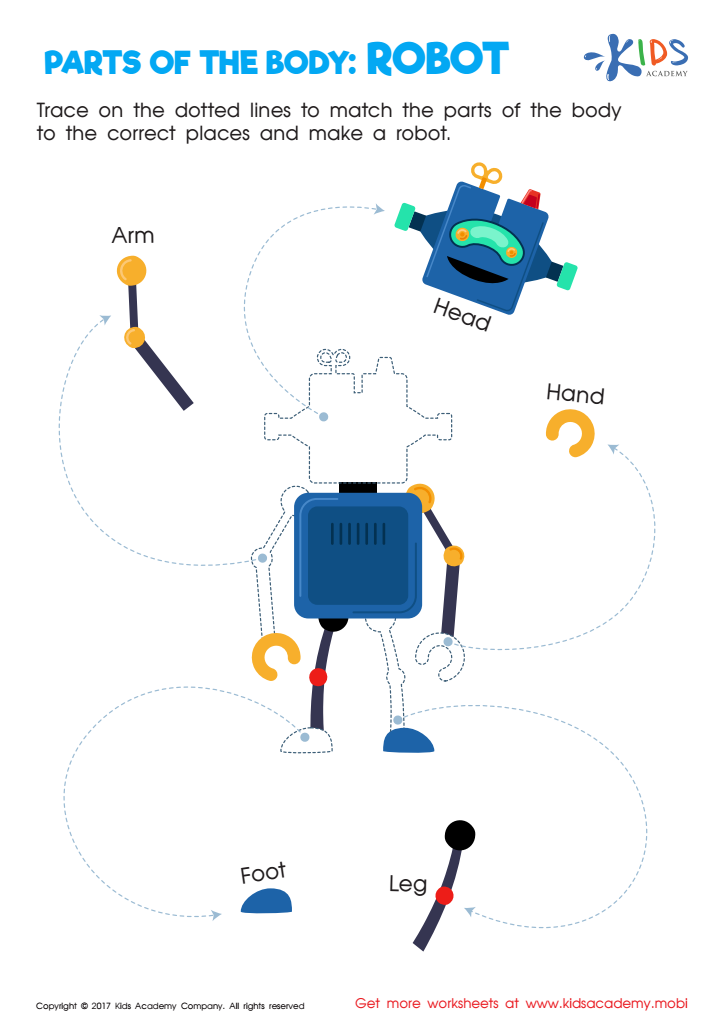
Robot Printable
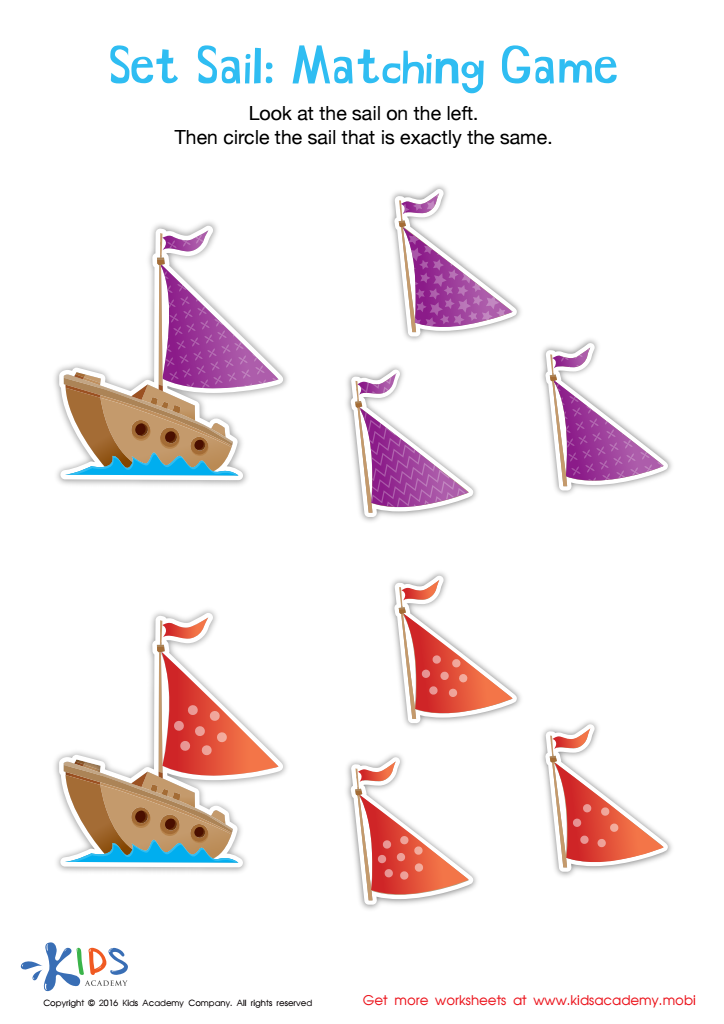
Set Sail Worksheet

Baa Baa Black Sheep Printable
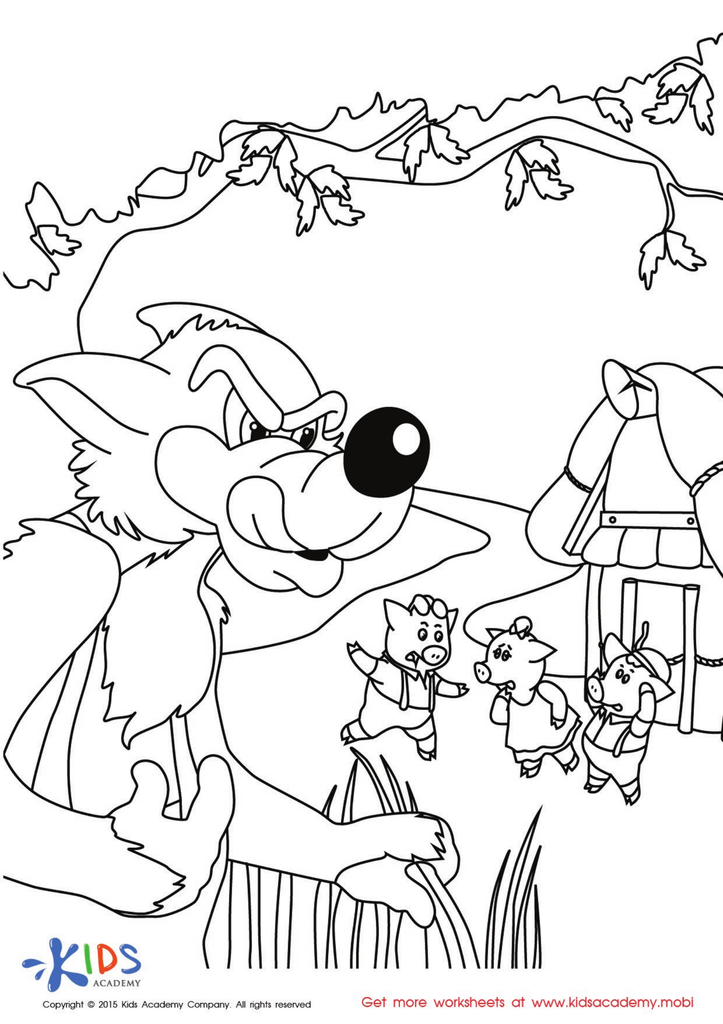
The Story of the Three Little Pigs Coloring Worksheet
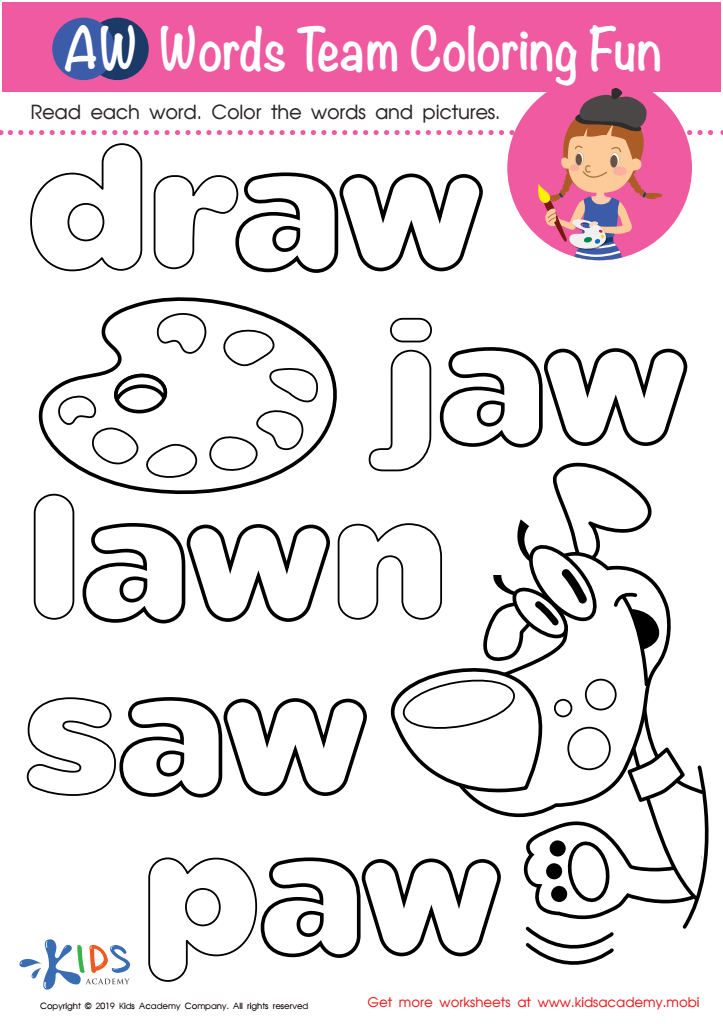
AW Words Team Coloring Fun Worksheet
 Assign to My Students
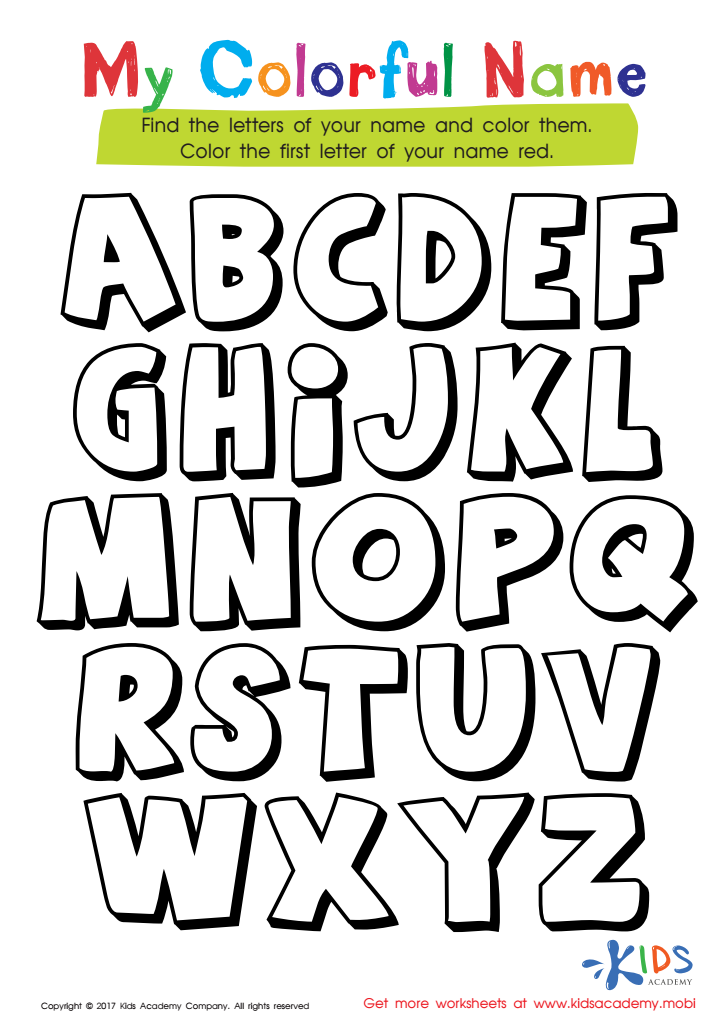
My Colorful Name Worksheet
Assign to My Students
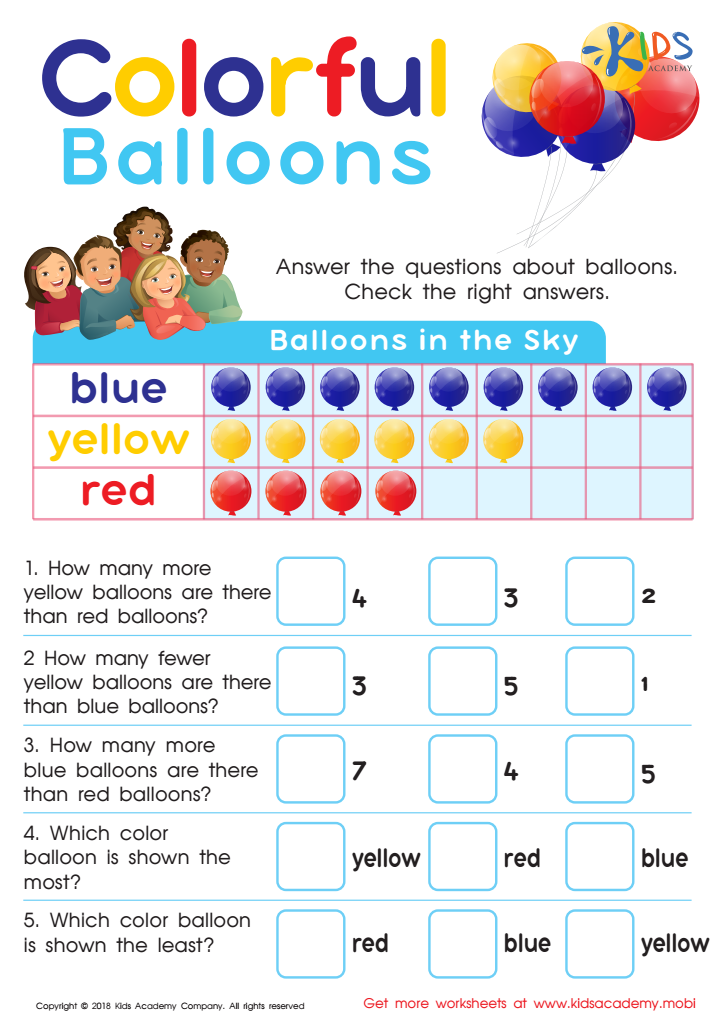
Picture Graphs: Colorful Balloons Worksheet
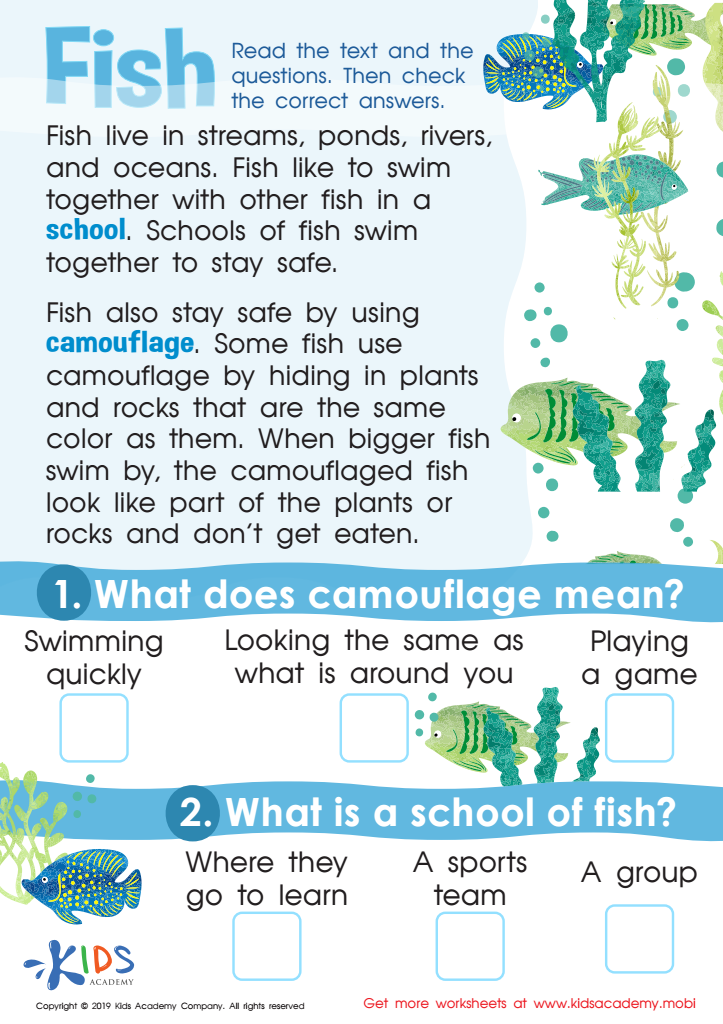
Fish Worksheet
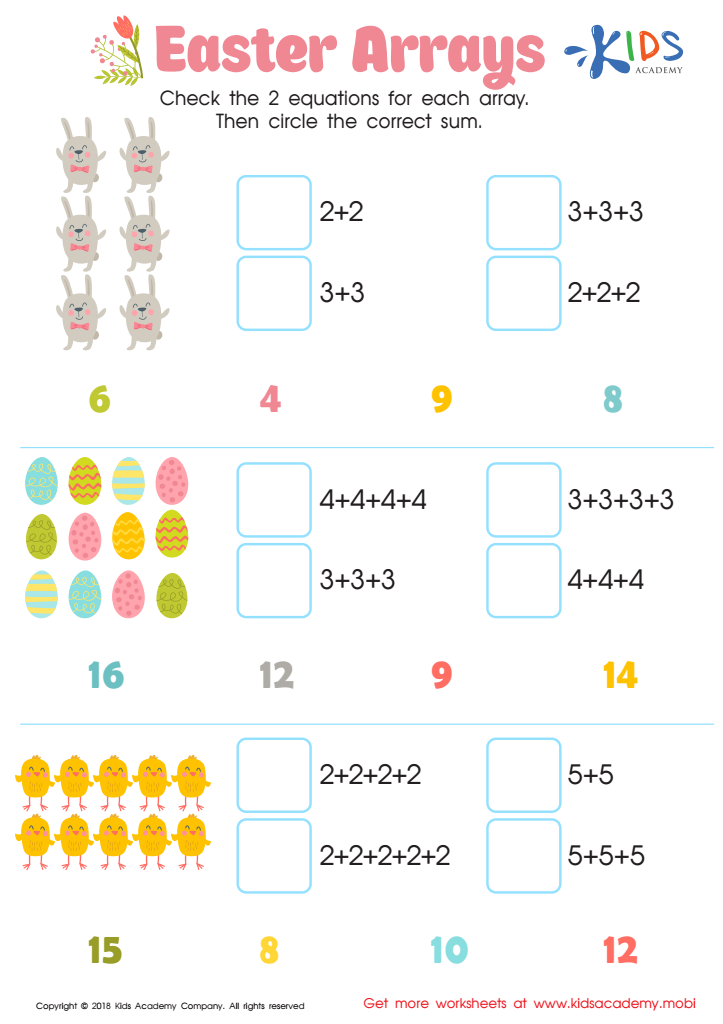
Easter Arrays Worksheet
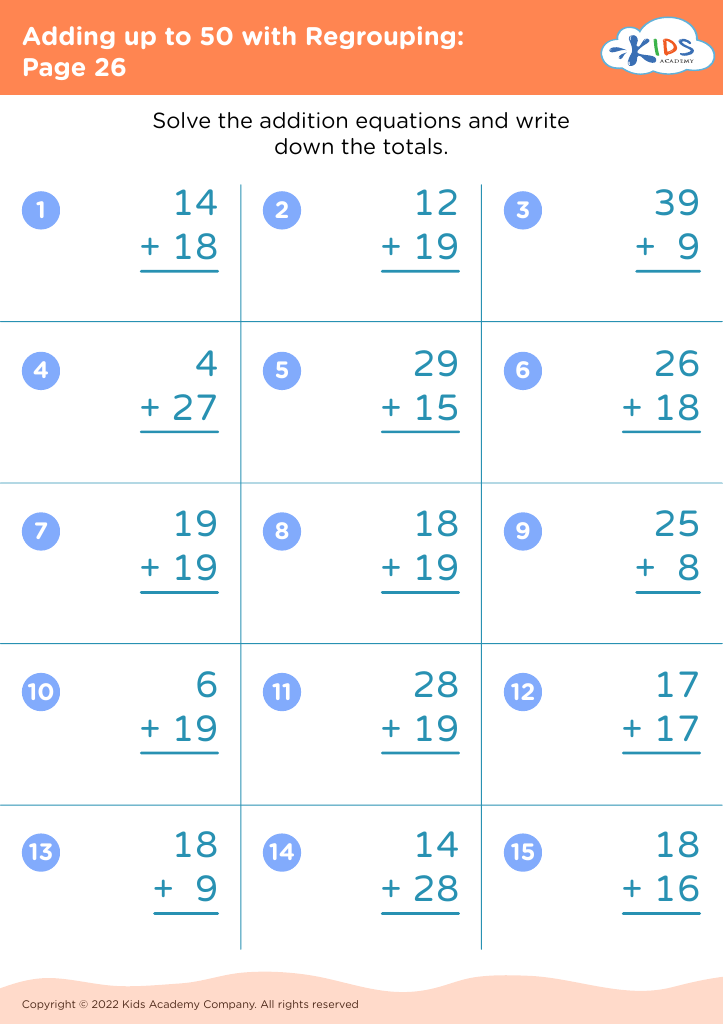
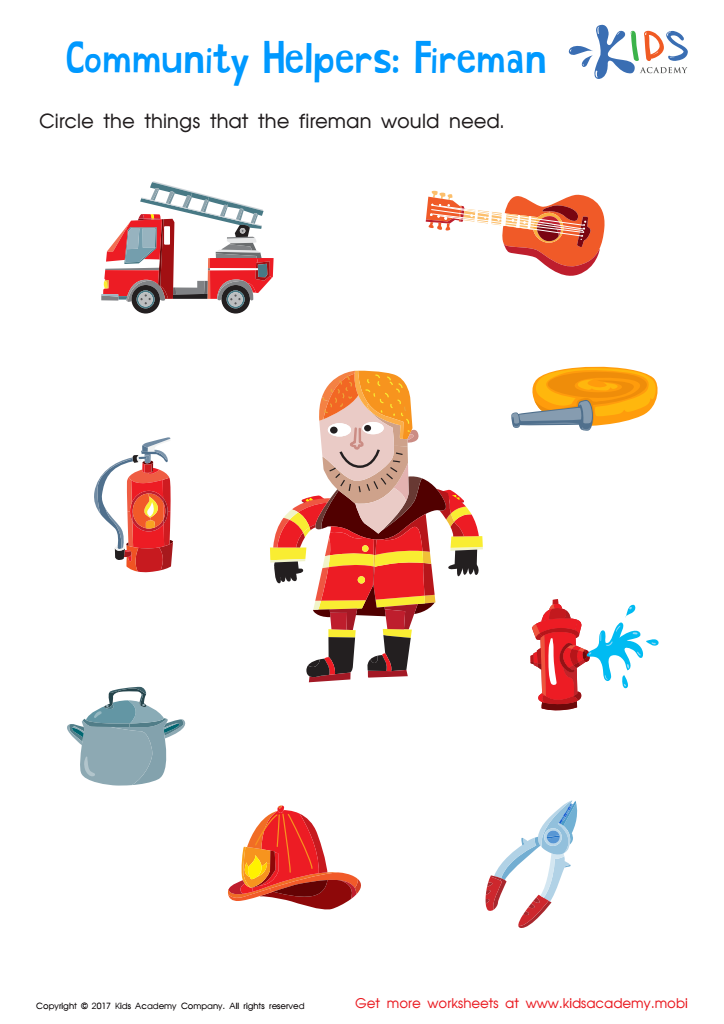
Fireman Worksheet
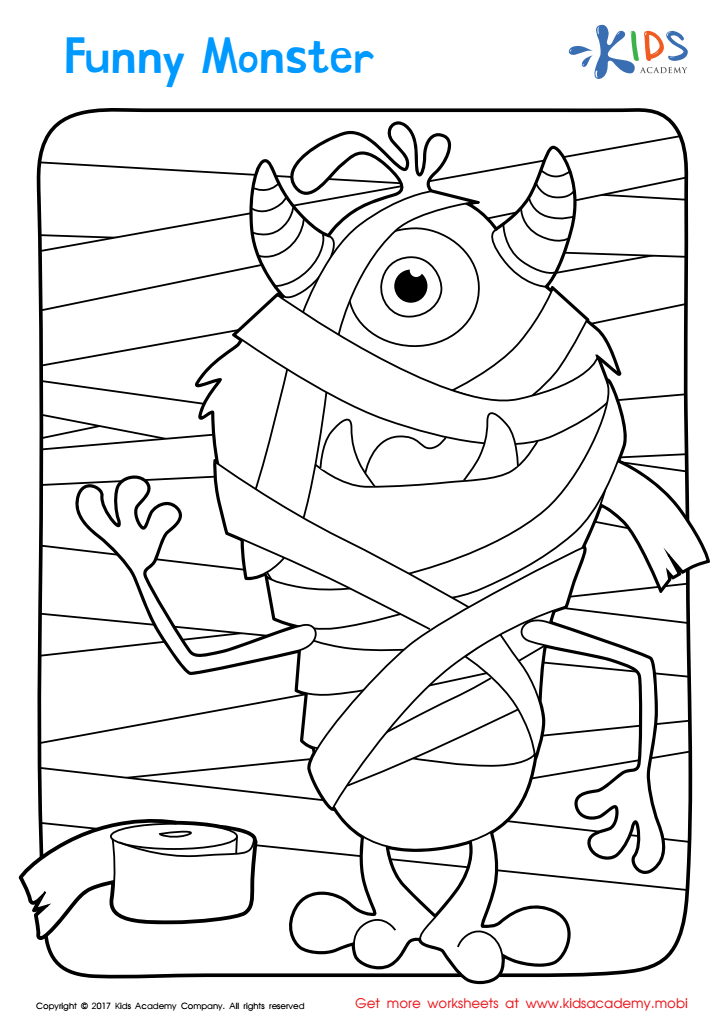
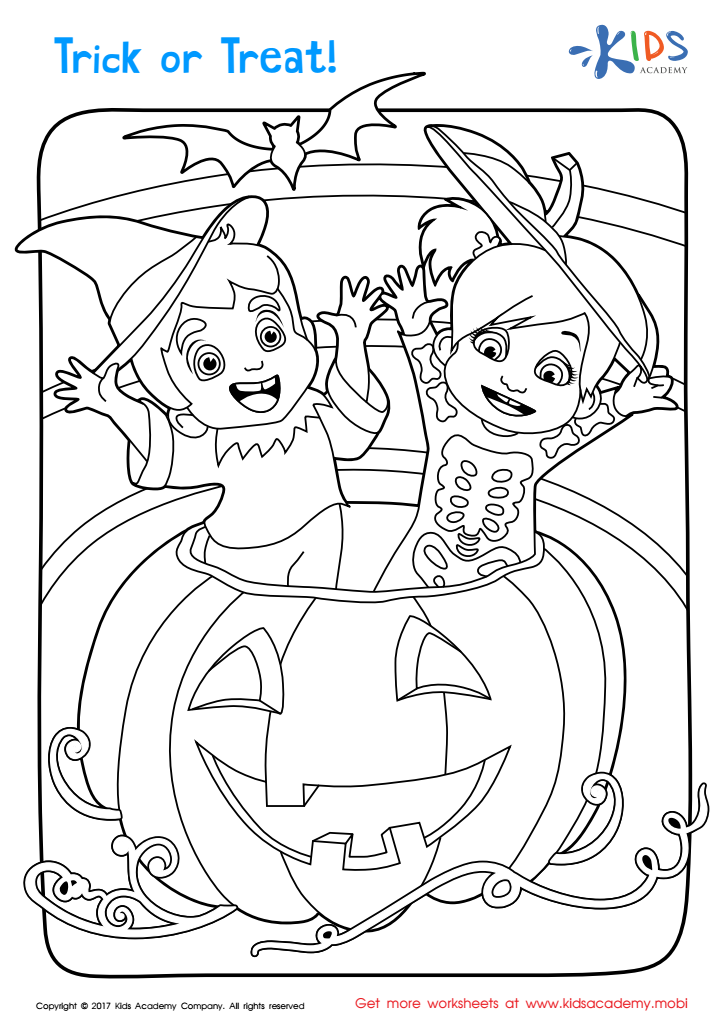
Halloween: A Funny Monster Worksheet
Assign to My Students
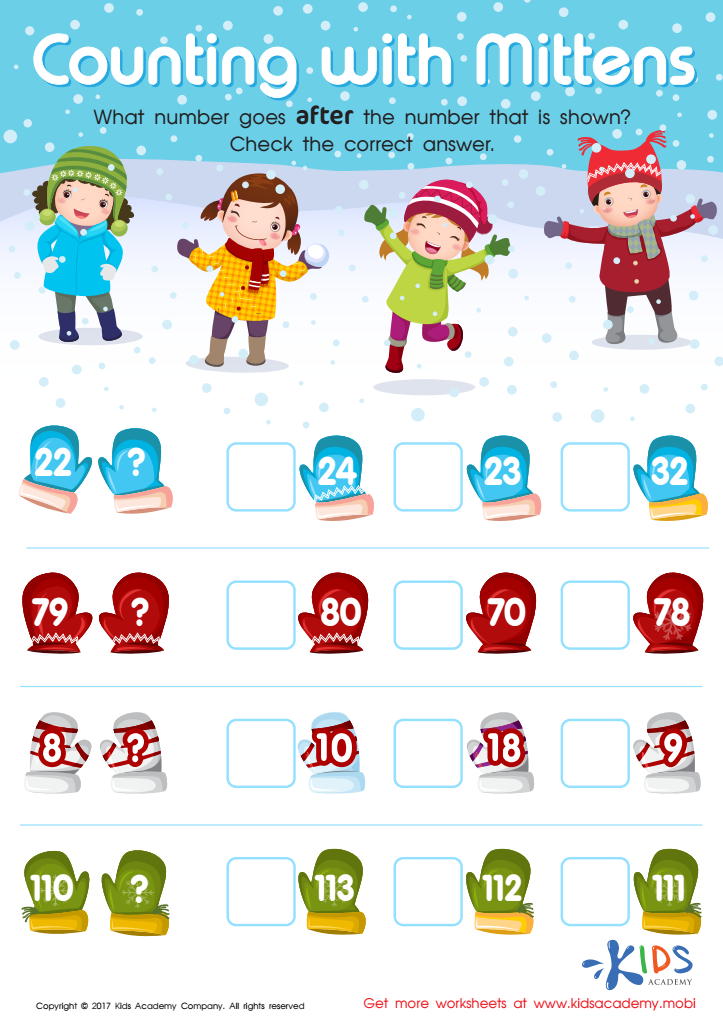
Counting with Mittens Worksheet





.jpg)
.jpg)
Color identification plays a pivotal role in the cognitive and social development of children aged 7-8. At this stage, children are not just recognizing basic colors; they're refining their understanding of color shades and variations, which contributes significantly to their visual discrimination skills. This ability enhances their learning experiences across subjects, including reading, math, and science. For instance, in reading, differentiating colors can aid in sorting and classifying information. In math, colors often help in graph understanding and problem-solving.
Moreover, color identification nurtures creativity and expression. Art activities involving color mixing and naming can foster a child’s imaginative skills and boost confidence in making choices. Socially, being adept at discussing colors can improve communication skills. Children start to use more descriptive language and share thoughts and ideas more vividly.
Additionally, color awareness contributes to safety and daily routines. Recognizing colors on traffic signals, understanding weather condition codes, or adhering to classroom guidelines often anchored in color cues becomes easier.
Overall, by emphasizing color recognition, parents and teachers can create a bridge to academic concepts, foster creativity, reinforce essential safety habits, and enhance social interactions, making it a fundamental aspect of a child's holistic education.








