Directional understanding Worksheets for Ages 7-8
4 filtered results
-
From - To
Enhance your child's spatial awareness and directional skills with our expertly designed Directional Understanding Worksheets for Ages 7-8. These engaging worksheets help young learners master concepts such as left, right, up, down, and cardinal directions through fun activities and visual guides. Our resources not only bolster academic growth but also improve everyday navigation skills. Ideal for both classroom use and home practice, these worksheets are crafted to develop critical thinking and precision. At Kids Academy, we are dedicated to providing high-quality educational materials that inspire confidence and make learning adventures enjoyable for your budding explorer.
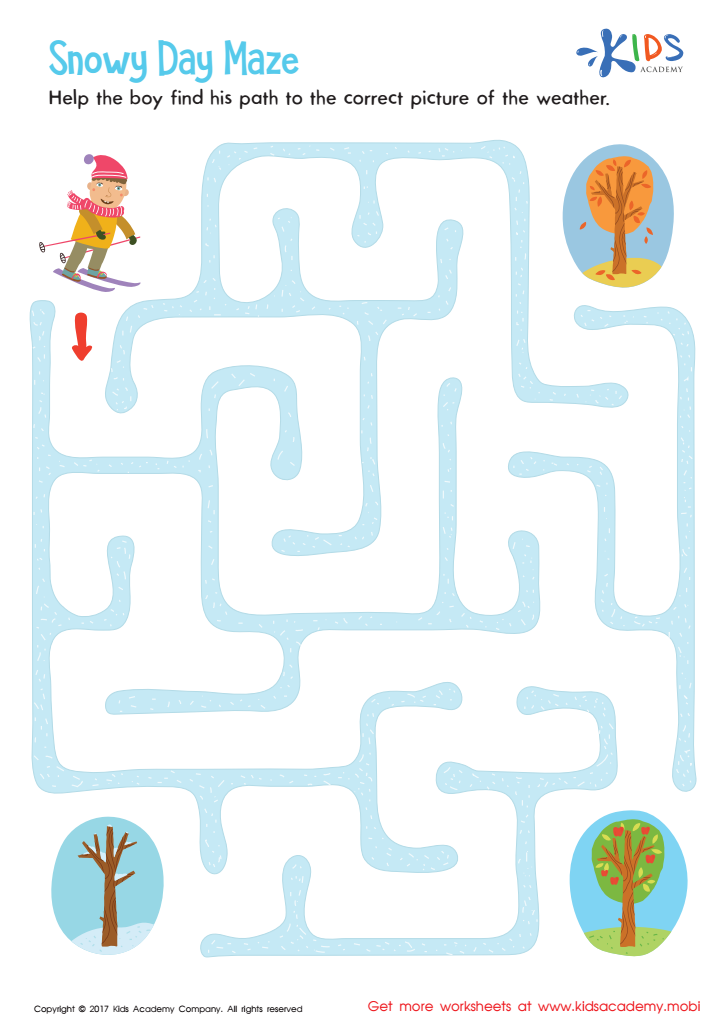
 Assign to My Students
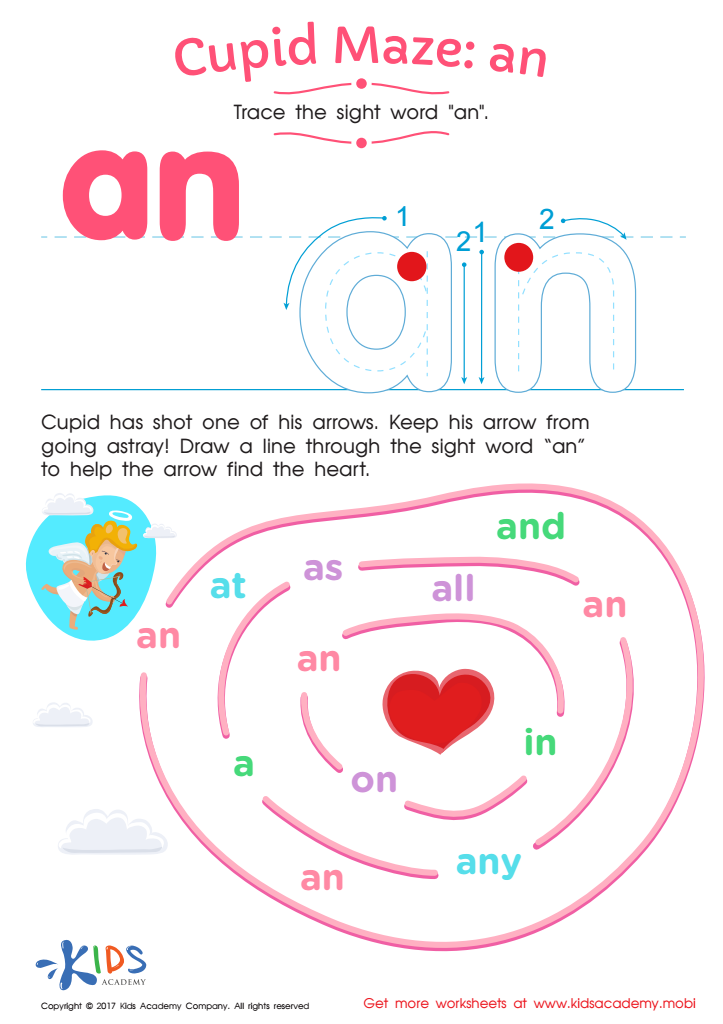
Cupid Maze: An Printable
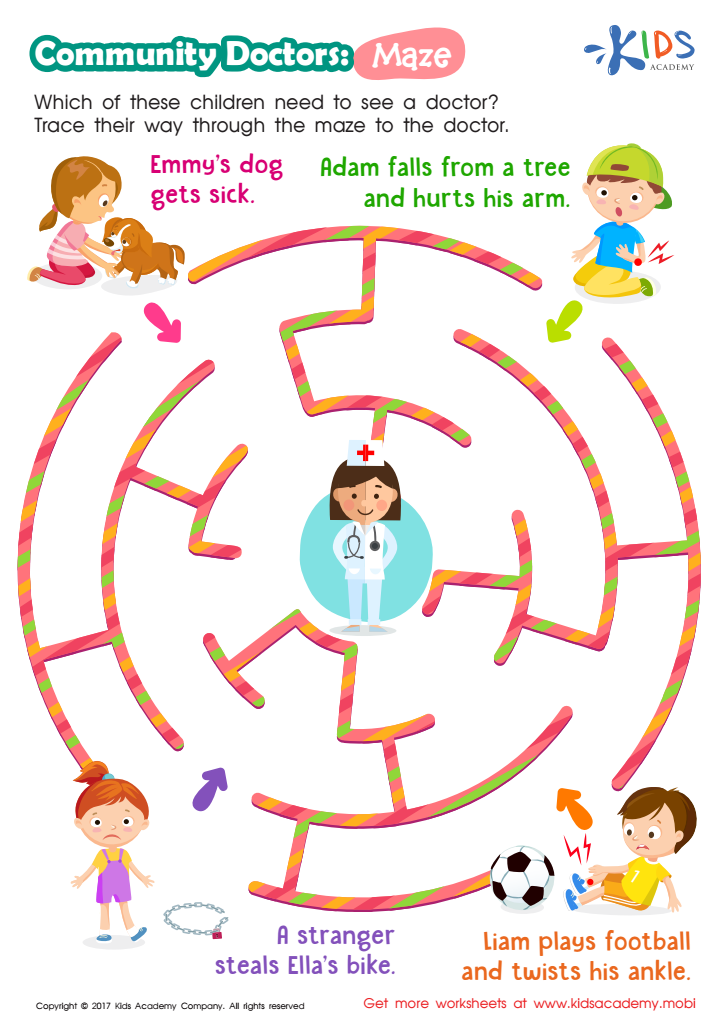
Community Doctors: Maze Printable
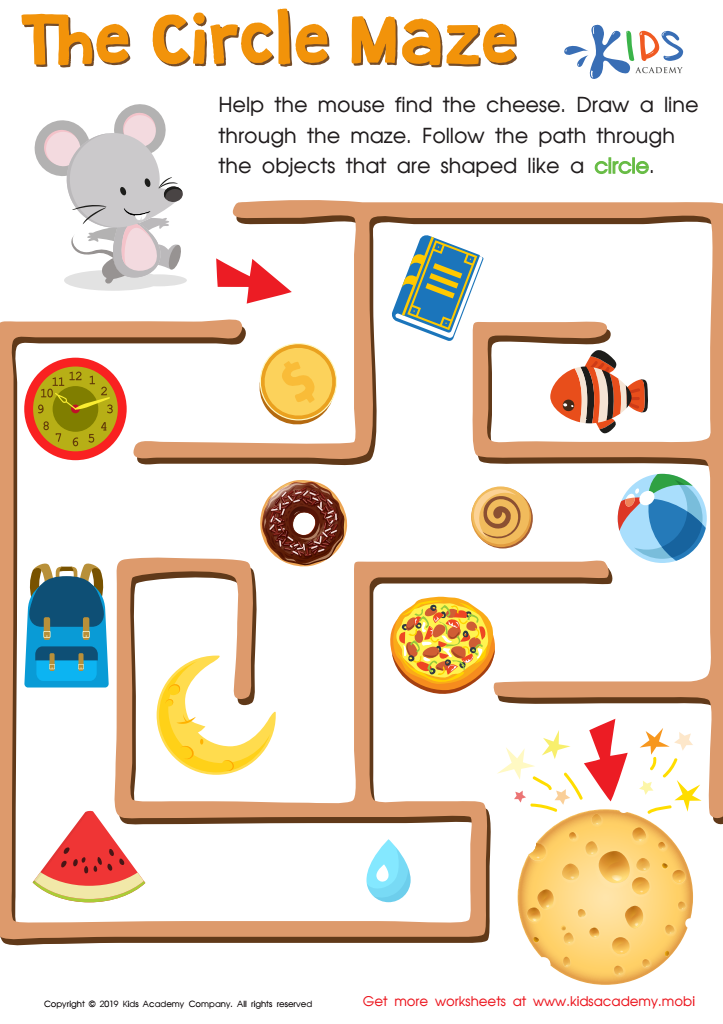
The Circle Maze Worksheet






Understanding directions is essential for children aged 7-8 as it plays a crucial role in their cognitive and spatial development. At this age, kids begin to navigate their world more independently and directionality lays the groundwork for numerous practical and academic skills.
Firstly, knowing left from right, and understanding cardinal directions, helps children with everyday tasks such as following instructions, organizing their workspace, or engaging in sports. It fosters independence and safety—kids who understand directions can find their way in new environments more confidently.
Secondly, directionality is fundamental in academic learning. It aids in reading and writing left to right, solving geometry problems, and interpreting maps. For instance, understanding a text map or graph requires a strong sense of spatial orientation. Math activities often incorporate concepts of direction when explaining strategies or solving problems.
Moreover, directional skills enhance critical thinking and problem-solving abilities. When kids can visualize or articulate directions, they are better equipped to plan, decide, and execute tasks. It also supports social skills since games and collaborative tasks often involve following or giving directions.
Engaging children in activities that promote directional understanding—like treasure hunts, map reading, or guided tours—can significantly benefit their overall development. Therefore, parents and teachers play a vital role in nurturing these skills to ensure children's effective and confident interaction with their environments.








