Fraction comparison Worksheets for Ages 7-8
39 filtered results
-
From - To
Discover our engaging Fraction Comparison Worksheets, designed for children ages 7-8! These worksheets help young learners grasp the concept of fractions by encouraging them to compare and analyze different fraction sizes. With colorful visuals and interactive exercises, children will develop critical thinking skills while boosting their confidence in mathematics. Ideal for at-home learning or classroom activities, these resources make mastering fractions fun and easy. Each worksheet caters to a variety of learning styles, ensuring that every student can thrive. Enhance your child's mathematical journey with our expertly crafted fraction comparison worksheets today! Explore our vibrant collection now!
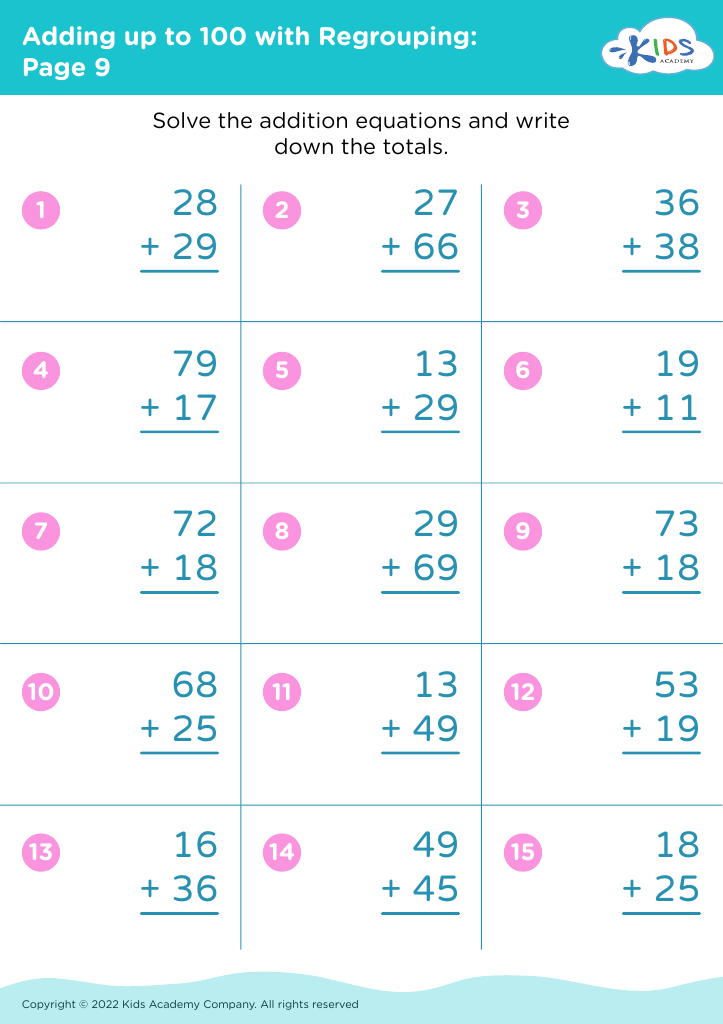
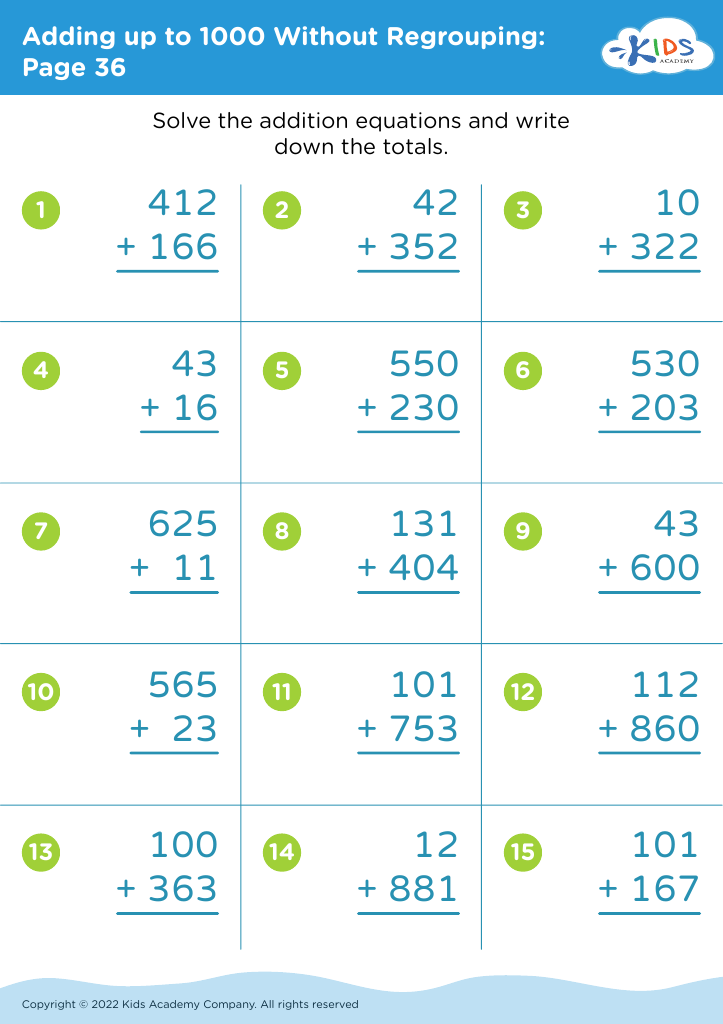
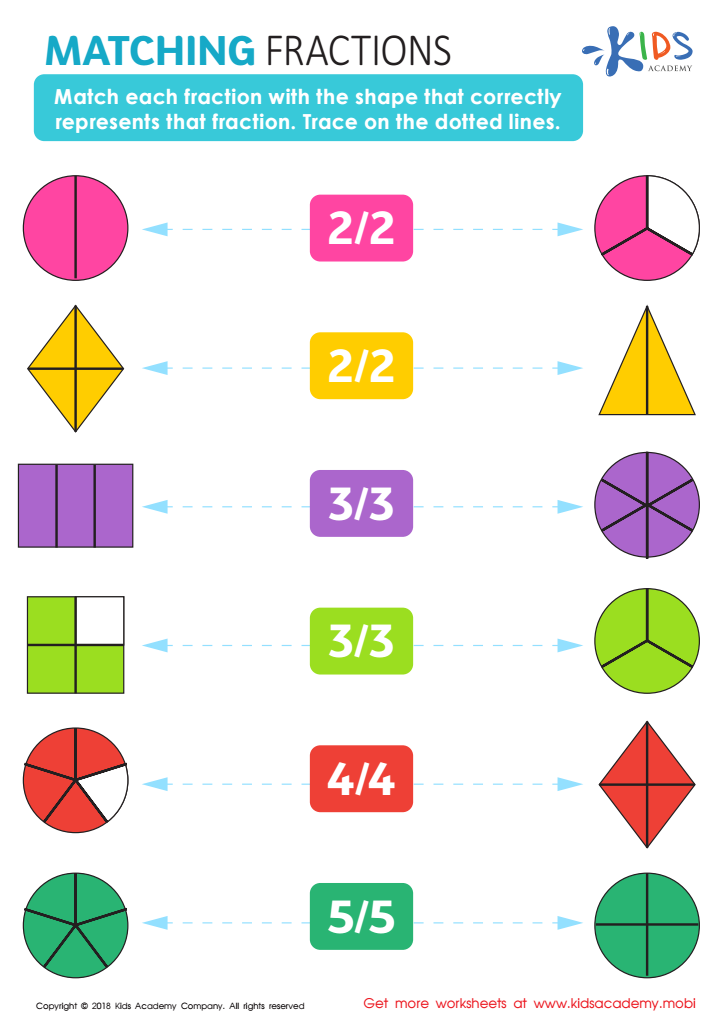
Matching Fractions Worksheet
 Assign to My Students
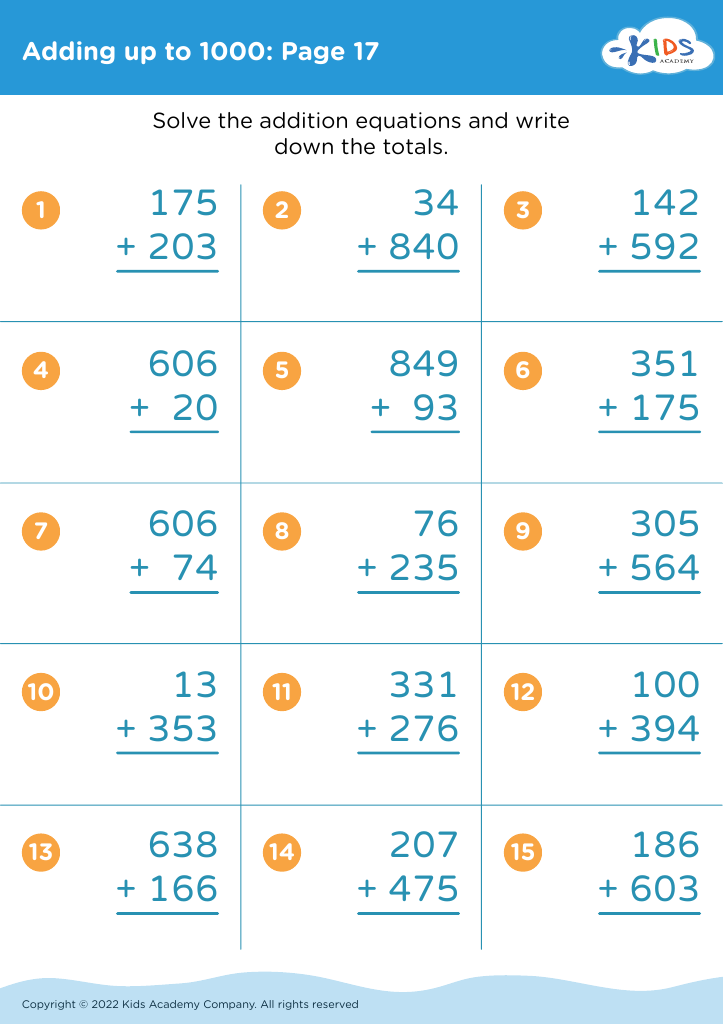
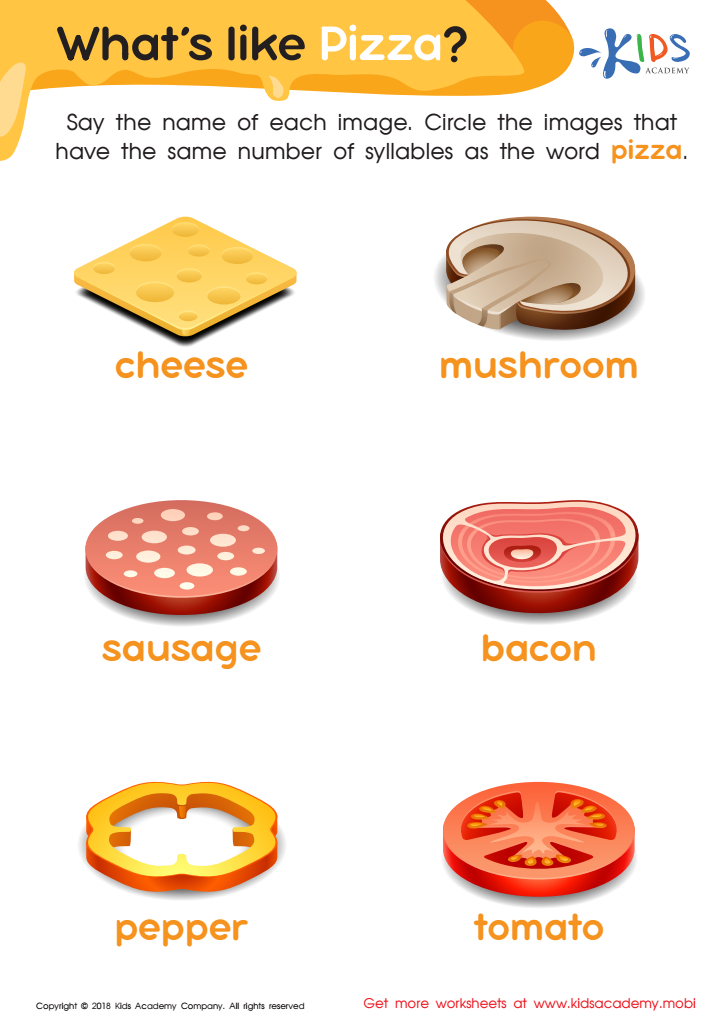
What's Like Pizza? Worksheet
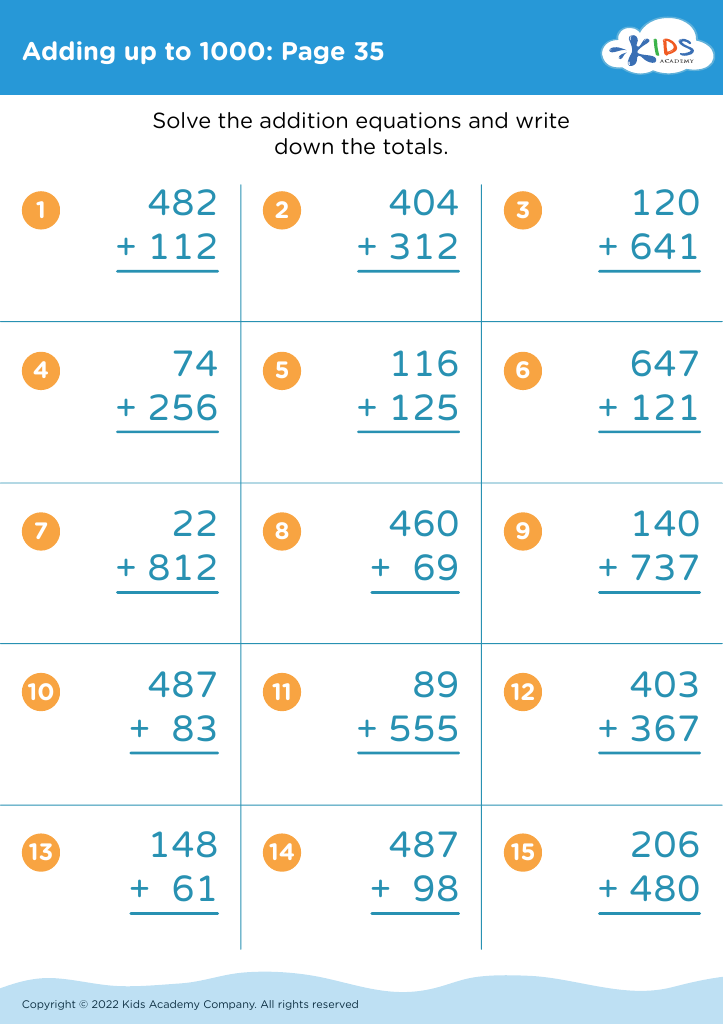
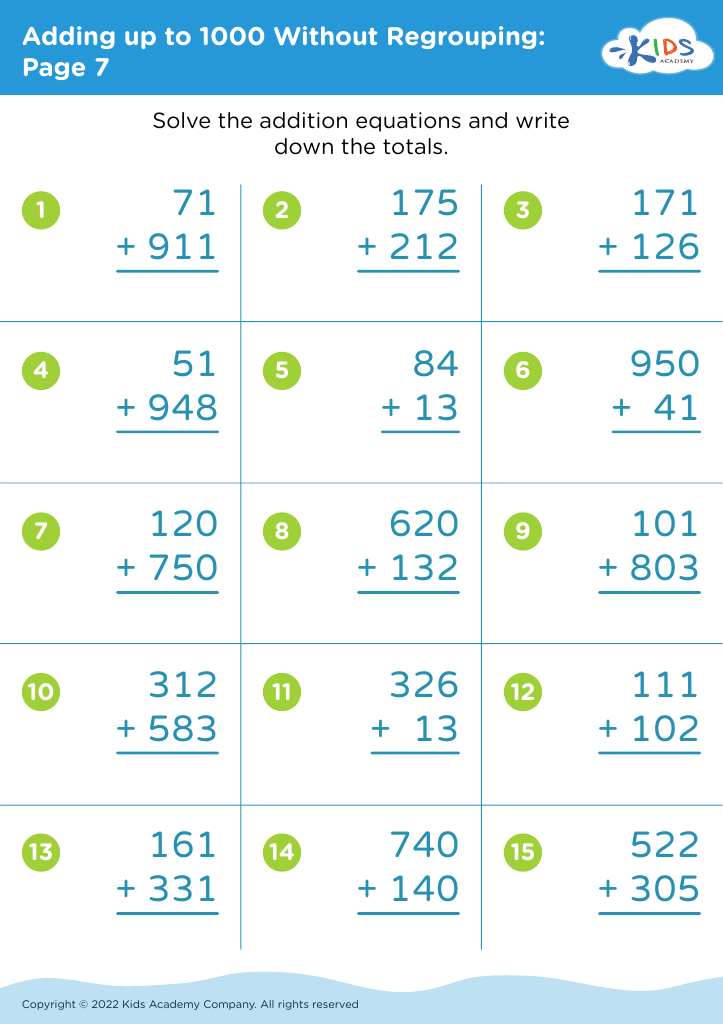
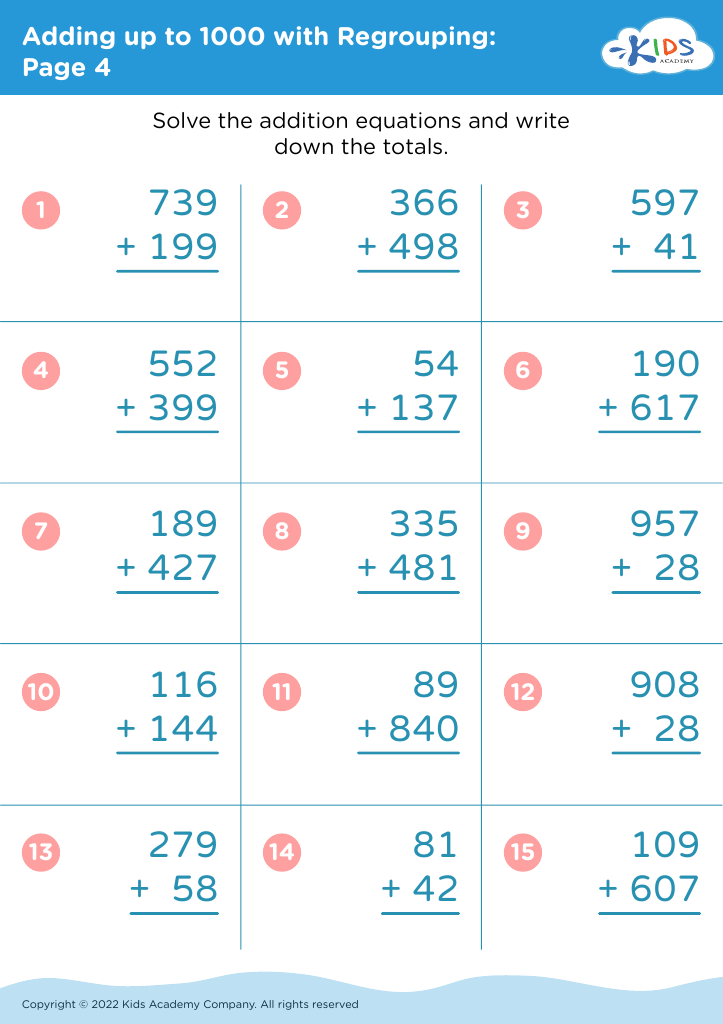
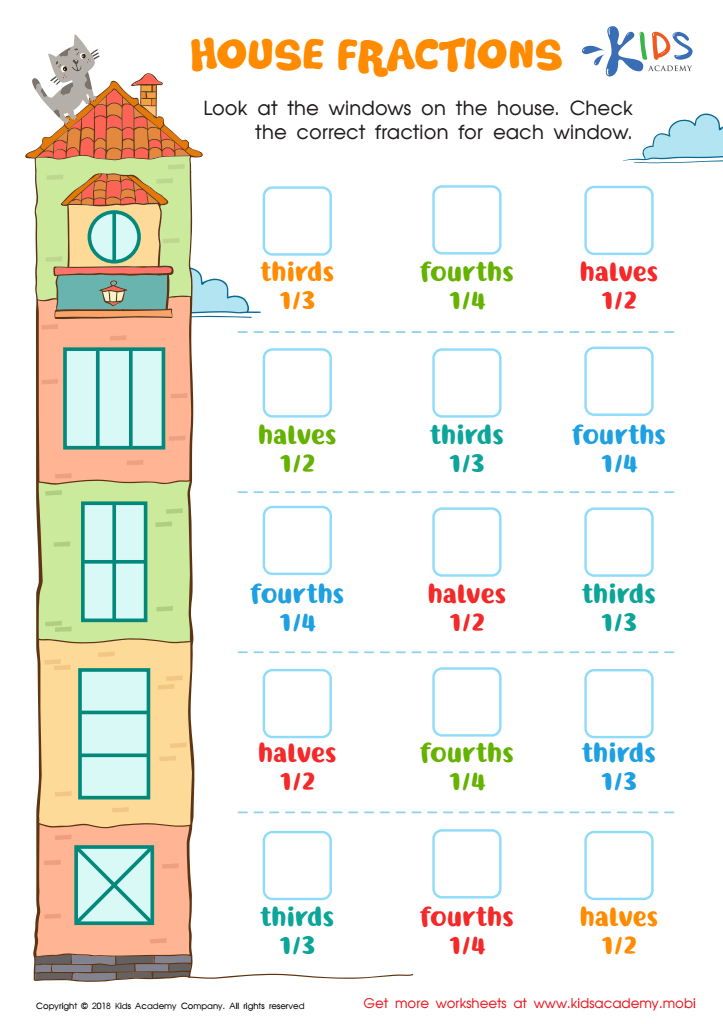
House Fractions Worksheet
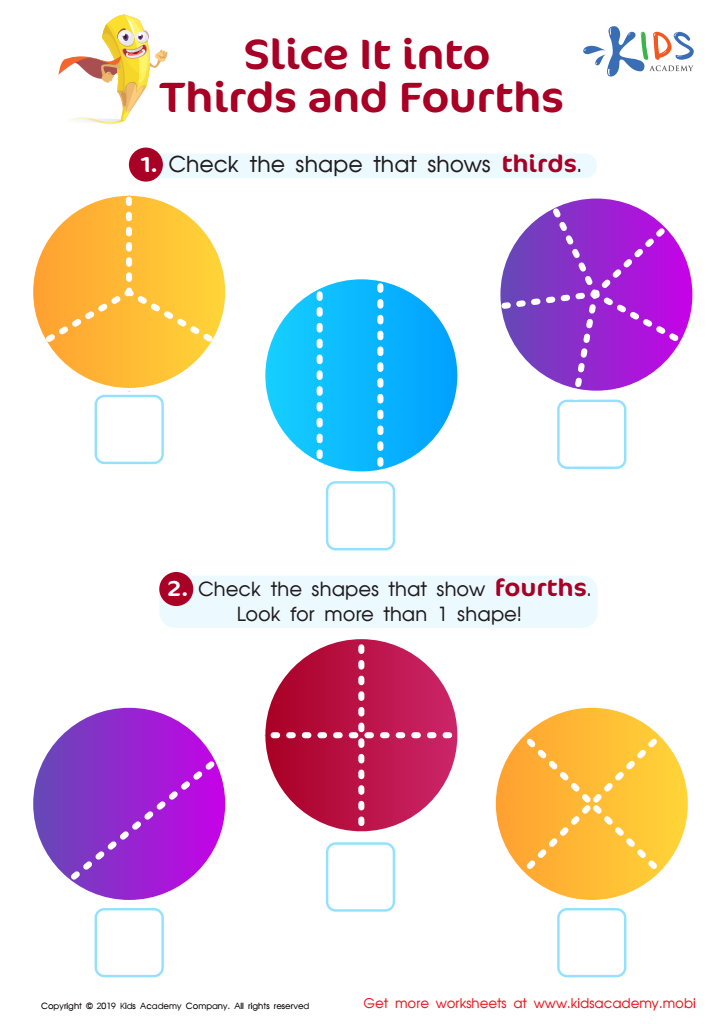
Slice in Thirds Fourths Worksheet






Understanding fraction comparison is crucial for children aged 7-8 as it lays the foundation for essential math skills and critical thinking. At this age, students are transitioning from concrete math concepts to more abstract reasoning. By mastering fraction comparison, they learn to assess size and value relationships between quantities, which is a fundamental element in developing numeracy.
Parents and teachers should care about this topic because it promotes not only mathematical proficiency but also problem-solving skills. For example, recognizing that 1/2 is greater than 1/4 fosters logical reasoning and helps build confidence in tackling more complex math concepts. Furthermore, comparisons form the basis for higher-order mathematical operations, such as addition and subtraction of fractions.
Moreover, fraction comparison connects to real-life applications. Children encounter fractions in cooking, sharing, and measuring, allowing them to relate math to everyday experiences. Supporting learners in this area ensures they build a strong foundation for future math tasks, including proportions, percentages, and algebra.
Ultimately, fostering an understanding of fraction comparison empowers young students, enhances their mathematical competency, and instills a love for learning—qualities vital for their academic journey ahead. By engaging with this subject, parents and teachers can inspire a positive attitude towards mathematics.








