Fraction simplification Worksheets for Ages 7-8
69 filtered results
-
From - To
Discover our engaging Fraction Simplification Worksheets, designed specifically for kids ages 7-8! These worksheets provide a fun and interactive way for young learners to master the concept of simplifying fractions. With colorful visuals and age-appropriate problems, students will develop essential math skills while building confidence in their abilities. Our collection includes various exercises, from basic fractions to more challenging scenarios, ensuring a comprehensive understanding of simplification techniques. Perfect for homeschooling or classroom use, these worksheets are an invaluable resource for enhancing math proficiency in a playful and enjoyable format. Start simplifying fractions with ease and watch your child's skills grow!
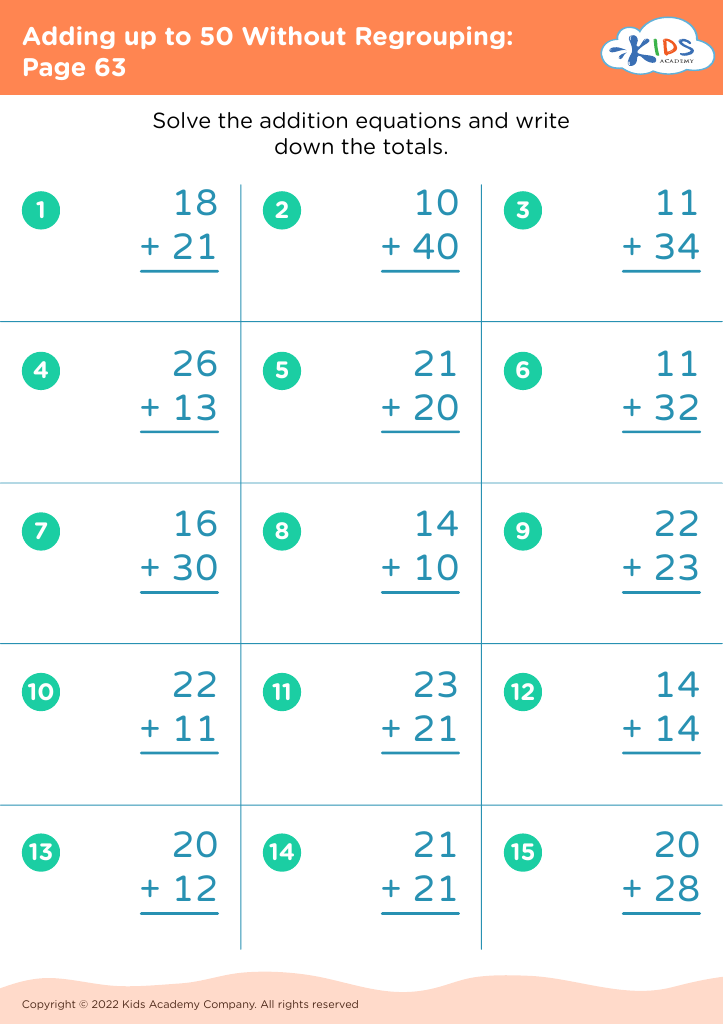
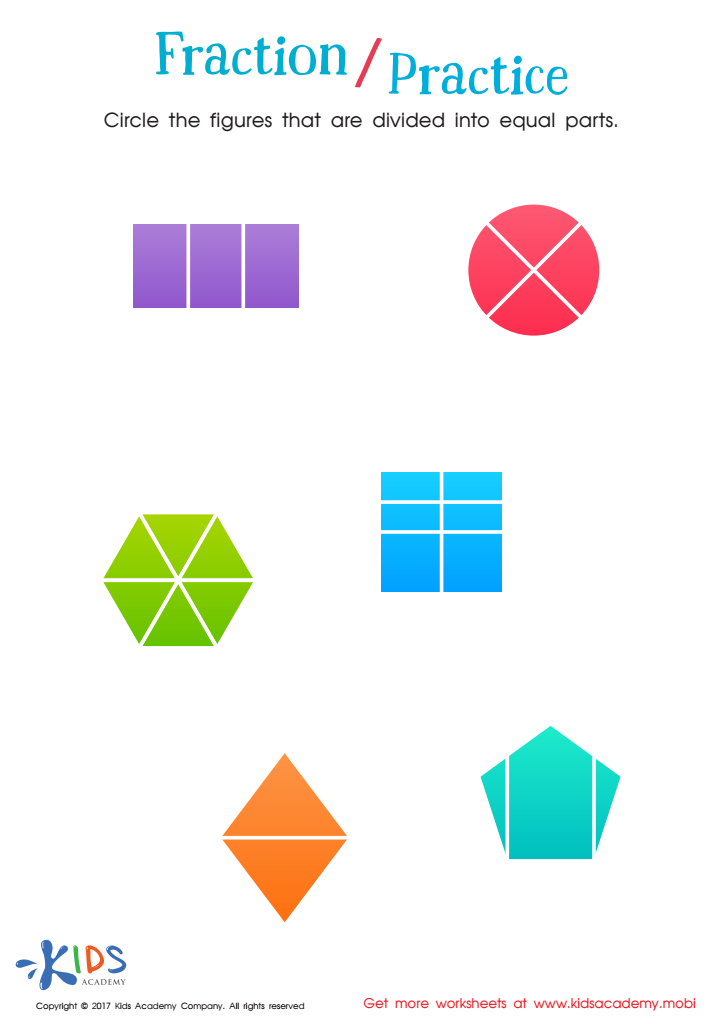
Fractions: Shapes Worksheet
 Assign to My Students
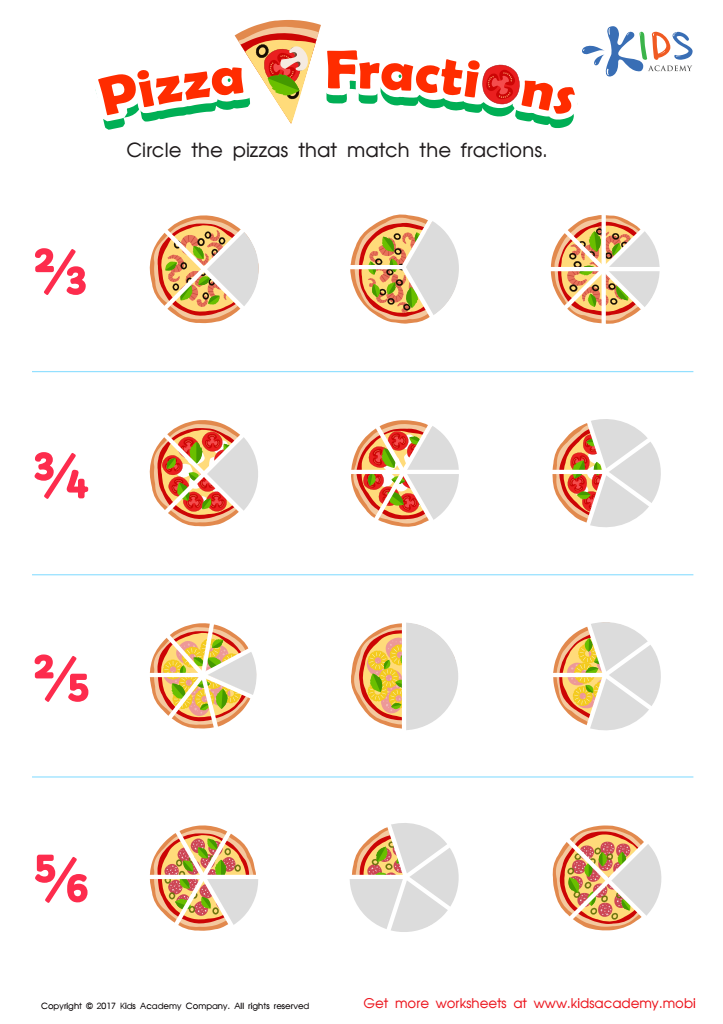
Fractions: Pizza Printable
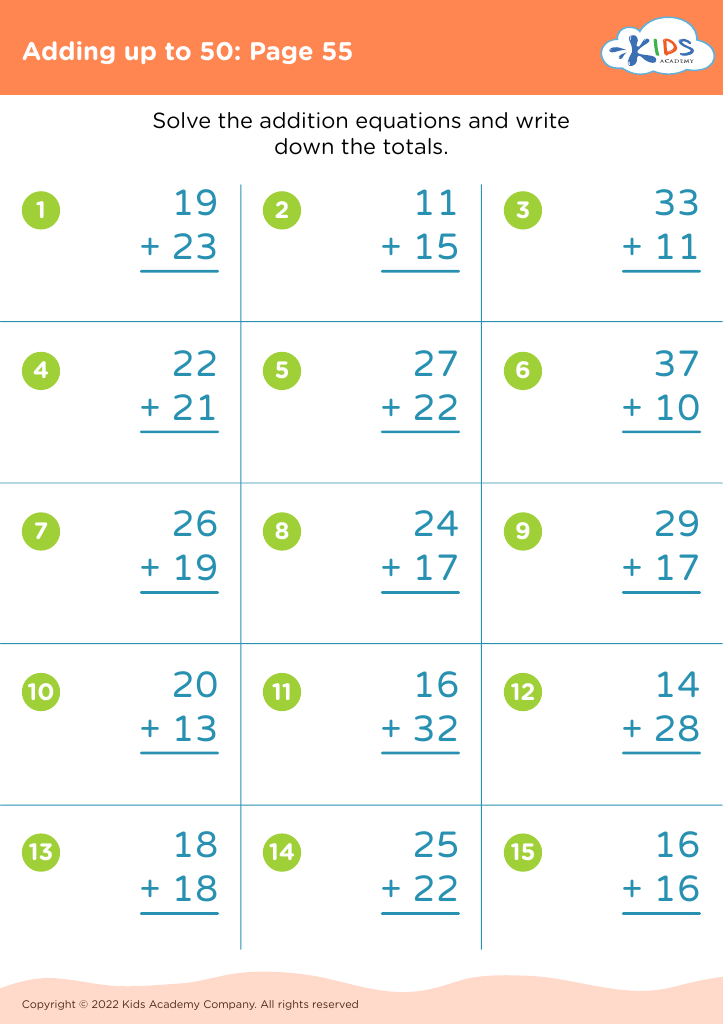
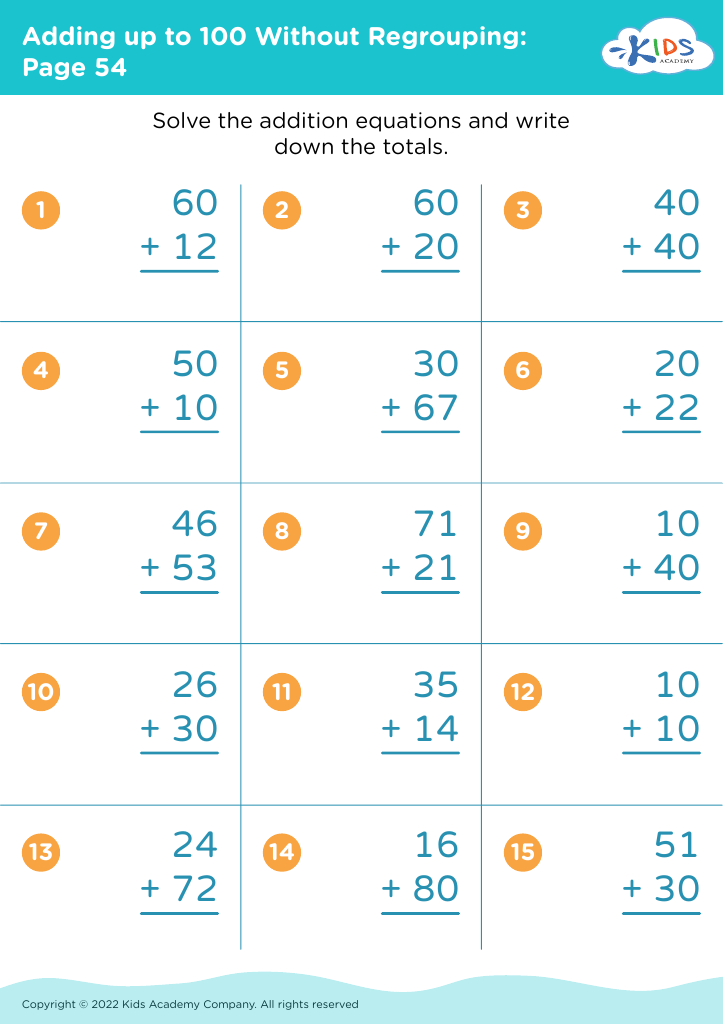
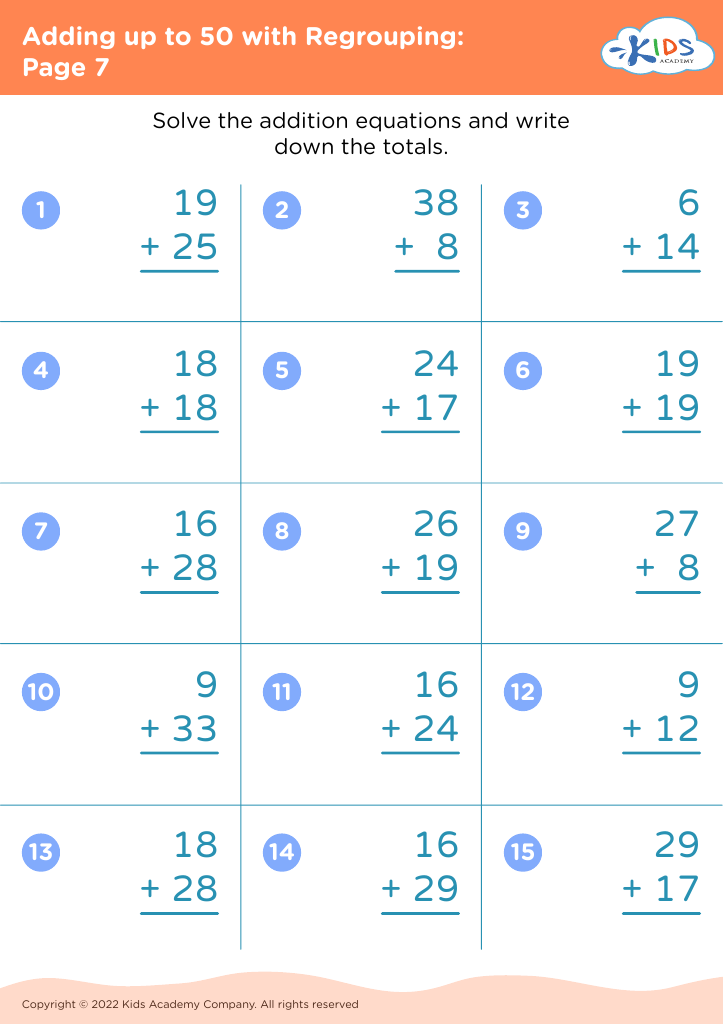







Parents and teachers should care about fraction simplification for children aged 7-8 because it lays the foundation for essential mathematical skills that are crucial in further education. At this age, children are beginning to develop their understanding of numbers and operations, and mastering fractions helps them grasp concepts of division and proportions, which they will encounter in more advanced topics later on.
Understanding fraction simplification allows children to recognize equivalent fractions, which enhances their ability to compare and operate with different fractions. This skill also nurtures problem-solving abilities, promoting critical thinking as they learn to break down problems into more manageable parts.
Additionally, fraction simplification plays a key role in real-life applications, from cooking to budgeting. Teaching students how to simplify fractions empowers them with practical skills they can use outside the classroom. Furthermore, it fosters a growth mindset by demonstrating that complex concepts can be tackled in a structured way through understanding and practice.
Ultimately, supporting children in mastering fraction simplification not only boosts their confidence in mathematics but also equips them with the necessary tools to thrive in their future academic pursuits and everyday decision-making. This foundational skill encourages a lifelong appreciation for mathematics.








