Enhance your child's geometric skills with our "Identifying Shapes Worksheets for Ages 7-8." Perfectly designed for 1st and 2nd graders, these engaging activities help kids recognize and differentiate various shapes, from basic circles and squares to more complex polygons. Featuring colorful visuals and fun exercises, these worksheets not only make learning enjoyable but also stimulate critical thinking and spatial awareness. Ideal for classroom use or at-home practice, our printable worksheets support core educational standards and foster a strong foundation in geometry. Equip your young learners with the tools they need to succeed in math and beyond!

Check out this FREE "Identifying shapes" Trial Lesson for age 7-8!

Counting Sides/ Angles 2D

Favorites
With answer key
Interactive
  • 7-8
  • Identifying shapes
Two Dimensional Shapes: Vertices

Two–Dimensional Shapes: Vertices Printable
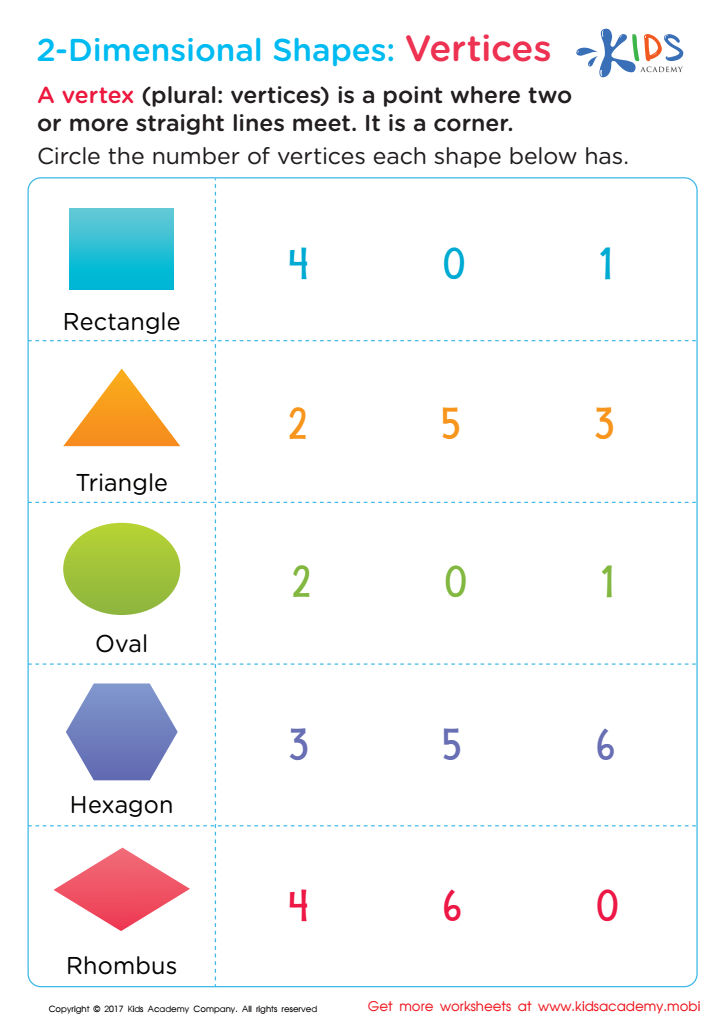
This colorful worksheet teaches kids geometry by introducing them to two-dimensional shapes and vertices. Kids can practice counting vertices and learn an important new math term in an easy to understand way. Boost your child's knowledge of geometry today!
Two–Dimensional Shapes: Vertices Printable
Worksheet
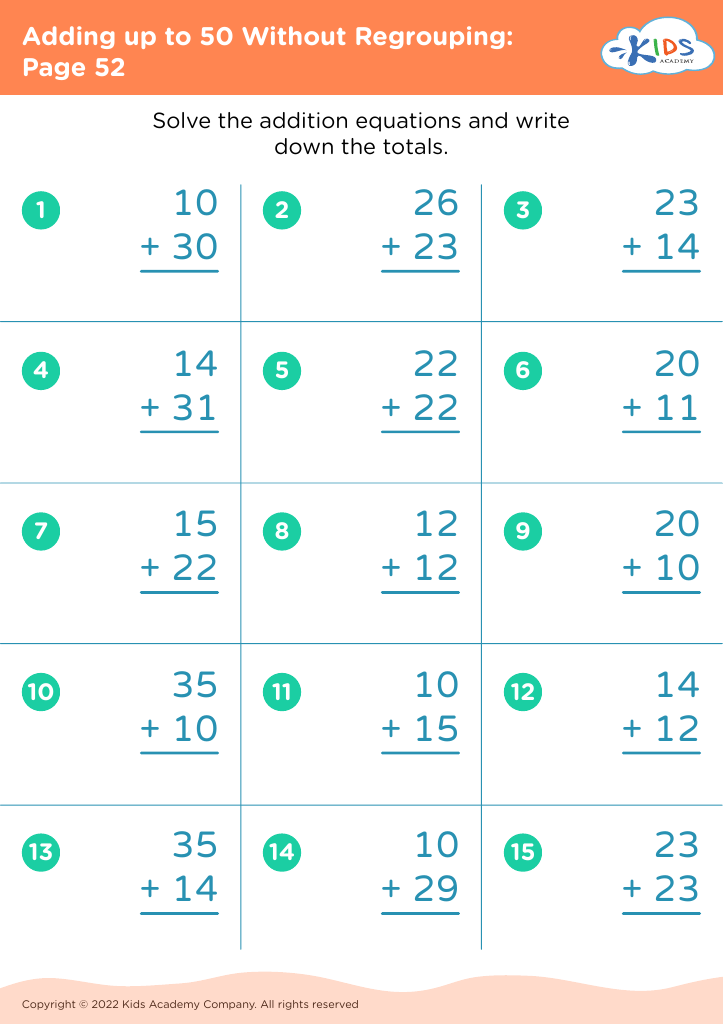
Adding up to 50 Without Regrouping: Page 52
Worksheet
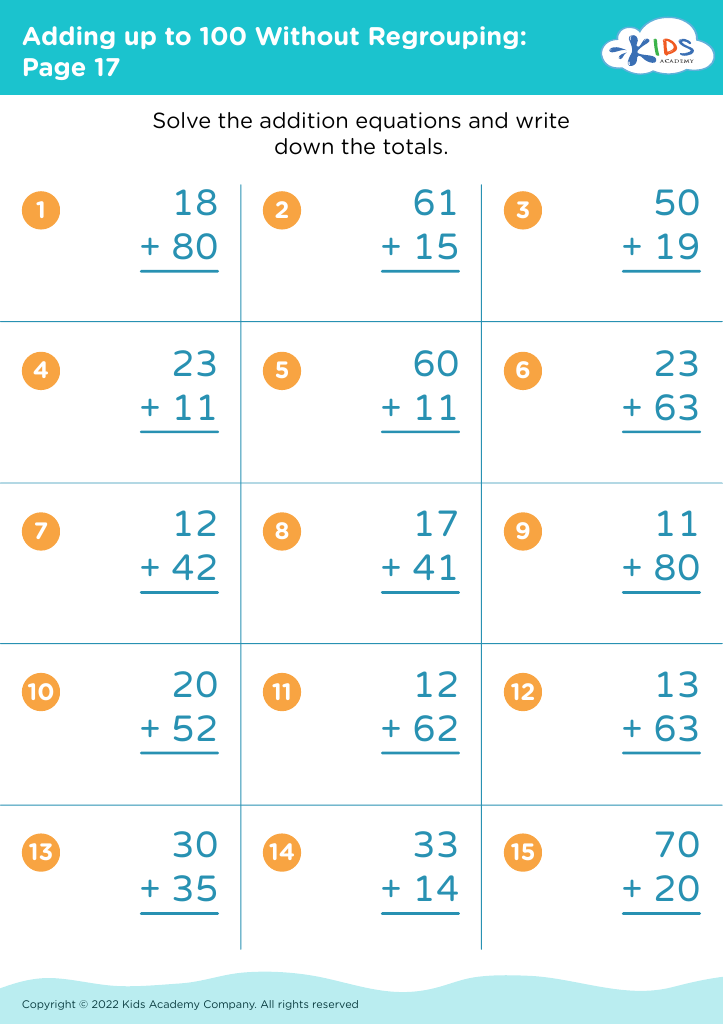
Adding up to 100 Without Regrouping: Page 17
Worksheet
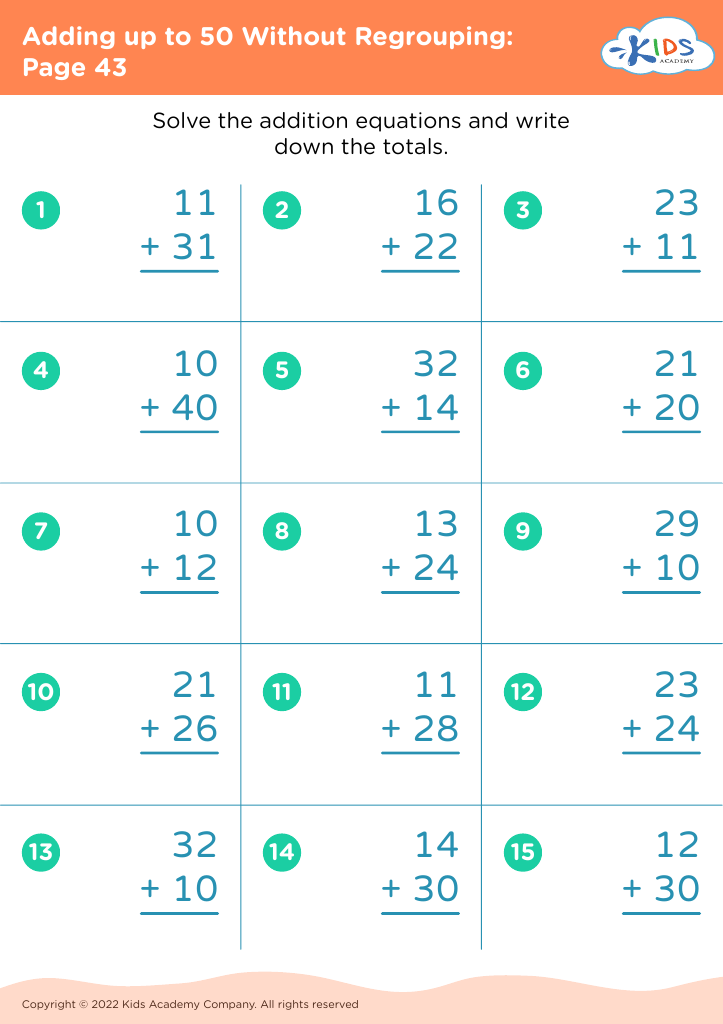
Adding up to 50 Without Regrouping: Page 43
Worksheet
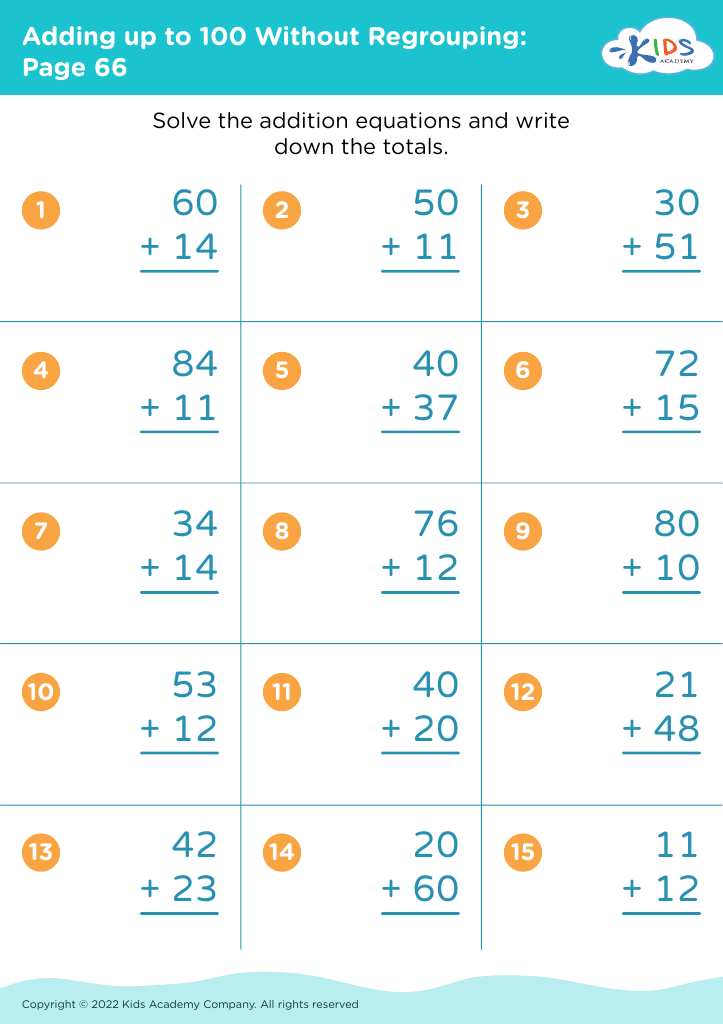
Adding up to 100 Without Regrouping: Page 66
Worksheet
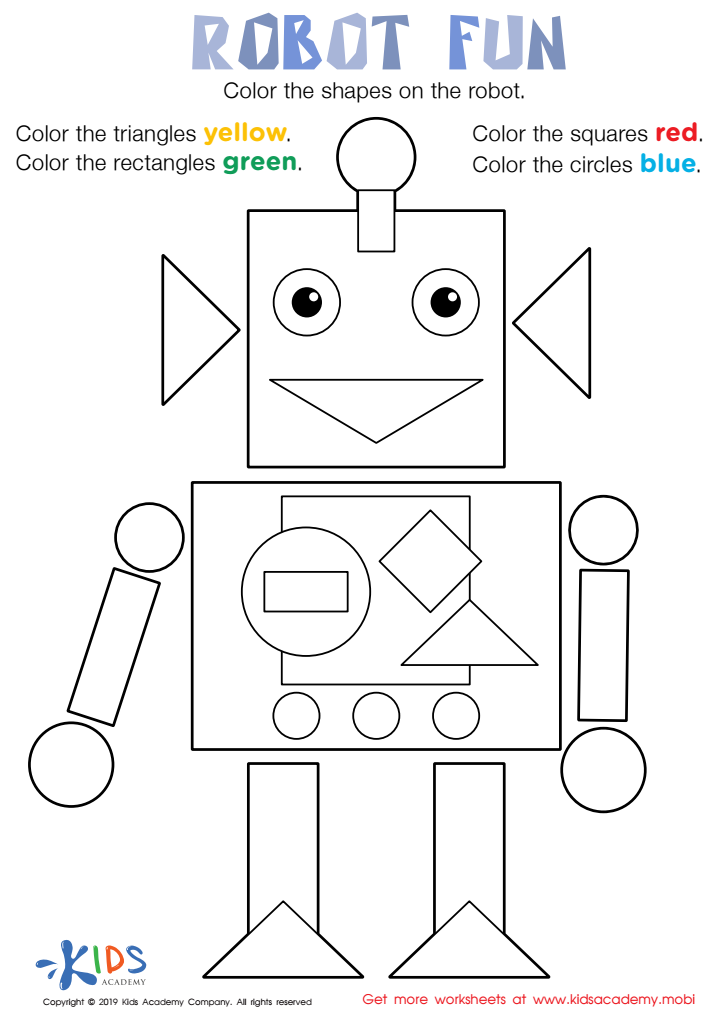
Robot Fun Worksheet
Robot Fun Worksheet

Robot Fun Worksheet

Help your child learn about basic shapes with this fun robot worksheet! Kids practice identifying circles, squares, rectangles and triangles, then color each shape according to directions. Make math practice enjoyable with this coloring page that teaches all four basic shapes - it's an important math skill!
Download (PDF)
Assign to My Students
Robot Fun Worksheet
Worksheet
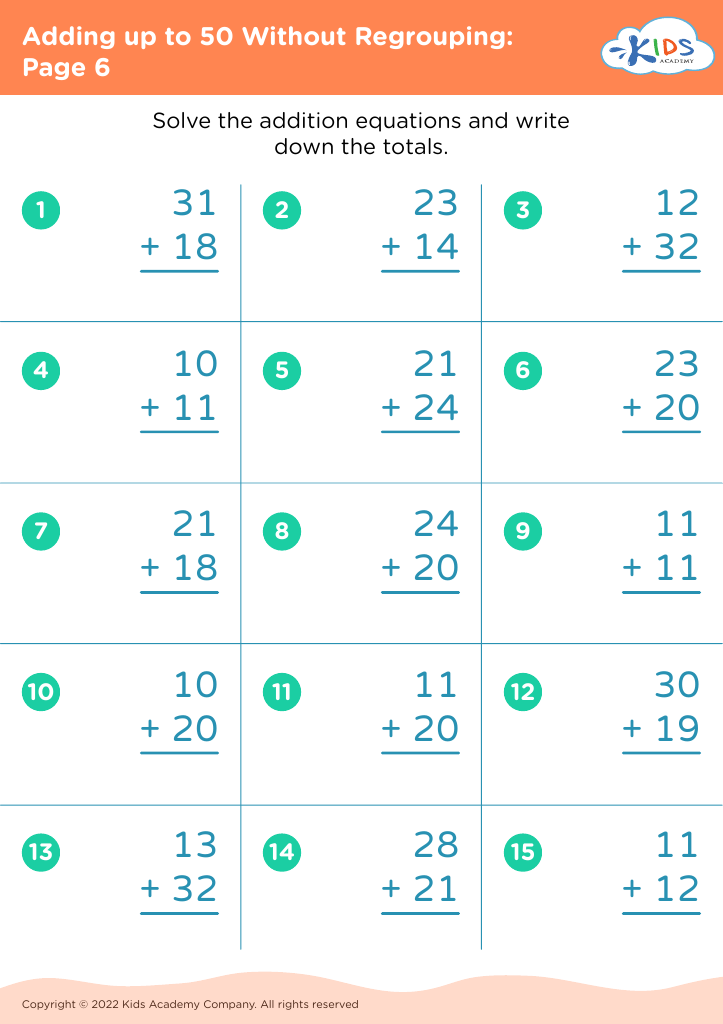
Adding up to 50 Without Regrouping: Page 6
Worksheet
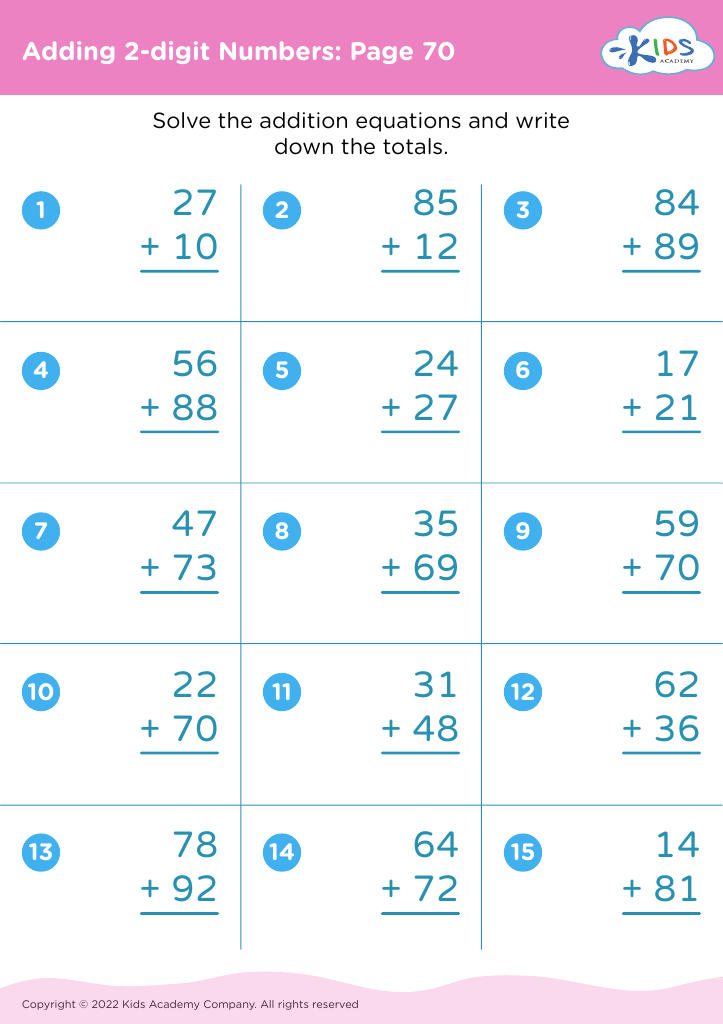
Adding 2-digit Numbers: Page 70

Adding 2-digit Numbers: Page 70

Adding 2-digit Numbers: Page 70
Worksheet
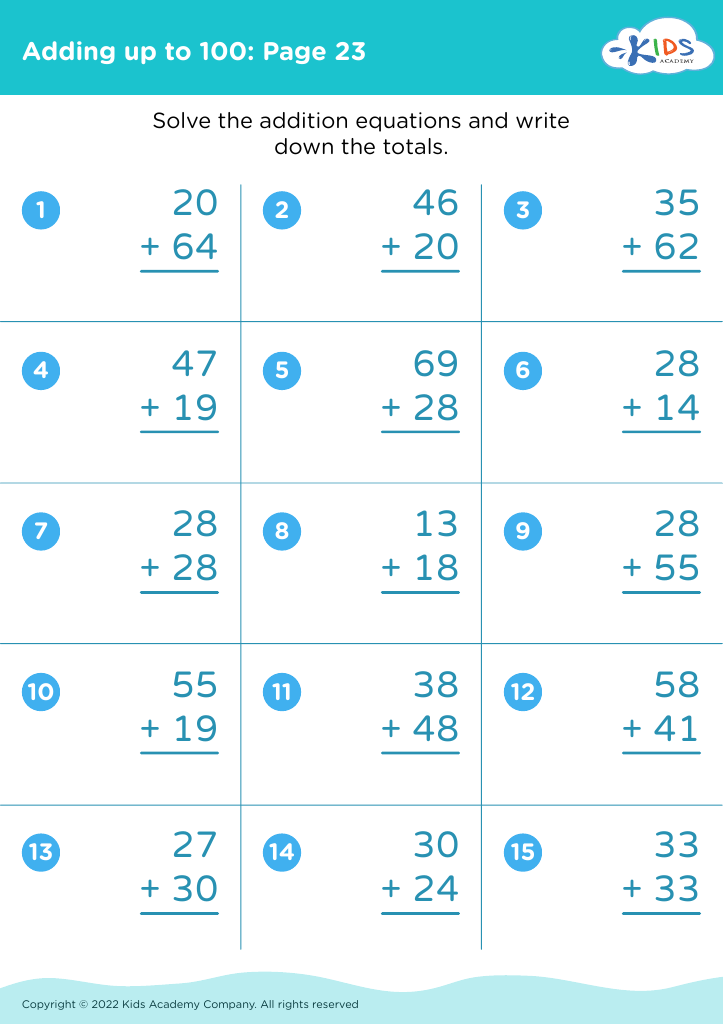
Adding up to 100: Page 23

Adding up to 100: Page 23

Adding up to 100: Page 23
Worksheet
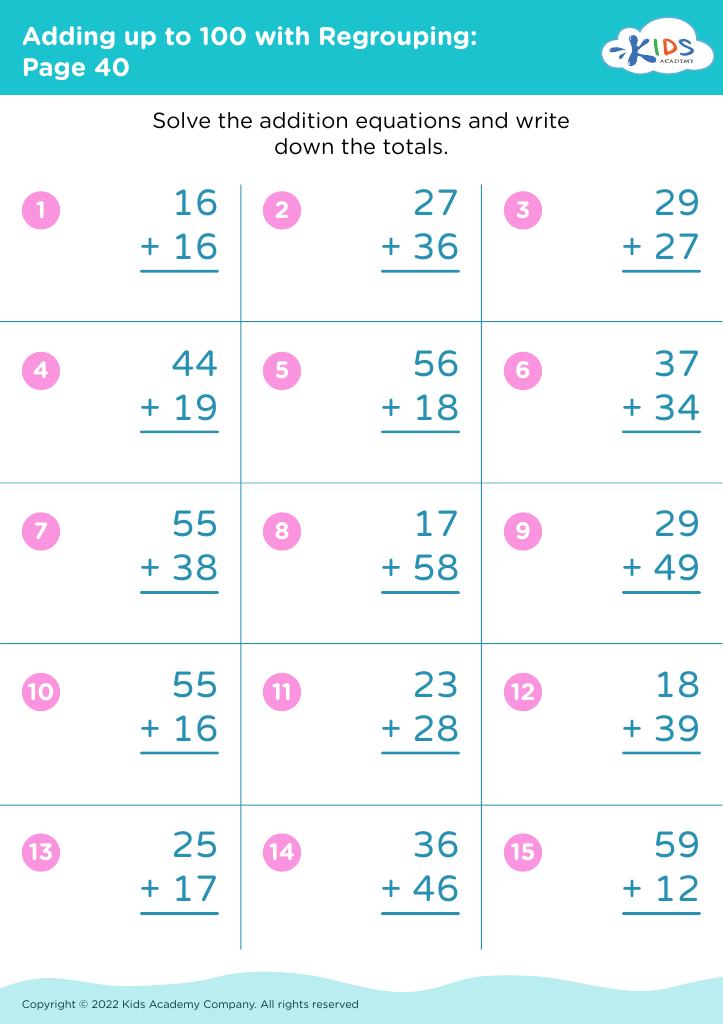
Adding up to 100 with Regrouping: Page 40
Worksheet
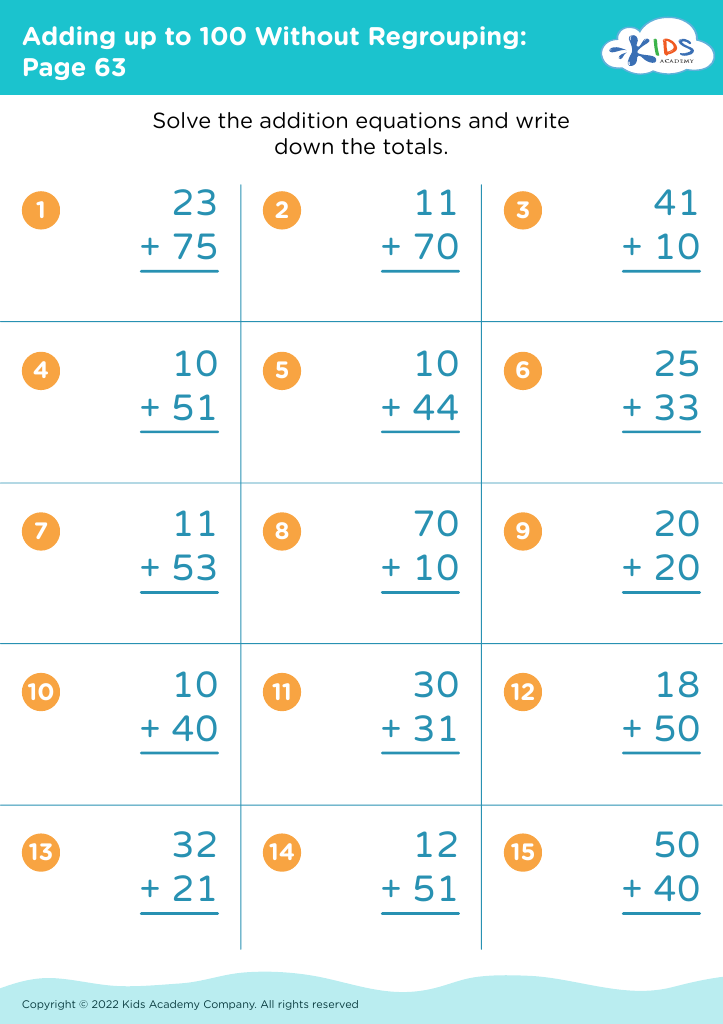
Adding up to 100 Without Regrouping: Page 63
Worksheet
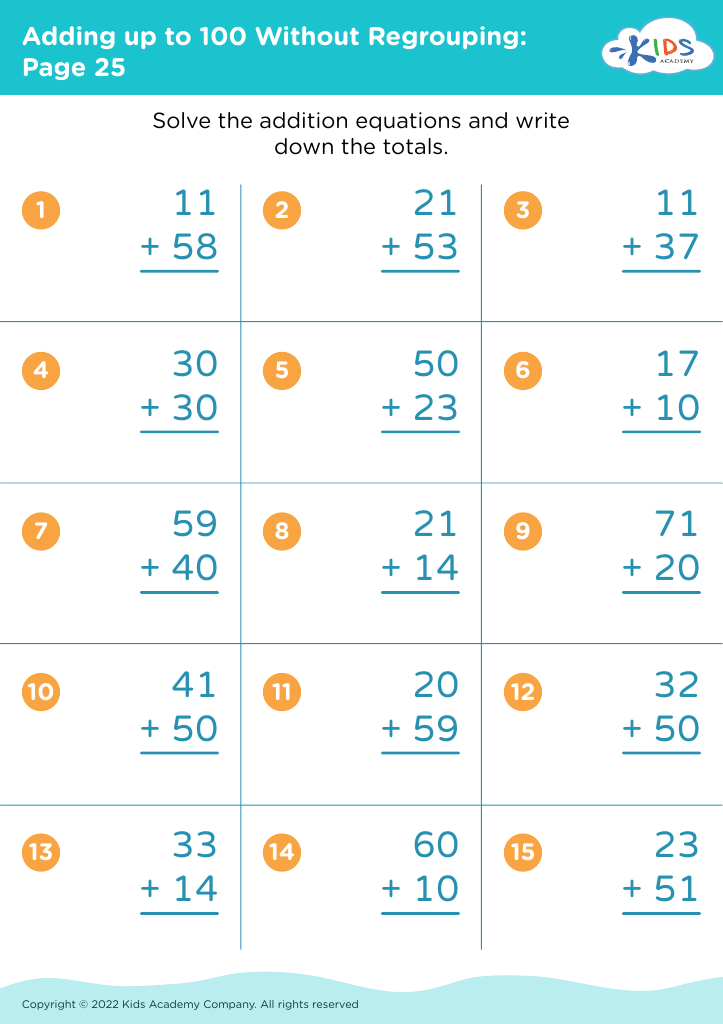
Adding up to 100 Without Regrouping: Page 25
Worksheet
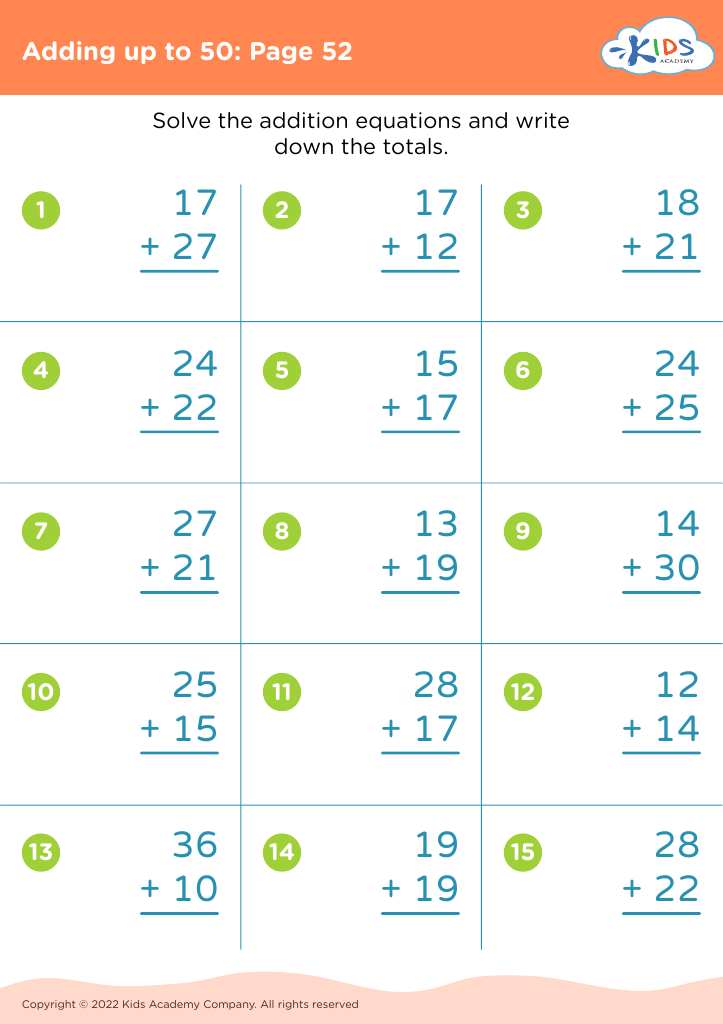
Adding up to 50: Page 52

Adding up to 50: Page 52

Adding up to 50: Page 52
Worksheet
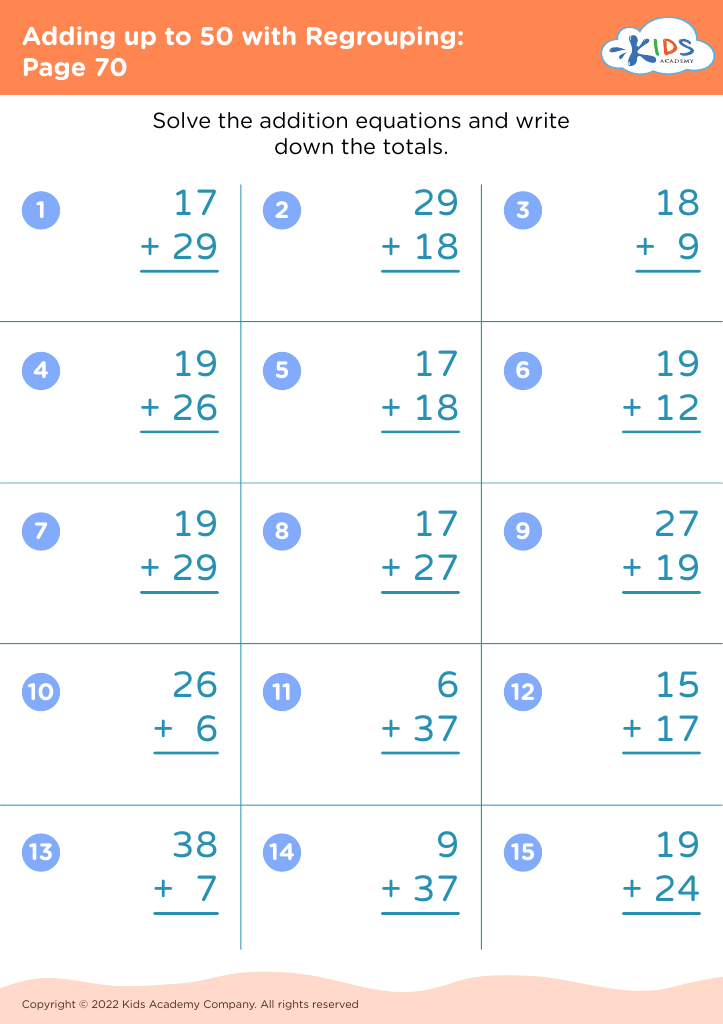
Adding up to 50 with Regrouping: Page 70
Worksheet
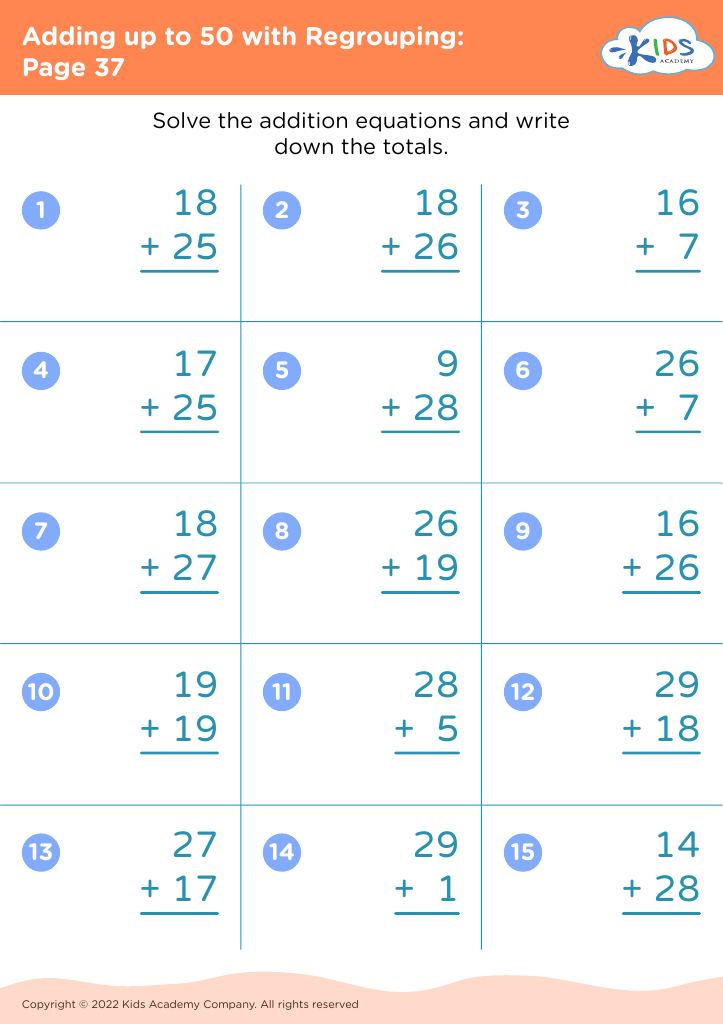
Adding up to 50 with Regrouping: Page 37
Worksheet
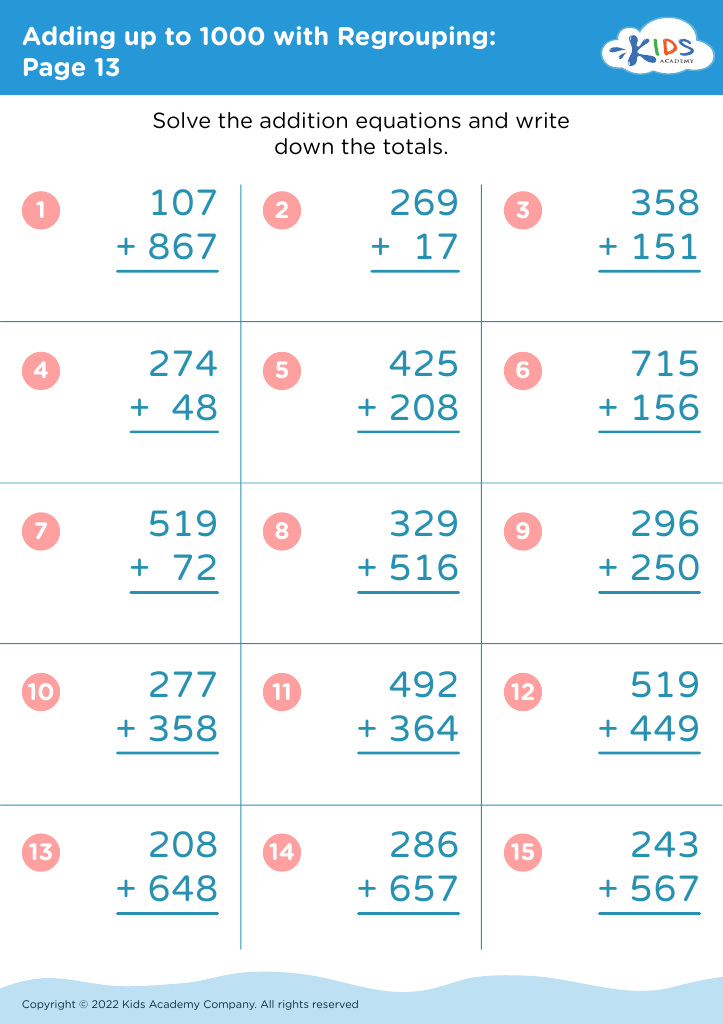
Adding up to 1000 with Regrouping: Page 13
Worksheet
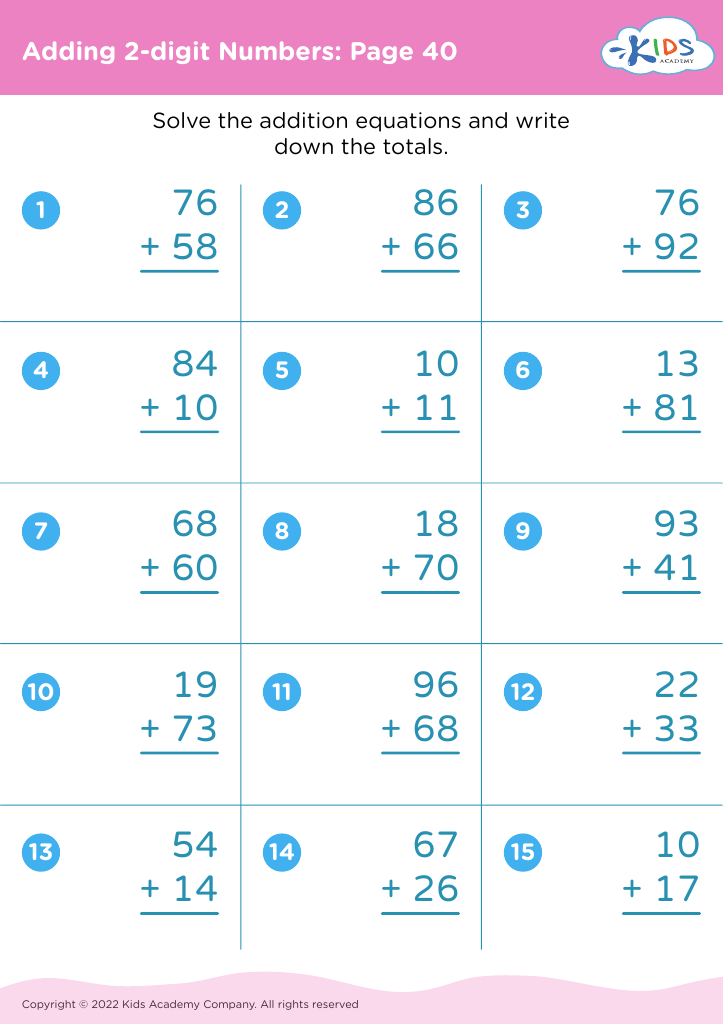
Adding 2-digit Numbers: Page 40

Adding 2-digit Numbers: Page 40

Adding 2-digit Numbers: Page 40
Worksheet
X Marks the Spot Worksheet
X Marks the Spot Worksheet
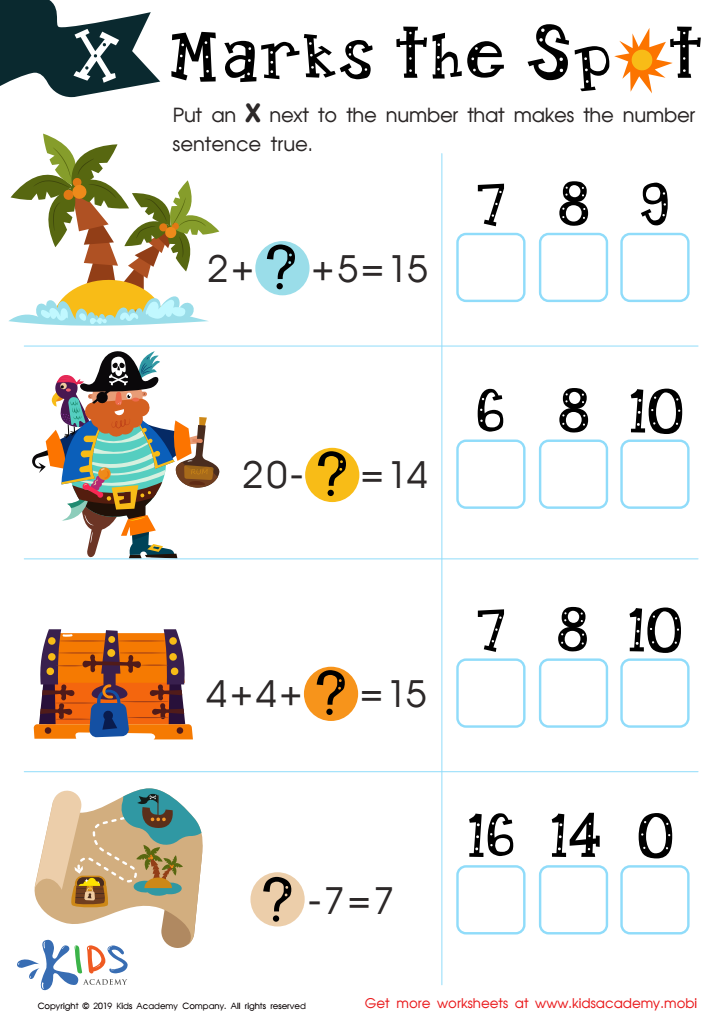
Let your kids explore the world of pirates! Ask them what they know about them, what they do and the phrases they like. Download the printout and point at the images, asking them to tell you what they see. Help them tick the box for the number that makes the sentence true. Let them have fun learning about pirates! (80 words)
X Marks the Spot Worksheet
Worksheet
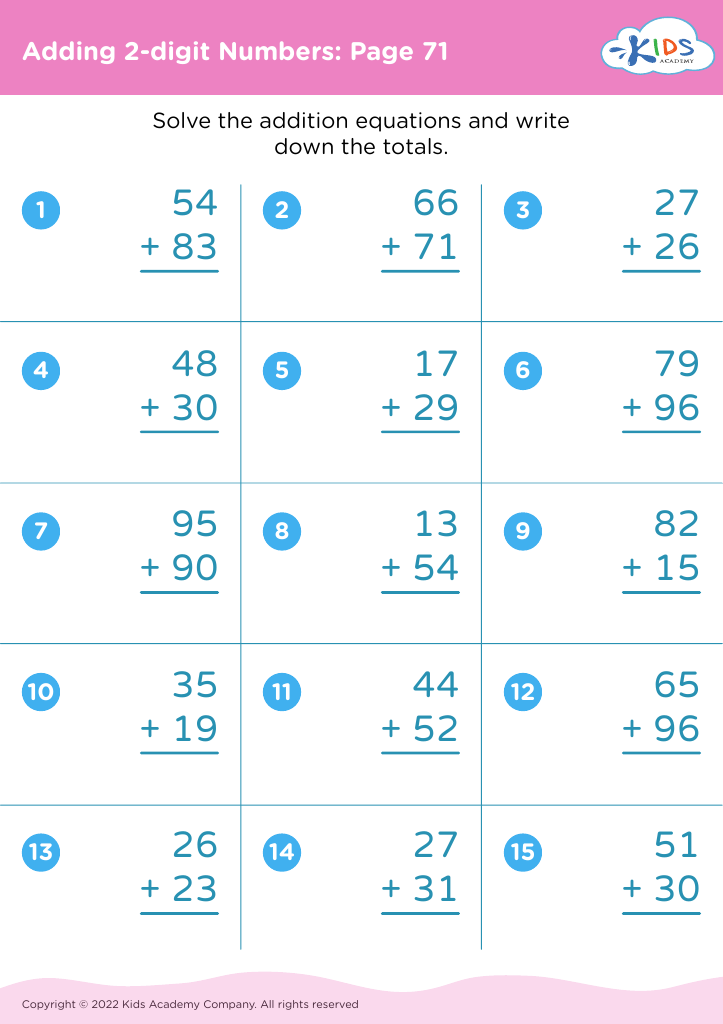
Adding 2-digit Numbers: Page 71

Adding 2-digit Numbers: Page 71

Adding 2-digit Numbers: Page 71
Worksheet
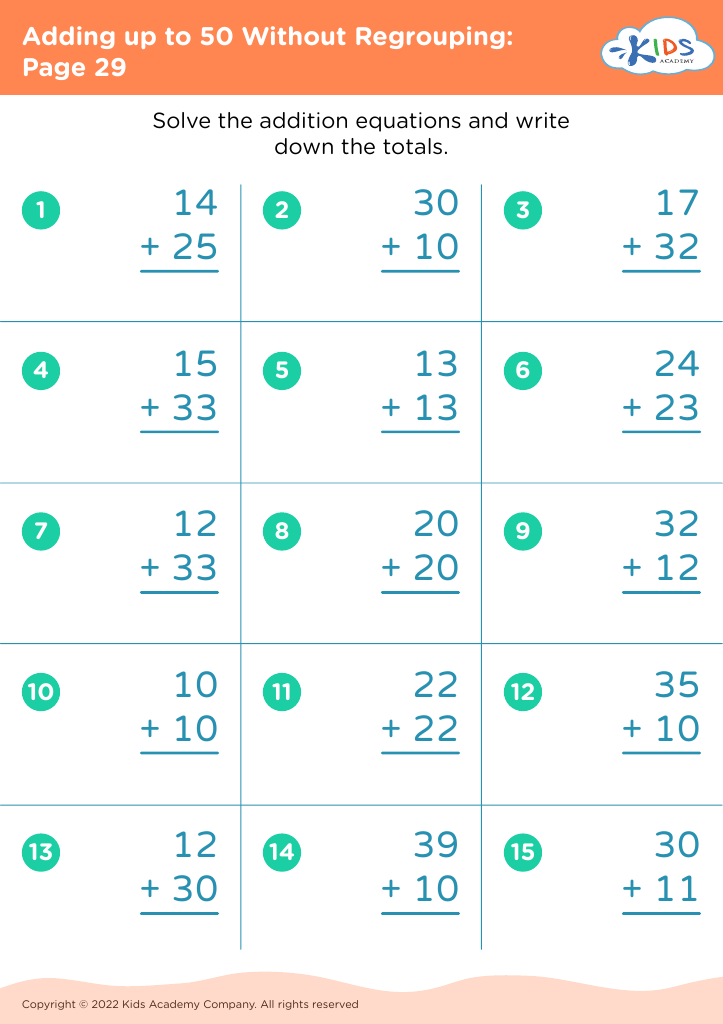
Adding up to 50 Without Regrouping: Page 29
Worksheet
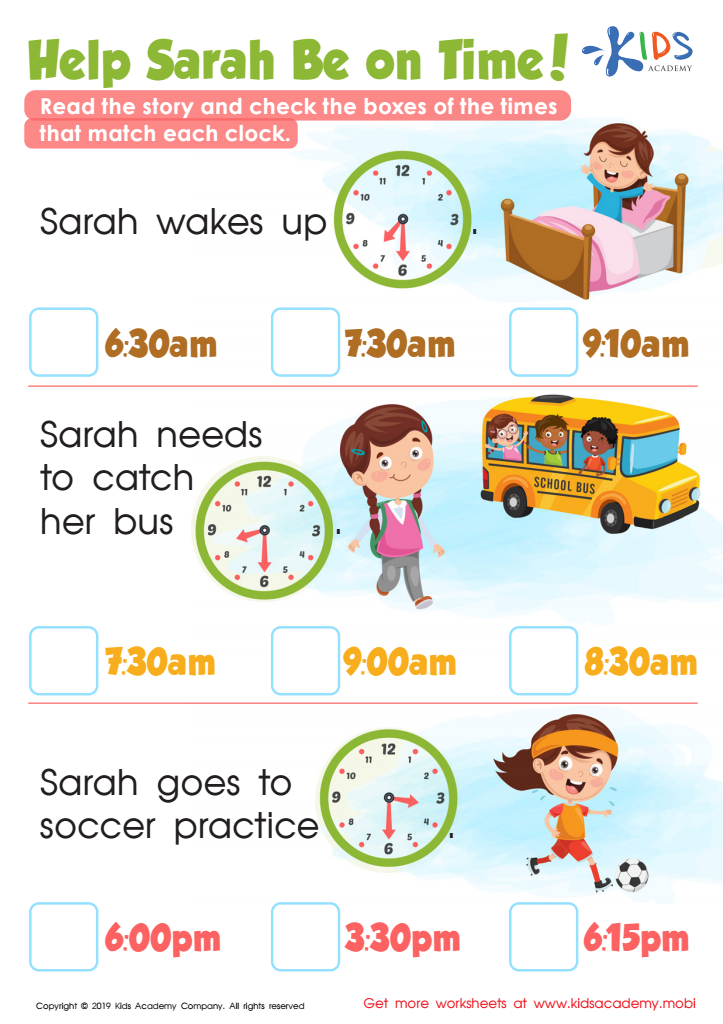
Help Sarah Be on Time! Worksheet
Help Sarah Be on Time! Worksheet
Humans are social creatures and need to be punctual for things to run smoothly. For instance, a meeting with a friend requires a time to be agreed upon. Ask your kids what else needs to be punctual. Then, show them the worksheet and read the accompanying story. Get them to match clocks with the correct times.
Help Sarah Be on Time! Worksheet

Worksheet
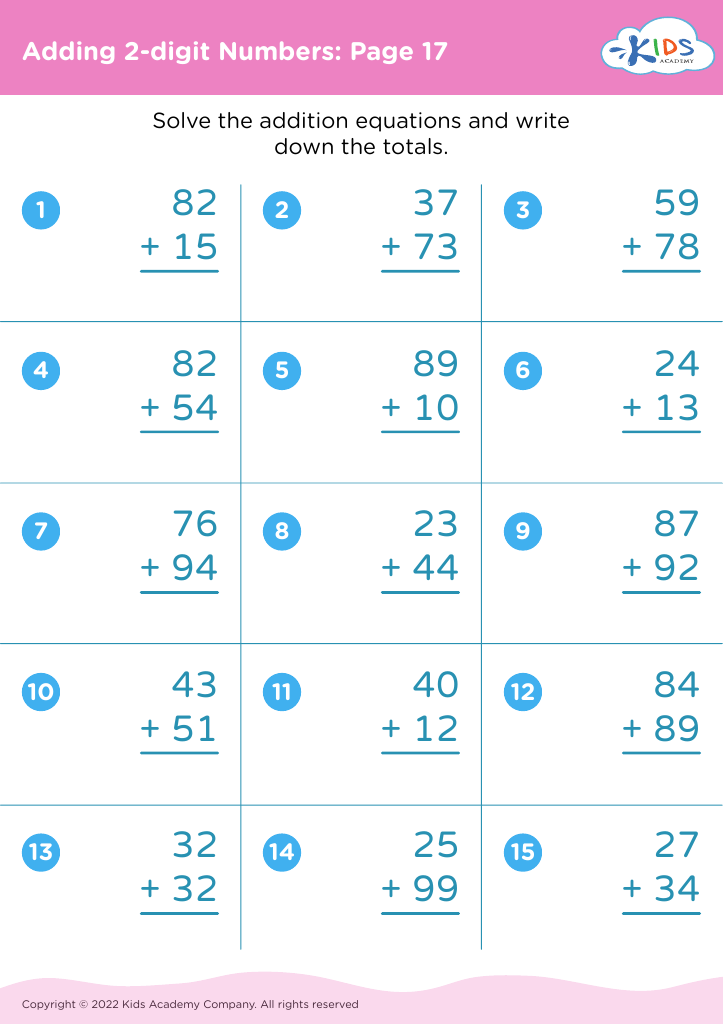
Adding 2-digit Numbers: Page 17

Adding 2-digit Numbers: Page 17

Adding 2-digit Numbers: Page 17
Worksheet
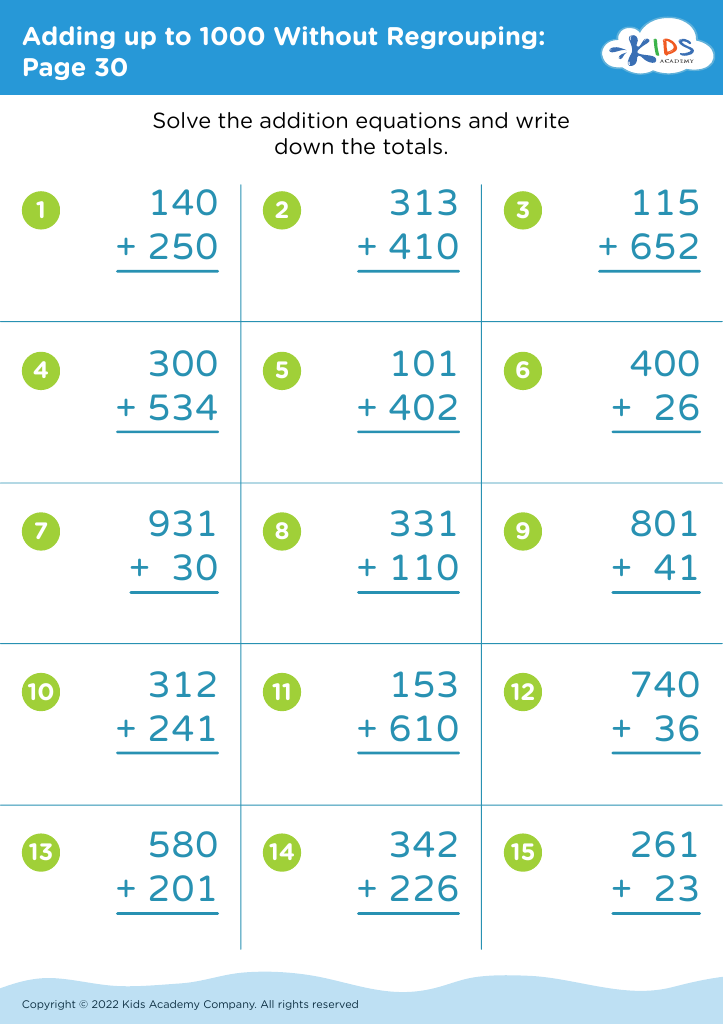
Adding up to 1000 Without Regrouping: Page 30
Worksheet
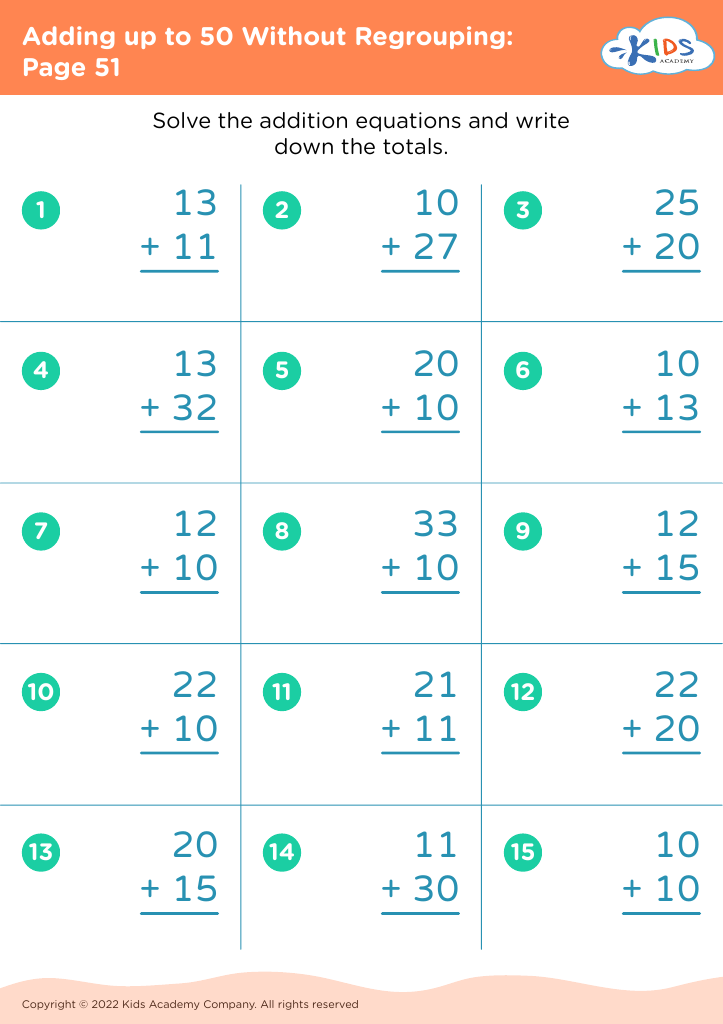
Adding up to 50 Without Regrouping: Page 51
Worksheet


Identifying shapes is crucial for children aged 7-8 because it forms the foundation of early mathematical learning and cognitive development. Recognizing and differentiating between shapes sharpens a child's spatial reasoning skills, which are essential for understanding more complex mathematical concepts in later years, such as geometry, symmetry, and fractions. By learning shapes, children also enhance their problem-solving abilities and critical thinking, as they begin to categorize and organize visual information more efficiently.

Moreover, identifying shapes helps improve fine motor skills through activities such as drawing, cutting, and tracing shapes, which are vital for overall hand-eye coordination. Recognizing shapes in everyday objects also enriches a child's vocabulary and language skills, as they learn to describe and articulate their observations.

Shapes play a significant role in early literacy, too. Letters and numbers themselves are made up of different shapes. Understanding the components of these symbols can aid children in reading and writing more effectively.

Engagement with shapes can be fun and interactive, using games, puzzles, and art activities, fostering a love for learning. Therefore, parents and teachers should prioritize shape recognition as an integral part of a child's early education to build a robust academic and developmental foundation.