
Improving reading skills Worksheets for Ages 7-8
12 filtered results
Difficulty Level
Grade
Age
-
From - To
Subject
Activity
Standards
Enhance your child's reading abilities with our engaging "Improving Reading Skills Worksheets" designed specifically for ages 7-8. These worksheets offer a variety of fun and interactive activities aimed at boosting comprehension, vocabulary, and critical thinking. Tailored to meet the developmental needs of young learners, each worksheet is designed to capture their interest and facilitate learning in a playful way. Parents and educators can easily access these resources to support reading practice at home or in the classroom. Help your child develop a love for reading while building essential skills that lay the foundation for future academic success!
Favorites
With answer key
Interactive
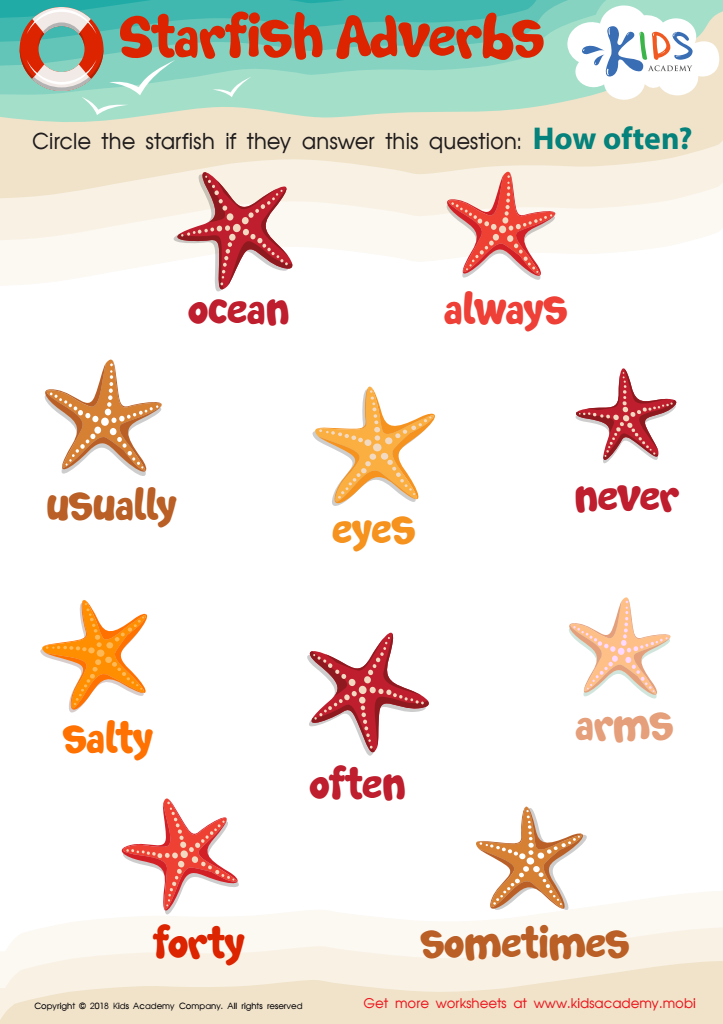
Starfish Adverbs Worksheet
Students will gain exposure to new words and parts of speech as they learn more. After nouns and verbs, adverbs are next. Ask students to give examples, like ‘quickly’ and ‘heavily’. Finally, help them circle the starfish that answer the question 'how often?' on the worksheet.
Starfish Adverbs Worksheet
Worksheet
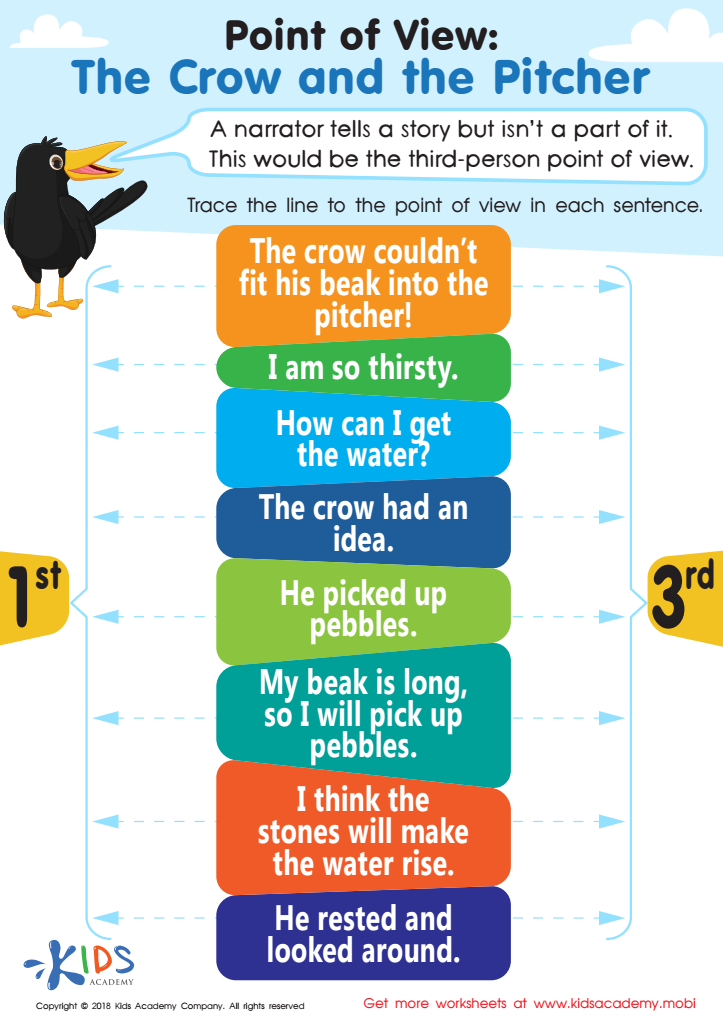
Point of View: The Crow and the Pitcher Worksheet
Help your child learn 1st and 3rd person point of view with our free downloadable worksheet! Using the fable The Crow and the Pitcher, learners read the sentences in each colorful box, then determine which ones are written in 1st or 3rd person. Trace a line from each box to its answer and complete!
Point of View: The Crow and the Pitcher Worksheet
Worksheet
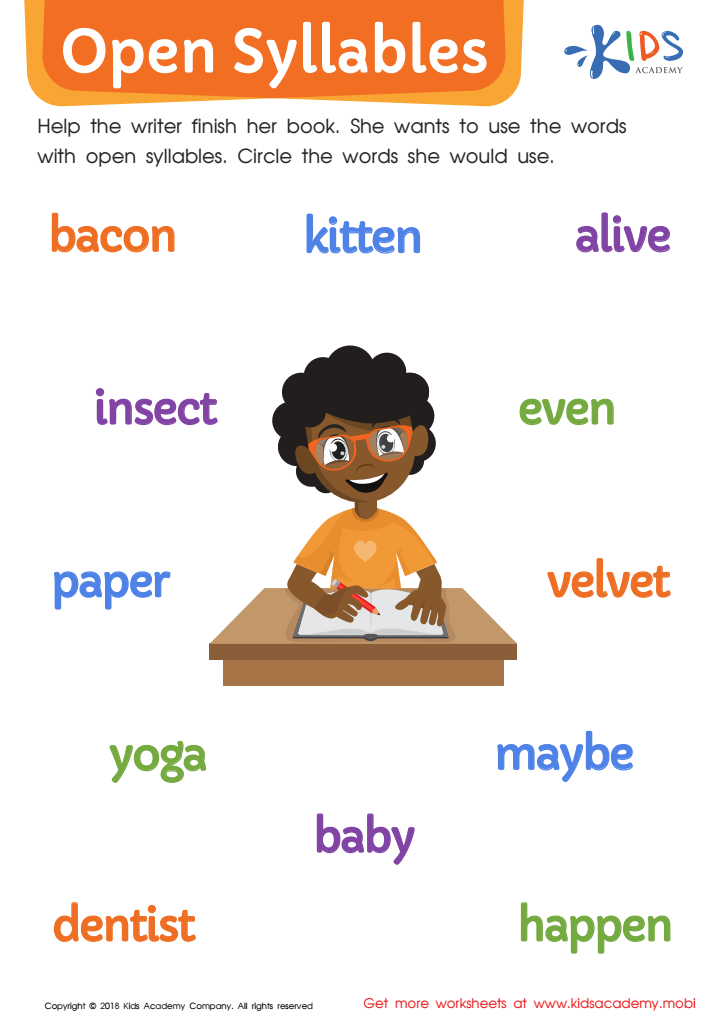
Open Syllables Worksheet
Before beginning this worksheet, make sure your child knows what open syllables are. If not, take time to teach them with examples. Then, help the writer finish her book by circling words with open syllables. She needs your child's help!
Open Syllables Worksheet
Worksheet
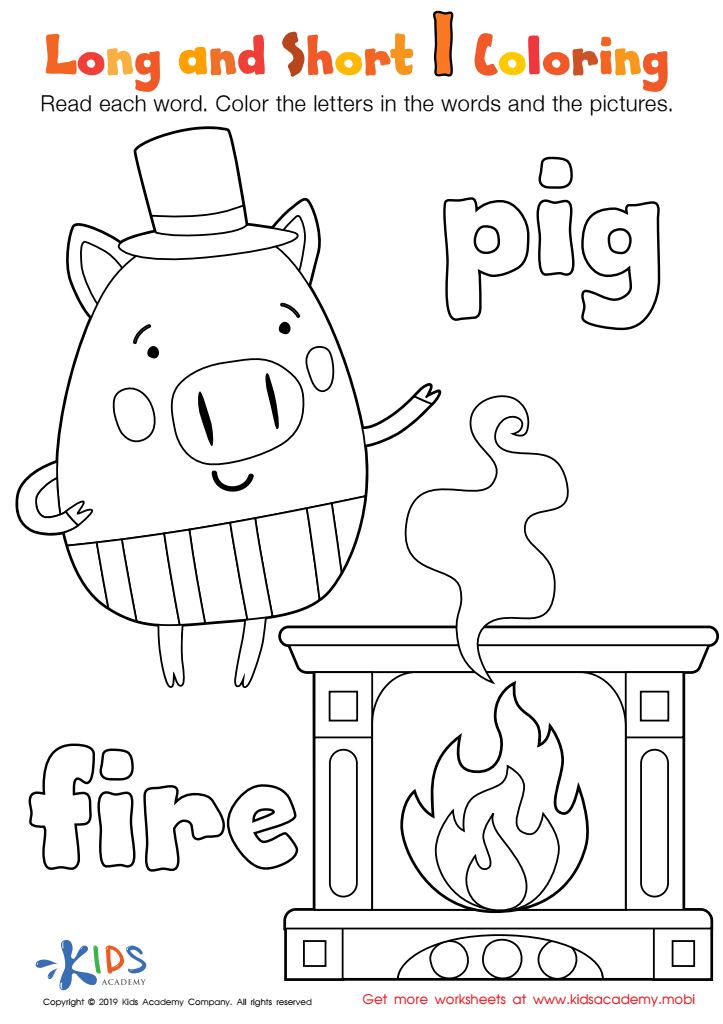
Long and Short I Worksheet
Print the worksheet and have the students read "pig" and "fire". Check for understanding the difference between long and short vowels. Color in words and pictures to make learning phonics fun! This exercise is perfect for introducing the topic to your students.
Download (PDF)
 Assign to My Students
Assign to My Students
Long and Short I Worksheet
Worksheet
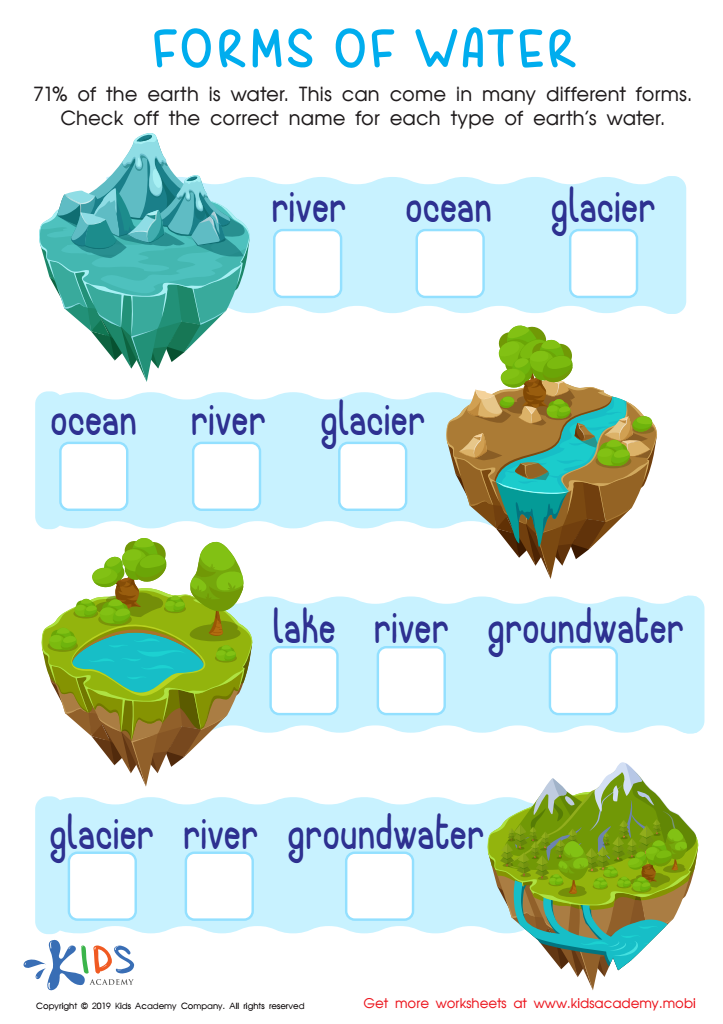
Forms of Water Worksheet
Life on Earth needs water to survive. Luckily, water makes up 75% of the Earth's surface and comes in various forms such as rivers, oceans and lakes. Ask your kids to name other forms and use this worksheet to help them identify each type.
Forms of Water Worksheet
Worksheet
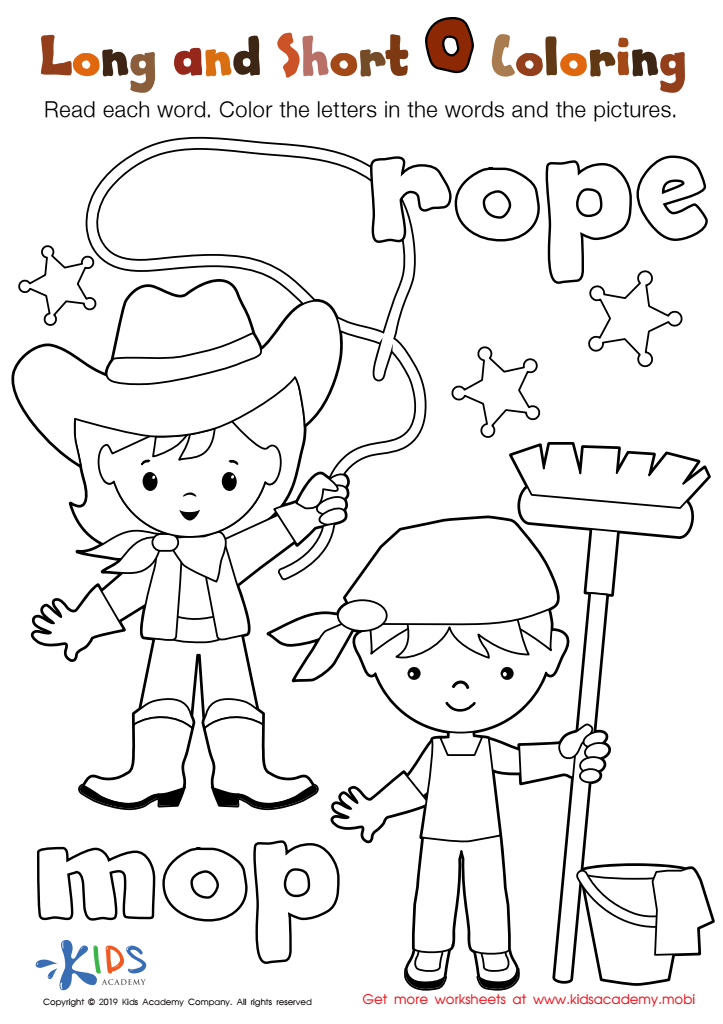
Long and Short O Worksheet
Help your students recognize the difference between long and short «Os» with this fun printout. Let them read and color-in "rope" and "mop" simultaneously. Listen to the different sounds, then color the words and pictures. Great for classes, it'll make your phonics lesson memorable and enjoyable.
Download (PDF)
Assign to My Students
Assign to My Students
Long and Short O Worksheet
Worksheet
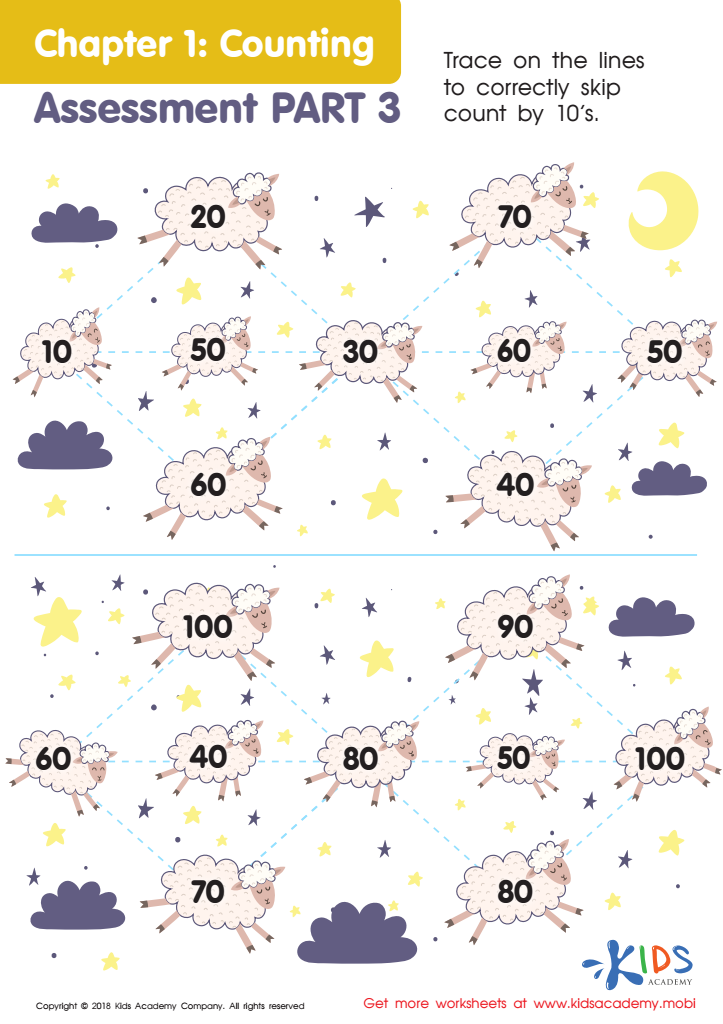
Counting: Assessment 3 Worksheet
This worksheet is great for assessing your child's counting skills. It's a bit more challenging than the usual 'count to fifty' exercises. Have them trace the lines and skip count by 10's to help them learn counting in tens.
Counting: Assessment 3 Worksheet
Worksheet
Join Kids Academy for Free
Who is primarily going to use this learning content?








Parents and teachers should prioritize improving reading skills for children aged 7 to 8 because this stage is critical for their cognitive and emotional development. At this age, children transition from learning to read to reading to learn, making literacy foundational for future academic success. Strong reading skills enhance comprehension, enabling children to absorb information across all subjects effectively.
Moreover, reading fosters imagination and creativity, helping children develop their emotional intelligence. It allows them to empathize with characters and situations, broadening their worldview. Increased reading proficiency also boosts self-esteem and confidence, encouraging a positive attitude towards learning and challenging tasks.
Furthermore, early literacy is closely linked to long-term educational outcomes. Children who struggle with reading in these early years often face continuous challenges, which can affect their overall performance in school. By investing time and resources in improving reading skills now, parents and teachers can promote a love for reading, set the groundwork for lifelong learning, and empower children to navigate their educational journeys smoothly.
Ultimately, fostering reading skills at this age not only supports academic growth but also helps cultivate a sense of curiosity and a love for literature, benefiting children throughout their lives.








