Phonics practice Worksheets for Ages 7-8
14 filtered results
-
From - To
Discover engaging phonics practice worksheets tailored for children ages 7-8! Our comprehensive collection helps young learners enhance their reading skills through fun exercises focused on phoneme recognition, blending sounds, and decoding words. Designed by educators, these worksheets combine vibrant visuals and interactive activities, making phonics practice enjoyable and effective. Whether in the classroom or at home, children will build confidence in their reading abilities while mastering essential phonics concepts. Perfect for reinforcing classroom learning or providing extra practice, our worksheets cater to various learning styles and abilities. Explore our resources today and support your child's journey to literacy success!
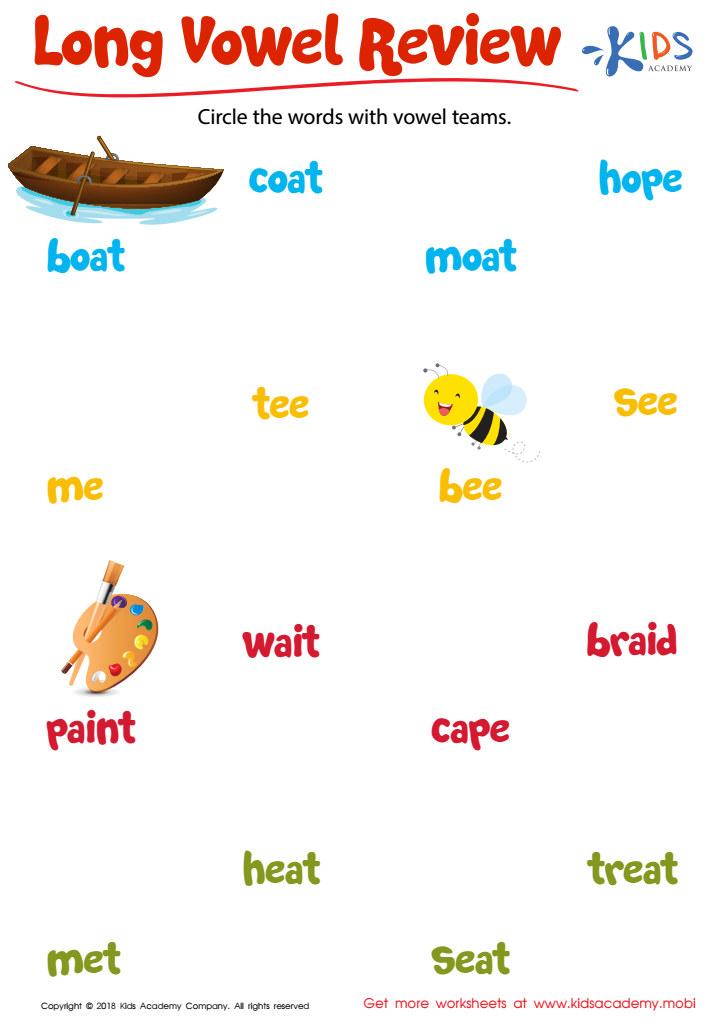
Long Vowel Review Worksheet
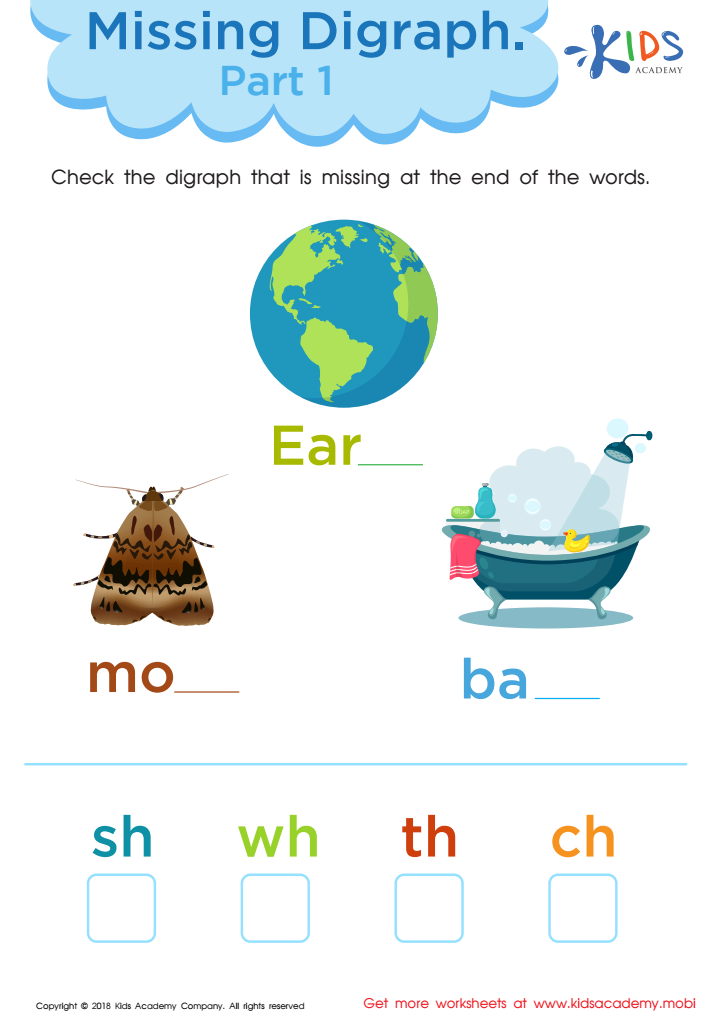
Missing Digraph: Part 1 Worksheet
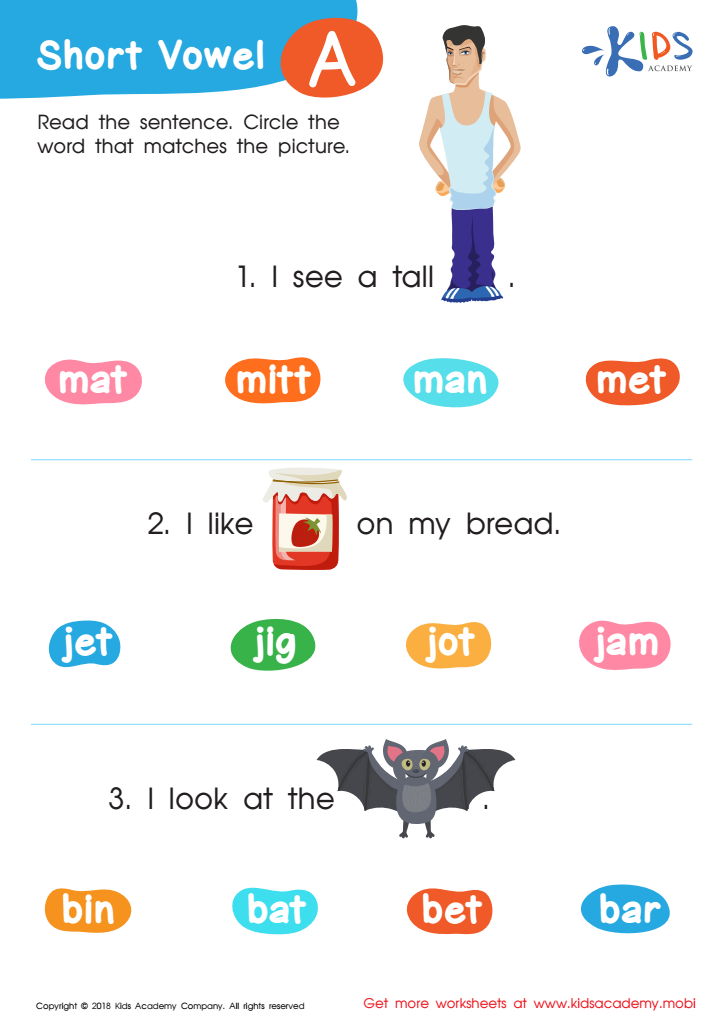
Short Vowel /a/ Worksheet
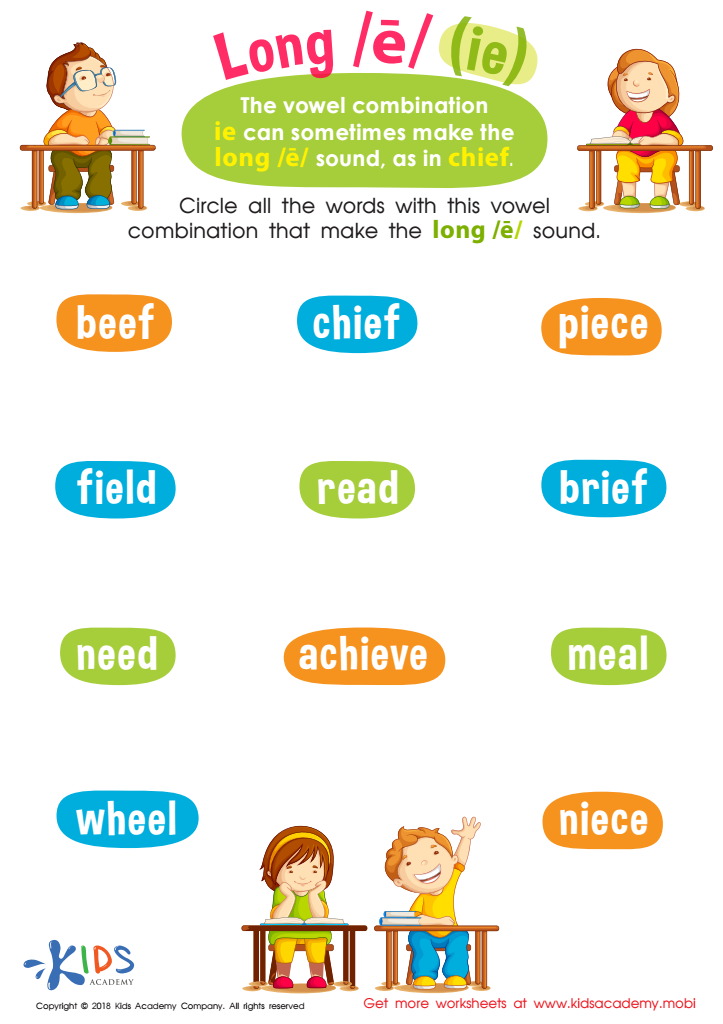
Reading: Long E and IE Worksheet
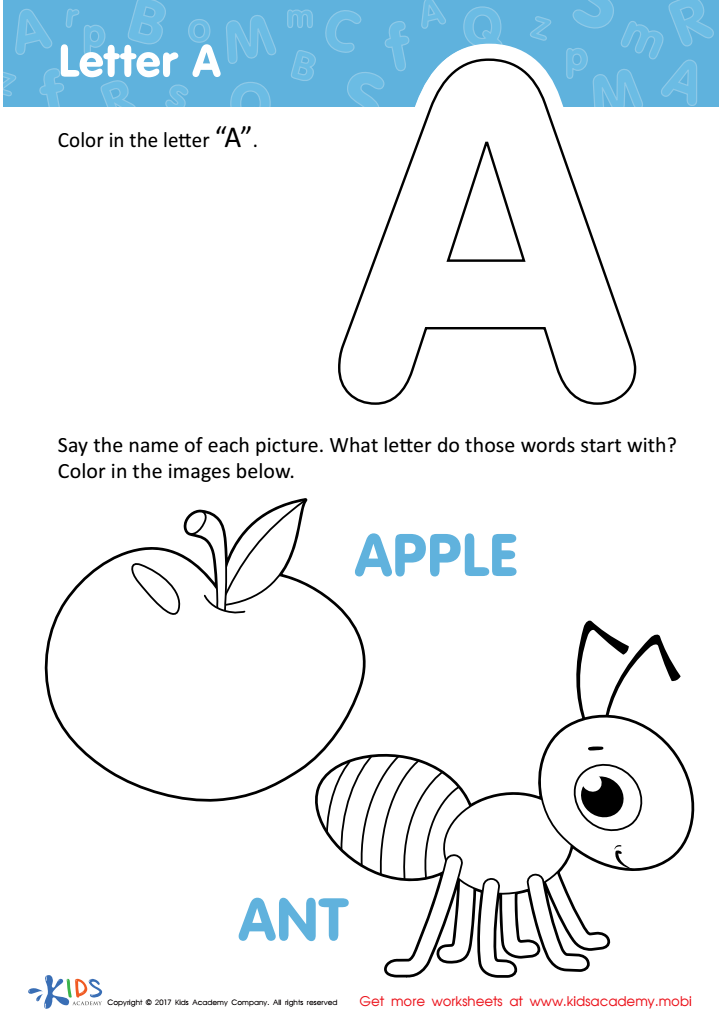
Letter A Coloring Sheet
 Assign to My Students
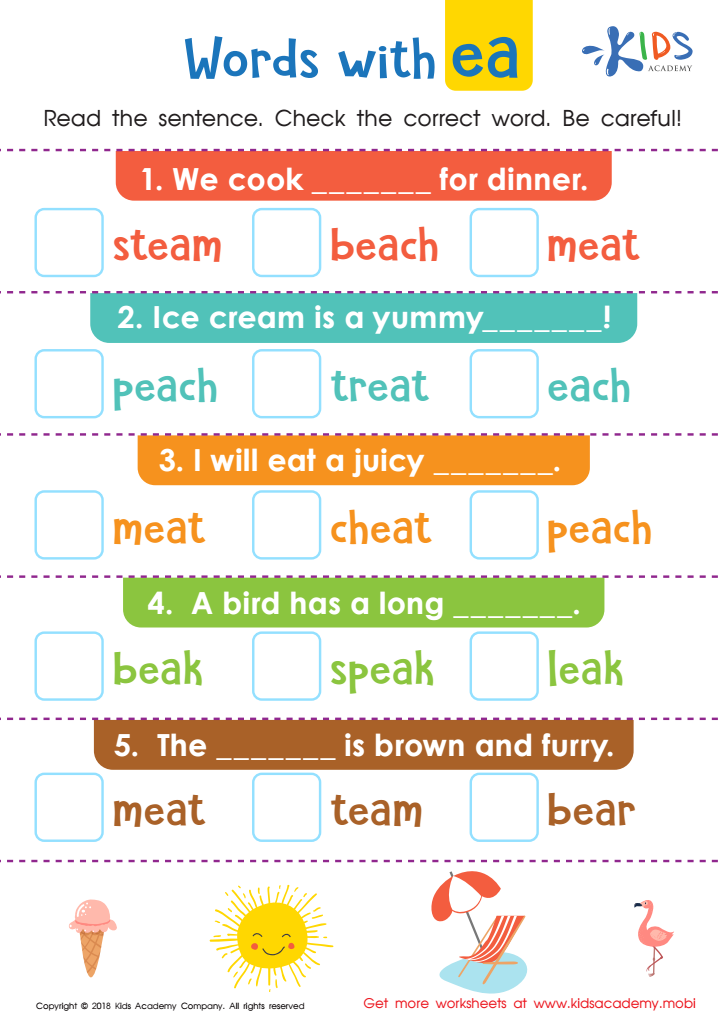
Words with ea Worksheet
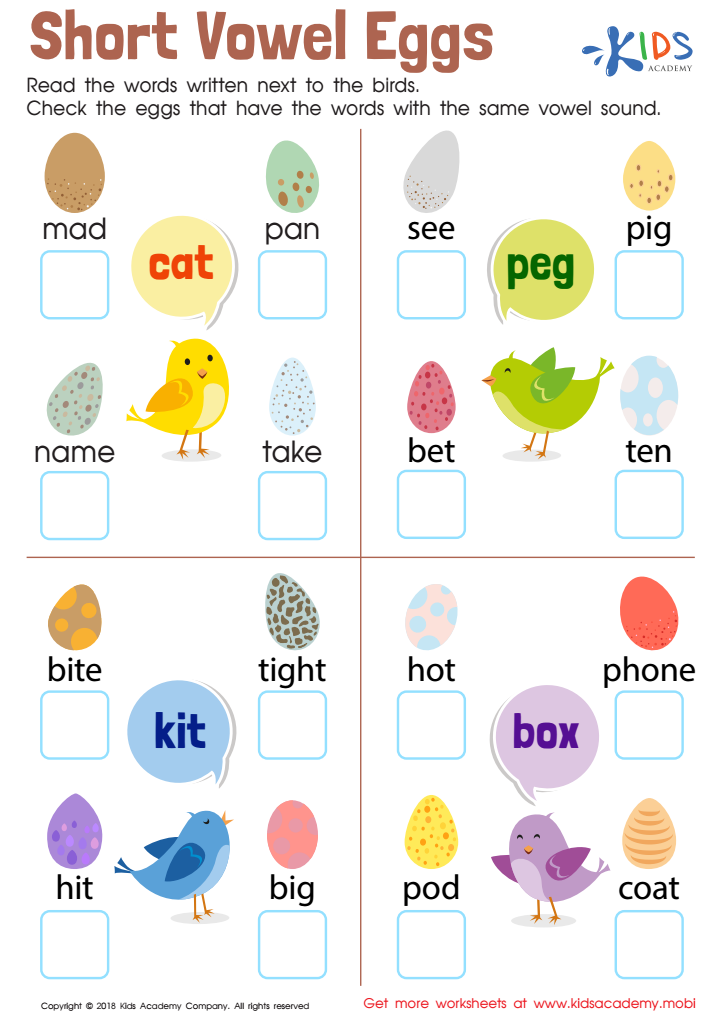
Short Vowel Eggs Worksheet
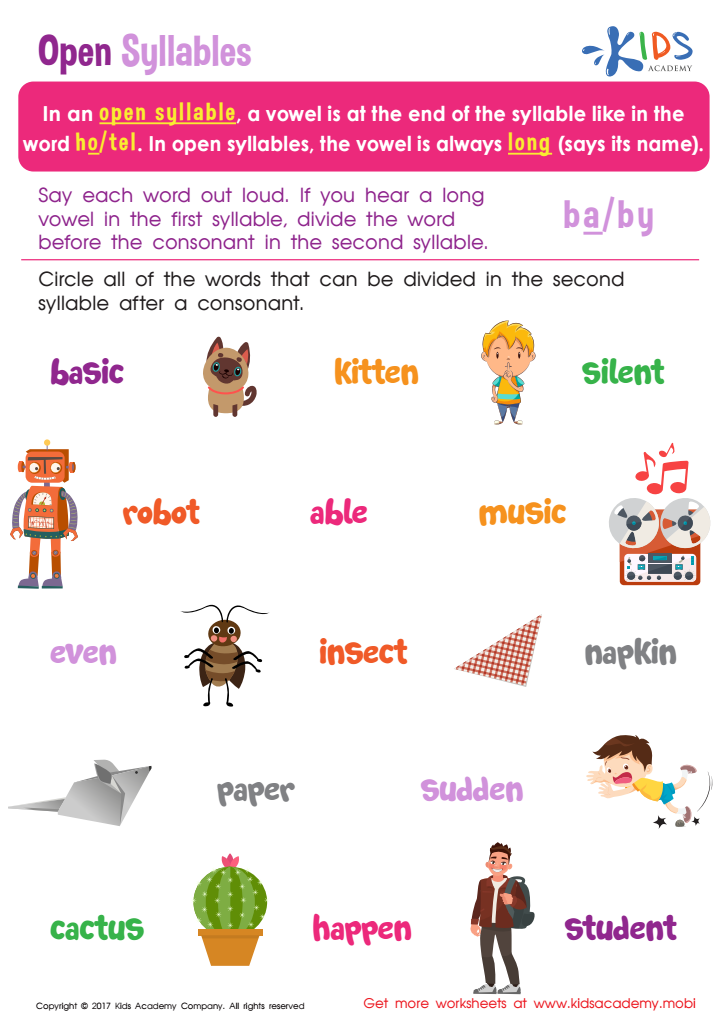
Open Syllable Printable Worksheet
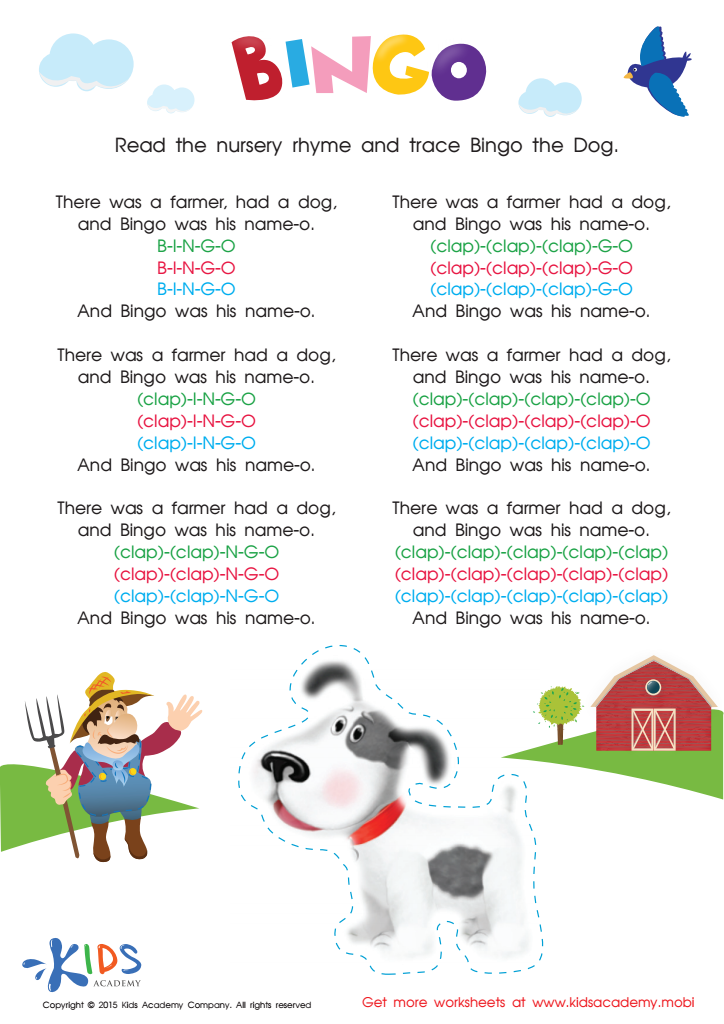
Nursery Rhymes: The Bingo Song Worksheet
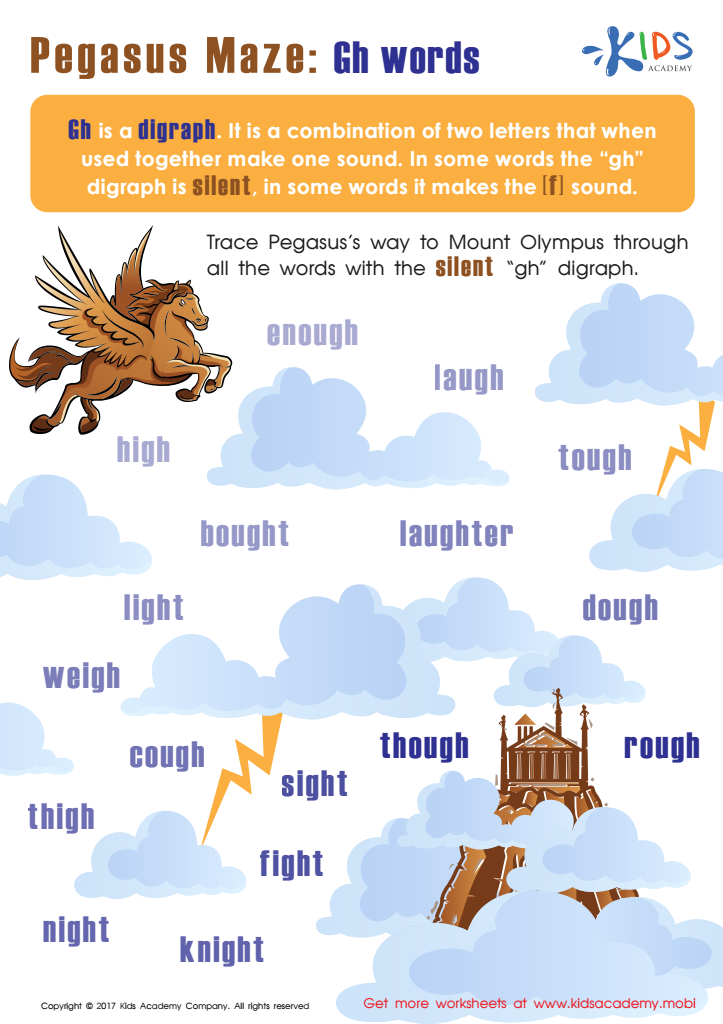
Pegasus Maze: GH Words Worksheet
Letter Y Coloring Sheet
Assign to My Students
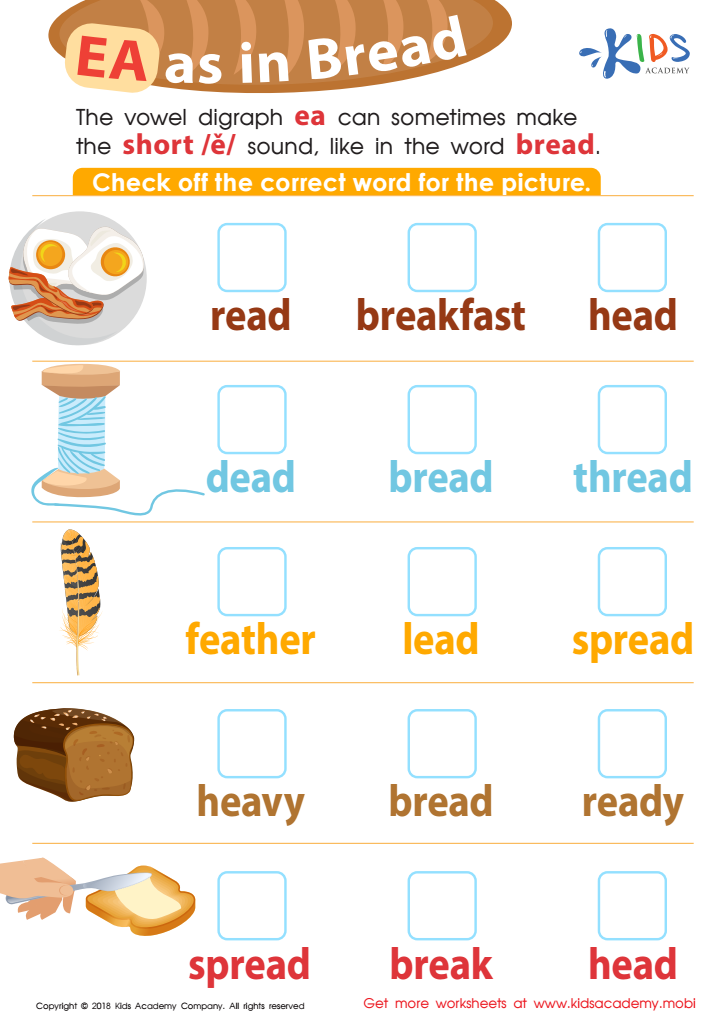
Reading: EA as in Bread Worksheet
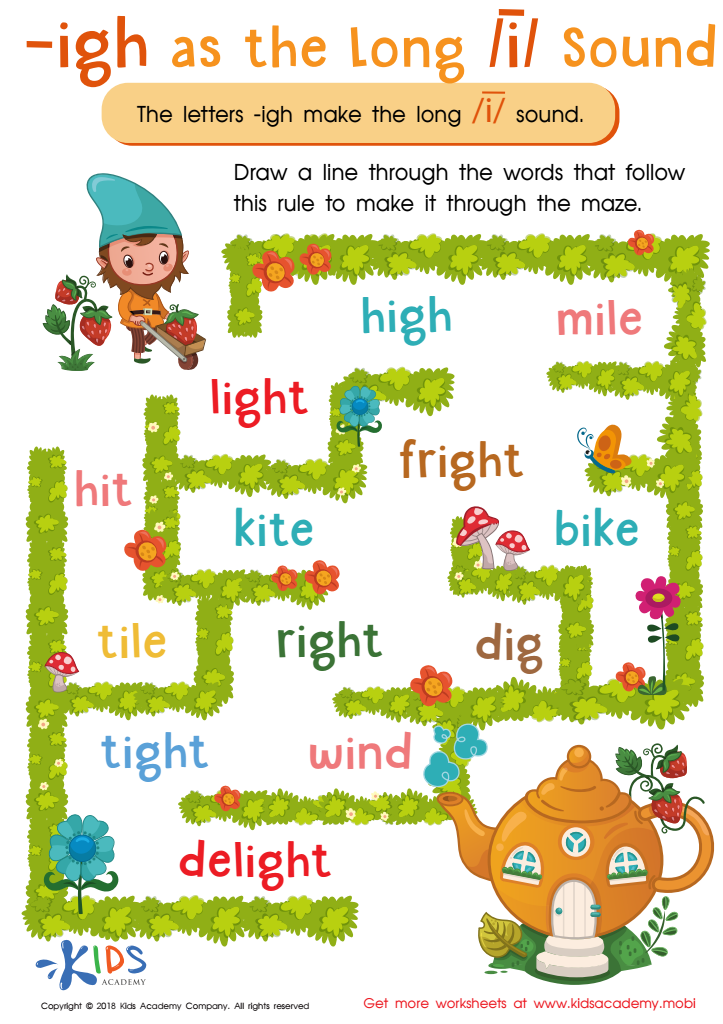
Reading: IGH as Long I Worksheet
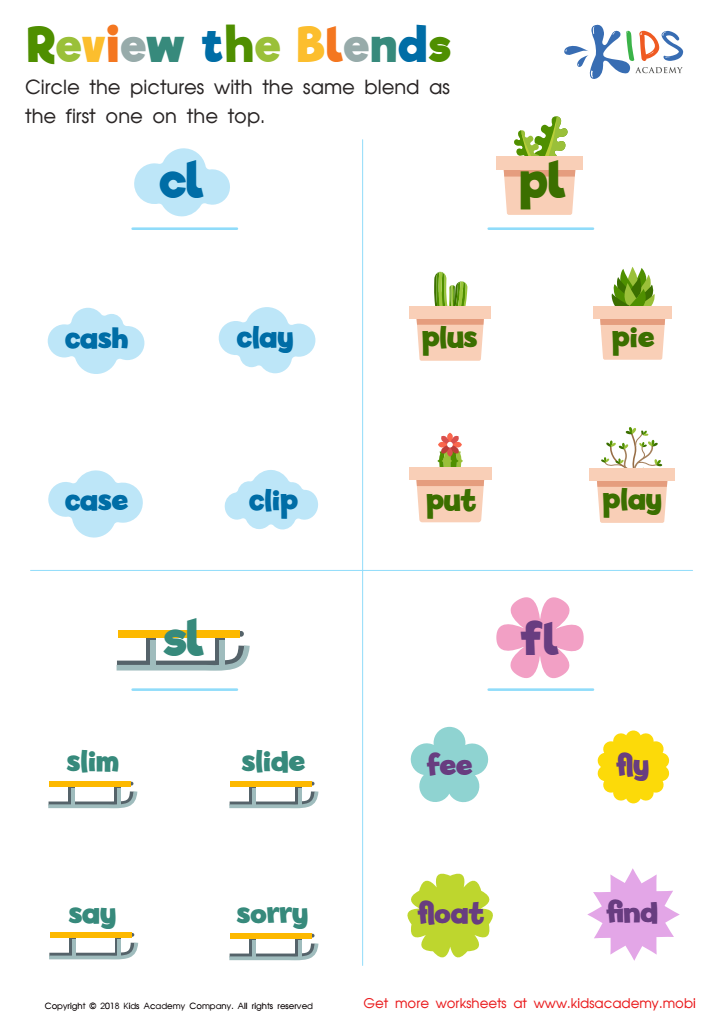
Review the Blends Worksheet







Phonics practice is essential for children ages 7-8, as it lays the foundation for proficient reading and spelling skills. During this developmental stage, children are transitioning from learning to read to reading to learn. A strong grasp of phonics helps them decode unfamiliar words, making it easier to comprehend text across various subjects.
At this age, students encounter more complex vocabulary and sentence structures. Effective phonics instruction enhances their ability to sound out words, leading to improved fluency and confidence. This is crucial because confident readers are more likely to engage with texts, fostering a lifelong love for reading.
Moreover, phonics practice supports writing skills. Children learn to recognize spelling patterns and word structures, enabling them to express their thoughts more clearly. This interconnectedness between reading and writing is vital for academic success.
By prioritizing phonics practice, parents and teachers can create a supportive learning environment that empowers children, helping them not only in school but also in their everyday lives. Ultimately, fostering strong phonics skills in early readers equips them with the tools they need to excel in literacy, encouraging cognitive growth and boosting self-esteem as learners.








