
Practice problem-solving Worksheets for Ages 7-8
4 filtered results
Difficulty Level
Grade
Age
-
From - To
Subject
Activity
Standards
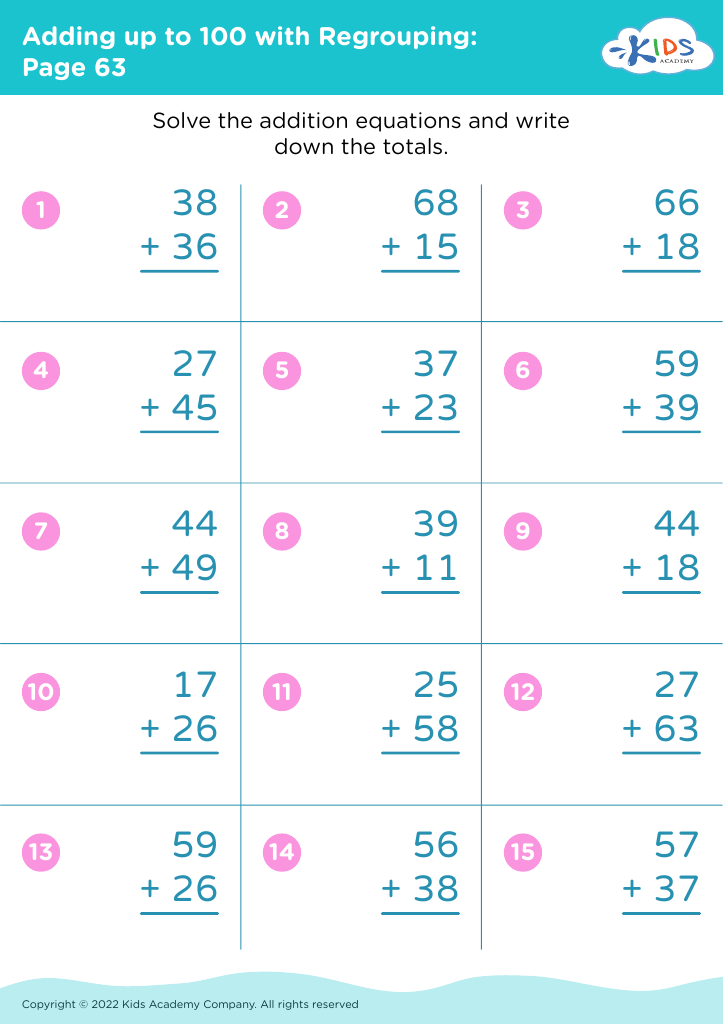
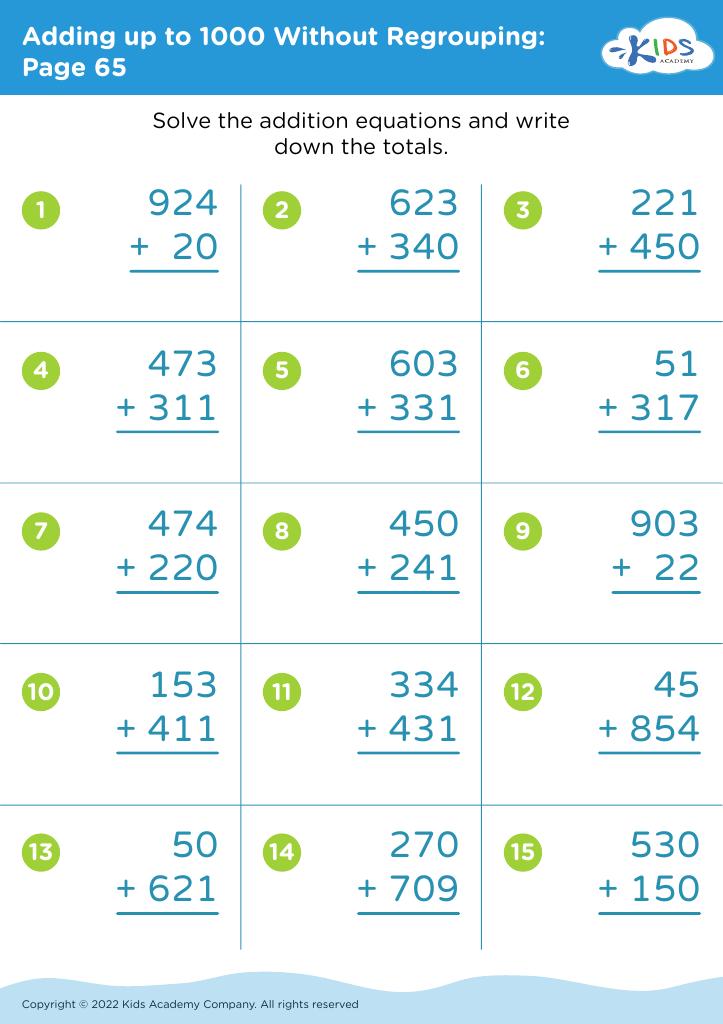
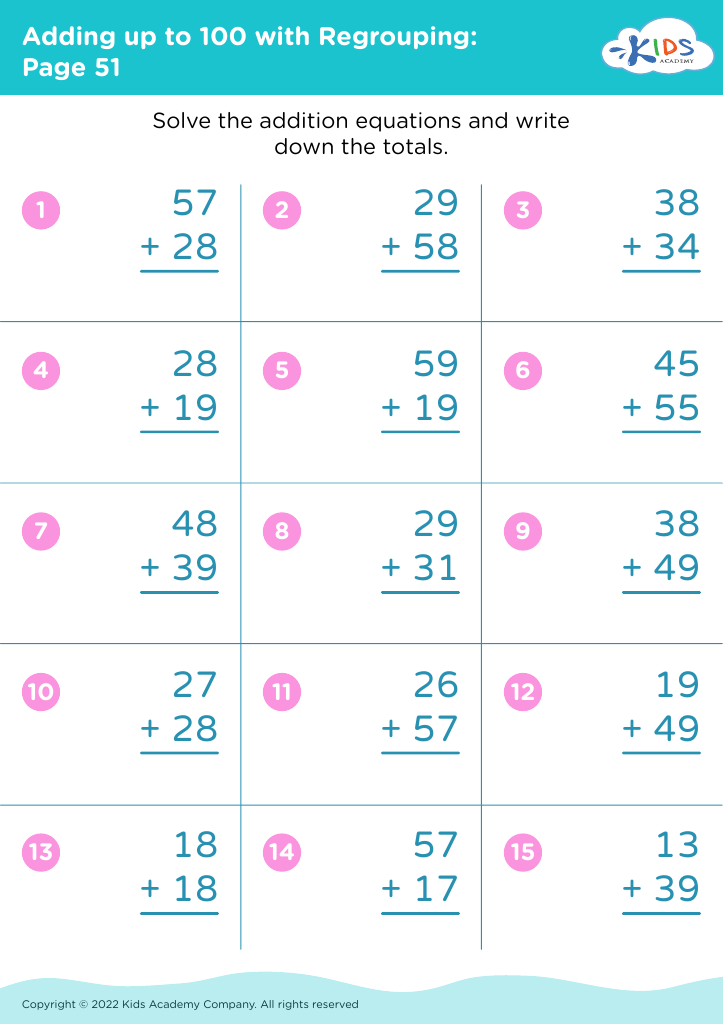
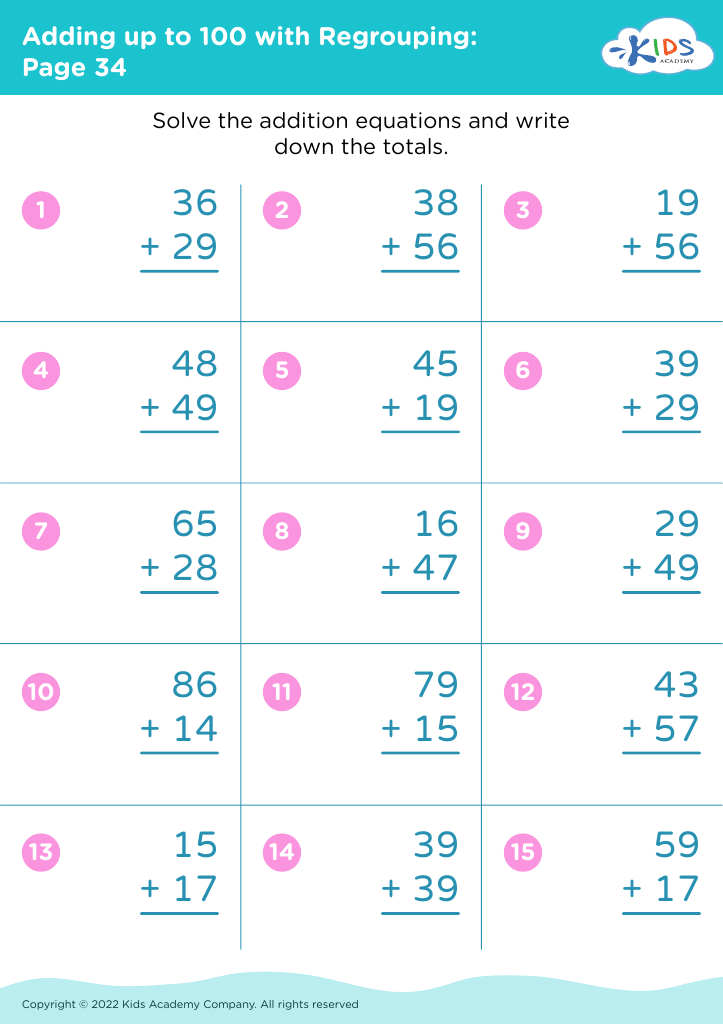
Discover our engaging Practice Problem-Solving Worksheets designed for ages 7-8! Our vibrant, curriculum-aligned materials help young learners enhance critical thinking, master basic math concepts, and develop logical reasoning. Perfect for both classroom and at-home learning, these worksheets offer varied challenges that stimulate curiosity and foster a love for problem-solving. From math puzzles to real-world scenarios, each activity is crafted to build confidence while making learning enjoyable. Encourage your child to explore and excel with our expertly-designed resources that turn every problem into a fun and rewarding adventure!
Favorites
With answer key
Interactive
Join Kids Academy for Free
Who is primarily going to use this learning content?






Parents and teachers should prioritize problem-solving practice for children ages 7-8 because it fosters critical cognitive and social skills essential for their overall development. At this stage, children's brains are especially malleable, meaning they quickly assimilate new concepts and skills. Engaging them in problem-solving activities helps develop critical thinking and reasoning abilities, essential for success in mathematics, science, and everyday situations.
Moreover, practice in problem-solving nurtures resilience and perseverance. Children learn to tackle challenges, make mistakes, and, crucially, try again. This fosters a growth mindset—a belief that abilities can be developed through hard work and perseverance—encouraging children to approach tasks with confidence and determination.
Socially, problem-solving exercises often require collaboration with peers, which hones communication skills and encourages teamwork. Children learning to articulate their thoughts, listen to others, and negotiate solutions become more empathetic and effective in social interactions.
Additionally, problem-solving is integral to decision-making and independence. Through guided practice, children learn to weigh options, predict outcomes, and make informed choices, laying a strong foundation for personal responsibility.
In summary, parents and teachers who invest in problem-solving practice aid in developing a child's intellectual, emotional, and social faculties, preparing them for future academic challenges and life experiences.








