Shape identification Worksheets for Ages 7-8
30 filtered results
-
From - To
Explore our Shape Identification Worksheets for Ages 7-8, designed to boost your child's geometry skills and confidence. These fun and engaging worksheets feature a variety of exercises, such as shape matching, tracing, and naming, to build a solid foundation in identifying basic and complex shapes. Ideal for reinforcing classroom lessons or extra practice at home, our expertly crafted worksheets are tailored to meet the developmental stages of children aged 7-8. Help your child master shape recognition while enhancing their problem-solving abilities and spatial awareness. Join us in making learning both educational and enjoyable!
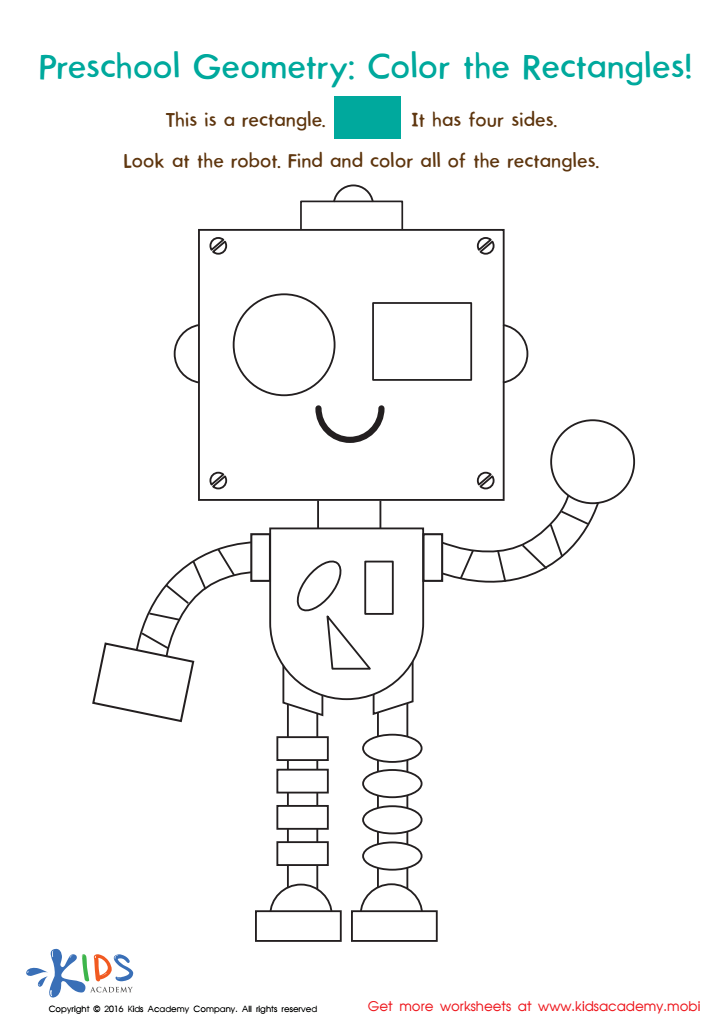
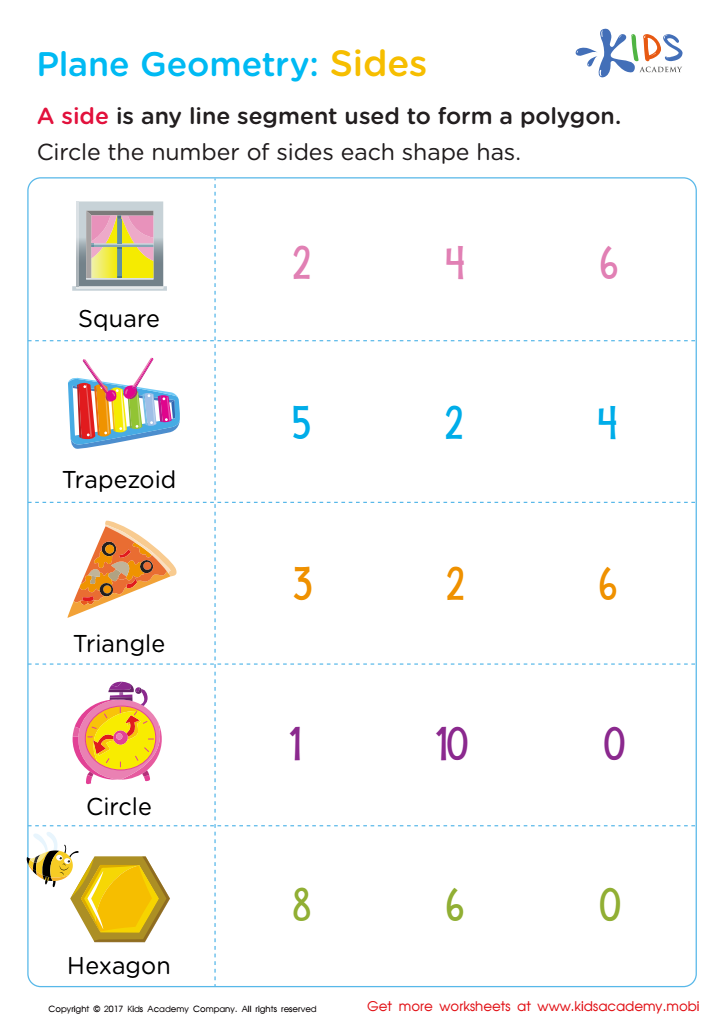
Geometry Worksheet
Superman Maze Worksheet
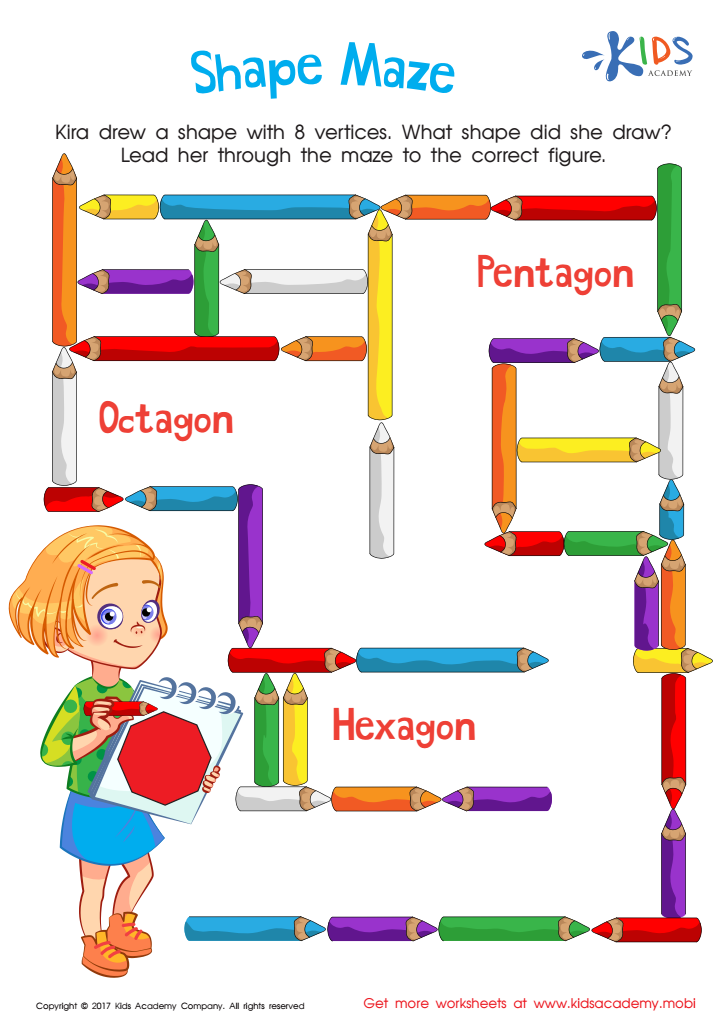
Shape Maze Worksheet
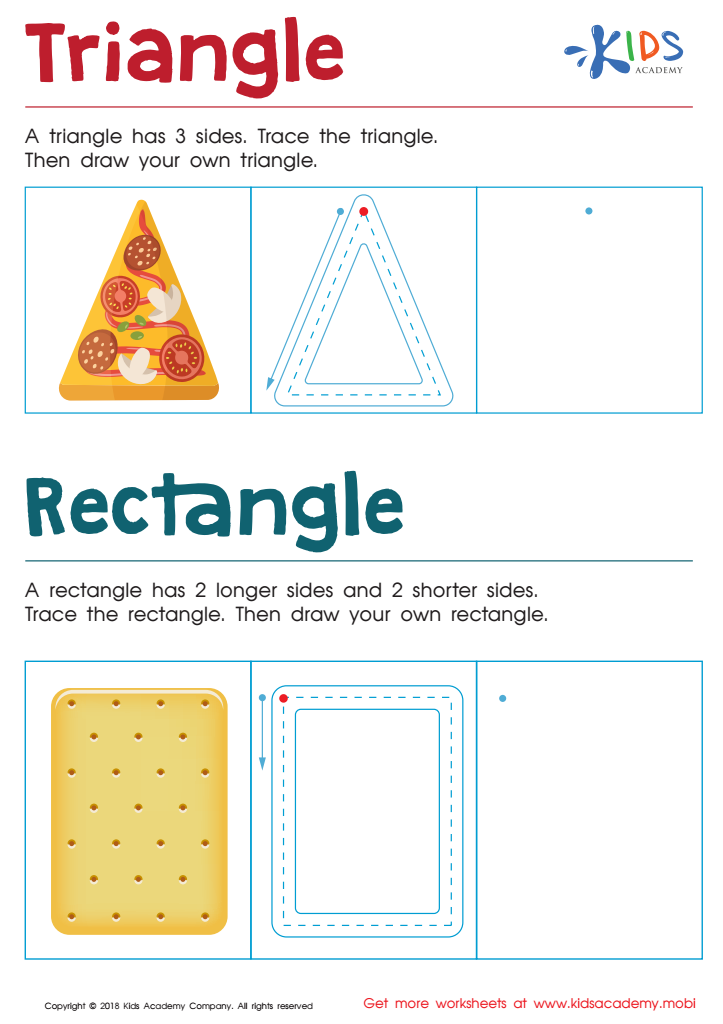
Triangle Rectangle Worksheet
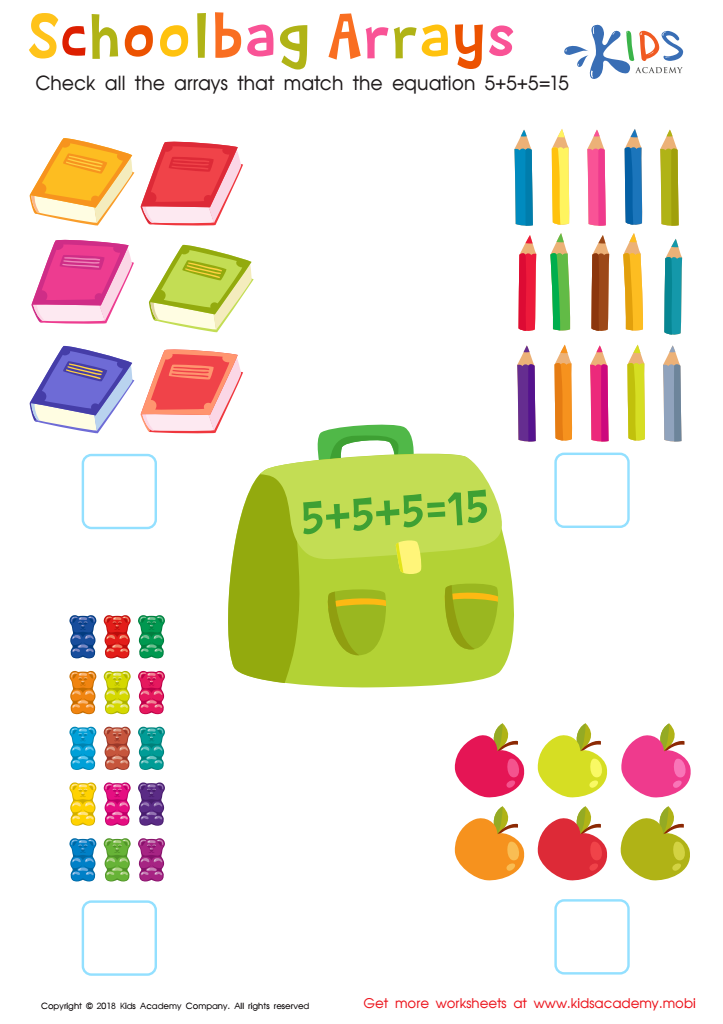
Schoolbag Arrays Worksheet
Place Value: Assessment 3 Worksheet
Geometry Review Printable
Is It a Triangle? Worksheet
Number 2 Printable
 Assign to My Students
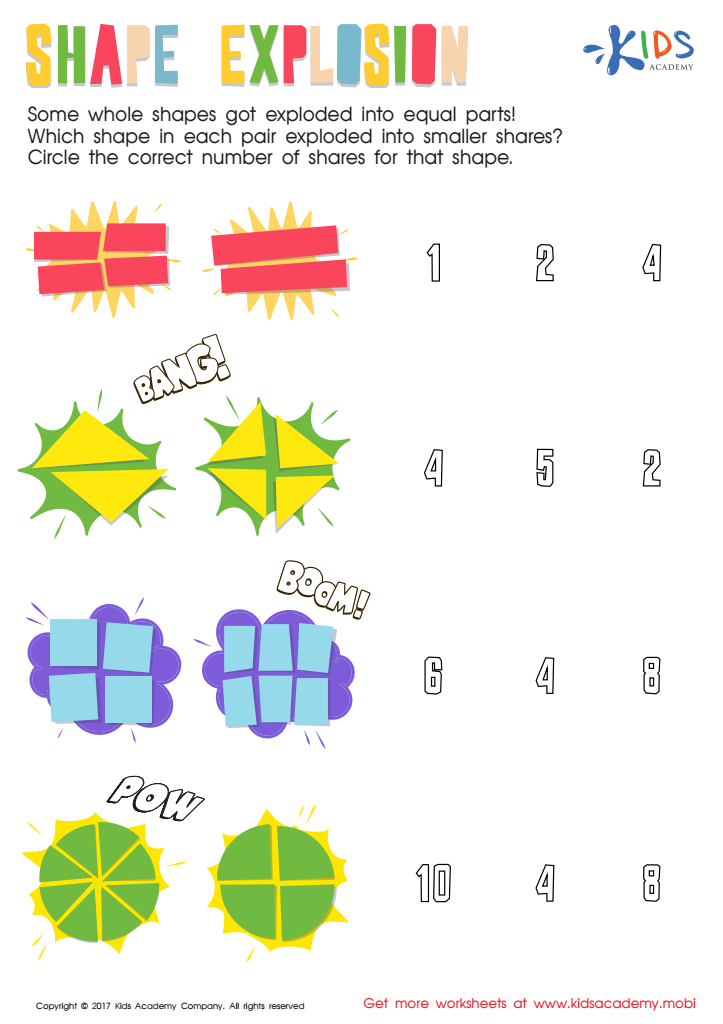
Shape Explosion Worksheet
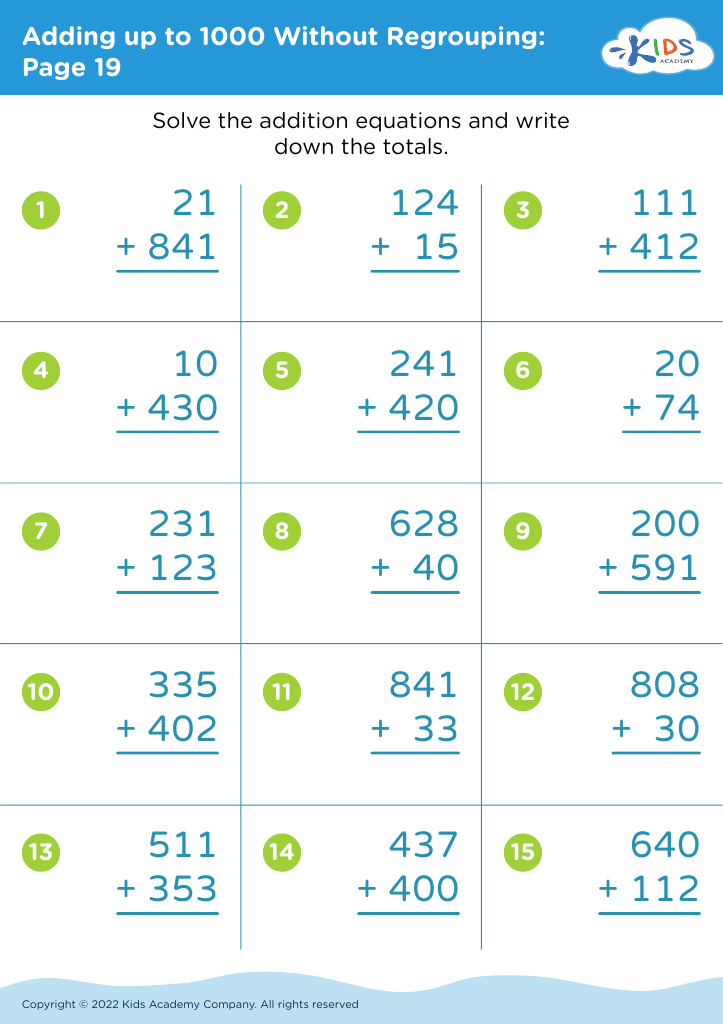
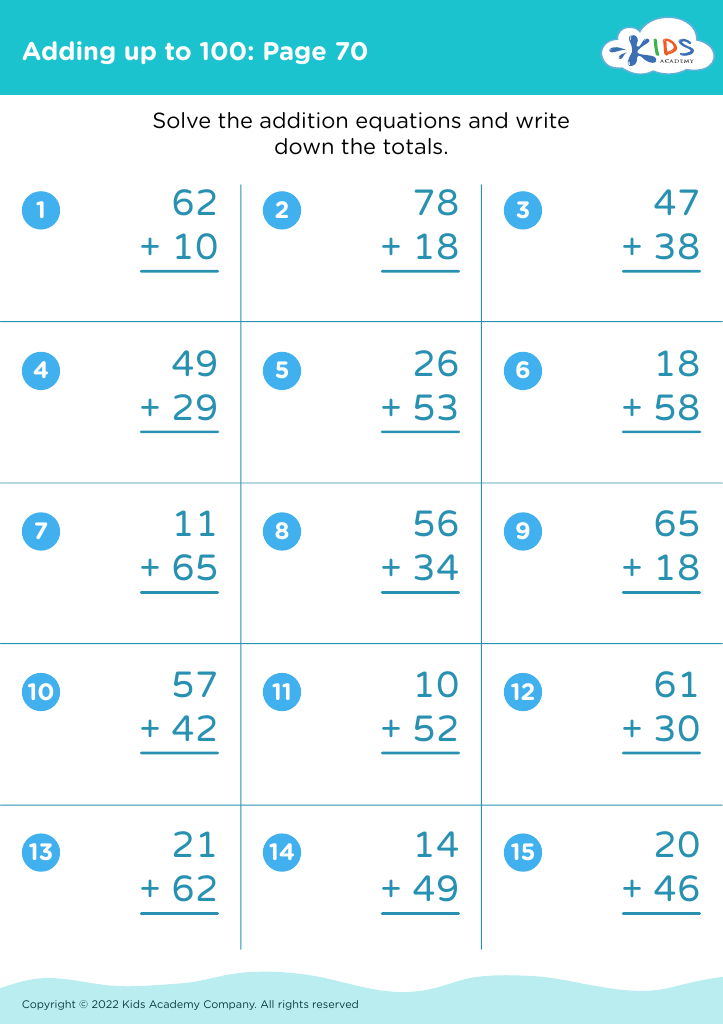
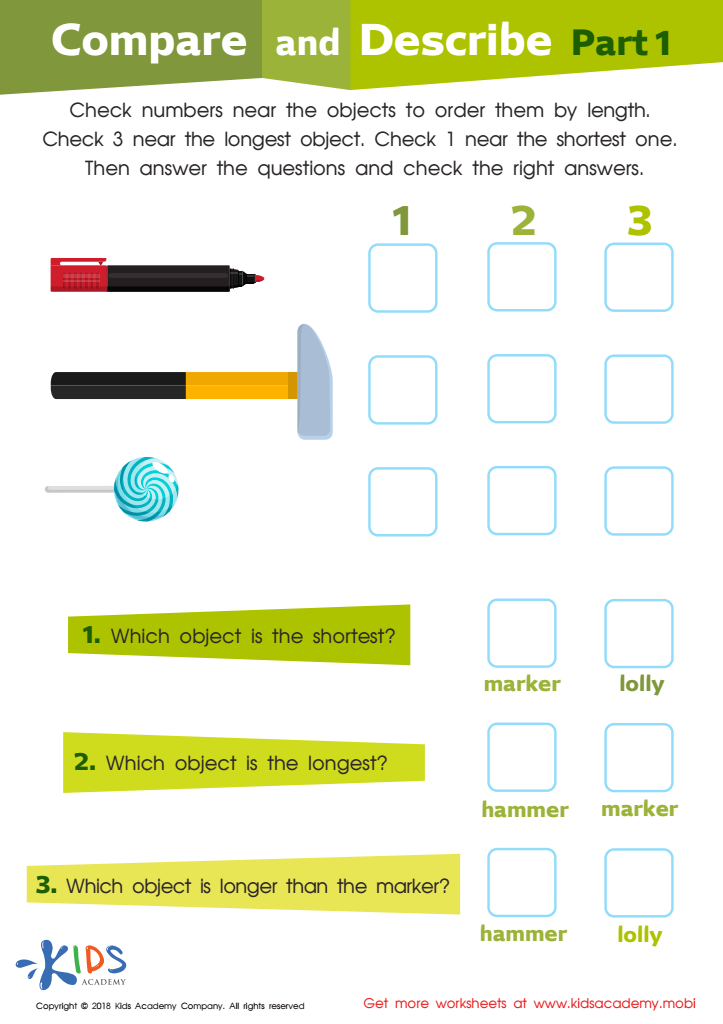
Compare and Describe: Part 1 Worksheet








Shape identification is a foundational skill for children aged 7-8, integral to their cognitive and academic development. At this crucial stage, understanding shapes goes beyond simple recognition. It promotes spatial awareness, which is important for solving puzzles, understanding maps, and even interpreting data graphs later in academics.
From a mathematical standpoint, shape identification lays the groundwork for geometry, a major segment of the math curriculum. Being able to distinguish between different shapes and understand their properties—from triangles to hexagons—helps children build a framework for more complex concepts, such as symmetry, fractions, and area.
Moreover, shape recognition supports literacy development. Engaging with shapes helps children connect visual and textual elements, enhancing their ability to recognize letters and numbers, which are essentially shapes with specific meanings. When children discern the difference between similarly shaped letters, like "b" and "d", they improve their reading and writing fluency.
From a physical perspective, identifying and interacting with shapes enhances fine motor skills and hand-eye coordination. Drawing shapes, cutting them out, or fitting them into puzzles sharpens these skills, which are important for various everyday tasks from handwriting to sports.
In essence, prioritizing shape identification enriches a child's academic readiness and everyday functional skills. Engaged parents and teachers can facilitate a well-rounded development, paving the way for lifelong learning and success.








