Hand-eye Coordination Addition and Subtraction Word Problems Worksheets for Ages 7-8
3 filtered results
-
From - To
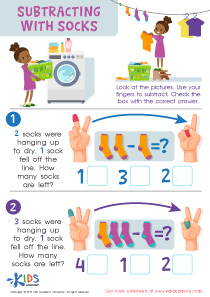
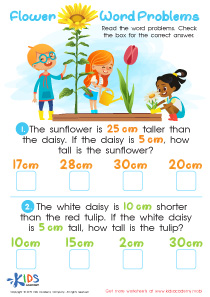
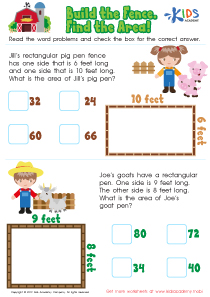
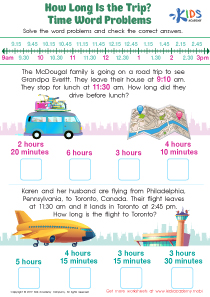
Enhance your child's math and motor skills with our Hand-Eye Coordination Addition and Subtraction Word Problems Worksheets, designed specifically for ages 7-8. These engaging worksheets blend math challenges with activities that promote hand-eye coordination, making learning fun and interactive! Kids will solve important word problems while refining their physical coordination, crucial for overall development. Featuring colorful illustrations and relatable scenarios, our resources encourage critical thinking and boost confidence in math skills. Ideal for teachers and parents alike, these worksheets provide an effective way to combine essential academic skills with playful, hands-on learning. Explore our collection today!
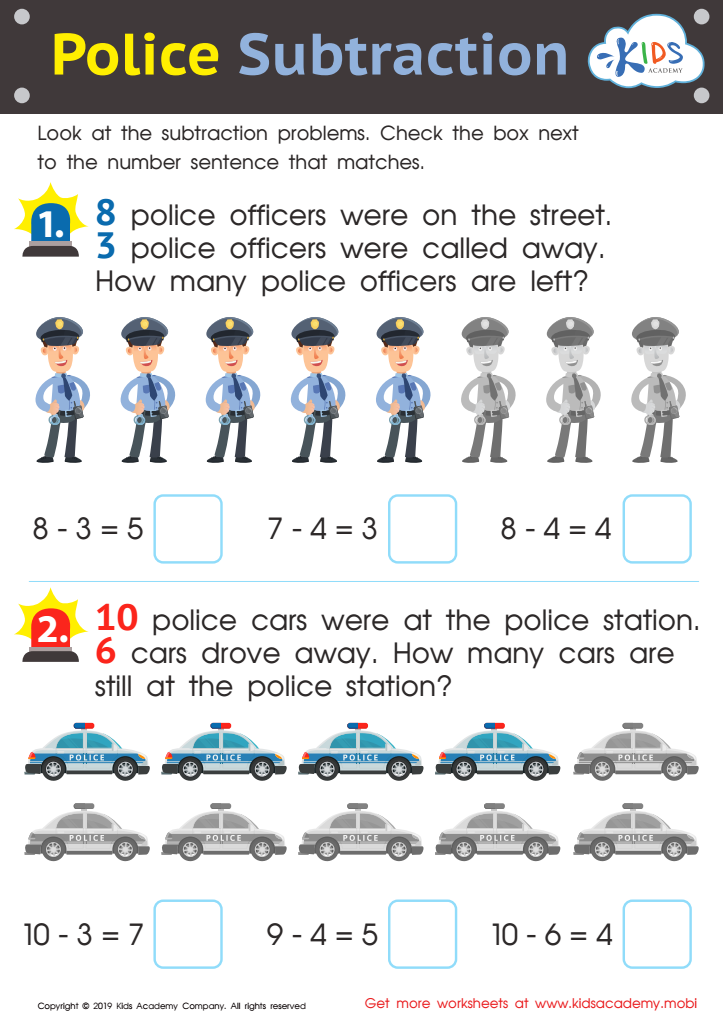
Police Subtraction Worksheet
 Assign to My Students
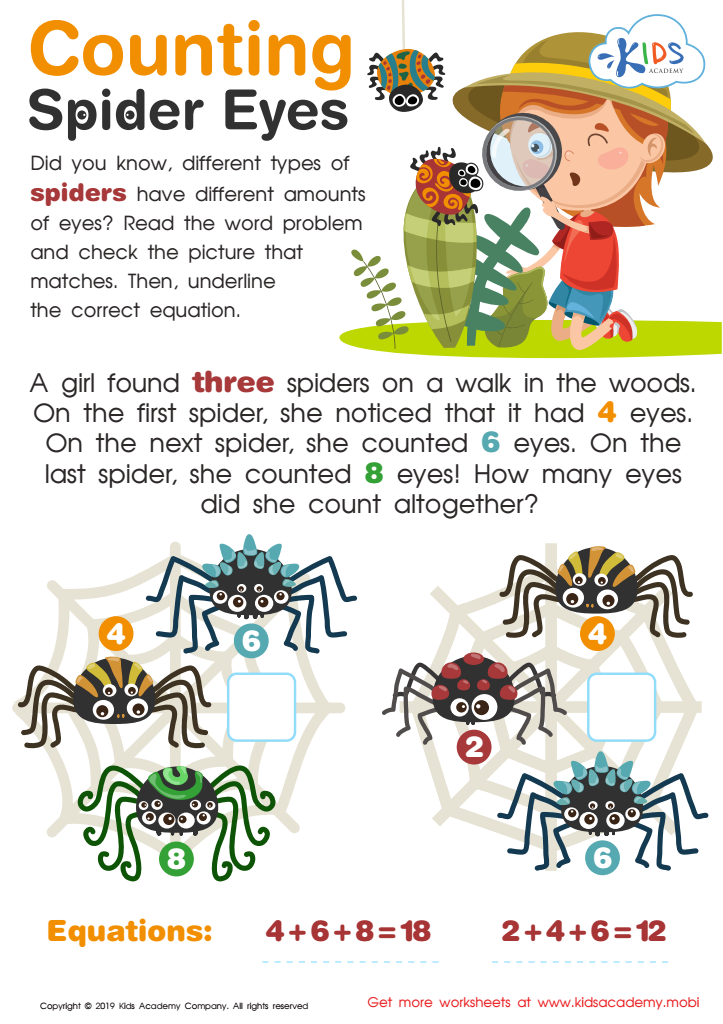
Counting Spider Eyes Worksheet
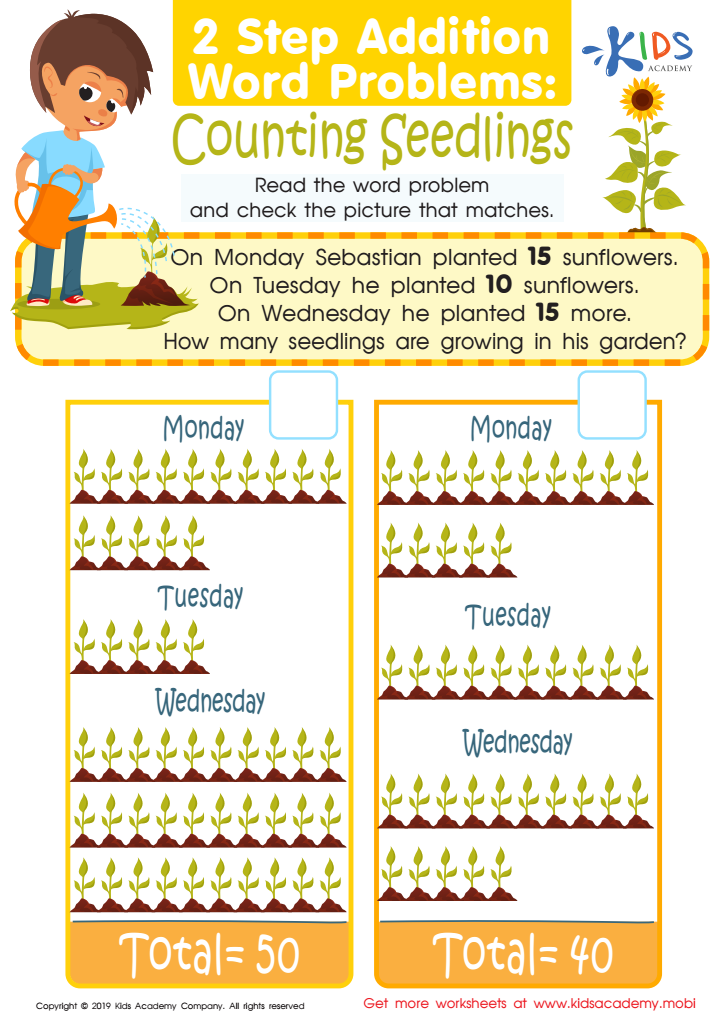
Counting Seedlings Worksheet








Hand-eye coordination is crucial for children, particularly during the ages of 7-8, as it intertwines physical skills with cognitive development. Engaging students in addition and subtraction word problems that incorporate hand-eye coordination enhances both their mathematical understanding and their ability to process visual information. When children tackle these problems using manipulative objects—like counters or blocks—they physically connect calculations with spatial recognition, reinforcing their learning.
Moreover, these activities target various learning styles, catering to children who thrive in tactile environments. Addressing word problems requires not only mathematical reasoning but also critical thinking skills; children learn to analyze situations, interpret data, and make decisions, which lays the foundation for future problem-solving abilities.
Additionally, intertwining movement with math can keep lessons exciting and engaging, combating boredom and disinterest. This approach can foster a positive attitude towards math, helping to build confidence and reducing anxiety surrounding the subject. By integrating hand-eye coordination activities, parents and teachers can support holistic development—cognitive, emotional, and physical—leading to stronger academic performance and enhanced lifelong skills.
Ultimately, fostering these skills prepares children for more complex mathematical concepts and real-world problem-solving as they progress in their education.